EN
EN

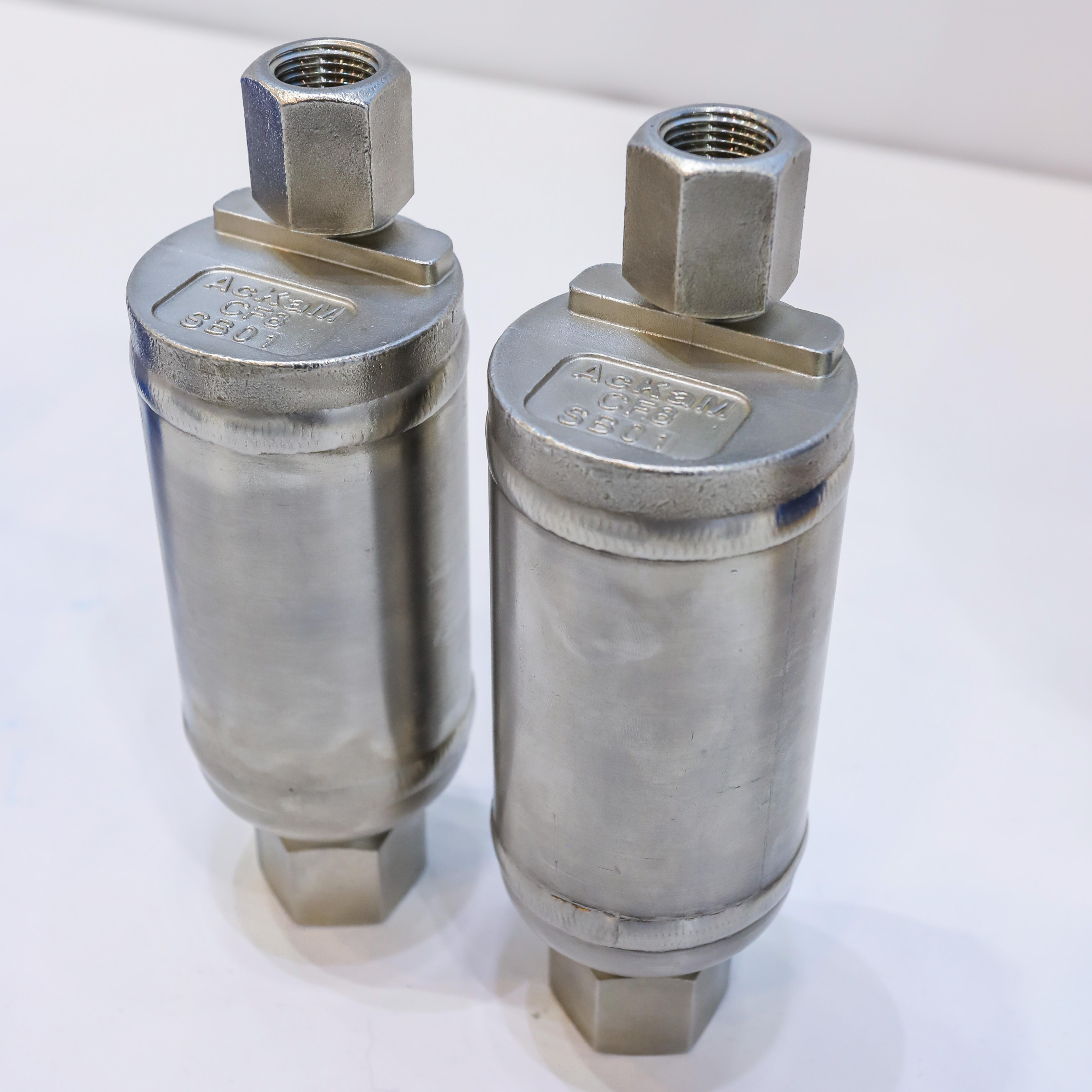
A steam separator plays a critical role in maintaining the quality and efficiency of industrial steam systems by removing moisture, debris, and contaminants that compromise steam purity. When steam travels through piping networks, it naturally accumulates condensate, particulates, and other impurities that reduce its effectiveness for heating, process applications, and equipment protection. Understanding how a steam separator functions to improve steam purity is essential for engineers and facility managers who need to optimize their steam distribution systems and prevent costly equipment damage.
The fundamental purpose of a steam separator extends beyond simple moisture removal to encompass comprehensive steam conditioning that directly impacts operational efficiency, equipment longevity, and process consistency. Industrial facilities rely on high-purity steam for applications ranging from turbine operation to manufacturing processes, making the steam separator an indispensable component in achieving the required steam quality standards. By examining the mechanisms through which a steam separator enhances steam purity, we can better appreciate its significance in modern industrial operations.
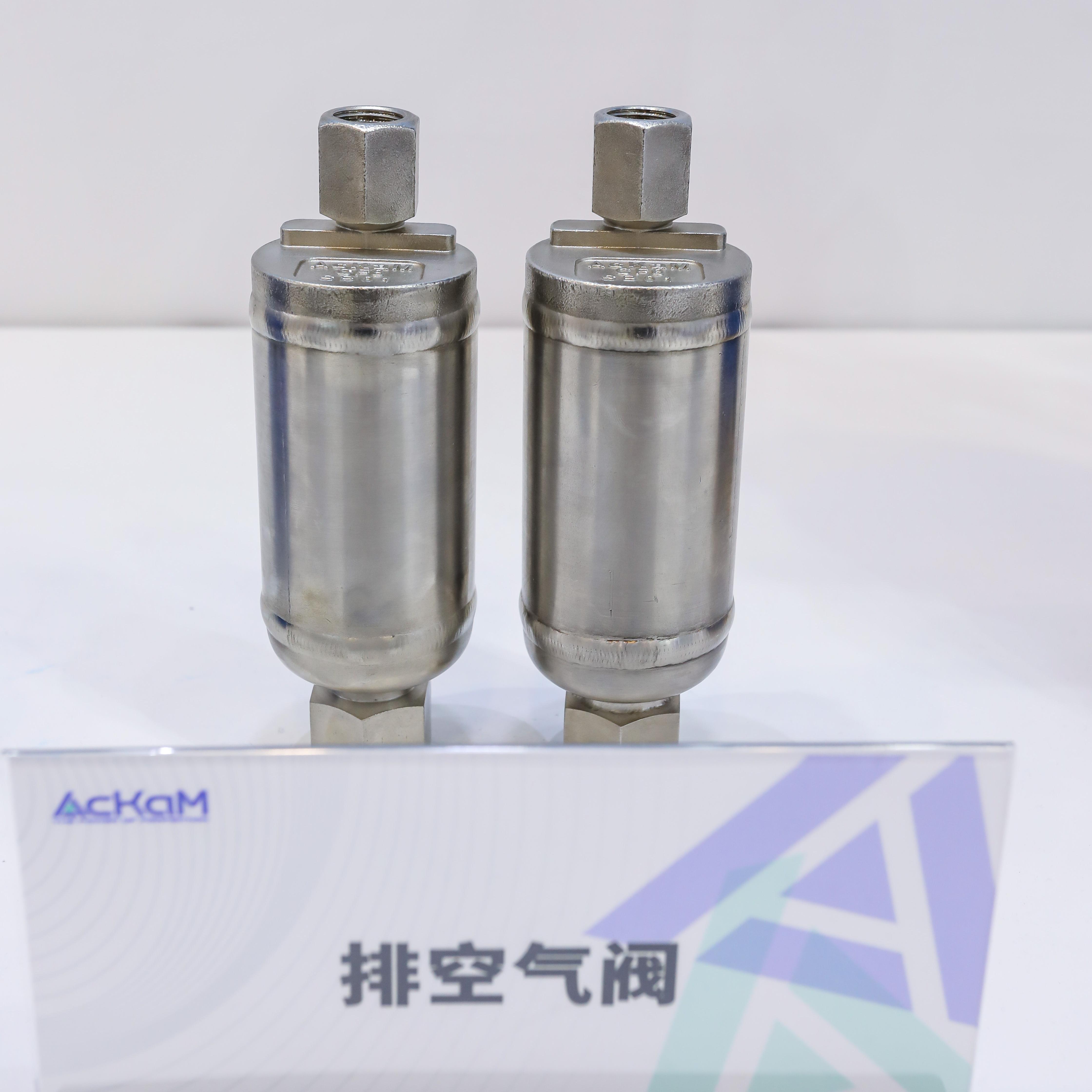
Mechanisms of Steam Purity Enhancement
Moisture Separation Technology
The primary mechanism by which a steam separator improves steam purity involves the physical separation of liquid droplets from the steam flow. When steam carries entrained moisture, it loses thermal efficiency and can cause water hammer, corrosion, and erosion in downstream equipment. A steam separator utilizes centrifugal force and directional changes to force heavier water droplets out of the steam stream, allowing them to collect and drain away while permitting dry steam to continue through the system.
Modern steam separator designs incorporate multiple separation stages to achieve maximum moisture removal efficiency. The initial stage typically involves a sudden expansion chamber where steam velocity decreases, allowing larger droplets to fall out naturally. Subsequent stages employ internal baffles or cyclonic chambers that create swirling motion, using centrifugal force to drive remaining moisture to the separator walls where it can be collected and drained.
The effectiveness of moisture separation directly correlates with steam purity improvements, as even small amounts of entrained water can significantly impact steam quality measurements. Professional-grade steam separators can achieve moisture removal efficiencies exceeding 98%, ensuring that downstream equipment receives steam with minimal liquid content and maximum thermal energy transfer capability.
Particulate and Debris Removal
Beyond moisture separation, a steam separator also removes solid particulates, rust particles, and pipe debris that accumulate in steam distribution systems. These contaminants originate from corrosion within piping networks, scale formation, and foreign materials that enter the system during maintenance activities. The same separation mechanisms that remove moisture also capture these solid contaminants, preventing them from reaching sensitive equipment or process applications.
The particulate removal function of a steam separator becomes particularly important in older steam systems where internal corrosion and scale buildup generate continuous contamination. By installing strategic separation points throughout the distribution network, facility operators can maintain consistent steam purity levels despite ongoing system degradation. This protective function extends equipment life and maintains process quality in applications sensitive to contamination.
Advanced steam separator designs incorporate mesh elements or coalescing media that enhance small particle capture while maintaining low pressure drop across the device. These internal components create additional surface area for particle adhesion and provide tortuous flow paths that improve separation efficiency for both liquid and solid contaminants.
Impact on Steam Quality Parameters
Dryness Fraction Improvement
Steam dryness fraction represents the proportion of vapor to total steam mass and serves as a critical quality indicator for industrial applications. A steam separator directly improves dryness fraction by removing the liquid portion from wet steam, increasing the vapor content percentage. Higher dryness fractions translate to improved thermal efficiency, reduced corrosion potential, and better heat transfer characteristics in downstream equipment.
The relationship between steam separator performance and dryness fraction improvement can be quantified through steam quality measurements before and after separation. Typical industrial steam systems experience dryness fractions ranging from 85% to 95% at various points in the distribution network. A properly sized and positioned steam separator can increase dryness fraction to 99% or higher, representing a substantial improvement in steam purity.
Maintaining high dryness fractions through effective steam separation becomes particularly critical for turbine applications, where even small amounts of moisture can cause blade erosion and efficiency losses. Process heating applications also benefit from improved dryness fractions through more consistent heat transfer rates and reduced condensate formation within heat exchangers.
Contamination Level Reduction
Steam purity encompasses not only moisture content but also the concentration of dissolved solids, suspended particles, and chemical contaminants that can affect equipment performance and process outcomes. A steam separator contributes to contamination level reduction by removing the liquid phase that typically carries the highest concentration of these impurities. When water droplets are separated from the steam flow, they take with them dissolved salts, corrosion products, and other contaminants.
The contamination removal effectiveness of a steam separator depends on the distribution of impurities between the vapor and liquid phases. Most metallic corrosion products, scale particles, and dissolved solids concentrate preferentially in the liquid phase, making their removal through steam separation highly effective. This selective removal process results in cleaner steam with lower total dissolved solids and reduced potential for deposit formation in downstream equipment.
Regular monitoring of steam purity parameters before and after steam separator installation provides quantitative evidence of contamination reduction. Typical improvements include 70-90% reduction in suspended solids, 60-80% reduction in dissolved iron content, and significant decreases in other metallic contaminants that originate from system corrosion.
System Performance Benefits
Equipment Protection Enhancement
The improved steam purity achieved through steam separator installation provides substantial equipment protection benefits that extend far beyond basic moisture removal. Steam turbines, heat exchangers, control valves, and process equipment all experience reduced wear rates, corrosion damage, and deposit formation when supplied with higher purity steam. This protection translates directly into lower maintenance costs, extended equipment life, and improved operational reliability.
Steam turbine protection represents one of the most critical applications for steam separator technology. Wet steam entering turbine blades causes erosion damage that can require costly blade replacement and extended downtime. Additionally, contaminants in steam can form deposits on turbine internals that reduce efficiency and create imbalance conditions. By ensuring high steam purity through effective separation, facility operators can protect their turbine investments and maintain optimal power generation efficiency.
Heat exchanger protection also benefits significantly from improved steam purity, as cleaner steam reduces fouling rates on heat transfer surfaces. This maintenance reduction extends cleaning intervals, improves heat transfer coefficients, and reduces the risk of tube failures caused by corrosion or erosion. Process equipment protection encompasses similar benefits, with reduced contamination leading to more consistent product quality and fewer process disruptions.
Energy Efficiency Optimization
Steam separator installation contributes to overall system energy efficiency through multiple mechanisms related to steam purity improvement. Dry, clean steam transfers heat more effectively than wet or contaminated steam, resulting in improved thermal efficiency across all applications. Additionally, the removal of non-condensable gases and contaminants reduces the thermal resistance that can develop in heat transfer equipment.
The energy efficiency benefits of steam separation become particularly apparent in large industrial facilities where small percentage improvements translate into significant cost savings. A steam separator that improves dryness fraction from 90% to 98% can increase thermal efficiency by 3-5% in typical heating applications. Over the course of a year, this improvement can result in substantial fuel cost reductions and reduced environmental emissions.
Energy efficiency optimization through steam separation also includes reduced pumping energy requirements for condensate return systems. When a steam separator removes moisture and contaminants upstream, less condensate is formed in downstream equipment, reducing the load on condensate pumps and return systems. This secondary benefit contributes to overall plant efficiency improvements beyond direct thermal gains.
Implementation Strategies for Maximum Purity Benefits
Strategic Placement Considerations
Achieving maximum steam purity benefits requires careful consideration of steam separator placement within the distribution system. The most effective locations for steam separator installation include points immediately downstream of pressure reducing stations, at the inlet to critical equipment, and at strategic positions in long horizontal steam lines where moisture accumulation is likely to occur. Proper placement ensures that separation occurs where it provides the greatest benefit to system performance and equipment protection.
The distance between the steam separator and protected equipment influences the degree of purity improvement that reaches the application point. Installing separators too far upstream allows recontamination through additional piping, while placement too close to equipment may not allow sufficient separation effectiveness. Engineering analysis should consider pressure drop, piping configuration, and heat loss factors when determining optimal separator locations.
Multiple steam separator installations throughout a large distribution system can provide cumulative purity improvements that exceed what single-point separation can achieve. This distributed approach allows for system-wide steam conditioning that maintains high purity standards across all applications while accommodating the varying separation requirements of different equipment types.
Integration with Steam Trap Systems
Effective steam separator operation requires proper integration with steam trap systems to ensure that separated condensate is promptly removed from the system. Steam traps installed downstream of steam separators must be sized and selected to handle both normal condensate loads and the additional liquid removed by the separation process. This integration prevents condensate backup that could compromise separator effectiveness.
The steam separator and steam trap combination creates a comprehensive steam conditioning system that addresses both separation and drainage requirements. Modern installations often employ thermodynamic or float-type steam traps that can handle the variable condensate loads typical of separator applications. Proper trap selection ensures that separated moisture is removed efficiently without allowing steam losses.
Monitoring and maintenance of integrated steam separator and trap systems requires attention to both components to ensure continued purity benefits. Regular inspection of separator internals, drain line condition, and trap operation maintains system effectiveness and prevents degradation of steam quality over time.
FAQ
How does a steam separator actually remove moisture from steam?
A steam separator removes moisture through physical separation mechanisms that exploit the density difference between steam vapor and liquid water droplets. The device creates directional changes and expansion chambers that slow steam flow, allowing heavier water droplets to fall out naturally. Internal components such as baffles or cyclonic chambers generate centrifugal forces that drive remaining moisture to collection surfaces where it can be drained away, leaving cleaner, drier steam to continue through the system.
What level of steam purity improvement can be expected from separator installation?
Steam separator installation typically achieves moisture removal efficiencies of 95-99%, which translates to significant improvements in steam dryness fraction and overall purity. Systems experiencing dryness fractions of 85-90% can expect improvements to 98-99% after proper separator installation. Contamination levels often see 70-90% reduction in suspended solids and substantial decreases in dissolved metallic contaminants, resulting in measurably cleaner steam for downstream applications.
Where should steam separators be installed for maximum effectiveness?
Steam separators achieve maximum effectiveness when installed immediately downstream of pressure reducing stations, at the inlet to critical equipment such as turbines or heat exchangers, and at strategic points in horizontal steam lines where moisture naturally accumulates. The key is placing separators where they can intercept contamination before it reaches sensitive equipment while ensuring that separated condensate can be properly drained from the system through integrated steam trap installations.
Can a steam separator improve steam quality in older industrial systems?
Steam separators are particularly effective in older industrial systems where aging piping networks generate higher levels of corrosion products, scale, and moisture contamination. In these applications, separators can restore steam quality to acceptable levels while providing equipment protection that extends system life. The contamination removal capabilities become especially valuable in older systems where internal corrosion creates ongoing steam purity challenges that affect both efficiency and reliability.