EN
EN

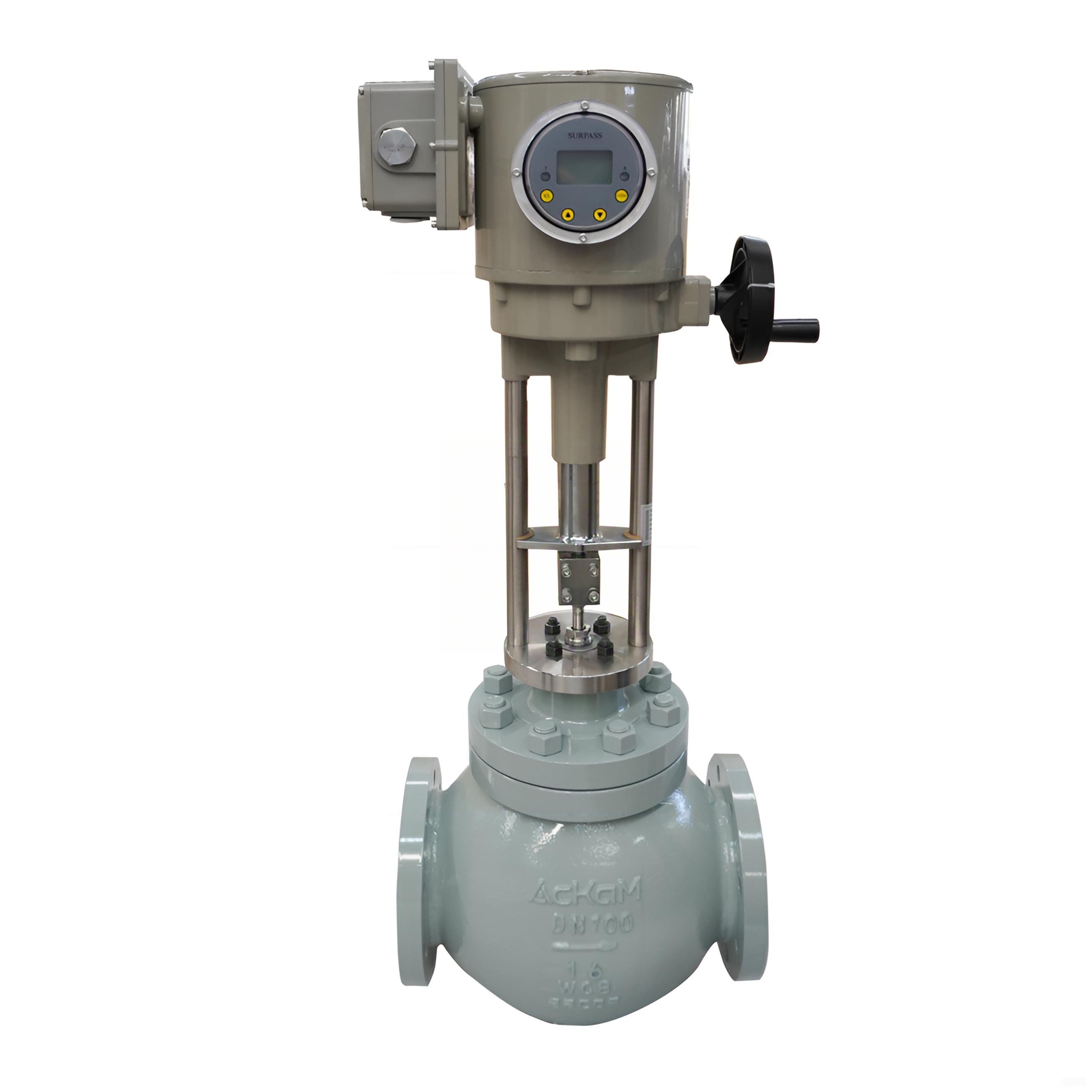
নিয়ন্ত্রণ ভাল্ভের বিশ্বস্ততা শিল্প প্রক্রিয়ার দক্ষতার একটি মূল স্তম্ভ, যা সরাসরি কার্যক্রমের অবিচ্ছিন্নতা, নিরাপত্তা এবং লাভজনকতাকে প্রভাবিত করে। প্রমাণিত রক্ষণাবেক্ষণ অনুশীলনগুলি বোঝা ও বাস্তবায়ন করা হলে নিয়ন্ত্রণ ভাল্ভের সর্বোত্তম কার্যকারিতা নিশ্চিত হয় কন্ট্রোল ভালভ অপ্রত্যাশিত ডাউনটাইম এবং ব্যয়বহুল জরুরি মেরামতের ঝুঁকি কমিয়ে কার্যকারিতা বজায় রাখা। নিয়ন্ত্রণ ভাল্ভ রক্ষণাবেক্ষণের পদ্ধতিগত পদ্ধতিতে প্রতিরোধমূলক কৌশল, অবস্থা নিরীক্ষণ পদ্ধতি এবং কৌশলগত হস্তক্ষেপ পদ্ধতিগুলি অন্তর্ভুক্ত থাকে, যা সমষ্টিগতভাবে সরঞ্জামের আয়ু বৃদ্ধি করে এবং প্রক্রিয়ার স্থিতিশীলতা বজায় রাখে।
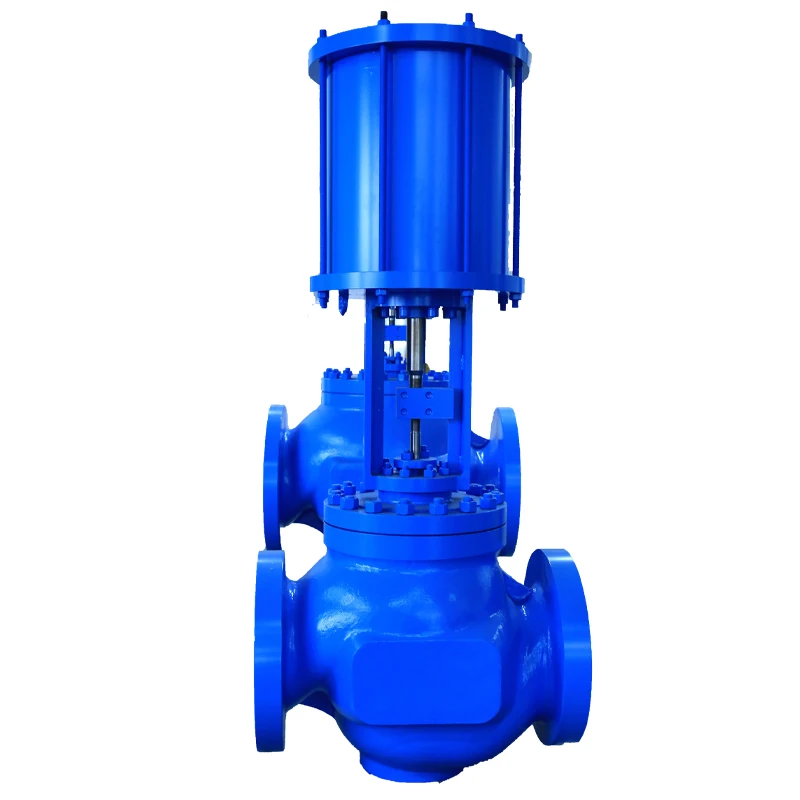
নিয়ন্ত্রণ ভাল্ভ সিস্টেমের জন্য ব্যাপক রক্ষণাবেক্ষণ প্রোটোকল প্রতিষ্ঠা করতে হলে ভাল্ভের দীর্ঘায়ু এবং কার্যকারিতা হ্রাসের প্যাটার্নকে প্রভাবিত করে এমন সমালোচনামূলক ফ্যাক্টরগুলির প্রতি গভীর বোঝাপড়া প্রয়োজন। আধুনিক শিল্প সুবিধাগুলি প্রক্রিয়া প্যারামিটারগুলিকে নির্দিষ্ট সীমার মধ্যে বজায় রাখতে নির্ভরযোগ্য নিয়ন্ত্রণ ভাল্ভ কার্যকারিতার উপর নির্ভর করে, ফলে টেকসই কার্যকারিতা বজায় রাখার জন্য পূর্বাভাসমূলক রক্ষণাবেক্ষণ কৌশলগুলি অপরিহার্য। ঐতিহ্যগত সার্ভিসিং পদ্ধতির সঙ্গে পূর্বাভাসমূলক রক্ষণাবেক্ষণ প্রযুক্তির একীভূতকরণ বিভিন্ন শিল্প অ্যাপ্লিকেশনে নিয়ন্ত্রণ ভাল্ভের বিশ্বস্ততা সর্বোচ্চ করার জন্য একটি দৃঢ় কাঠামো তৈরি করে।
প্রতিরোধমূলক রক্ষণাবেক্ষণের মৌলিক নীতি
নির্ধারিত পর্যবেক্ষণ প্রোটোকল
নিয়মিত দৃশ্যমান পরিদর্শন কার্যকরী নিয়ন্ত্রণ ভাল্ভ রক্ষণাবেক্ষণ প্রোগ্রামের ভিত্তি গঠন করে, যা সমস্যাগুলি প্রধান ব্যাহতির মধ্যে পরিণত হওয়ার আগেই তাদের প্রাথমিক সনাক্তকরণ সম্ভব করে। রক্ষণাবেক্ষণের সময়সূচী প্রক্রিয়ার গুরুত্ব, কার্যকরী অবস্থা এবং ঐতিহাসিক কার্যকারিতা ডেটার সাথে সামঞ্জস্যপূর্ণ হওয়া উচিত যাতে রক্ষণাবেক্ষণ সম্পদের বরাদ্দ অপ্টিমাইজ করা যায়। বহিরাগত উপাদানগুলির দৃশ্যমান পরীক্ষার মধ্যে রয়েছে লিকেজের লক্ষণ, ক্ষয় চিহ্ন, মাউন্টিংয়ের স্থায়িত্ব এবং অ্যাকচুয়েটর সংরেখণ সংক্রান্ত সমস্যাগুলি পরীক্ষা করা, যা নিয়ন্ত্রণ ভাল্ভের কার্যকারিতাকে ক্ষতিগ্রস্ত করতে পারে।
পরিদর্শনের ফলাফলের ডকুমেন্টেশন একটি মূল্যবান ট্রেন্ডিং ডেটা তৈরি করে যা বিশেষ কন্ট্রোল ভাল্ভ অ্যাপ্লিকেশনগুলির জন্য ব্যর্থতার প্যাটার্ন ভবিষ্যদ্বাণী করতে এবং রক্ষণাবেক্ষণের সময়সীমা অপ্টিমাইজ করতে সহায়তা করে। মানকৃত পরিদর্শন চেকলিস্টগুলি রক্ষণাবেক্ষণ দলগুলির মধ্যে সামঞ্জস্য নিশ্চিত করে এবং বিশ্বস্ততা ফলাফলকে প্রভাবিত করে এমন গুরুত্বপূর্ণ কর্মক্ষমতা নির্দেশকগুলি ধারণ করে। পরিদর্শন প্রক্রিয়াটি কন্ট্রোল ভাল্ভ সিস্টেমের স্বাস্থ্যের সম্পূর্ণ ওভারসাইট বজায় রাখতে যান্ত্রিক উপাদানগুলির পাশাপাশি কন্ট্রোল সিস্টেম ইন্টারফেসগুলিও অন্তর্ভুক্ত করা উচিত।
পরিদর্শনের সময় ফটোগ্রাফিক ডকুমেন্টেশন উপাদানের ক্ষয়ক্ষতির হার ট্র্যাক করার জন্য মূল্যবান রেফারেন্স পয়েন্ট প্রদান করে এবং রক্ষণাবেক্ষণ সংক্রান্ত সিদ্ধান্তগুলির বৈধতা যাচাই করে। ডিজিটাল রক্ষণাবেক্ষণ রেকর্ডগুলি উন্নত বিশ্লেষণের অনুমতি দেয় যা কন্ট্রোল ভাল্ভ অ্যাসেম্বলিগুলিতে বিকশিত সমস্যাগুলির নির্দেশক সূক্ষ্ম ট্রেন্ডগুলি চিহ্নিত করতে পারে। পরিদর্শন চক্রের সময় নিয়মিত ক্যালিব্রেশন যাচাইকরণ নিশ্চিত করে যে কন্ট্রোল ভাল্ভের প্রতিক্রিয়া বৈশিষ্ট্যগুলি গ্রহণযোগ্য পরিচালন প্যারামিটারের মধ্যে থাকে।
উপাদান-নির্দিষ্ট রক্ষণাবেক্ষণের প্রয়োজনীয়তা
বিভিন্ন নিয়ন্ত্রণ ভাল্ভের উপাদানগুলির জন্য তাদের নির্দিষ্ট কাজ, উপকরণ এবং কার্যকরী পরিবেশের উপর ভিত্তি করে সমন্বিত রক্ষণাবেক্ষণ পদ্ধতির প্রয়োজন হয়। অ্যাকচুয়েটর রক্ষণাবেক্ষণের মধ্যে রয়েছে স্নেহকারক প্রয়োগের সময়সূচী, সিল প্রতিস্থাপনের সময়সীমা এবং সঠিক অবস্থান নির্ভুলতা নিশ্চিত করার জন্য ক্যালিব্রেশন যাচাইকরণ প্রক্রিয়া। ভাল্ভ বডি রক্ষণাবেক্ষণ মূলত অভ্যন্তরীণ উপাদানের ক্ষয় মূল্যায়ন, সিটের অখণ্ডতা যাচাইকরণ এবং প্রক্রিয়া নিয়ন্ত্রণের অপ্টিমাল ক্ষমতা বজায় রাখার জন্য প্রবাহ সহগ যাচাইকরণের উপর ফোকাস করে।
পজিশনার রক্ষণাবেক্ষণে ইলেকট্রনিক ক্যালিব্রেশন পরীক্ষা, বায়ুচাপ সিস্টেম যাচাইকরণ এবং নিয়ন্ত্রণ সংকেত সঠিকভাবে ব্যাখ্যা করার নিশ্চয়তা প্রদানের জন্য যোগাযোগ ইন্টারফেস পরীক্ষা অন্তর্ভুক্ত থাকে। প্যাকিং এবং সিল রক্ষণাবেক্ষণে উপাদান সামঞ্জস্যতা, সংকোচন সেটিংস এবং পরিবেশগত প্রভাবের প্রতি মনোযোগ দেওয়া আবশ্যিক যা সিলিং কার্যকারিতাকে প্রভাবিত করে। প্রতিটি উপাদান ধরনের জন্য নির্দিষ্ট বিশেষজ্ঞতা এবং বিশেষায়িত সরঞ্জামের প্রয়োজন হয় যাতে নিয়ন্ত্রণ ভাল্ভের বিশ্বস্ততা ক্ষুণ্ণ না হয়ে অপ্টিমাল রক্ষণাবেক্ষণ ফলাফল অর্জন করা যায়।
উপাদানের ক্ষয়ক্ষতির যান্ত্রিক প্রক্রিয়াগুলি বোঝা বিভিন্ন প্রক্রিয়া অবস্থার সম্মুখীন নিয়ন্ত্রণ ভাল্ভের বিভিন্ন উপাদানের জন্য উপযুক্ত রক্ষণাবেক্ষণ পরিক্রমার নির্ধারণে সহায়তা করে। ধাতুবিদ্যা-সংক্রান্ত বিবেচনাগুলি ক্ষয়কারী বা ক্ষয়রোধী পরিবেশে ব্যবহৃত ভাল্ভের অভ্যন্তরীণ উপাদানগুলির রক্ষণাবেক্ষণ কৌশলকে প্রভাবিত করে। উপযুক্ত উপাদান নির্বাচন এবং রক্ষণাবেক্ষণ অনুশীলনগুলি একসাথে কাজ করে পারফরম্যান্স স্পেসিফিকেশন বজায় রেখে সেবা আয়ু সর্বাধিক করতে। কন্ট্রোল ভালভ সেবা আয়ু সর্বাধিক করা হয় যখন পারফরম্যান্স স্পেসিফিকেশন বজায় থাকে।
অবস্থা মনিটরিং এবং নৈদানিক কৌশল
কর্মক্ষমতা প্যারামিটার ট্র্যাকিং
নিয়ন্ত্রণ ভাল্ভের প্রধান পারফরম্যান্স প্যারামিটারগুলির চলমান মনিটরিং প্রক্রিয়া অপারেশনগুলিকে প্রভাবিত করার আগেই বিকশিত হচ্ছে এমন বিশ্বস্ততা সংক্রান্ত সমস্যাগুলির প্রাথমিক সতর্কতা সংকেত প্রদান করে। প্রবাহ সহগ ট্র্যাকিং ভাল্ভের ক্ষমতা এবং নিয়ন্ত্রণযোগ্যতা বৈশিষ্ট্যগুলিকে প্রভাবিত করে এমন অভ্যন্তরীণ ক্ষয়ের প্যাটার্নগুলি প্রকাশ করে। অবস্থান ফিডব্যাকের নির্ভুলতা মনিটরিং নিয়ন্ত্রণ লুপের পারফরম্যান্সকে ক্ষতিগ্রস্ত করতে পারে এমন অ্যাকচুয়েটর সমস্যা, যান্ত্রিক আটকানো বা ক্যালিব্রেশন বিচ্যুতি শনাক্ত করে।
নিয়ন্ত্রণ ভাল্ভ অ্যাসেম্বলিগুলির মধ্য দিয়ে চাপ হ্রাসের বিশ্লেষণ করে অভ্যন্তরীণ দূষণ, ক্ষয় বা যান্ত্রিক ক্ষতি সনাক্ত করতে সাহায্য করে যা প্রবাহ বৈশিষ্ট্যকে প্রভাবিত করে। প্রতিক্রিয়া সময় পরিমাপ করা ঘর্ষণ সমস্যা বা অ্যাকচুয়েটর কর্মক্ষমতা হ্রাসের প্রারম্ভিক লক্ষণগুলি নির্দেশ করে যা প্রক্রিয়া স্থিতিশীলতাকে প্রভাবিত করতে পারে। এই পরামিতিগুলির পদ্ধতিগত ট্র্যাকিং নিয়ন্ত্রণ ভাল্ভের স্বাস্থ্য সম্পর্কে একটি ব্যাপক চিত্র তৈরি করে যা রক্ষণাবেক্ষণ সংক্রান্ত সিদ্ধান্ত গ্রহণকে নির্দেশনা প্রদান করে।
উন্নত ডায়াগনস্টিক সিস্টেমগুলি একাধিক কর্মক্ষমতা পরামিতিকে সম্পর্কিত করে নির্দিষ্ট ব্যর্থতা মোডগুলি চিহ্নিত করতে এবং নিয়ন্ত্রণ ভাল্ভ উপাদানগুলির অবশিষ্ট কার্যকরী আয়ু পূর্বাভাস দিতে পারে। ট্রেন্ডিং বিশ্লেষণ ধীরে ধীরে ঘটছে এমন কর্মক্ষমতা পরিবর্তনগুলি উন্মোচন করে যা অন্যথায় বিপর্যয়কর ব্যর্থতা না ঘটা পর্যন্ত লক্ষিত হতে পারে না। গাছের সমগ্র সম্পদ ব্যবস্থাপনা সিস্টেমের সাথে একীভূতকরণ প্রকৃত অবস্থার ভিত্তিতে, যান্ত্রিক সময় ব্যবধানের পরিবর্তে, অপ্টিমাইজড রক্ষণাবেক্ষণ সময়সূচী তৈরি করতে সক্ষম করে।
কম্পন ও ধ্বনি বিশ্লেষণ
কম্পন মনিটরিং নিয়ন্ত্রণ ভাল্ভের যান্ত্রিক অবস্থা, ক্যাভিটেশনের প্রভাব এবং প্রবাহ-প্ররোচিত উত্তেজনা সংক্রান্ত সমস্যাগুলির বিষয়ে মূল্যবান অন্তর্দৃষ্টি প্রদান করে যা বিশ্বস্ততাকে হুমকির মুখে ফেলে। বেসলাইন কম্পন সাইনেচারগুলি স্বাভাবিক কার্যকরী বৈশিষ্ট্যগুলি প্রতিষ্ঠা করে, যার সাথে ভবিষ্যতের পরিমাপগুলি ট্রেন্ড বিশ্লেষণের জন্য তুলনা করা যেতে পারে। ফ্রিক uency ডোমেইন বিশ্লেষণ বেয়ারিংয়ের ক্ষয়, অসামঞ্জস্য বা অনুরণন অবস্থা সহ নির্দিষ্ট যান্ত্রিক সমস্যাগুলি চিহ্নিত করে যা সংশোধনমূলক ব্যবস্থা গ্রহণের প্রয়োজন হয়।
শব্দ উত্সর্জন মনিটরিং অভ্যন্তরীণ ক্ষয় প্রক্রিয়া, লিক বিকাশ এবং উপাদান ক্ষয় সনাক্ত করে যা বাহ্যিক পরিদর্শন পদ্ধতির মাধ্যমে স্পষ্ট হতে পারে না। অতিস্বনক পরীক্ষা পদ্ধতিগুলি অভ্যন্তরীণ ক্ষয়রোধ, ক্ষয় প্যাটার্ন এবং গঠনগত ত্রুটিগুলি চিহ্নিত করতে পারে যা নিয়ন্ত্রণ ভাল্ভের অখণ্ডতা ক্ষুণ্ন করে। এই অ-আক্রমণাত্মক নৈদানিক পদ্ধতিগুলি প্রক্রিয়া অপারেশনগুলিকে বাধাগ্রস্ত না করে বা ভাল্ভ বিচ্ছেদ না করেই অবস্থা মূল্যায়ন সক্ষম করে।
পোর্টেবল ডায়াগনস্টিক সরঞ্জামগুলি সমগ্র সুবিধার মধ্যে নিয়মিত ভিত্তিতে নিয়ন্ত্রণ ভাল্ভ অ্যাসেম্বলিগুলির ব্যাপক পরীক্ষা করতে সাহায্য করে, যা সুসংগত পরিমাপ প্রোটোকল ব্যবহার করে। ডেটা বিশ্লেষণ সফটওয়্যারটি জটিল কম্পন ও শব্দ সংকেতগুলির ব্যাখ্যা করতে সাহায্য করে এবং প্রতিটি নিয়ন্ত্রণ ভাল্ভ ইউনিটের জন্য নির্দিষ্ট রক্ষণাবেক্ষণ প্রয়োজনীয়তা চিহ্নিত করে। নিয়মিত ডায়াগনস্টিক পরীক্ষা ঐতিহাসিক ডাটাবেস তৈরি করে যা ব্যর্থতা ভবিষ্যদ্বাণীর নির্ভুলতা উন্নত করে এবং রক্ষণাবেক্ষণ সম্পদ বরাদ্দকে অপ্টিমাইজ করে।
উন্নত নির্ভরযোগ্যতার জন্য কার্যকরী সেরা অনুশীলন
প্রক্রিয়া অপ্টিমাইজেশন কৌশল
নিয়ন্ত্রণ ভাল্ভ সিস্টেমগুলিকে ডিজাইন প্যারামিটারের মধ্যে পরিচালনা করা সরঞ্জামের আয়ু উল্লেখযোগ্যভাবে বাড়ায় এবং নির্ভরযোগ্য কার্যকারিতা বজায় রাখে। প্রক্রিয়া প্রকৌশলীদের নিয়ন্ত্রণ ভাল্ভের আকার মূল্যায়ন করা উচিত যাতে উপযুক্ত ক্ষমতা মার্জিন নিশ্চিত করা যায়, যা অত্যধিক চাপ পতন এবং প্রবাহ বেগ রোধ করে। নির্দিষ্ট সেবা অবস্থার জন্য সঠিক নিয়ন্ত্রণ ভাল্ভ নির্বাচন করা ক্ষয় ত্বরান্বিত করে এমন এবং কার্যকারিতা নির্ভরযোগ্যতা হ্রাস করে এমন চাপ-সৃষ্টিকারী উপাদানগুলিকে ন্যূনতম করে।
নিয়ন্ত্রণ লুপ টিউনিং অপ্টিমাইজেশন অপ্রয়োজনীয় ভাল্ভ চলাচল কমায় এবং অত্যধিক সাইক্লিং-এর ফলে যান্ত্রিক ক্ষয়ক্ষতি কমায়। ক্যাসকেড নিয়ন্ত্রণ কৌশল বাস্তবায়ন করে দ্বিতীয়ক লুপগুলির মাধ্যমে বিঘ্ন প্রতিরোধ করা হয়, যার ফলে প্রাথমিক নিয়ন্ত্রণ ভাল্ভের কাজের ভার কমে। উচ্চ-প্রবাহ সরঞ্জামগুলির অপ্টিমাইজেশনের মাধ্যমে প্রক্রিয়া অবস্থার স্থিতিশীলতা উন্নত করা হয়, যা নিয়ন্ত্রণ ভাল্ভের উপাদানগুলির ওপর চাপ কমায় এবং রক্ষণাবেক্ষণ সময়সীমা বাড়ায়।
প্রক্রিয়া তরলের বৈশিষ্ট্যগুলি বোঝা নিয়ন্ত্রণ ভাল্ভের কার্যকারিতা অপ্টিমাইজ করতে সাহায্য করে, যাতে ক্ষয়, ক্ষয়রোধ এবং আবদ্ধতা প্রভাবগুলি কমানো যায় যা বিশ্বস্ততাকে ক্ষতিগ্রস্ত করে। প্রক্রিয়া ডিজাইনের উন্নতির মাধ্যমে তাপমাত্রা ও চাপ পরিবর্তনের পরিমাণ কমানো হয়, যার ফলে নিয়ন্ত্রণ ভাল্ভ অ্যাসেম্বলিগুলিতে তাপীয় চাপ ও যান্ত্রিক ক্লান্তি কমে। অন্যান্য প্রক্রিয়া সরঞ্জামগুলির সঙ্গে সমন্বিত কার্যক্রম নিশ্চিত করে যে নিয়ন্ত্রণ ভাল্ভ সিস্টেমগুলি অপ্টিমাল কার্যকারিতা সীমার মধ্যে কাজ করছে।
পরিবেশ সুরক্ষা উপায়
যথাযথ পরিবেশগত সুরক্ষা ব্যবস্থা গ্রহণ করলে তা কন্ট্রোল ভালভের উপাদানগুলোকে এমন সব বাহ্যিক কারণ থেকে রক্ষা করে, যা এর ক্ষয়কে ত্বরান্বিত করে এবং নির্ভরযোগ্যতা কমিয়ে দেয়। আবহাওয়া-প্রতিরোধী আবরণ ইলেকট্রনিক উপাদান এবং অ্যাকচুয়েটরগুলোকে আর্দ্রতা, চরম তাপমাত্রা এবং ক্ষয়কারী পরিবেশ থেকে সুরক্ষিত রাখে। ইনসুলেশন সিস্টেম ভালভের মূল অংশকে তাপমাত্রাজনিত চাপ থেকে রক্ষা করে এবং ঘনীভবনজনিত সমস্যা প্রতিরোধ করে, যা এর কার্যক্ষমতাকে প্রভাবিত করতে পারে।
নিয়ন্ত্রণ ভাল্ভ স্থাপনের আগে ফিল্ট্রেশন ও পৃথকীকরণ ব্যবস্থাগুলি অভ্যন্তরীণ ক্ষয় ও অবরোধের কারণ হওয়া কণিকা এবং দূষণকারী পদার্থগুলি অপসারণ করে। রাসায়নিক ইনজেকশন ব্যবস্থাগুলি ক্ষয়কারী প্রক্রিয়া প্রবাহকে নিরপেক্ষ করতে পারে অথবা অভ্যন্তরীণ পৃষ্ঠে সুরক্ষামূলক ফিল্ম গঠন করতে পারে। নিয়ন্ত্রণ ভাল্ভ স্থাপনের চারপাশে উপযুক্ত ড্রেনেজ ও ভেন্টিলেশন আর্দ্রতা জমা হওয়া এবং বায়ুমণ্ডলীয় ক্ষয় সমস্যা রোধ করে।
কম্পন বিচ্ছেদ মাউন্টিং সিস্টেমগুলি নিয়ন্ত্রণ ভাল্ভ অ্যাসেম্বলিগুলিকে বাহ্যিক যান্ত্রিক বিঘ্নন থেকে রক্ষা করে যা ক্যালিব্রেশন এবং উপাদানের ক্ষয় হারকে প্রভাবিত করতে পারে। বৈদ্যুতিক ব্যাঘাত প্রতিরোধ শিল্ডিং নির্ভরযোগ্য নিয়ন্ত্রণ সিগন্যাল সঞ্চালন নিশ্চিত করে এবং তড়িৎ-চৌম্বকীয় সামঞ্জস্যতা সংক্রান্ত সমস্যা প্রতিরোধ করে। এই সুরক্ষামূলক ব্যবস্থাগুলি একত্রিতভাবে কাজ করে যাতে নিয়ন্ত্রণ ভাল্ভের বিশ্বস্ততা সর্বাধিক করা যায় এবং রক্ষণাবেক্ষণের প্রয়োজনীয়তা সর্বনিম্ন করা যায় এমন আদর্শ কার্যকরী পরিবেশ তৈরি করা যায়।
রক্ষণাবেক্ষণ পরিকল্পনা এবং সম্পদ ব্যবস্থাপনা
কৌশলগত রক্ষণাবেক্ষণ সময়সূচীকরণ
কার্যকরী রক্ষণাবেক্ষণ সময়সূচীকরণ নিয়ন্ত্রণ ভাল্ভের সেবা জীবনচক্র জুড়ে কার্যক্রমের প্রয়োজনীয়তা এবং সরঞ্জামের বিশ্বস্ততা প্রয়োজনীয়তার মধ্যে ভারসাম্য বজায় রাখে। ঝুঁকিভিত্তিক রক্ষণাবেক্ষণ অগ্রাধিকার নির্ধারণ সেই গুরুত্বপূর্ণ নিয়ন্ত্রণ ভাল্ভ অ্যাপ্লিকেশনগুলিতে সম্পদ কেন্দ্রীভূত করে যেখানে ব্যর্থতার পরিণামগুলি সবচেয়ে গুরুতর। সমন্বিত বন্ধ পরিকল্পনা প্রক্রিয়া বিঘ্নন সর্বনিম্ন রেখে রক্ষণাবেক্ষণ কার্যক্রমগুলি কার্যকরভাবে সম্পাদন করতে এবং রক্ষণাবেক্ষণের পরিসর সর্বাধিক করতে সক্ষম করে।
ভবিষ্যদ্বাণীমূলক রক্ষণাবেক্ষণ অ্যালগরিদমগুলি ঐতিহাসিক পারফরম্যান্স ডেটা এবং বর্তমান অবস্থার সূচকগুলি ব্যবহার করে প্রতিটি নিয়ন্ত্রণ ভাল্ভ ইউনিটের জন্য রক্ষণাবেক্ষণের সময় অপ্টিমাইজ করে। মৌসুমি রক্ষণাবেক্ষণ পরিকল্পনা প্রক্রিয়ার পরিবর্তন এবং অপ্টিমাল রক্ষণাবেক্ষণ সময়সীমাকে প্রভাবিত করে এমন পরিবেশগত উপাদানগুলিকে বিবেচনা করে। উৎপাদন সময়সূচির সাথে একীভূতকরণ নিশ্চিত করে যে রক্ষণাবেক্ষণ কার্যক্রমগুলি কার্যকরী প্রয়োজনীয়তার সাথে সমঞ্জস্যপূর্ণ হয় যখন যথেষ্ট সরঞ্জাম বিশ্বস্ততা মার্জিন বজায় রাখা হয়।
স্পেয়ার পার্টস ইনভেন্টরি ব্যবস্থাপনা নিশ্চিত করে যে গুরুত্বপূর্ণ নিয়ন্ত্রণ ভাল্ভ উপাদানগুলি প্রয়োজন হলে উপলব্ধ থাকে, কিন্তু অত্যধিক বহন খরচ এড়ানো হয়। বিক্রেতা সমন্বয় এবং সেবা চুক্তিগুলি জটিল নিয়ন্ত্রণ ভাল্ভ সিস্টেমের জন্য বিশেষায়িত বিশেষজ্ঞতা এবং প্রতিস্থাপন যন্ত্রাংশের প্রবেশাধিকার প্রদান করে। দীর্ঘমেয়াদী রক্ষণাবেক্ষণ পরিকল্পনা টেকসই নিয়ন্ত্রণ ভাল্ভ বিশ্বস্ততা কর্মসূচির জন্য বাজেট অপ্টিমাইজেশন এবং সম্পদ বরাদ্দ সক্ষম করে।
প্রশিক্ষণ এবং দক্ষতা উন্নয়ন
ব্যাপক প্রশিক্ষণ কর্মসূচি নিশ্চিত করে যে রক্ষণাবেক্ষণ কর্মীরা কার্যকর নিয়ন্ত্রণ ভাল্ভ রক্ষণাবেক্ষণ সম্পাদনের জন্য প্রয়োজনীয় জ্ঞান ও দক্ষতা অর্জন করেছেন। প্রকৃত সরঞ্জামের সাথে হাতে-কলমে প্রশিক্ষণ প্রযুক্তিবিদদের সুবিধাটির মধ্যে ব্যবহৃত নির্দিষ্ট নিয়ন্ত্রণ ভাল্ভ প্রযুক্তি এবং রক্ষণাবেক্ষণ পদ্ধতিগুলির সাথে পরিচিত করে। সার্টিফিকেশন কর্মসূচিগুলি দক্ষতা স্তর যাচাই করে এবং বিভিন্ন কর্মী নিয়োগের মধ্যে রক্ষণাবেক্ষণের গুণগত মানের সামঞ্জস্য নিশ্চিত করে।
বিক্রেতা-প্রদত্ত প্রশিক্ষণ রক্ষণাবেক্ষণ দলগুলিকে নিয়ন্ত্রণ ভাল্ভ প্রযুক্তি এবং রক্ষণাবেক্ষণের সর্বোত্তম অনুশীলনগুলির বিকাশের সাথে সামঞ্জস্য বজায় রাখে। ক্রস-ট্রেনিং উদ্যোগগুলি রক্ষণাবেক্ষণ দলের মধ্যে বিভিন্ন ধরনের নিয়ন্ত্রণ ভাল্ভ এবং প্রয়োগগুলি পরিচালনা করার ক্ষমতা বিকাশ করে। ডকুমেন্টেশন এবং জ্ঞান ব্যবস্থাপনা পদ্ধতিগুলি প্রতিষ্ঠানগত জ্ঞান সংরক্ষণ করে এবং সময়ের সাথে সাথে রক্ষণাবেক্ষণ অনুশীলনের অবিচ্ছিন্নতা নিশ্চিত করে।
নিয়মিত দক্ষতা মূল্যায়ন প্রশিক্ষণের প্রয়োজনীয়তা চিহ্নিত করে এবং নিশ্চিত করে যে রক্ষণাবেক্ষণ কর্মীরা নিয়ন্ত্রণ ভাল্ভের বিশ্বস্ততা সংক্রান্ত অনুশীলনগুলির বর্তমান জ্ঞান বজায় রাখছেন। নিরাপত্তা প্রশিক্ষণে চাপযুক্ত সিস্টেম এবং বিপজ্জনক প্রক্রিয়া উপকরণের সাথে কাজ করার সঠিক পদ্ধতিগুলির ওপর জোর দেওয়া হয়। চলমান শেখার কর্মসূচি রক্ষণাবেক্ষণ দলকে নতুন প্রযুক্তি এবং উন্নত রক্ষণাবেক্ষণ পদ্ধতি সম্পর্কে আপডেট রাখে, যা নিয়ন্ত্রণ ভাল্ভের বিশ্বস্ততা বৃদ্ধি করে।
প্রায়শই জিজ্ঞাসিত প্রশ্নাবলী
নিয়ন্ত্রণ ভাল্ভগুলির ব্যাপক রক্ষণাবেক্ষণ পরীক্ষা কত ঘন ঘন করা উচিত?
ব্যাপক রক্ষণাবেক্ষণ পরীক্ষার ফ্রিকোয়েন্সি প্রক্রিয়ার গুরুত্ব, কার্যকরী অবস্থা এবং ঐতিহাসিক কার্যকারিতা ডেটা উপর নির্ভর করে, যা সাধারণত অধিকাংশ শিল্প প্রয়োগের জন্য ত্রৈমাসিক থেকে বার্ষিক পর্যন্ত হয়। গুরুত্বপূর্ণ প্রক্রিয়া প্রয়োগগুলির জন্য মাসিক পরীক্ষা প্রয়োজন হতে পারে, অন্যদিকে কম গুরুত্বপূর্ণ সেবাগুলির জন্য এটি অর্ধ-বার্ষিক পরিকল্পনায় প্রসারিত হতে পারে। পরিবেশগত উপাদান, প্রক্রিয়া তরলের বৈশিষ্ট্য এবং ডিউটি সাইকেলের তীব্রতা নির্দিষ্ট নিয়ন্ত্রণ ভাল্ভ ইনস্টলেশনের জন্য অপ্টিমাল পরীক্ষা অন্তরালকে প্রভাবিত করে।
নিয়ন্ত্রণ ভাল্ভের বিশ্বস্ততা সংক্রান্ত সমস্যার বিকাশের সবচেয়ে সাধারণ সূচকগুলি কী কী?
প্রাথমিক সূচকগুলির মধ্যে অবস্থান বিচ্যুতির বৃদ্ধি, ধীর প্রতিক্রিয়া সময়, স্টেম লিকেজের অত্যধিকতা এবং অপারেশনের সময় অস্বাভাবিক শব্দ বা কম্পনের প্যাটার্ন অন্তর্ভুক্ত। পারফরম্যান্স প্যারামিটারের বিচ্যুতি, ক্যালিব্রেশনের অস্থিতিশীলতা এবং রক্ষণাবেক্ষণের প্রয়োজনীয়তা বৃদ্ধি প্রায়শই বিকশিত হচ্ছে এমন বিশ্বস্ততা সংক্রান্ত সমস্যার ইঙ্গিত দেয়। প্রক্রিয়া নিয়ন্ত্রণ লুপের পারফরম্যান্স অবনতি প্রায়শই মেকানিক্যাল ব্যর্থতা দৃশ্যমান হওয়ার আগেই নিয়ন্ত্রণ ভাল্ভের সমস্যার প্রথম ইঙ্গিত প্রদান করে।
ভবিষ্যদ্বাণীমূলক রক্ষণাবেক্ষণ প্রযুক্তিগুলি কি নিয়ন্ত্রণ ভাল্ভের বিশ্বস্ততা ফলাফলকে উল্লেখযোগ্যভাবে উন্নত করতে পারে?
ভবিষ্যদ্বাণীমূলক রক্ষণাবেক্ষণ প্রযুক্তিগুলি সময়-ভিত্তিক সময়সূচীর পরিবর্তে অবস্থা-ভিত্তিক রক্ষণাবেক্ষণ সিদ্ধান্ত গ্রহণের মাধ্যমে নিয়ন্ত্রণ ভাল্ভের বিশ্বস্ততা উন্নত করতে পারে, যা সাধারণত অপ্রত্যাশিত ব্যর্থতা ৩০-৫০% পর্যন্ত হ্রাস করে। ডিজিটাল নৈদানিক সরঞ্জামগুলি বিকশিত হচ্ছে এমন সমস্যাগুলির প্রাথমিক সতর্কতা প্রদান করে এবং রক্ষণাবেক্ষণ সম্পদ বরাদ্দ অপ্টিমাইজ করতে সাহায্য করে। সম্পদ ব্যবস্থাপনা সিস্টেমের সাথে একীভূতকরণ ডেটা-ভিত্তিক সিদ্ধান্ত গ্রহণের অনুমতি দেয় যা রক্ষণাবেক্ষণ খরচ এবং বিশ্বস্ততা প্রয়োজনীয়তার মধ্যে ভারসাম্য বজায় রাখে, যার ফলে মোট মালিকানা খরচ অপ্টিমাল হয়।
দীর্ঘমেয়াদী নিয়ন্ত্রণ ভাল্ভের বিশ্বস্ততায় সঠিক ইনস্টলেশনের ভূমিকা কী?
সঠিক ইনস্টলেশন সার্ভিস জীবনচক্র জুড়ে নির্ভরযোগ্য কন্ট্রোল ভাল্ভ অপারেশনের ভিত্তি স্থাপন করে, যা যান্ত্রিক চাপ বণ্টন থেকে শুরু করে পরিবেশগত প্রকাশের উপর প্রভাব ফেলে। ইনস্টলেশনের সময় সঠিক পাইপিং সাপোর্ট, বৈদ্যুতিক সংযোগ এবং ক্যালিব্রেশন অনেকগুলি বিশ্বস্ততা সংক্রান্ত সমস্যা প্রতিরোধ করে যা সময়ের সাথে সাথে দেখা দিতে পারে। ইনস্টলেশনের মান সরাসরি রক্ষণাবেক্ষণের প্রয়োজনীয়তাকে প্রভাবিত করে, যেখানে সঠিকভাবে ইনস্টল করা কন্ট্রোল ভাল্ভ সিস্টেমগুলি সাধারণত তাদের কার্যকরী জীবনকালে ২৫-৪০% কম রক্ষণাবেক্ষণ হস্তক্ষেপের প্রয়োজন হয়।
বিষয়সূচি
- প্রতিরোধমূলক রক্ষণাবেক্ষণের মৌলিক নীতি
- অবস্থা মনিটরিং এবং নৈদানিক কৌশল
- উন্নত নির্ভরযোগ্যতার জন্য কার্যকরী সেরা অনুশীলন
- রক্ষণাবেক্ষণ পরিকল্পনা এবং সম্পদ ব্যবস্থাপনা
-
প্রায়শই জিজ্ঞাসিত প্রশ্নাবলী
- নিয়ন্ত্রণ ভাল্ভগুলির ব্যাপক রক্ষণাবেক্ষণ পরীক্ষা কত ঘন ঘন করা উচিত?
- নিয়ন্ত্রণ ভাল্ভের বিশ্বস্ততা সংক্রান্ত সমস্যার বিকাশের সবচেয়ে সাধারণ সূচকগুলি কী কী?
- ভবিষ্যদ্বাণীমূলক রক্ষণাবেক্ষণ প্রযুক্তিগুলি কি নিয়ন্ত্রণ ভাল্ভের বিশ্বস্ততা ফলাফলকে উল্লেখযোগ্যভাবে উন্নত করতে পারে?
- দীর্ঘমেয়াদী নিয়ন্ত্রণ ভাল্ভের বিশ্বস্ততায় সঠিক ইনস্টলেশনের ভূমিকা কী?