Get a Free Quote

Our representative will contact you soon.
Email
Target product
Mobile/WhatsApp
Name
Company Name
Message
0/1000

Why steam separators enhance heat transfer and system efficiency?

2026-04-22 11:51:00
Why steam separators enhance heat transfer and system efficiency?

Steam systems face a persistent challenge that directly impacts their operational efficiency and heat transfer performance: the presence of moisture and impurities in steam flow. When steam carries water droplets, condensate, and other contaminants, it creates a cascade of problems that reduce system effectiveness, increase energy consumption, and compromise equipment longevity. Understanding why these issues occur and how they affect industrial processes is crucial for maintaining optimal system performance.

The solution lies in implementing effective steam separation technology that removes moisture and contaminants before they can interfere with heat transfer processes. A steam separator functions as a critical component that ensures dry, clean steam reaches heat exchangers, turbines, and other equipment where maximum thermal efficiency is required. This enhancement occurs through specific physical and thermodynamic mechanisms that directly address the root causes of reduced system performance, making steam separation an essential consideration for any facility seeking to optimize energy utilization and operational reliability.

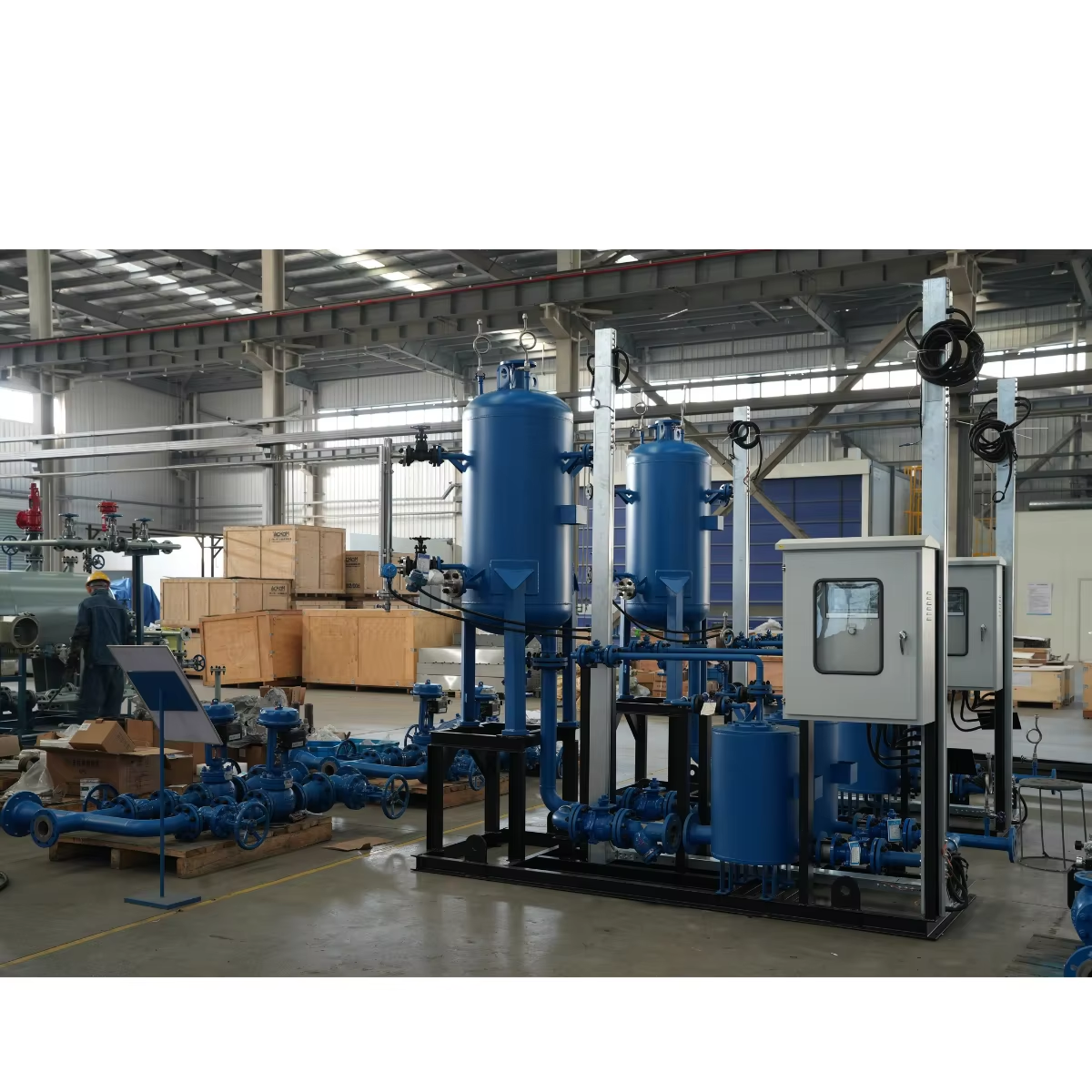
steam separator

Fundamental Mechanisms Behind Steam Separation Enhancement

Physical Separation Principles in Steam Systems

Steam separation technology operates on well-established physical principles that target the removal of water droplets and solid particles from steam flow. The primary mechanism involves creating conditions where centrifugal forces, gravity, and directional flow changes cause heavier moisture particles to separate from the lighter steam molecules. When steam enters a steam separator, the device uses specially designed internal geometries to create turbulence and directional changes that force water droplets to coalesce and collect along separator walls.

The effectiveness of this separation process depends on the velocity differential between steam and moisture particles. Steam moves more rapidly through the system due to its lower density, while water droplets, being significantly heavier, respond more slowly to directional changes. This differential response allows the steam separator to create zones where moisture naturally accumulates and can be drained away, leaving behind dry steam with significantly improved quality.

Modern steam separator designs incorporate multiple separation stages that progressively remove smaller and smaller moisture particles. The initial stage handles large water droplets through basic inertial separation, while subsequent stages use increasingly sophisticated methods to capture fine moisture that could otherwise pass through to downstream equipment and reduce heat transfer efficiency.

Thermodynamic Impact on Heat Transfer Quality

The presence of moisture in steam creates thermodynamic conditions that fundamentally alter heat transfer characteristics in negative ways. Wet steam contains water droplets that absorb latent heat without contributing to the temperature differential needed for effective heat exchange. When a steam separator removes this moisture, it increases the proportion of actual steam molecules available for heat transfer, directly improving the thermal energy density of the working fluid.

Clean, dry steam produced by effective steam separation maintains consistent thermodynamic properties throughout the heat transfer process. This consistency allows heat exchangers to operate at their designed thermal coefficients, ensuring that calculated heat transfer rates match actual performance. Without proper separation, moisture content varies unpredictably, making it impossible to maintain optimal heat transfer conditions and leading to inefficient energy utilization.

The steam separator also prevents the formation of thermal boundary layers that occur when moisture creates uneven temperature distributions across heat transfer surfaces. By ensuring uniform steam quality, separation technology enables more predictable and efficient thermal exchange processes that operate closer to theoretical maximum efficiency levels.

System Efficiency Improvements Through Moisture Control

Energy Loss Prevention and Recovery

Moisture carryover in steam systems represents a significant source of energy waste that compounds throughout the entire thermal process. When water droplets travel with steam to heat exchangers, they absorb thermal energy without providing useful heating capacity, effectively stealing energy that should contribute to the intended heating application. A properly functioning steam separator prevents this energy theft by removing moisture before it can interfere with heat transfer processes.

The energy recovery potential of steam separation extends beyond simple moisture removal. Modern steam separator systems incorporate condensate recovery mechanisms that capture the thermal energy contained in separated water and return it to the system. This recovered energy reduces the overall fuel or electrical input required to maintain system temperatures, directly improving energy efficiency and reducing operational costs.

Statistical analysis of industrial steam systems shows that effective steam separation can improve overall system efficiency by 15-25% in typical applications. This improvement occurs because dry steam transfers heat more efficiently, requires less mass flow to achieve the same heating capacity, and reduces the energy needed to reheat moisture that would otherwise condense and require reheating in downstream processes.

Equipment Protection and Operational Reliability

Steam separator technology provides crucial protection for expensive downstream equipment by preventing moisture-related damage and operational disruptions. When wet steam enters turbines, heat exchangers, or control valves, the water droplets can cause erosion, corrosion, and mechanical stress that reduces equipment lifespan and increases maintenance requirements. By ensuring dry steam delivery, separator systems protect these investments and maintain consistent operational performance.

The reliability benefits of steam separation extend to system control and automation capabilities. Wet steam creates unpredictable flow characteristics and thermal properties that make accurate process control difficult or impossible. Clean, dry steam from effective separator systems provides consistent properties that allow control systems to operate as designed, maintaining stable process conditions and reducing the risk of operational upsets or safety incidents.

Long-term operational data demonstrates that facilities using comprehensive steam separator systems experience significantly fewer unplanned shutdowns related to steam system problems. This reliability improvement translates directly into higher production availability and reduced maintenance costs, making steam separation an investment that pays for itself through improved operational efficiency and reduced downtime expenses.

Heat Transfer Optimization Through Steam Quality Management

Surface Area Utilization and Thermal Conductivity

The quality of steam delivered to heat transfer equipment directly affects how efficiently thermal energy moves from the heating medium to the process fluid or material being heated. When moisture is present in steam, it creates an insulating layer on heat transfer surfaces that reduces thermal conductivity and blocks access to available surface area. A steam separator eliminates this problem by ensuring that only dry steam contacts heat transfer surfaces, maximizing the effective thermal conductivity of the interface.

Clean steam from effective separation systems maintains direct molecular contact with heat transfer surfaces, enabling the rapid energy exchange that occurs during phase change from steam to condensate. This direct contact maximizes the utilization of expensive heat exchanger surface area, ensuring that investments in heat transfer equipment deliver their designed thermal performance rather than operating at reduced efficiency due to moisture interference.

The impact on thermal conductivity becomes particularly significant in high-temperature applications where even small improvements in heat transfer efficiency translate into substantial energy savings. Steam separator systems that maintain consistently dry steam enable heat exchangers to operate closer to their theoretical maximum effectiveness, delivering more heat transfer capacity per unit of heat exchanger investment and per unit of steam consumption.

Flow Dynamics and Thermal Distribution

Moisture in steam creates complex flow patterns that disrupt the uniform thermal distribution needed for optimal heat transfer performance. Water droplets travel at different velocities than steam molecules, creating turbulence and flow irregularities that prevent consistent thermal contact between steam and heat transfer surfaces. Steam separator technology eliminates these flow disruptions by removing the moisture that causes uneven thermal distribution patterns.

The improved flow characteristics of separated steam enable more predictable and controllable heat transfer processes. Uniform steam quality means that thermal energy density remains constant throughout the heat exchanger, allowing for more precise temperature control and more efficient energy utilization. This consistency is particularly important in processes that require tight temperature tolerances or where thermal uniformity affects product quality.

Advanced steam separator designs also contribute to improved flow dynamics by conditioning steam flow patterns before steam enters heat transfer equipment. By creating laminar flow conditions and removing turbulence-causing moisture, these systems enable heat exchangers to operate at their designed flow coefficients and thermal transfer rates, maximizing the return on heat transfer equipment investments.

Economic and Performance Benefits of Steam Separation

Fuel and Energy Cost Reduction

The implementation of effective steam separator systems generates measurable reductions in fuel and energy consumption that directly impact operational profitability. When steam systems operate with proper moisture separation, they require less total steam generation to achieve the same heating capacity, reducing boiler fuel consumption and associated emissions. This efficiency improvement compounds over time, creating substantial cost savings that often justify steam separator investments within the first year of operation.

Energy cost analysis shows that facilities using comprehensive steam separator systems typically experience 10-20% reductions in steam generation requirements for equivalent heating output. This reduction occurs because dry steam transfers heat more efficiently, requiring less mass flow to deliver the same thermal energy to processes. The cumulative effect of these efficiency gains becomes particularly significant in energy-intensive industrial applications where steam costs represent a major portion of operational expenses.

The economic benefits extend beyond direct fuel savings to include reduced electrical consumption for pumps, fans, and control systems. When steam separator technology enables more efficient heat transfer, ancillary equipment operates under less stress and with better performance characteristics, reducing overall facility energy consumption and contributing to improved environmental sustainability metrics.

Maintenance Cost Optimization and System Longevity

Steam separator systems contribute to significant maintenance cost reductions by protecting expensive downstream equipment from moisture-related damage and operational stress. Heat exchangers, turbines, and piping systems that receive clean, dry steam experience less erosion, corrosion, and thermal cycling stress, extending their operational lifespan and reducing replacement frequency. These equipment protection benefits often represent the largest economic advantage of steam separation technology.

The reduction in unplanned maintenance events provides additional economic benefits through improved production availability and reduced emergency repair costs. Facilities that implement effective steam separator systems report fewer steam-related equipment failures and longer intervals between major maintenance activities. This reliability improvement enables better maintenance planning and reduces the total cost of ownership for steam system equipment.

Long-term economic analysis demonstrates that steam separator investments typically generate positive returns through combined energy savings and maintenance cost reductions. The payback period for quality steam separator systems ranges from 6 months to 2 years depending on system size and operating conditions, making this technology one of the most cost-effective efficiency improvements available for industrial steam applications.

FAQ

How much can a steam separator improve overall system efficiency?

A properly designed and installed steam separator can improve overall system efficiency by 15-25% in typical industrial applications. The exact improvement depends on the initial moisture content of the steam, system operating conditions, and the quality of the separator equipment. Systems with higher initial moisture content generally see larger efficiency gains from effective separation technology.

What maintenance is required for steam separator systems?

Steam separator systems require minimal maintenance when properly installed and operated. Typical maintenance includes periodic inspection of drain traps, cleaning of internal separation elements if accessible, and verification of proper condensate drainage. Most modern steam separator designs are self-cleaning and require only annual inspection and basic preventive maintenance to maintain optimal performance.

Can steam separators work effectively at different pressure levels?

Yes, steam separators can be designed to operate effectively across a wide range of pressure conditions, from low-pressure heating applications to high-pressure industrial processes. The separator design must be matched to the specific pressure and flow conditions of the application, but the fundamental separation principles work effectively at pressures ranging from near-atmospheric to several hundred PSI.

How quickly do steam separator improvements show measurable results?

The benefits of steam separator installation are typically measurable within days of proper system startup. Energy consumption monitoring will show reduced steam generation requirements almost immediately, while heat transfer efficiency improvements become apparent as soon as separated steam begins reaching heat transfer equipment. Full economic benefits usually become clear within the first month of operation as operational patterns stabilize with the improved steam quality.