EN
EN

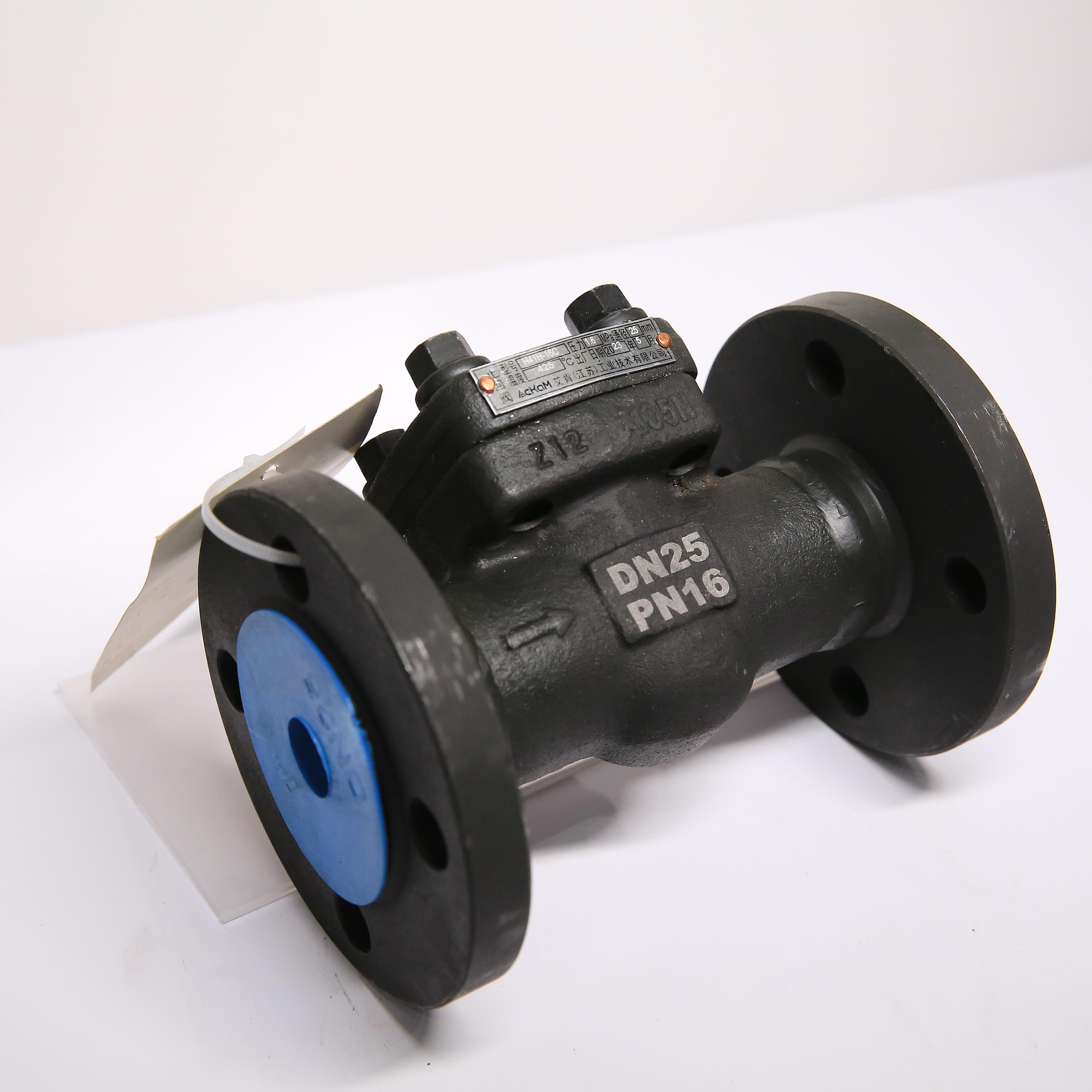
Промышленные обратные клапаны являются критически важными устройствами для одностороннего регулирования потока, предотвращающими обратный ход рабочей среды в трубопроводных системах, защищая оборудование и обеспечивая целостность технологического процесса. Когда эти ключевые компоненты подвергаются утечкам или полному отказу, последствия могут варьироваться от незначительных потерь эффективности до катастрофических повреждений системы, поэтому понимание механизмов отказа имеет первостепенное значение для промышленных операций.
Основные причины утечек и отказов обратных клапанов связаны с несколькими взаимосвязанными факторами, включая деградацию материалов, неправильный монтаж, недостаточные практики технического обслуживания и сложные условия эксплуатации. Каждый механизм отказа обратного клапана проявляется в виде специфических симптомов и характерных закономерностей развития, которые промышленные специалисты должны распознавать для реализации эффективных профилактических мер и поддержания надёжной работы системы. 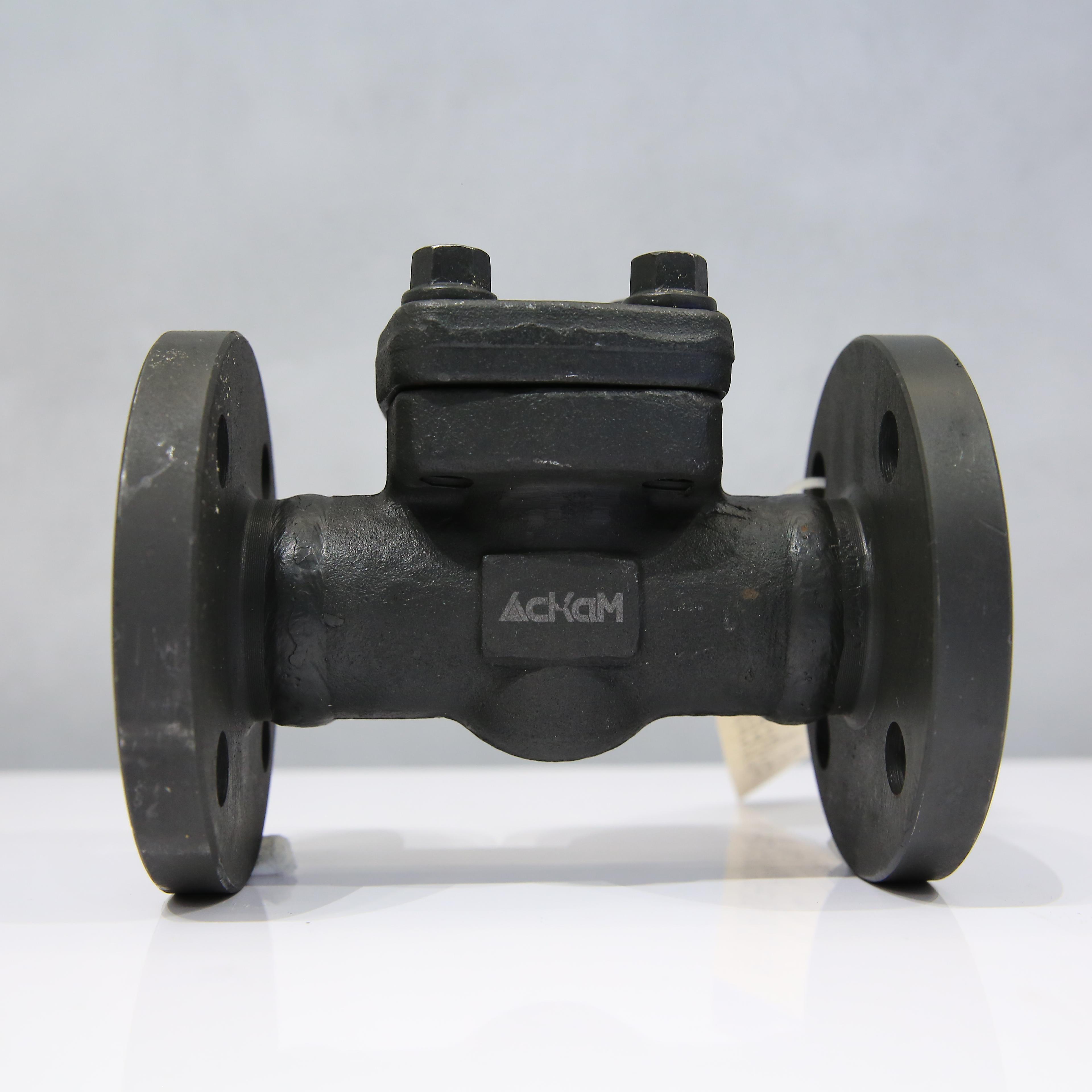
Механический износ и старение компонентов
Паттерны эрозии седла и затвора
Уплотнительный интерфейс между диском и седлом представляет собой наиболее критическую точку износа в любой конструкции обратного клапана. Поток жидкости высокой скорости создаёт эрозионные силы, постепенно удаляющие материал с обеих уплотнительных поверхностей и нарушающие герметичность, необходимую для безупречной работы без протечек. Эта эрозия обычно проявляется в виде шероховатости поверхности, язвин или полного удаления материала в зонах интенсивного износа.
Абразивные частицы, присутствующие во встречном потоке, ускоряют деградацию седла и диска за счёт абразивного действия при работе клапана. Степень такого эрозионного износа зависит от твёрдости частиц, их концентрации, скорости потока жидкости, а также частоты циклов открытия и закрытия обратного клапана. Даже микроскопические несовершенства на уплотнительных поверхностях могут стать причиной возникновения путей утечки, которые со временем усугубляются.
Выбор материала играет ключевую роль в обеспечении стойкости к эрозии: как правило, более твёрдые материалы обеспечивают лучшую долговечность при абразивном износе. Однако оптимальный баланс между твёрдостью и другими свойствами — такими как коэффициент теплового расширения, коррозионная стойкость и себестоимость производства — требует тщательного инженерного анализа для каждого конкретного применения.
Неисправности пружинного и шарнирного механизмов
Обратные клапаны с пружинным приводом полагаются на точное усилие пружины для обеспечения необходимой силы уплотнения и требуемых динамических характеристик. Деградация пружины происходит вследствие усталостного циклирования, коррозии и релаксации напряжений в течение длительных периодов эксплуатации. При недостаточном усилии пружины обратный клапан может не закрываться полностью или реагировать слишком медленно, что приводит к невозможности предотвратить обратный поток.
Износ штифта шарнира в обратных клапанах поворотного типа создаёт ещё один распространённый механизм отказа. Постоянное поворотное движение под воздействием переменных нагрузок постепенно изнашивает шарнирные компоненты, что приводит к увеличению зазоров, нарушению соосности и, в конечном счёте, заклиниванию. Недостаточная смазка ускоряет этот процесс износа, особенно в высокотемпературных условиях, где смазочные материалы могут разлагаться или испаряться.
Коррозия материалов пружин представляет серьёзную угрозу в химически агрессивных средах. Стандартные пружины из углеродистой стали могут быстро разрушаться при контакте с кислотными или щелочными технологическими жидкостями, что приводит к обрыву пружины и полному отказу обратного клапана. Такое разрушение зачастую происходит внутри клапана, где визуальный осмотр невозможен без его демонтажа.
Проблемы монтажа и проектирования системы
Неправильная ориентация и подбор размера клапана
Неправильный монтаж обратного клапана является одной из основных причин преждевременного отказа и проблем с эксплуатационными характеристиками. Установка клапана обратный клапан установка в неправильном направлении потока препятствует правильной работе и может привести к немедленному повреждению внутренних компонентов. Даже незначительное несоосное расположение создаёт неравномерную нагрузку на уплотнительные поверхности, ускоряя износ.
Обратные клапаны недостаточного размера испытывают чрезмерное падение давления и повышенную скорость потока, что приводит к увеличению скорости эрозии и возможному кавитационному повреждению. Высокие скорости потока через клапаны недостаточного размера создают турбулентные режимы течения, вызывающие дополнительные напряжения в компонентах клапана и сокращающие срок службы. Напротив, клапаны избыточного размера могут не обеспечивать достаточной скорости потока для полного открытия, что вызывает вибрацию («дребезг») и преждевременный износ.
Вертикальная установка поворотных обратных клапанов без надлежащего учёта влияния силы тяжести может привести к снижению эффективности уплотнения. Вес диска должен действовать совместно с давлением потока для обеспечения надёжного закрытия, поэтому ориентация является критически важным конструктивным фактором, влияющим на долгосрочную надёжность и предотвращение утечек.
Напряжения в трубопроводе и тепловые воздействия
Чрезмерное напряжение в трубопроводе, передаваемое корпусу обратного клапана, может вызвать деформацию уплотнительных поверхностей и заклинивание подвижных компонентов. Тепловое расширение и сжатие в соединенных трубопроводных системах создают значительные силы, которые могут превышать конструкционные пределы клапана. Недостаточная конструкция опор трубопровода усугубляет эти проблемы, концентрируя напряжения в точках соединения клапана.
Быстрые изменения температуры создают условия теплового удара, способные вызвать трещины в корпусе клапана или дифференциальное расширение между разнородными материалами. Обратные клапаны из чугуна особенно чувствительны к тепловому удару, тогда как конструкции из нержавеющей стали, как правило, обладают лучшей стойкостью к циклическим тепловым воздействиям. Несоответствие коэффициентов теплового расширения между корпусом клапана и внутренними компонентами также может приводить к заклиниванию, препятствующему правильной работе клапана.
Недостаточное учет при проектировании трубопроводной системы компенсации теплового расширения приводит к постоянным механическим напряжениям в соединениях обратного клапана. Такая хроническая нагрузка может вызывать усталостные разрушения корпусов клапанов, фланцев или резьбовых соединений в течение длительных периодов эксплуатации. Правильное размещение компенсаторов и грамотная трассировка трубопроводов позволяют свести к минимуму эти разрушительные силы.
Проблемы, связанные с условиями эксплуатации
Гидроудар и скачки давления
Внезапные изменения направления потока в трубопроводных системах вызывают скачки давления, подвергая обратные клапаны экстремальным уровням механических напряжений. Явления гидроудара порождают импульсы давления, которые могут превышать нормальное рабочее давление в несколько раз и потенциально приводить как к немедленному повреждению клапана, так и к ускорению процессов усталостного разрушения. Быстрые изменения давления заставляют внутренние компоненты перемещаться с высокой скоростью, увеличивая ударные нагрузки и интенсивность износа.
Ударное закрытие обратного клапана возникает, когда затвор закрывается слишком быстро при реверсировании потока, создавая ударные нагрузки, которые повреждают как сам клапан, так и соединённые с ним трубопроводы. Это явление особенно проблематично в длинных трубопроводах, где импульс движущихся столбов жидкости создаёт значительную кинетическую энергию, которую необходимо поглотить при закрытии обратного клапана. Правильный анализ гидроударов и выбор клапана позволяют свести к минимуму эти разрушительные силы.
Последовательности пуска и останова насоса зачастую создают сложные эксплуатационные условия для обратных клапанов. Переход от статического к динамическому режиму течения может вызывать дребезжание клапана, при котором затвор многократно открывается и закрывается в ответ на колебания давления. Такое колебательное движение ускоряет износ и может привести к усталостному разрушению элементов клапана.
Коррозия и химическая совместимость
Химическая несовместимость между материалами клапанов и технологическими жидкостями является одной из основных причин отказа обратных клапанов в промышленных применениях. Коррозионное воздействие ослабляет компоненты клапана, создаёт пути утечки за счёт потери материала и может привести к внезапному катастрофическому отказу. Процесс коррозии зачастую начинается в местах концентрации напряжений — например, в резьбовых соединениях, сварных швах или зонах высокоскоростного потока.
Гальваническая коррозия возникает, когда разнородные металлы в составе обратного клапана образуют гальванические элементы в присутствии электропроводящих технологических жидкостей. Этот ускоренный коррозионный процесс преимущественно поражает менее благородный металл, что может привести к быстрому отказу критически важных компонентов. Правильный подбор материалов и применение методов изоляции позволяют предотвратить такие гальванические взаимодействия.
Коррозионное растрескивание под напряжением, вызванное хлоридами, поражает обратные клапаны из нержавеющей стали в определённых химических средах. Этот скрытый механизм разрушения может привести к внезапному разрушению компонентов клапана без явных предупреждающих признаков. Температура, концентрация хлоридов и остаточные напряжения влияют на склонность к такому типу коррозионного разрушения.
Факторы обслуживания и эксплуатации
Недостаточные программы осмотра и технического обслуживания
Откладывание технического обслуживания позволяет незначительным неисправностям обратных клапанов перерасти в серьёзные аварии, которые можно было бы предотвратить своевременным вмешательством. Многие промышленные предприятия рассматривают обратные клапаны как компоненты, не требующие технического обслуживания, не осознавая, что эти устройства нуждаются в периодическом осмотре и сервисном обслуживании для обеспечения надёжной работы. Такое пренебрежение приводит к постепенному ухудшению состояния, которое в конечном итоге вызывает утечки или полный отказ.
Отсутствие надлежащих диагностических инструментов и методов препятствует раннему выявлению развивающихся проблем с обратными клапанами. Без регулярного контроля рабочих характеристик операторы остаются в неведении относительно постепенного ухудшения функционирования клапанов до тех пор, пока отказ не станет очевидным вследствие внешней утечки или нарушения работы системы. Современные диагностические методы позволяют выявить внутренний износ, заклинивание или частичный отказ до того, как они приведут к проблемам в системе.
Недостаточный запас запасных частей и несовершенные процедуры технического обслуживания приводят к длительному простою при отказе обратного клапана. Срочная необходимость восстановить работу системы может побудить к выполнению неподходящих временных ремонтов или установке несовместимых заменяющих клапанов, что создаёт новые механизмы отказа. Правильное планирование технического обслуживания включает как профилактические мероприятия, так и протоколы реагирования в чрезвычайных ситуациях.
Нарушение эксплуатационных параметров
Превышение предельных температур проектирования приводит к ускоренному старению компонентов обратного клапана вследствие изменения свойств материалов, деградации уплотнений и термических напряжений. Высокие температуры снижают прочность металлических компонентов и одновременно вызывают затвердевание эластомерных уплотнений с потерей их герметизирующей способности. Эти эффекты в совокупности повышают интенсивность утечек и снижают общую надёжность клапана.
Эксплуатация при давлениях, превышающих расчётные значения, создаёт условия перенапряжения, которые могут вызвать как немедленный отказ, так и снижение долгосрочной надёжности. Коэффициенты запаса прочности, заложенные в конструкцию обратных клапанов, обеспечивают ограниченную защиту от редких кратковременных превышений давления, однако повторяющиеся события перегрузки по давлению приводят к накоплению повреждений, в конечном счёте заканчивающихся отказом. Системы аварийного сброса давления помогают защитить клапаны от чрезмерных рабочих давлений.
Нарушения расхода, как превышающие, так и ниже проектных значений, создают рабочие условия, с которыми обратные клапаны не были рассчитаны на работу. Избыточный расход усиливает эрозию и повышает перепад давления, тогда как недостаточный расход может препятствовать правильной работе клапана. Понимание и поддержание надлежащих эксплуатационных параметров являются обязательными для достижения ожидаемого срока службы клапана.
ЧаВО
Каковы наиболее распространённые признаки предстоящего отказа обратного клапана?
Наиболее распространёнными ранними признаками являются необычные шумы в процессе работы — например, дребезжание или стук, видимая внешняя утечка в местах соединения клапана, снижение эффективности системы, указывающее на внутреннюю утечку, а также нехарактерная вибрация в подключённых трубопроводах. Обнаружение реверса потока посредством мониторинга давления также может свидетельствовать о неисправности обратного клапана до наступления полного отказа.
Как часто промышленные обратные клапаны следует проверять на наличие потенциальных проблем?
Частота осмотров зависит от условий эксплуатации, типа клапана и степени критичности применения. Как правило, обратные клапаны, работающие в тяжёлых условиях, следует проверять каждые 6–12 месяцев, тогда как клапаны, эксплуатируемые в умеренных условиях, могут требовать осмотра раз в 1–2 года. Для критичных применений может потребоваться непрерывный мониторинг с помощью автоматизированных диагностических систем для немедленного выявления неисправностей.
Можно ли предотвратить отказы обратных клапанов за счёт правильного выбора материалов?
Правильный выбор материалов значительно снижает частоту отказов, обеспечивая совместимость с технологическими условиями, включая температуру, давление и химическую среду. Однако один лишь выбор материалов не способен предотвратить все механизмы отказов, такие как механический износ, неправильный монтаж или нарушение эксплуатационных параметров. Для достижения оптимальной надёжности требуется комплексный подход, включающий правильное проектирование, монтаж и техническое обслуживание.
Какую роль играет проектирование системы в обеспечении долговечности обратного клапана?
Конструкция системы играет ключевую роль в работе обратного клапана, поскольку она определяет эксплуатационные нагрузки, характер потока и условия окружающей среды. Правильный подбор диаметра труб, проектирование опор, защита от гидравлических ударов и компенсация теплового расширения способствуют увеличению срока службы клапана. Недостатки в проектировании системы могут привести к преждевременному выходу клапана из строя независимо от его качества и применяемых мер по техническому обслуживанию.
Содержание
- Механический износ и старение компонентов
- Проблемы монтажа и проектирования системы
- Проблемы, связанные с условиями эксплуатации
- Факторы обслуживания и эксплуатации
-
ЧаВО
- Каковы наиболее распространённые признаки предстоящего отказа обратного клапана?
- Как часто промышленные обратные клапаны следует проверять на наличие потенциальных проблем?
- Можно ли предотвратить отказы обратных клапанов за счёт правильного выбора материалов?
- Какую роль играет проектирование системы в обеспечении долговечности обратного клапана?