Professional Adjustable Pressure Reducing Valve Solutions - Advanced Pressure Control Technology

All Categories

Get a Free Quote

Our representative will contact you soon.
Email
Name
Company Name
Message
0/1000

adjustable pressure reducing valve

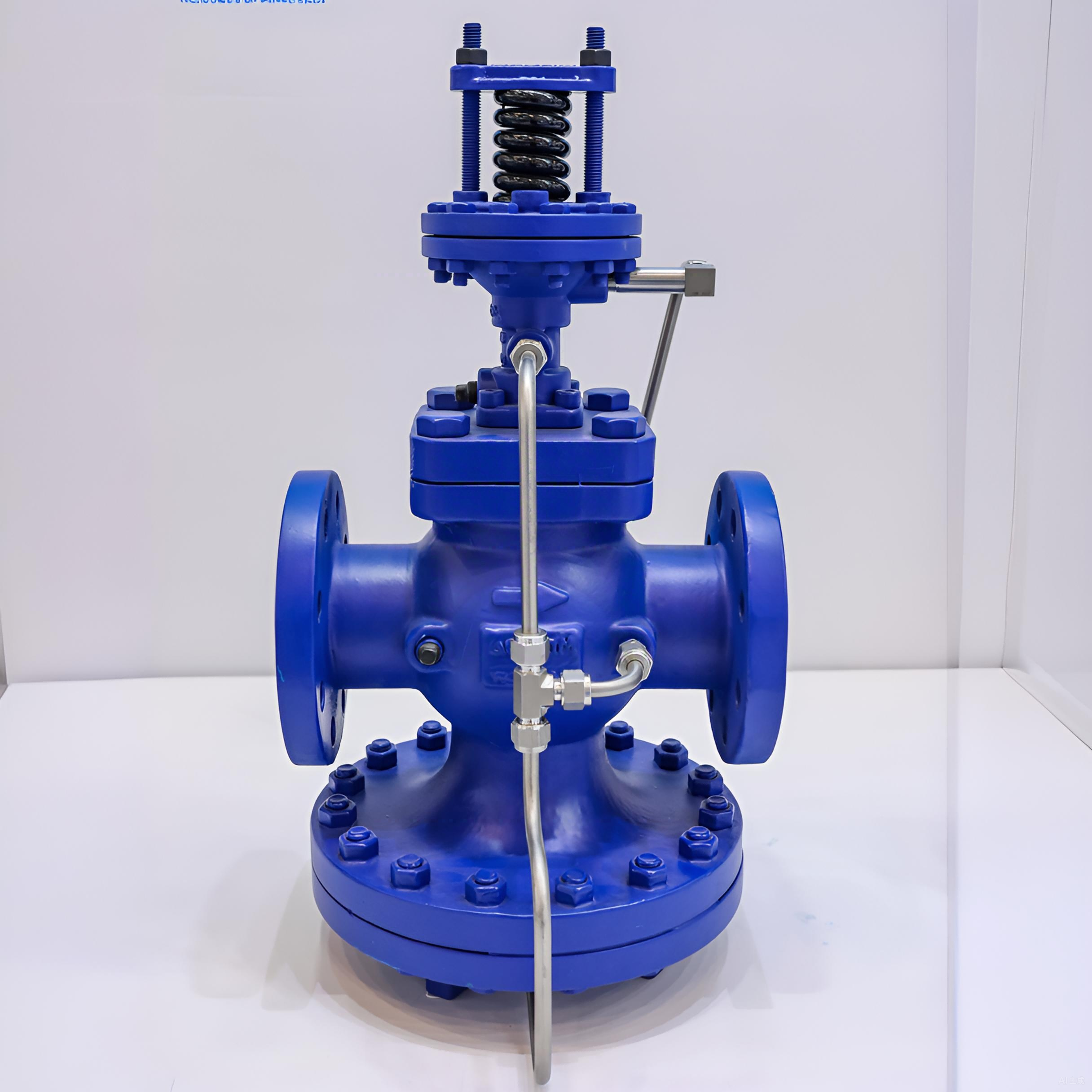
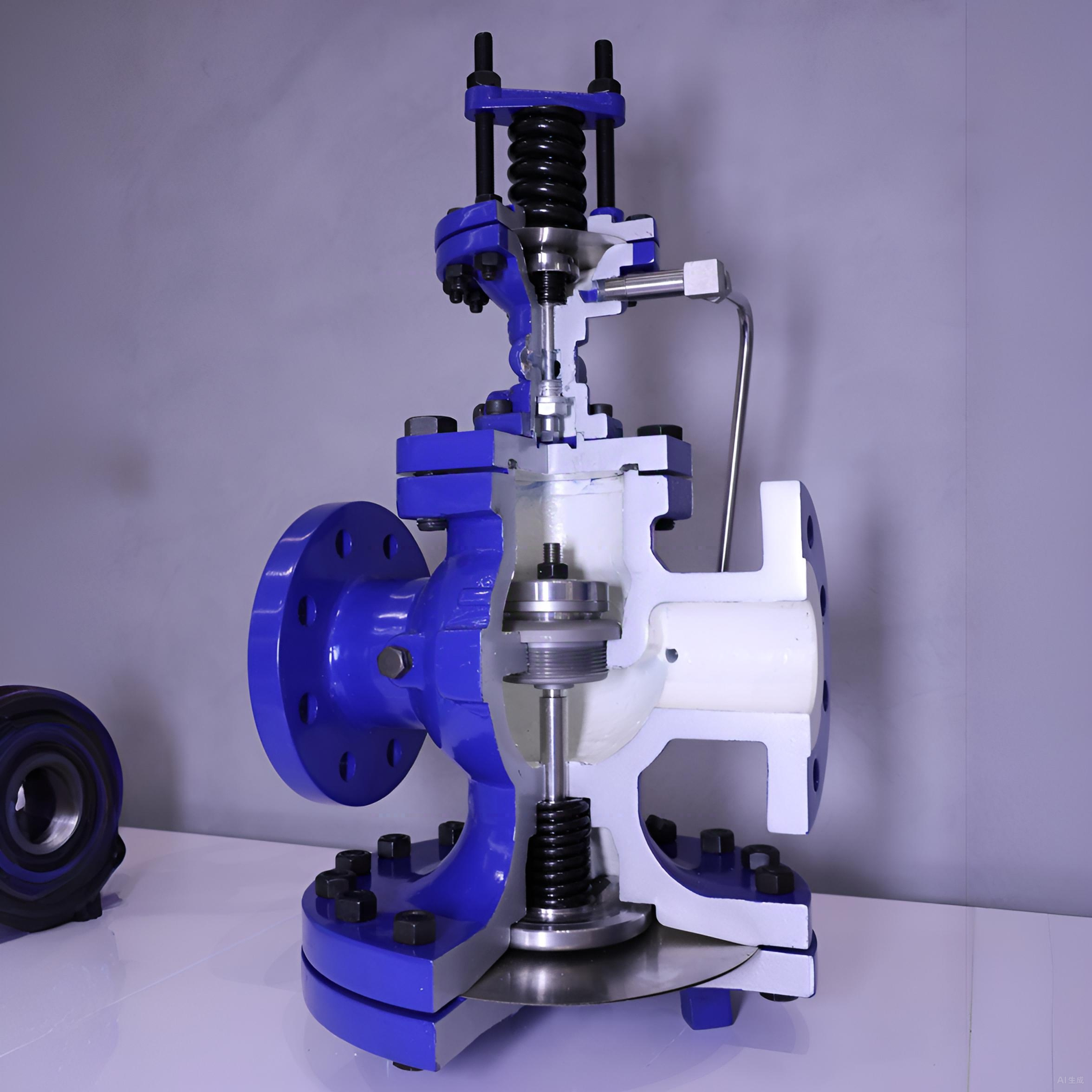
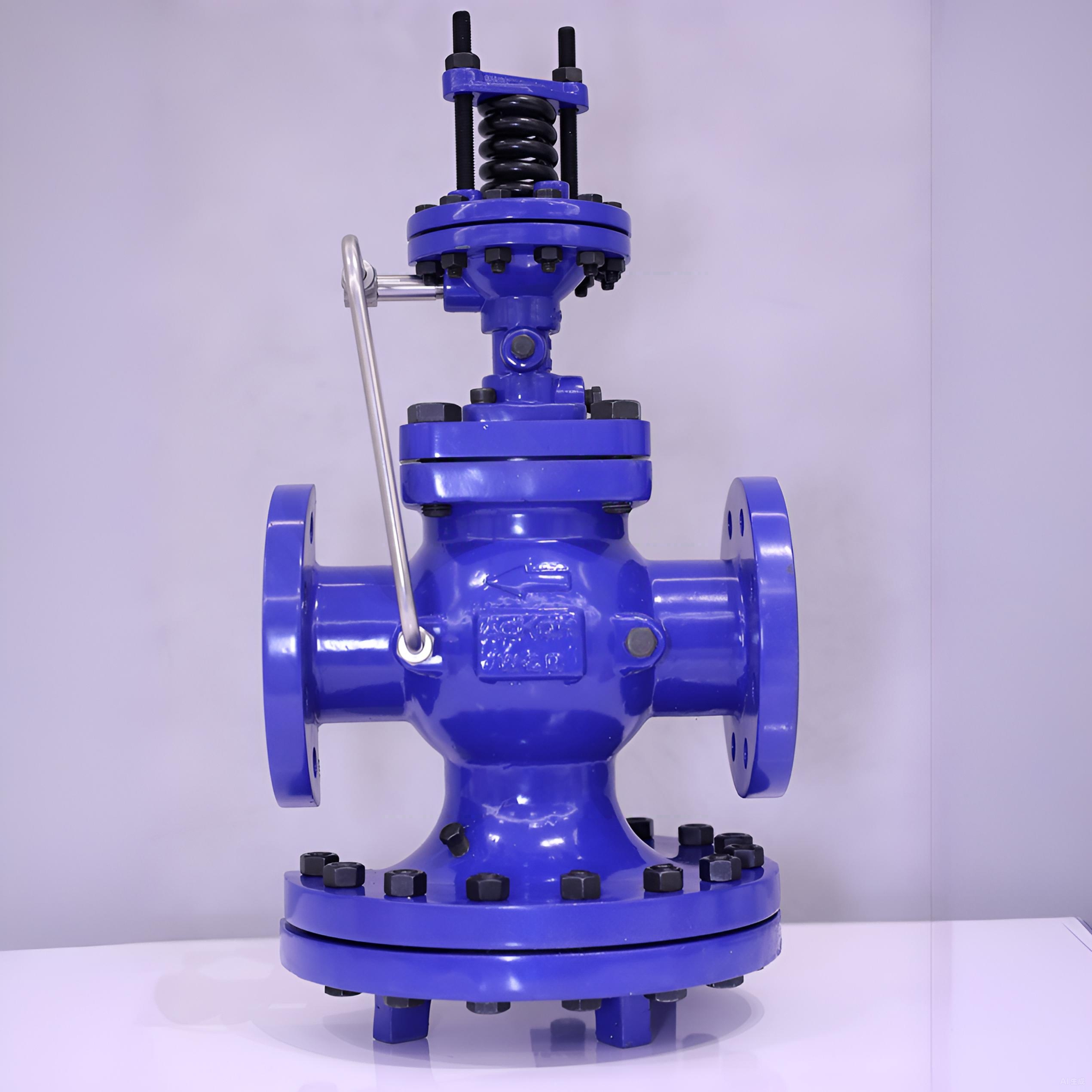
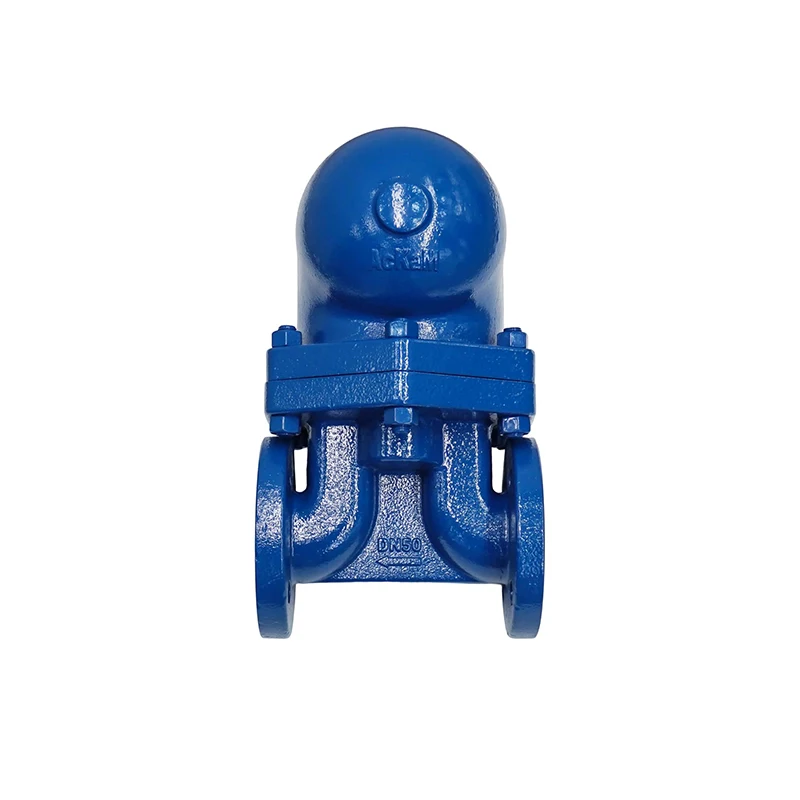
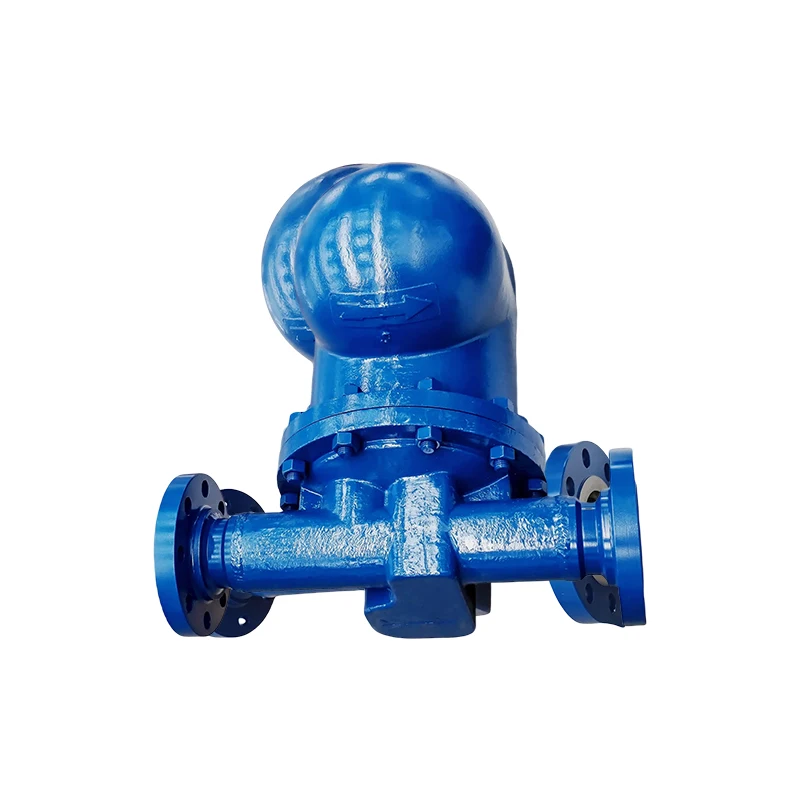
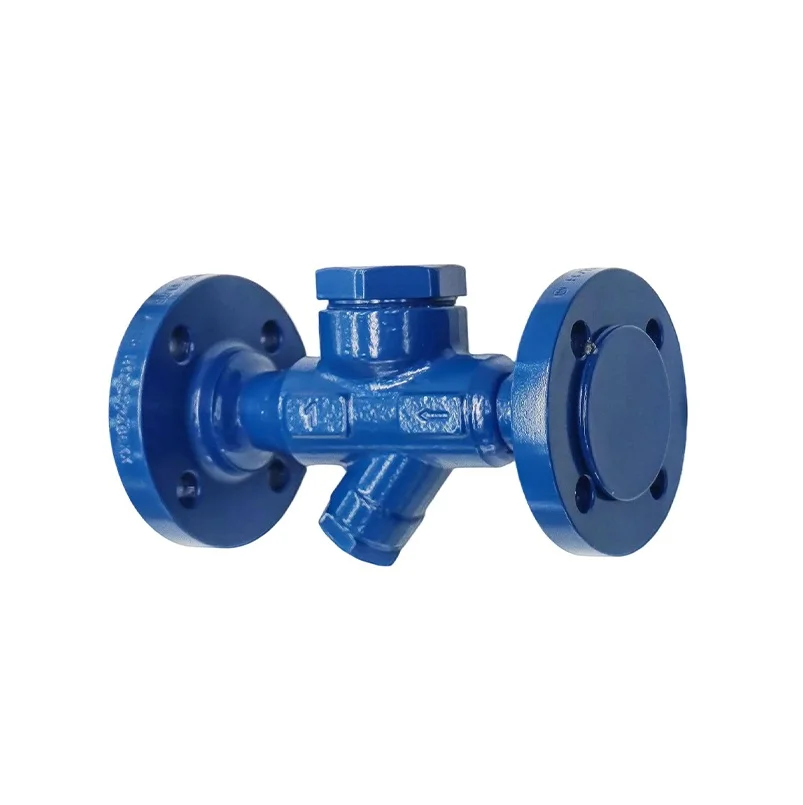
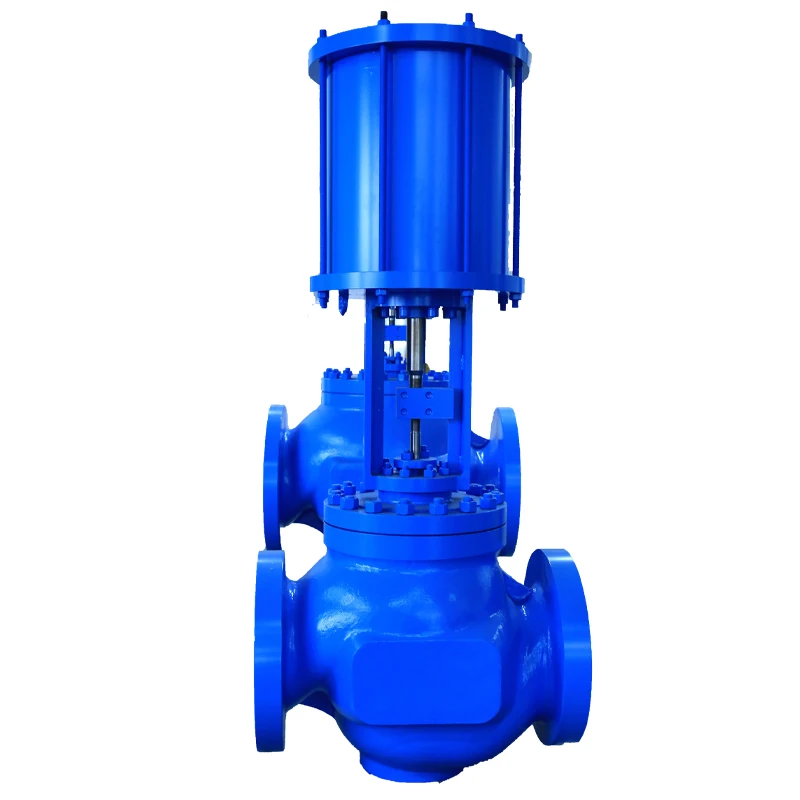
An adjustable pressure reducing valve is a sophisticated fluid control device designed to maintain consistent downstream pressure regardless of fluctuating upstream conditions. This essential component serves as a pressure regulator, automatically reducing high inlet pressure to a predetermined, stable outlet pressure level. The adjustable pressure reducing valve operates through a spring-loaded diaphragm mechanism that responds to pressure variations, opening and closing the valve seat to maintain optimal flow control. The primary function of an adjustable pressure reducing valve involves protecting downstream equipment from excessive pressure that could cause damage or inefficient operation. By maintaining steady pressure levels, this valve ensures consistent performance across entire piping systems. The technological features of modern adjustable pressure reducing valve units include precision-machined components, corrosion-resistant materials, and advanced sealing systems that provide long-lasting reliability. These valves incorporate adjustable spring tension mechanisms that allow operators to fine-tune pressure settings according to specific application requirements. The internal design features a balanced piston or diaphragm assembly that responds instantaneously to pressure changes, ensuring rapid correction of any deviations from set parameters. Applications for adjustable pressure reducing valve systems span numerous industries including municipal water distribution, industrial process control, HVAC systems, and residential plumbing installations. In water treatment facilities, these valves regulate pressure throughout distribution networks, preventing pipe bursts and ensuring consistent service delivery. Manufacturing plants utilize adjustable pressure reducing valve technology to maintain precise pressure requirements for production processes, while commercial buildings depend on these devices for proper heating and cooling system operation. The versatility of adjustable pressure reducing valve designs allows customization for specific pressure ranges, flow rates, and environmental conditions, making them indispensable components in modern fluid handling systems.
New Product Releases

The adjustable pressure reducing valve offers substantial cost savings by preventing expensive equipment damage caused by excessive pressure conditions. When pressure levels exceed equipment tolerances, pumps, fixtures, and other system components can fail prematurely, resulting in costly repairs and replacements. By installing an adjustable pressure reducing valve, facility managers protect their investments and extend equipment lifespan significantly. The energy efficiency benefits of adjustable pressure reducing valve systems translate directly into reduced operational expenses. Lower pressure requirements mean pumps work less intensively, consuming less electricity while delivering the same performance levels. This efficiency improvement becomes particularly valuable in large-scale operations where energy costs represent major budget items. The precise control capabilities of adjustable pressure reducing valve units ensure optimal system performance across varying demand conditions. Unlike fixed pressure systems that waste energy during low-demand periods, adjustable mechanisms adapt automatically to actual requirements. This dynamic response eliminates energy waste while maintaining adequate pressure for peak demand situations. Installation versatility represents another significant advantage of adjustable pressure reducing valve technology. These devices accommodate various pipe sizes, pressure ranges, and flow requirements without extensive system modifications. The straightforward installation process reduces labor costs and minimizes system downtime during implementation. Maintenance requirements for adjustable pressure reducing valve systems remain minimal compared to complex electronic control alternatives. The mechanical design relies on proven engineering principles that require only periodic inspection and occasional adjustment. This simplicity reduces ongoing maintenance expenses while ensuring reliable long-term operation. The safety benefits of adjustable pressure reducing valve installations cannot be overstated. Excessive pressure creates dangerous conditions that can lead to pipe failures, equipment explosions, and personal injury. By maintaining safe pressure levels consistently, these valves protect both personnel and property from pressure-related hazards. The improved water quality achieved through proper pressure control enhances user satisfaction and reduces complaints. Excessive pressure can cause turbulence and sediment disruption that affects water clarity and taste. Adjustable pressure reducing valve systems maintain steady flow conditions that preserve water quality throughout distribution networks. The scalability of adjustable pressure reducing valve solutions allows gradual system expansion without major infrastructure changes. As facilities grow and demand increases, operators can simply adjust pressure settings or add additional valve stations to accommodate new requirements.

Latest News

Soaring to New Heights: AcKaM Industrial Surges in Billion-Dollar Market with 200% H1 Sales Growth

04

Nov

Soaring to New Heights: AcKaM Industrial Surges in Billion-Dollar Market with 200% H1 Sales Growth

View More
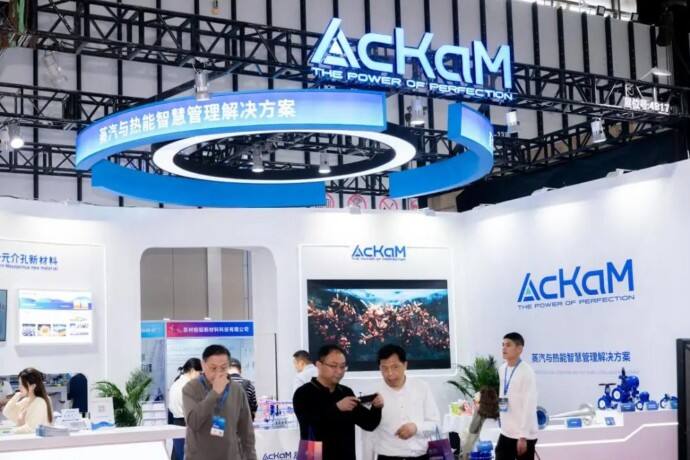
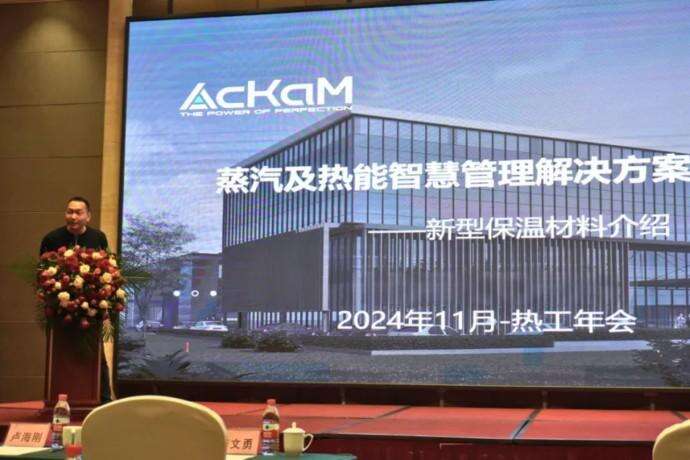
Innovation in Thermal Insulation Technology! AcKaM Delivers Keynote Speech at 2024 National Thermal Engineering Conference

05

Nov

Innovation in Thermal Insulation Technology! AcKaM Delivers Keynote Speech at 2024 National Thermal Engineering Conference

View More
AcKaM: Riding the Trillion-Yuan Wave to Pioneer Innovation

04

Nov

AcKaM: Riding the Trillion-Yuan Wave to Pioneer Innovation

View More

Get a Free Quote

Our representative will contact you soon.
Email
Name
Company Name
Message
0/1000

adjustable pressure reducing valve

Superior Pressure Regulation Technology

Superior Pressure Regulation Technology

The adjustable pressure reducing valve incorporates advanced pressure regulation technology that delivers unmatched precision and reliability in fluid system management. This sophisticated mechanism utilizes a spring-loaded diaphragm assembly that responds instantaneously to pressure fluctuations, automatically adjusting valve position to maintain preset downstream pressure levels. The technology behind adjustable pressure reducing valve systems represents decades of engineering refinement, combining mechanical reliability with precise hydraulic control principles. The core advantage of this pressure regulation technology lies in its ability to handle wide pressure variations while maintaining stable output conditions. Unlike basic pressure reduction methods that provide only rough approximations, the adjustable pressure reducing valve delivers exact pressure control within tight tolerances. This precision becomes crucial in applications where even minor pressure variations can affect product quality or equipment performance. The self-regulating nature of adjustable pressure reducing valve technology eliminates the need for external power sources or complex electronic controls. The mechanical design harnesses the energy present in the flowing fluid itself to operate the regulatory mechanism, ensuring continuous operation even during power outages or control system failures. This inherent reliability makes adjustable pressure reducing valve systems ideal for critical applications where consistent pressure control cannot be compromised. The durability of this pressure regulation technology stems from robust materials selection and precision manufacturing processes. High-grade stainless steel components resist corrosion and wear, while engineered sealing systems prevent leakage and maintain performance over extended service periods. The adjustable pressure reducing valve design incorporates redundant safety features that prevent overpressure conditions even if primary regulatory components experience wear or damage. Modern adjustable pressure reducing valve technology includes built-in pressure monitoring capabilities that allow operators to verify performance and detect potential issues before they impact system operation. These monitoring features provide valuable data for preventive maintenance scheduling and system optimization, helping facilities maximize the return on their pressure control investments.
Versatile Installation and Configuration Options

Versatile Installation and Configuration Options

The adjustable pressure reducing valve offers exceptional installation flexibility that accommodates diverse system configurations and operational requirements. This versatility stems from comprehensive size ranges, connection options, and mounting orientations that suit virtually any piping application. The modular design approach of adjustable pressure reducing valve systems allows seamless integration into existing infrastructure without requiring extensive modifications or system redesign. Standard adjustable pressure reducing valve models accommodate pipe sizes ranging from small residential connections to large industrial mains, ensuring appropriate solutions for every scale of operation. The connection variety includes threaded, flanged, and grooved options that match existing piping systems perfectly. This compatibility eliminates the need for expensive adapters or transition fittings that complicate installations and create potential failure points. The orientation flexibility of adjustable pressure reducing valve designs permits horizontal, vertical, or angled installations based on available space and piping layouts. Installation crews appreciate the straightforward mounting requirements that reduce labor time and complexity compared to alternative pressure control methods. The adjustable pressure reducing valve typically requires only standard tools and basic plumbing skills, making installation accessible to qualified technicians without specialized training. Clear installation guidelines and comprehensive documentation ensure proper setup procedures that maximize performance and longevity. The configuration options available with adjustable pressure reducing valve systems extend beyond basic installation parameters to include customizable pressure ranges and flow characteristics. Operators can specify exact pressure reduction ratios, maximum flow capacities, and response sensitivity to match precise application requirements. This customization capability ensures optimal performance across diverse operating conditions without compromising efficiency or reliability. Field adjustment capabilities allow fine-tuning of adjustable pressure reducing valve performance after installation without removing the device from service. Simple adjustment procedures enable operators to modify pressure settings as system requirements change or evolve over time. This adaptability extends the useful life of installations and provides excellent return on investment through continued relevance as facilities expand or modify their operations.
Economic Benefits and Long-Term Value

Economic Benefits and Long-Term Value

The adjustable pressure reducing valve delivers substantial economic benefits that extend far beyond initial purchase costs, providing exceptional long-term value through reduced maintenance expenses, energy savings, and equipment protection. The financial advantages of implementing adjustable pressure reducing valve technology become apparent immediately through decreased utility bills and extended equipment lifecycles. Energy consumption reductions represent the most significant economic benefit of adjustable pressure reducing valve installations. By maintaining optimal pressure levels throughout distribution systems, these devices eliminate the energy waste associated with excessive pressure conditions. Pumping systems operate more efficiently when working against properly regulated pressure, consuming less electricity while delivering equivalent service levels. The cumulative energy savings from adjustable pressure reducing valve systems often recover initial investment costs within the first year of operation, particularly in large-scale applications with substantial energy demands. Equipment protection benefits provided by adjustable pressure reducing valve technology prevent costly premature failures that plague unregulated pressure systems. Excessive pressure causes accelerated wear on pumps, fixtures, seals, and other system components, leading to frequent repairs and replacements. The consistent pressure conditions maintained by adjustable pressure reducing valve installations dramatically extend equipment service life, reducing replacement frequency and associated costs. This protection becomes particularly valuable for expensive specialized equipment that would be costly to repair or replace. Maintenance cost reductions result from the inherent simplicity and reliability of adjustable pressure reducing valve designs. Unlike complex electronic pressure control systems that require specialized technicians and expensive replacement parts, mechanical adjustable pressure reducing valve units need only basic maintenance procedures. Routine inspection and occasional adjustment typically suffice to maintain optimal performance for many years. The reduced maintenance requirements translate into lower labor costs and minimal inventory investment for spare parts. Water conservation benefits of adjustable pressure reducing valve systems contribute additional economic value through reduced utility expenses. Excessive pressure increases flow rates beyond actual requirements, wasting treated water and increasing disposal costs. Proper pressure regulation ensures efficient water usage without compromising service quality or user satisfaction. The cumulative water savings achieved through adjustable pressure reducing valve installations can represent significant cost reductions over time, particularly valuable in areas with high water costs or conservation mandates.

Get a Free Quote

Our representative will contact you soon.
Email
Name
Company Name
Message
0/1000