Pressure Reducing Valves for Stabilization: Advanced Control Solutions for Industrial Applications

All Categories

Get a Free Quote

Our representative will contact you soon.
Email
Name
Company Name
Message
0/1000

pressure reducing valves for stabilization

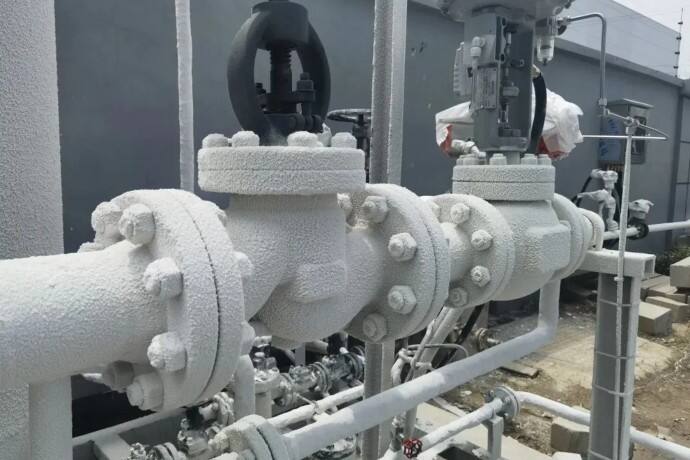
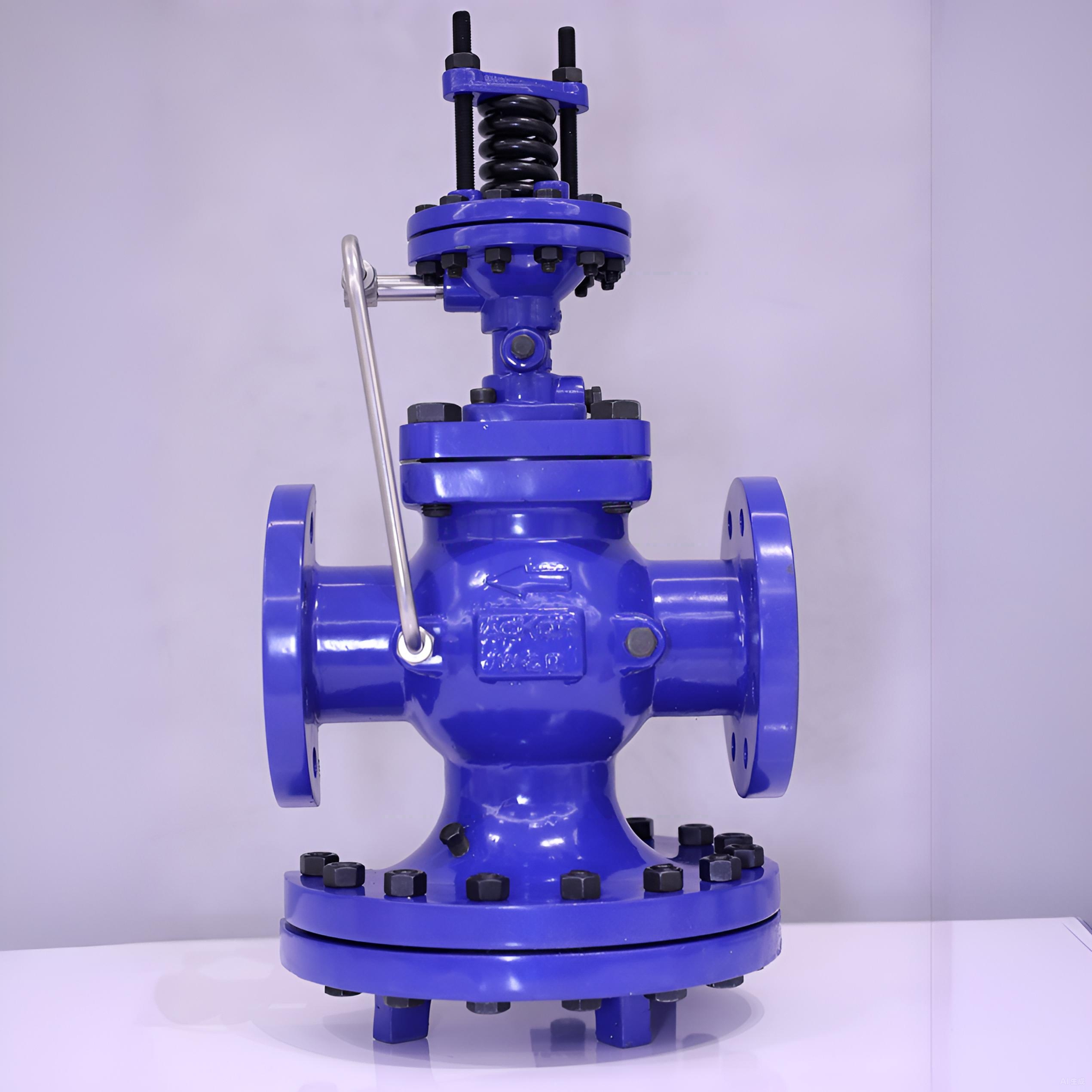
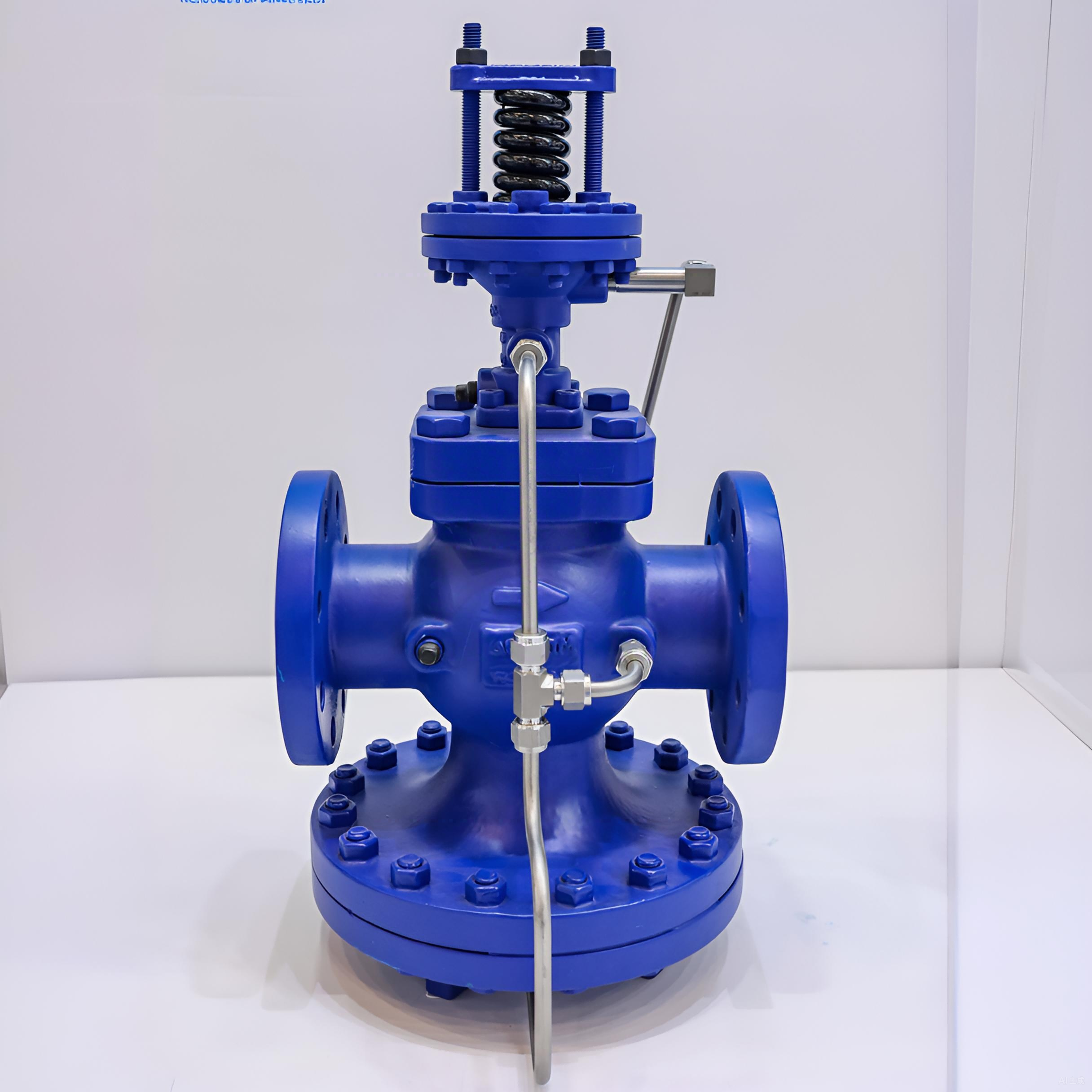
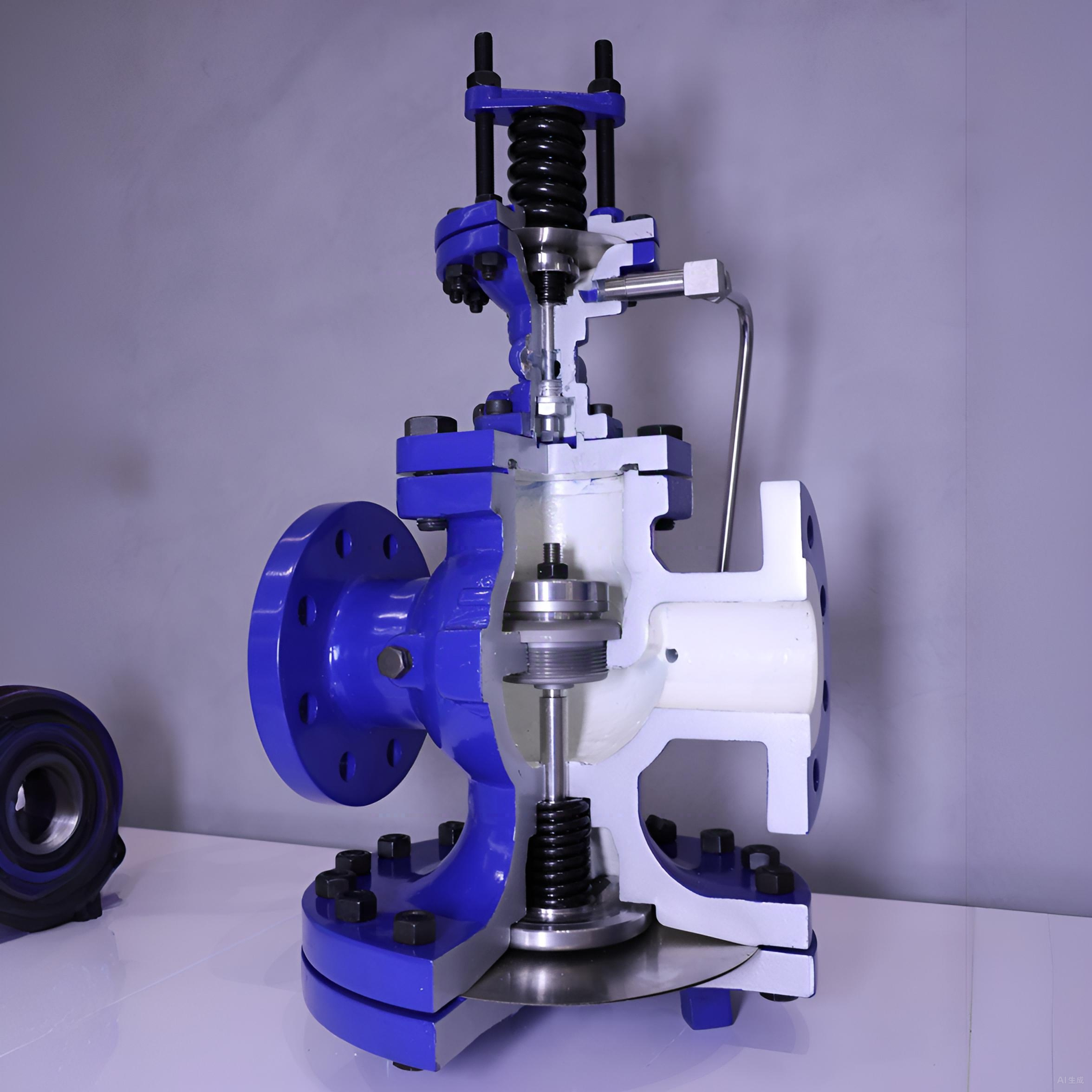
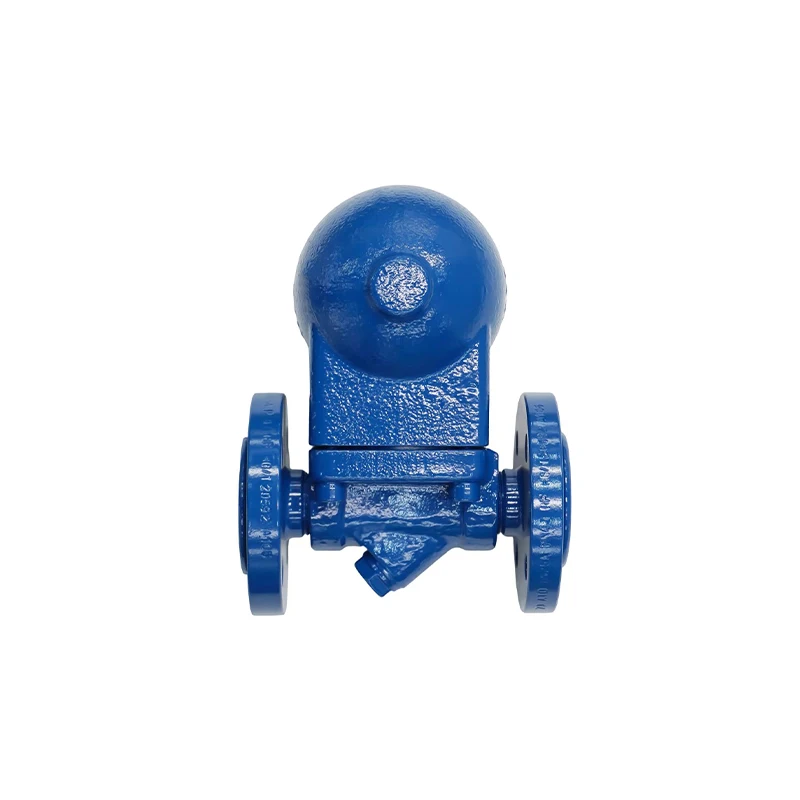
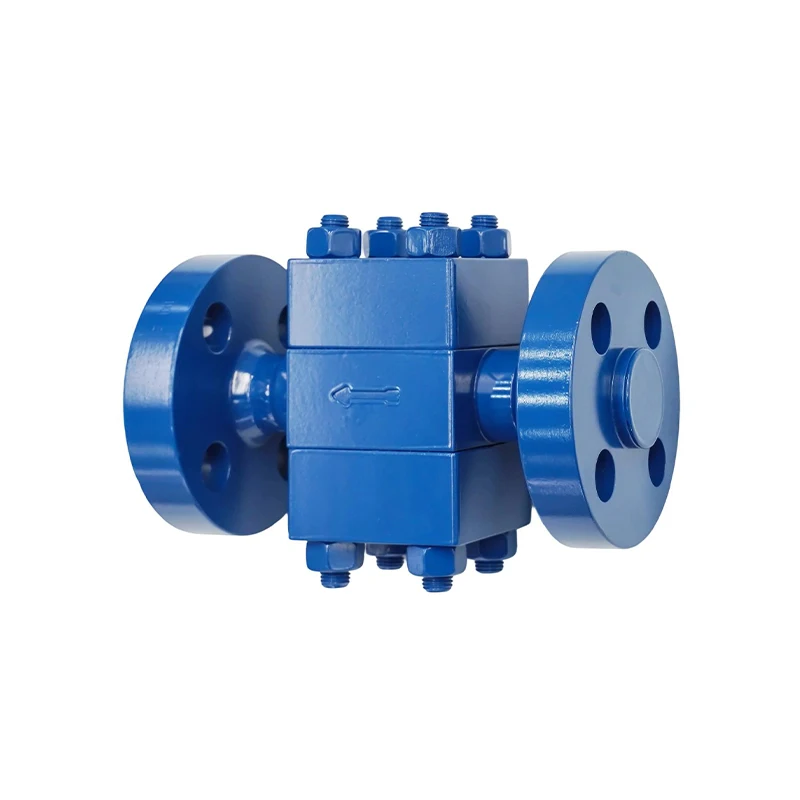
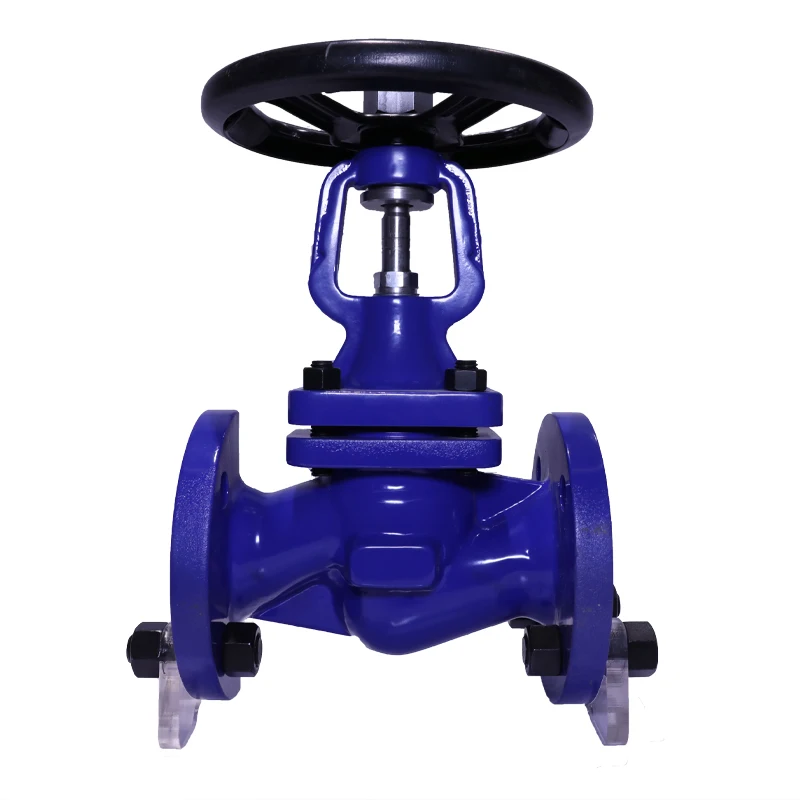
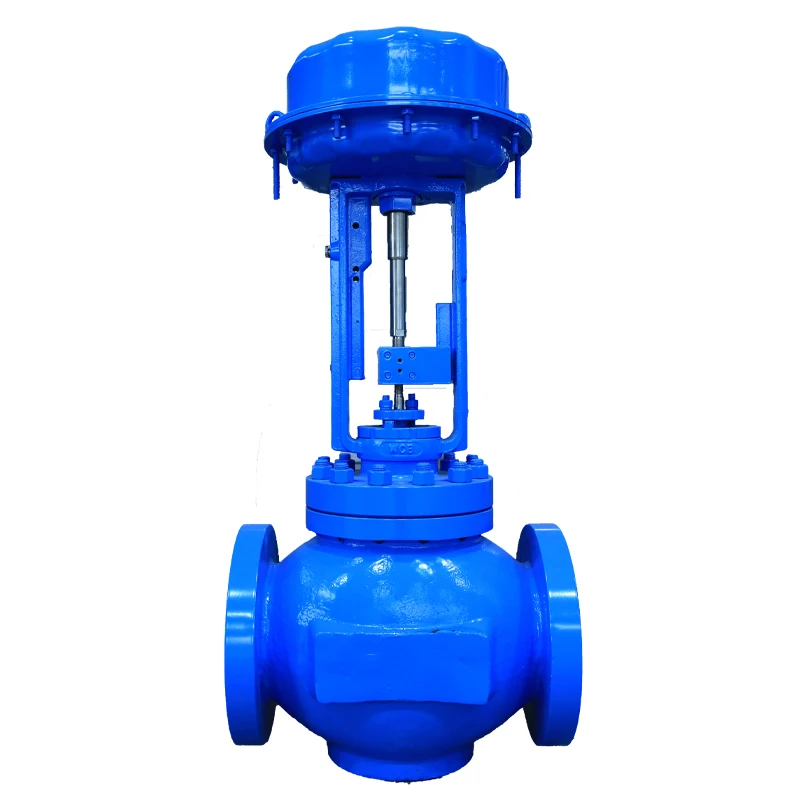
Pressure reducing valves for stabilization represent critical components in fluid control systems that maintain consistent downstream pressure regardless of fluctuations in upstream pressure or flow demand. These sophisticated devices automatically adjust their opening to regulate pressure flow, ensuring optimal system performance across diverse industrial applications. The primary function of pressure reducing valves for stabilization involves reducing high inlet pressure to a predetermined lower outlet pressure while maintaining stability under varying operating conditions. These valves incorporate advanced spring-loaded mechanisms that respond instantly to pressure changes, providing reliable pressure regulation through precise internal adjustments. The technological features of pressure reducing valves for stabilization include durable construction materials such as stainless steel or brass bodies that resist corrosion and wear. Internal components feature precision-engineered diaphragms or pistons that detect pressure variations and trigger immediate valve adjustments. Many models incorporate adjustable pressure settings through external controls, allowing operators to fine-tune output pressure according to specific system requirements. Advanced pressure reducing valves for stabilization often include built-in pressure gauges for real-time monitoring and quick-connect fittings for simplified installation. The applications for pressure reducing valves for stabilization span numerous industries including water treatment facilities, chemical processing plants, pneumatic systems, and HVAC installations. In residential settings, these valves protect plumbing fixtures from excessive water pressure, preventing damage and extending equipment lifespan. Industrial applications utilize pressure reducing valves for stabilization to protect sensitive equipment, maintain process consistency, and ensure worker safety. The versatility of these valves makes them indispensable for any system requiring precise pressure control and stabilization across varying operational demands.

Popular Products

Pressure reducing valves for stabilization deliver exceptional cost savings by preventing expensive equipment damage caused by pressure surges and fluctuations. These valves eliminate the need for multiple pressure control devices by providing comprehensive regulation in a single unit, reducing installation complexity and maintenance requirements. Energy efficiency represents another significant advantage as pressure reducing valves for stabilization optimize system performance by maintaining ideal operating pressures, reducing unnecessary energy consumption and lowering operational costs. The reliability factor of these valves ensures consistent performance over extended periods, minimizing unexpected downtime and maintenance interruptions that can cost businesses thousands of dollars in lost productivity. Safety benefits are paramount as pressure reducing valves for stabilization protect personnel from dangerous pressure-related accidents while safeguarding valuable equipment from catastrophic failures. These valves provide automatic pressure regulation without requiring constant human intervention, freeing up operators to focus on other critical tasks while maintaining system integrity. Installation flexibility allows pressure reducing valves for stabilization to integrate seamlessly into existing systems with minimal modifications, reducing retrofit costs and implementation time. The precision control offered by these valves ensures product quality consistency in manufacturing processes where pressure variations can affect final product specifications. Maintenance simplicity represents a key practical benefit as most pressure reducing valves for stabilization feature accessible components and straightforward servicing procedures that reduce maintenance time and costs. Environmental benefits emerge from reduced energy consumption and decreased waste generation associated with pressure-related equipment failures. The longevity of pressure reducing valves for stabilization provides excellent return on investment through extended service life and reduced replacement frequency. Versatility in application means these valves adapt to diverse operating conditions and fluid types, making them valuable investments for multi-purpose facilities. Regulatory compliance becomes easier as pressure reducing valves for stabilization help maintain systems within required pressure parameters, avoiding costly violations and ensuring operational permits remain valid.

Tips And Tricks

Soaring to New Heights: AcKaM Industrial Surges in Billion-Dollar Market with 200% H1 Sales Growth

04

Nov

Soaring to New Heights: AcKaM Industrial Surges in Billion-Dollar Market with 200% H1 Sales Growth

View More
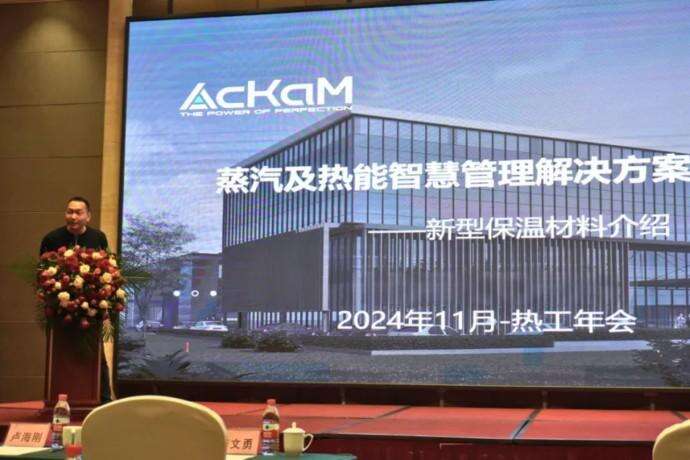
Innovation in Thermal Insulation Technology! AcKaM Delivers Keynote Speech at 2024 National Thermal Engineering Conference

05

Nov

Innovation in Thermal Insulation Technology! AcKaM Delivers Keynote Speech at 2024 National Thermal Engineering Conference

View More
AcKaM: Riding the Trillion-Yuan Wave to Pioneer Innovation

04

Nov

AcKaM: Riding the Trillion-Yuan Wave to Pioneer Innovation

View More

Get a Free Quote

Our representative will contact you soon.
Email
Name
Company Name
Message
0/1000

pressure reducing valves for stabilization

Advanced Automatic Pressure Regulation Technology

Advanced Automatic Pressure Regulation Technology

The sophisticated automatic regulation technology in pressure reducing valves for stabilization represents a breakthrough in pressure control engineering that delivers unmatched precision and reliability. This advanced system utilizes state-of-the-art sensing mechanisms that continuously monitor downstream pressure conditions and instantly respond to any deviations from preset parameters. The internal regulation system features precision-machined components including high-sensitivity diaphragms or piston assemblies that detect minute pressure changes and trigger immediate valve adjustments. This technology eliminates the lag time associated with manual pressure control systems, ensuring instantaneous response to pressure fluctuations that could otherwise damage sensitive equipment or disrupt critical processes. The automatic regulation feature of pressure reducing valves for stabilization incorporates fail-safe mechanisms that prevent dangerous overpressure conditions even during system malfunctions or extreme operating scenarios. These valves maintain consistent outlet pressure regardless of significant upstream pressure variations, flow rate changes, or temperature fluctuations that commonly affect system performance. The precision engineering behind this technology ensures accuracy within tight tolerance ranges, typically maintaining outlet pressure within plus or minus 2% of the setpoint under normal operating conditions. This level of precision proves essential for applications requiring exact pressure specifications such as pharmaceutical manufacturing, food processing, or laboratory research facilities. The automatic regulation system requires no external power source, operating entirely on the energy provided by the flowing fluid, making it ideal for remote locations or emergency backup systems. The technology incorporates advanced materials and surface treatments that resist wear, corrosion, and fouling, ensuring long-term accuracy and reliability. Users benefit from reduced operator workload as the automatic regulation eliminates the need for constant manual adjustments and monitoring, allowing personnel to focus on other critical operational tasks while maintaining optimal system performance.
Superior Durability and Longevity Design

Superior Durability and Longevity Design

The exceptional durability and longevity characteristics of pressure reducing valves for stabilization stem from advanced engineering principles and premium material selection that ensure decades of reliable service in demanding industrial environments. These valves feature robust construction using high-grade stainless steel, brass, or specialized alloy bodies that resist corrosion, erosion, and chemical attack from aggressive fluids and harsh operating conditions. The internal components undergo precision manufacturing processes including CNC machining, heat treatment, and surface hardening that create components capable of withstanding millions of operating cycles without degradation. The sealing systems in pressure reducing valves for stabilization utilize advanced elastomeric materials and PTFE compounds that maintain integrity under extreme temperature variations, chemical exposure, and mechanical stress. The valve seats and closure elements feature wear-resistant coatings and specialized geometries that minimize erosion and maintain tight shutoff capabilities throughout the valve's service life. Quality control measures during manufacturing include pressure testing, flow verification, and endurance cycling that validate each valve's ability to meet or exceed specified performance standards. The modular design philosophy allows for easy replacement of wear components without replacing the entire valve assembly, significantly extending operational life and reducing total ownership costs. Environmental resistance features protect pressure reducing valves for stabilization from UV radiation, temperature extremes, vibration, and contamination that typically cause premature failure in inferior products. The engineering approach emphasizes stress distribution and fatigue resistance in critical load-bearing components, ensuring structural integrity under dynamic operating conditions and pressure cycling. Field testing and customer feedback have validated the superior longevity of these valves in real-world applications, with many installations achieving 20-30 years of continuous service with minimal maintenance requirements. This exceptional durability translates directly into reduced replacement costs, lower maintenance expenses, and improved system uptime that provides substantial economic benefits throughout the valve's extended service life.
Comprehensive Safety and Protection Features

Comprehensive Safety and Protection Features

The comprehensive safety and protection capabilities integrated into pressure reducing valves for stabilization provide multi-layered security that protects both personnel and equipment from dangerous pressure-related incidents while ensuring regulatory compliance and operational integrity. These valves incorporate multiple independent safety mechanisms including pressure relief functions, fail-safe operation modes, and emergency shutdown capabilities that activate automatically when preset safety thresholds are exceeded. The primary safety feature involves overpressure protection that prevents downstream pressure from exceeding safe limits even during upstream pressure surges, equipment malfunctions, or operator errors that could otherwise create hazardous conditions. The fail-safe design philosophy ensures that pressure reducing valves for stabilization default to a safe operational state during power failures, control system malfunctions, or component failures, preventing dangerous pressure buildup that could cause equipment damage or personnel injury. Advanced models feature integrated pressure relief valves that provide secondary protection by venting excess pressure when the primary regulation system cannot maintain safe conditions, ensuring multiple layers of protection against catastrophic pressure events. The safety certification compliance of these valves meets stringent international standards including ASME, API, and OSHA requirements, providing assurance that installations will pass regulatory inspections and maintain valid operating permits. Emergency isolation capabilities allow for rapid system shutdown during maintenance procedures or emergency situations, protecting workers and preventing contamination or product loss. The visual and audible warning systems integrated into many pressure reducing valves for stabilization alert operators to abnormal conditions before they escalate into dangerous situations, enabling proactive intervention and preventing accidents. Tamper-resistant features prevent unauthorized adjustments that could compromise safety settings, while lockout/tagout compatibility ensures safe maintenance practices. The explosion-proof and intrinsically safe variants of pressure reducing valves for stabilization provide specialized protection for hazardous environments where flammable or explosive materials are present, meeting strict safety standards for chemical plants, refineries, and offshore installations. These comprehensive safety features reduce insurance costs, minimize liability exposure, and protect company reputation while ensuring worker safety and environmental protection.

Get a Free Quote

Our representative will contact you soon.
Email
Name
Company Name
Message
0/1000