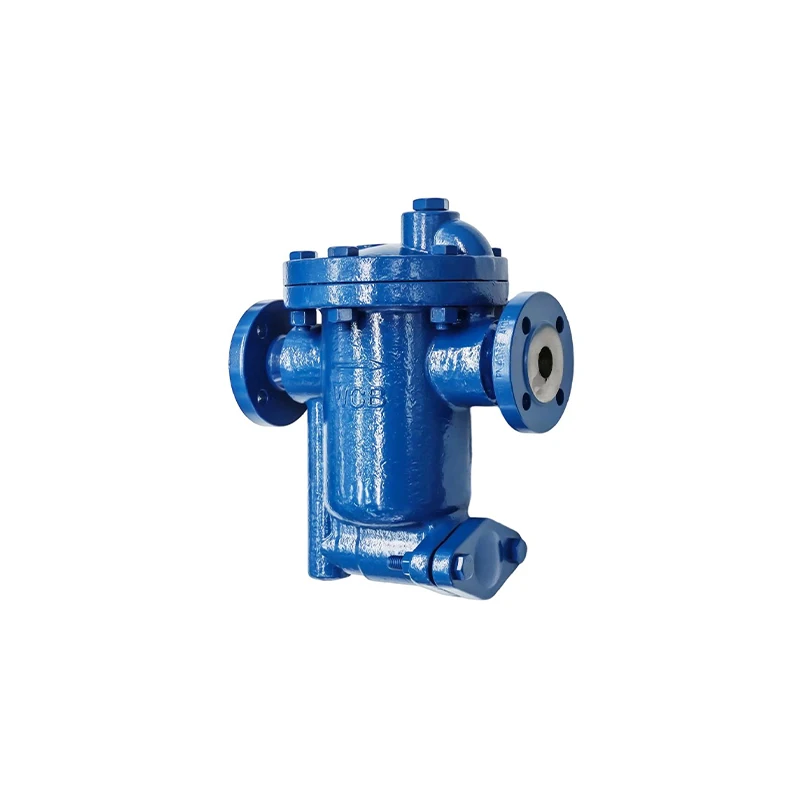
hot water pressure reduction
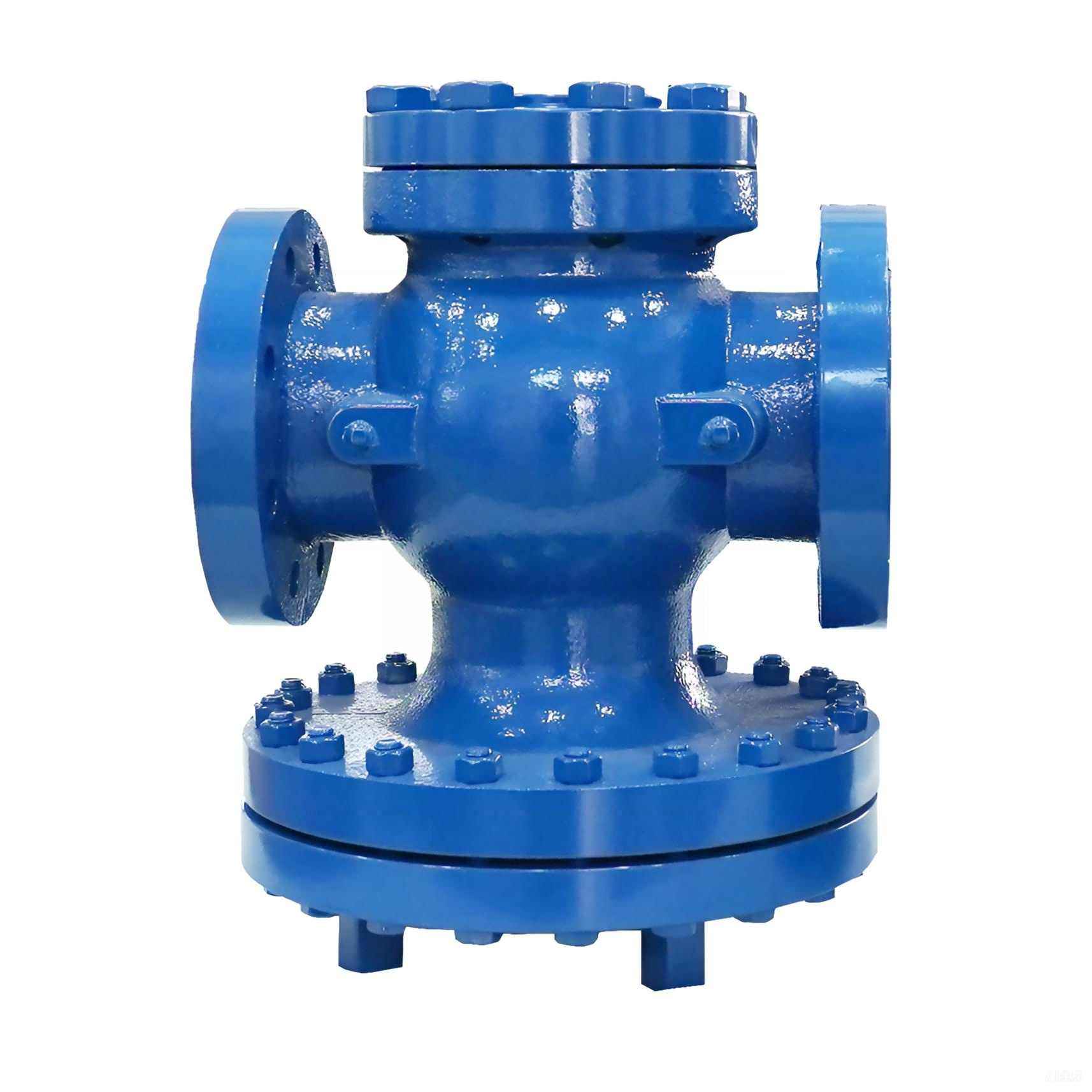
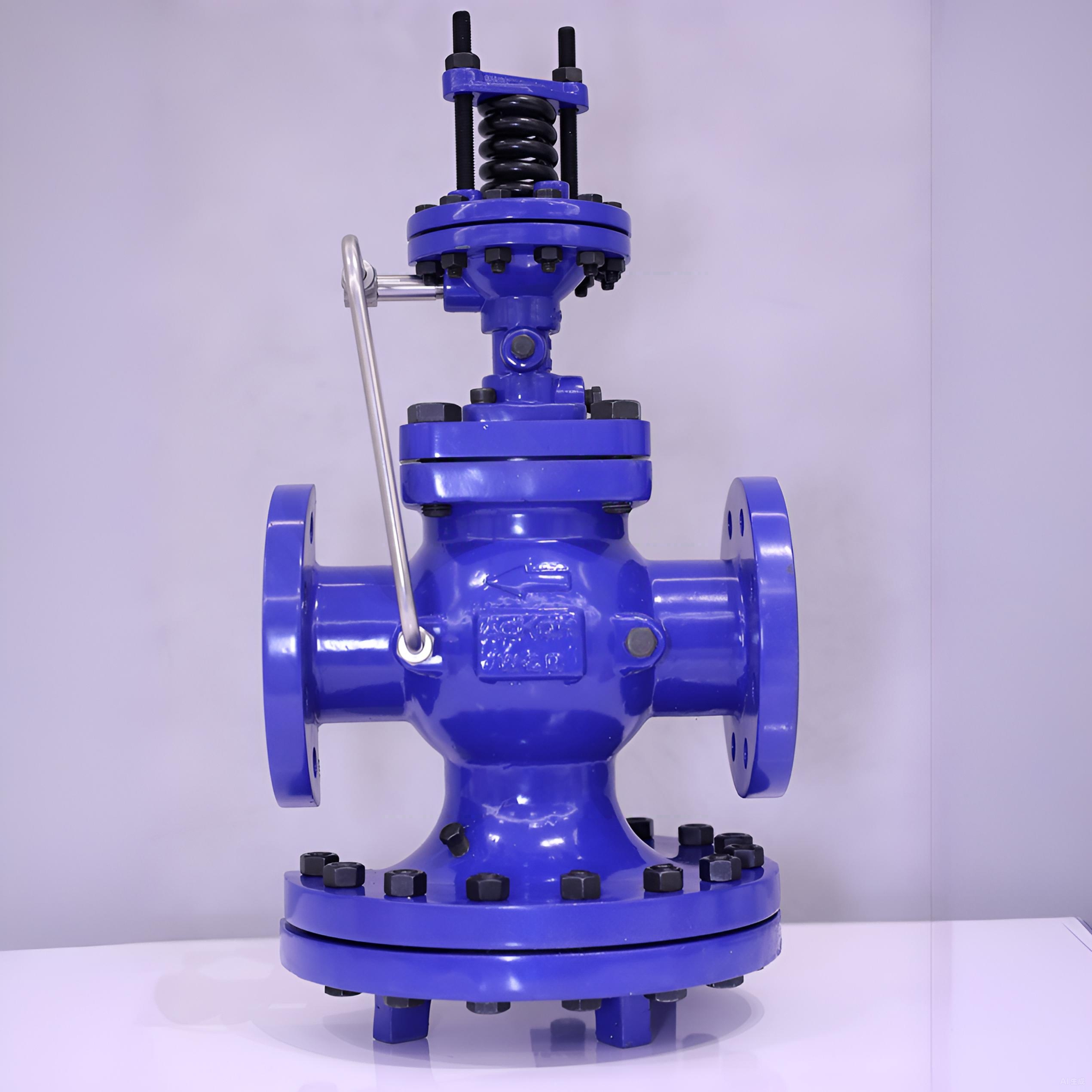
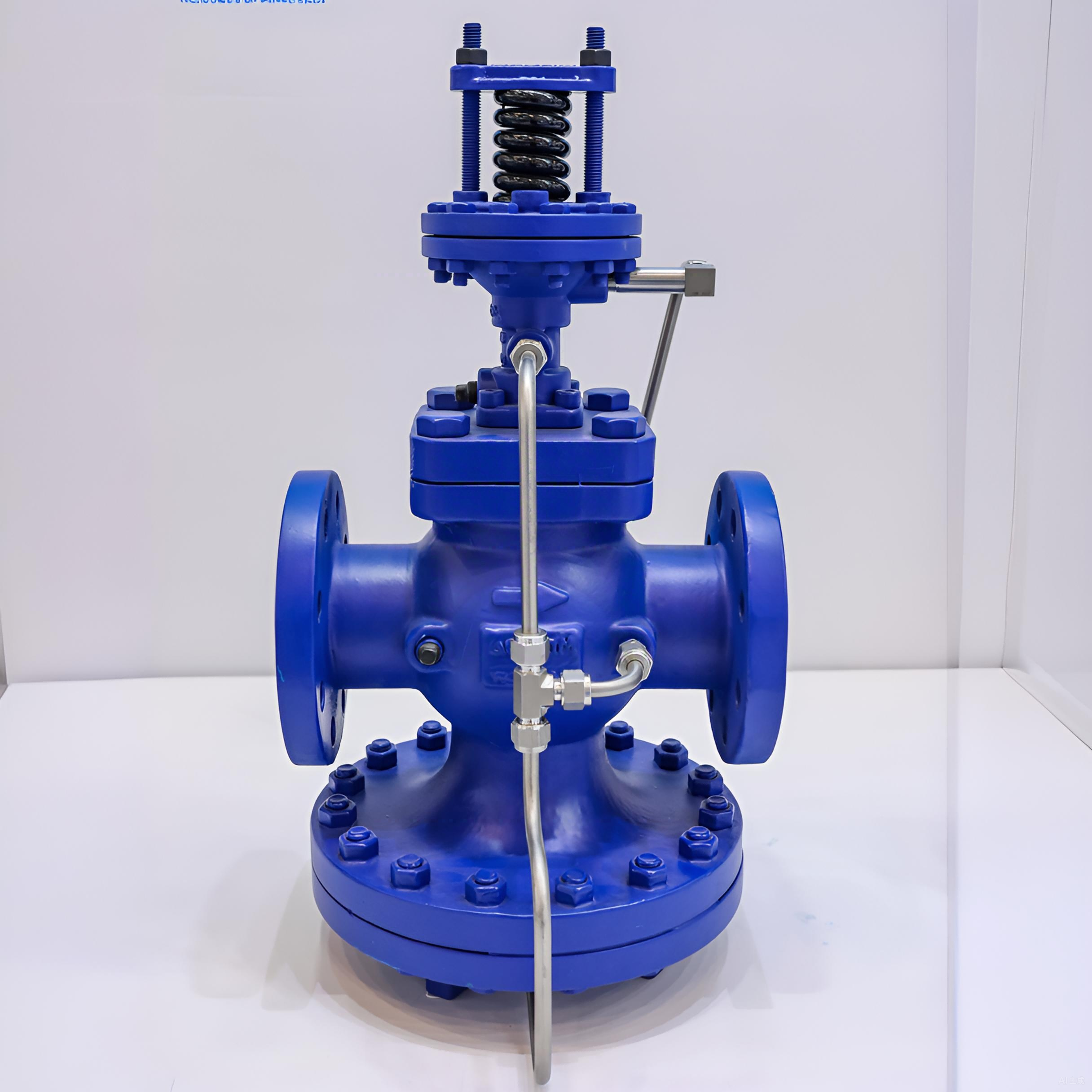
Hot water pressure reduction systems represent a critical component in modern plumbing infrastructure, designed to regulate and control excessive water pressure in residential and commercial buildings. These sophisticated devices function as protective barriers between high-pressure municipal water supplies and sensitive internal plumbing systems. The primary purpose of hot water pressure reduction involves maintaining optimal water pressure levels while preventing damage to pipes, fixtures, and appliances. These systems operate through precision-engineered mechanisms that automatically adjust water flow rates based on downstream demand and pressure requirements. The technological foundation of hot water pressure reduction relies on spring-loaded diaphragms, adjustable pressure settings, and durable internal components constructed from corrosion-resistant materials. Advanced models incorporate temperature compensation features that account for thermal expansion effects in heated water systems. Installation typically occurs at the main water entry point or specific hot water lines, providing comprehensive protection throughout the entire distribution network. Modern hot water pressure reduction units feature easy-to-read pressure gauges, allowing homeowners and technicians to monitor system performance continuously. The applications for these devices span across various sectors, including residential homes, apartment complexes, office buildings, hotels, hospitals, and industrial facilities. In residential settings, hot water pressure reduction systems protect expensive appliances such as dishwashers, washing machines, and water heaters from premature failure caused by excessive pressure fluctuations. Commercial applications focus on maintaining consistent service quality while minimizing maintenance costs and extending equipment lifespan. The integration of hot water pressure reduction technology has become increasingly important as municipal water systems continue to operate at higher pressures to serve growing populations and taller buildings efficiently.