Professional Gas Pressure Reducing Valves - Reliable Pressure Control Solutions

All Categories

Get a Free Quote

Our representative will contact you soon.
Email
Name
Company Name
Message
0/1000

gas pressure reducing valve

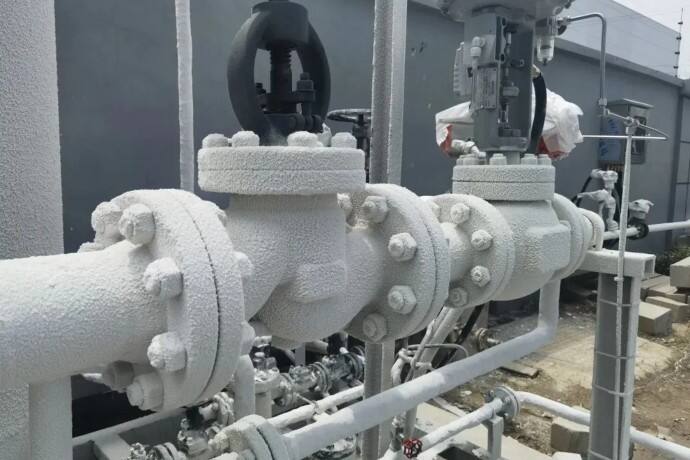
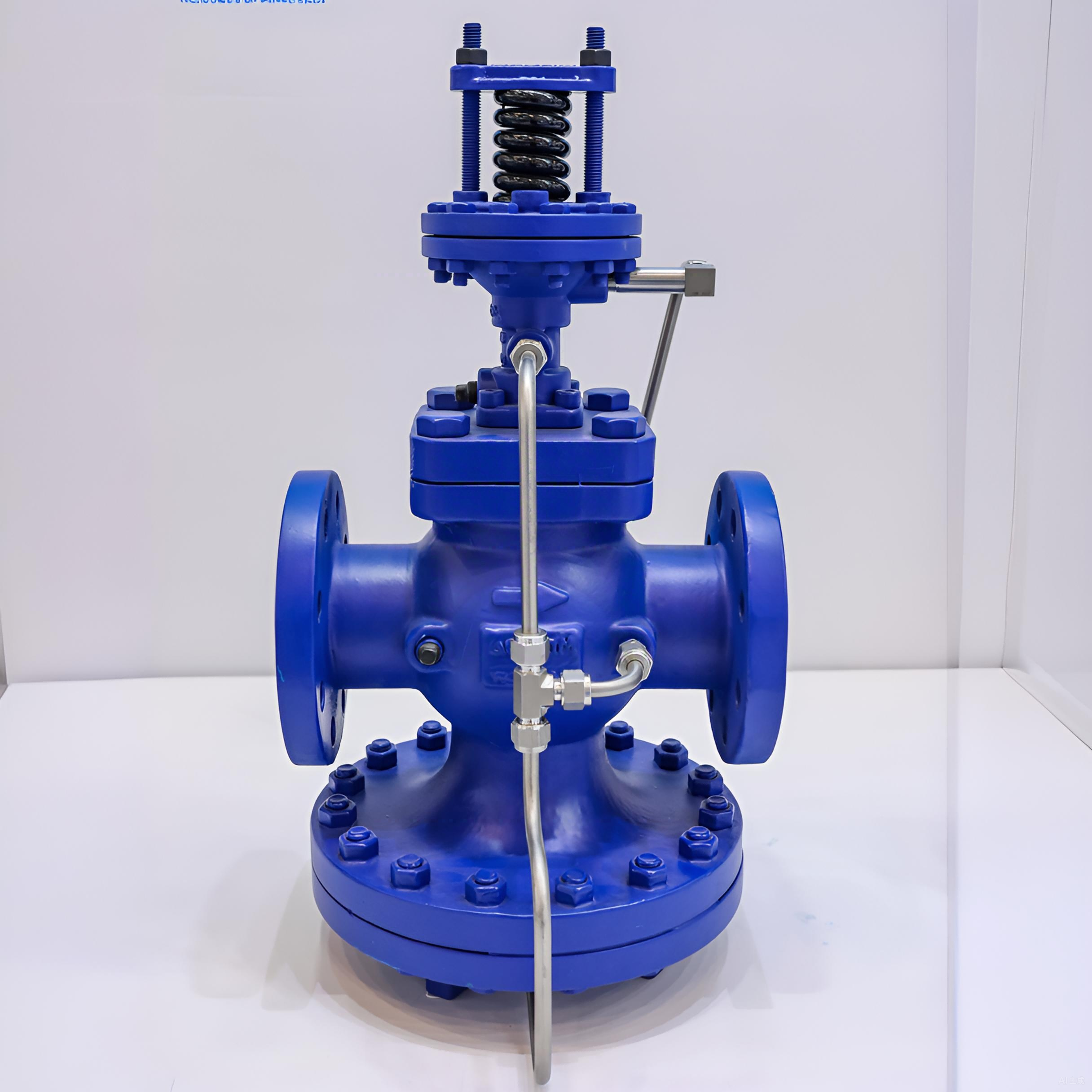
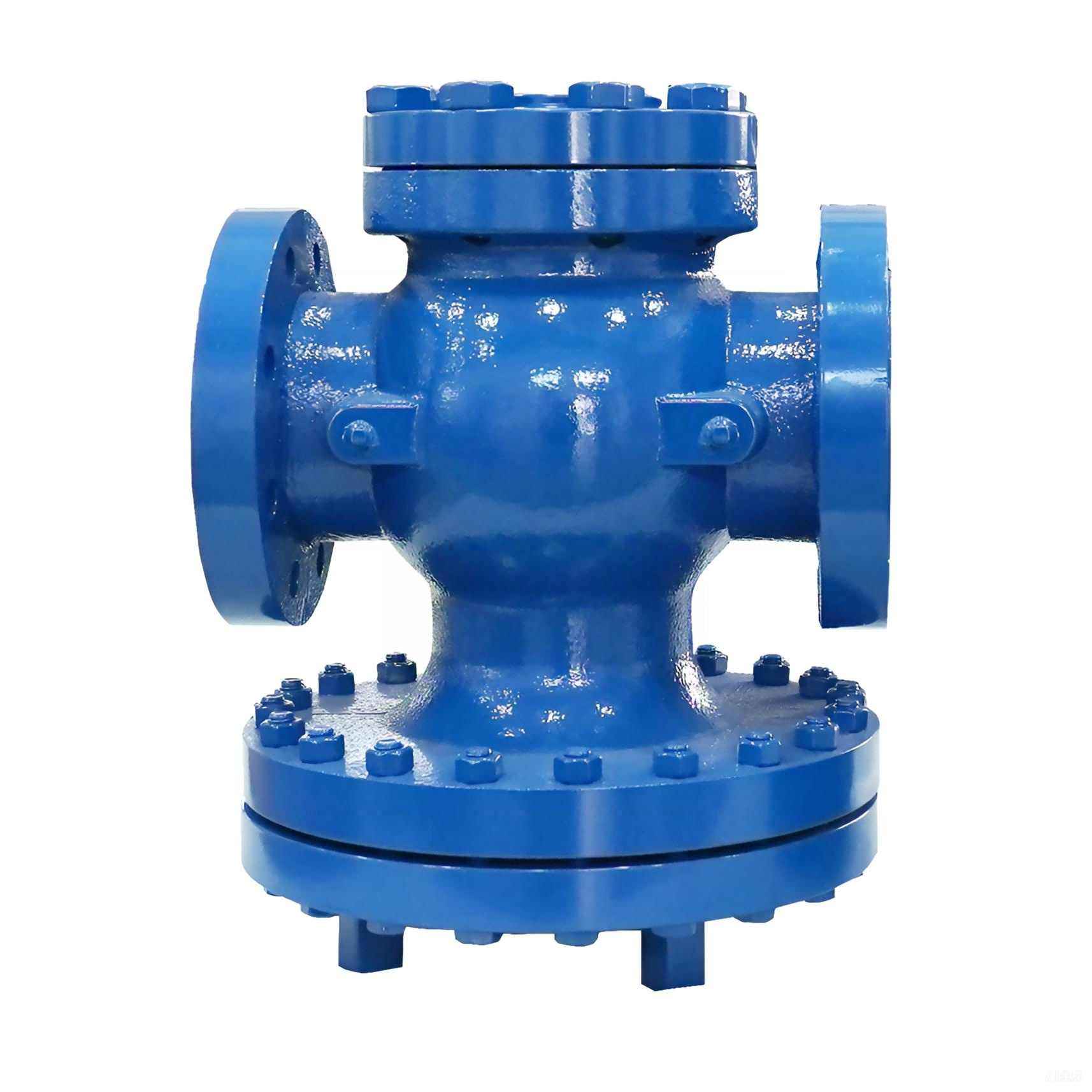
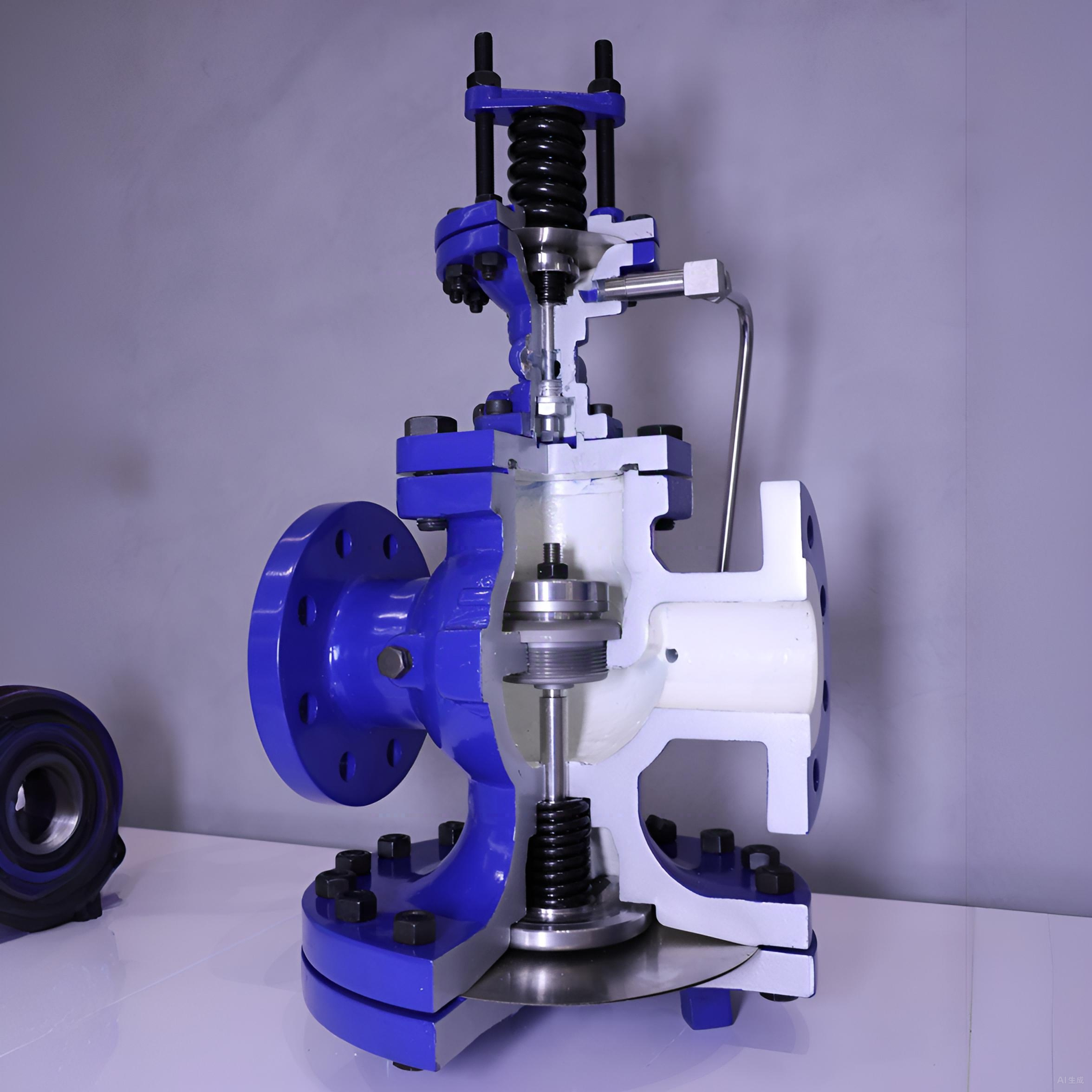
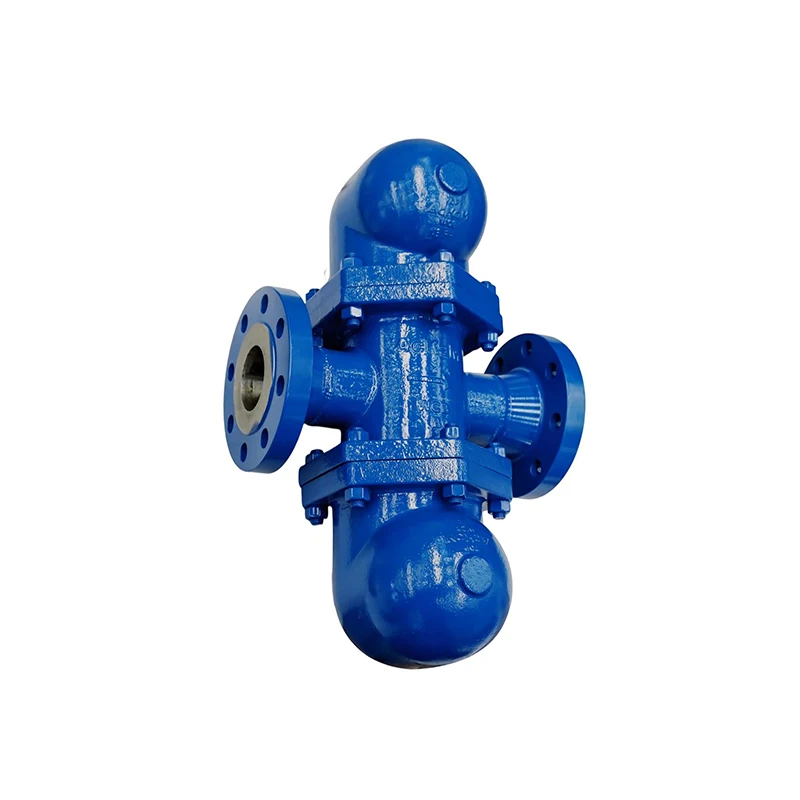
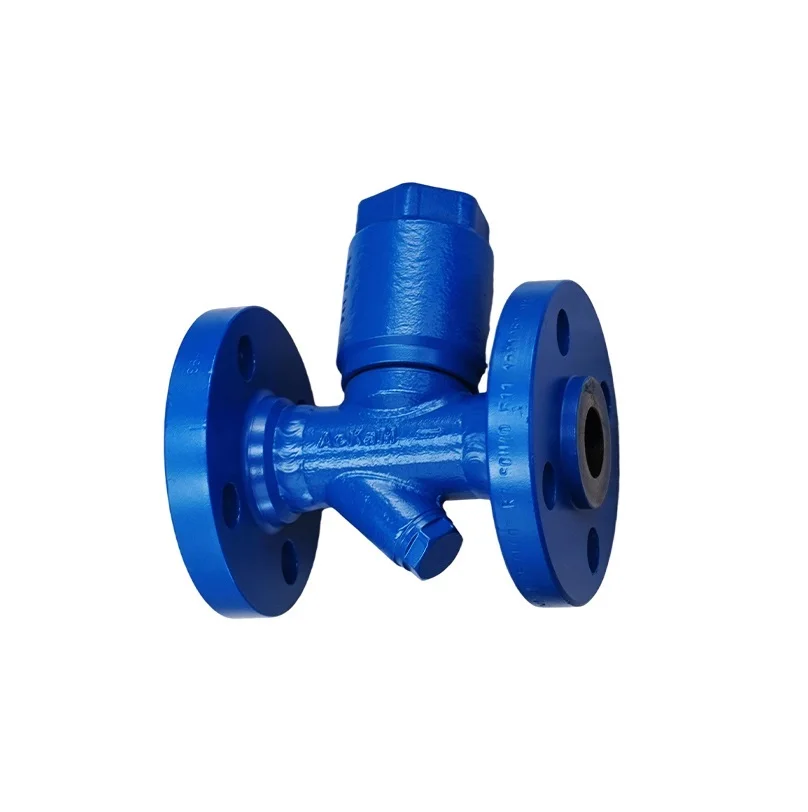
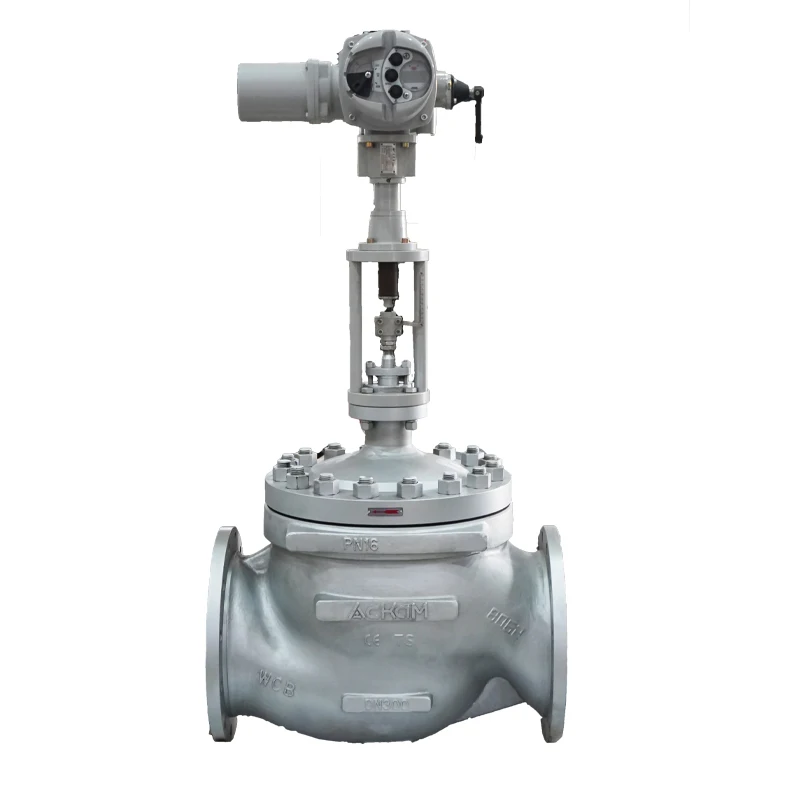
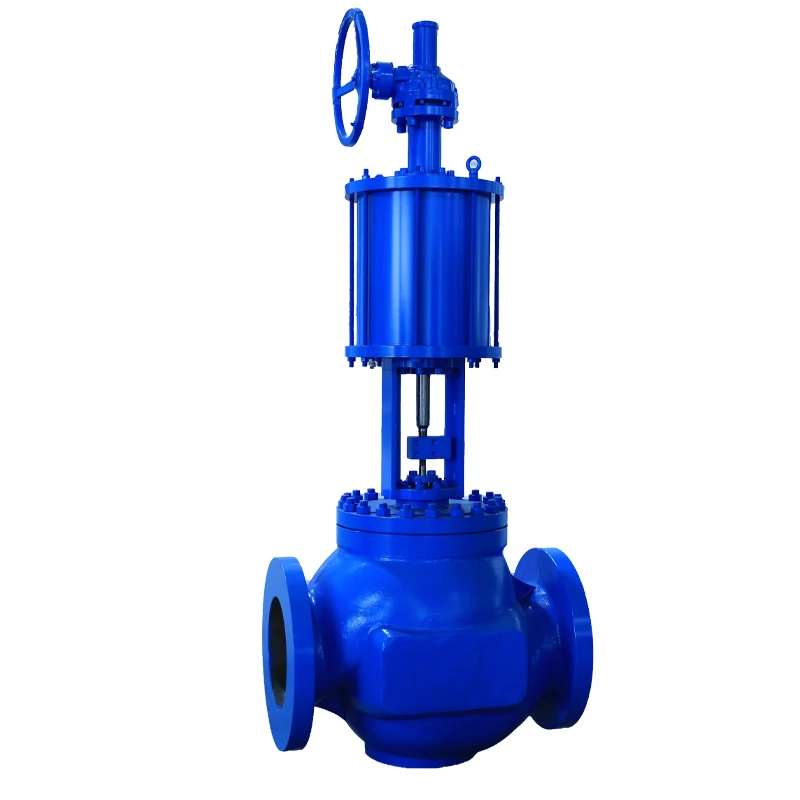
A gas pressure reducing valve serves as a critical component in gas distribution systems, designed to automatically regulate and maintain downstream pressure at predetermined levels regardless of upstream pressure fluctuations. This sophisticated device operates through precise mechanical engineering principles, utilizing spring-loaded diaphragms and adjustable settings to ensure consistent gas flow management. The gas pressure reducing valve incorporates advanced materials and construction techniques that enable reliable performance across diverse operating conditions and temperature ranges. Modern gas pressure reducing valve units feature robust housing designs manufactured from high-grade materials such as brass, stainless steel, or specialized alloys that resist corrosion and wear. The internal mechanisms include precision-engineered components like balanced diaphragms, pilot systems, and calibrated springs that work together to maintain accurate pressure control. These valves typically integrate safety features including overpressure protection, fail-safe mechanisms, and optional monitoring capabilities that enhance operational security. The gas pressure reducing valve technology encompasses various configurations including direct-acting models for smaller applications and pilot-operated versions for high-capacity industrial installations. Installation flexibility represents another key characteristic, as these valves accommodate different pipe sizes, connection types, and mounting orientations to suit specific system requirements. The operational range of a gas pressure reducing valve extends from low-pressure residential applications to high-pressure industrial processes, demonstrating remarkable versatility across multiple sectors. Quality gas pressure reducing valve designs incorporate user-friendly adjustment mechanisms that allow for precise pressure setting modifications without specialized tools or extensive technical expertise. Environmental considerations play an increasingly important role in modern gas pressure reducing valve development, with manufacturers focusing on leak-tight sealing, reduced emissions, and enhanced durability to minimize maintenance requirements and environmental impact.
New Product Recommendations

Gas pressure reducing valve systems deliver substantial operational benefits that directly impact system efficiency, safety, and cost-effectiveness for end users across residential, commercial, and industrial applications. These devices eliminate pressure fluctuations that can damage downstream equipment, protecting valuable appliances, machinery, and instruments from potentially costly repairs or replacements. The consistent pressure output provided by a gas pressure reducing valve ensures optimal performance of connected equipment, leading to improved fuel efficiency and reduced operating costs over time. Users experience significant energy savings as properly regulated gas pressure prevents wasteful overconsumption while maintaining necessary performance levels for heating, cooking, and industrial processes. The automatic operation of a gas pressure reducing valve reduces labor requirements by eliminating the need for manual pressure adjustments, freeing personnel to focus on other critical tasks while ensuring continuous system reliability. Safety enhancements represent perhaps the most compelling advantage, as these valves prevent dangerous overpressure conditions that could lead to equipment failures, gas leaks, or potentially hazardous situations. The built-in safety mechanisms of quality gas pressure reducing valve designs provide peace of mind for facility managers and homeowners alike. Maintenance benefits include extended equipment lifespan, reduced service calls, and lower replacement costs due to the protective function these valves provide to downstream components. Installation simplicity allows for quick integration into existing systems without extensive modifications or specialized expertise, minimizing disruption and installation costs. The gas pressure reducing valve technology offers exceptional return on investment through reduced utility bills, decreased maintenance expenses, and improved system reliability. Users appreciate the precise control capabilities that enable fine-tuning of pressure settings to match specific application requirements, optimizing performance for unique operational needs. Long-term reliability translates to consistent performance over years of operation, with minimal maintenance requirements and exceptional durability even under demanding conditions. The versatility of gas pressure reducing valve applications means single product solutions can serve multiple system requirements, simplifying inventory management and reducing procurement complexity for facility managers and contractors.

Tips And Tricks

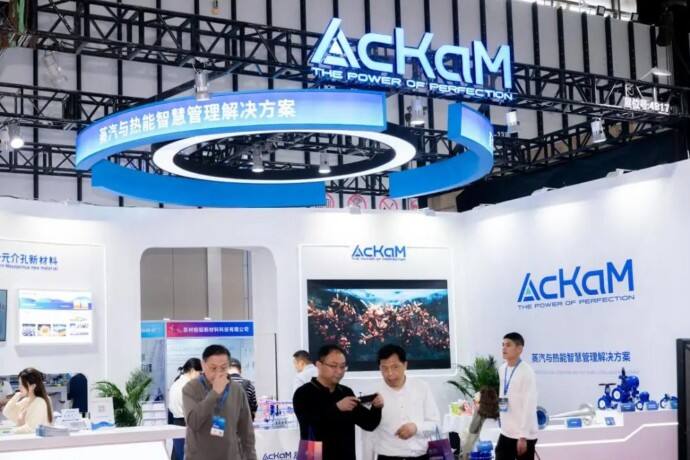
Soaring to New Heights: AcKaM Industrial Surges in Billion-Dollar Market with 200% H1 Sales Growth

04

Nov

Soaring to New Heights: AcKaM Industrial Surges in Billion-Dollar Market with 200% H1 Sales Growth

View More
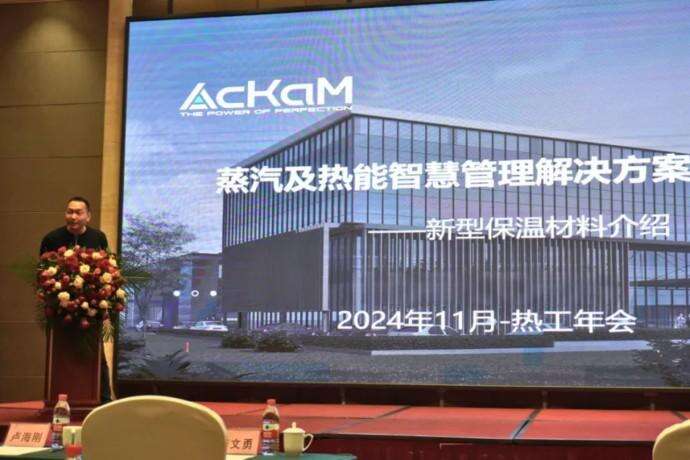
Innovation in Thermal Insulation Technology! AcKaM Delivers Keynote Speech at 2024 National Thermal Engineering Conference

05

Nov

Innovation in Thermal Insulation Technology! AcKaM Delivers Keynote Speech at 2024 National Thermal Engineering Conference

View More
AcKaM: Riding the Trillion-Yuan Wave to Pioneer Innovation

04

Nov

AcKaM: Riding the Trillion-Yuan Wave to Pioneer Innovation

View More

Get a Free Quote

Our representative will contact you soon.
Email
Name
Company Name
Message
0/1000

gas pressure reducing valve

Advanced Pressure Regulation Technology

Advanced Pressure Regulation Technology

The sophisticated pressure regulation technology integrated into modern gas pressure reducing valve systems represents a breakthrough in automated gas flow control, delivering unprecedented accuracy and reliability for critical applications. This advanced technology employs precision-engineered diaphragm assemblies that respond instantly to pressure variations, automatically adjusting internal valve positioning to maintain consistent downstream pressure within extremely tight tolerances. The gas pressure reducing valve incorporates multi-stage regulation capabilities that handle wide pressure differential ranges while maintaining stable output pressure regardless of upstream fluctuations or varying demand conditions. The internal pilot system technology enables these valves to respond rapidly to pressure changes, typically within milliseconds, ensuring continuous protection for sensitive downstream equipment and processes. Advanced materials science contributes significantly to this technology, with specialized elastomers and metal alloys that maintain consistent performance across temperature extremes and corrosive environments. The gas pressure reducing valve technology includes sophisticated balancing mechanisms that compensate for external factors such as temperature changes, vibration, and aging effects that might otherwise compromise pressure regulation accuracy. Users benefit from this technological advancement through improved process control, reduced product waste, enhanced safety margins, and lower operating costs associated with optimized gas consumption. The precision engineering ensures minimal pressure droop under varying flow conditions, maintaining consistent performance from minimum to maximum flow rates. This technology eliminates the need for frequent manual adjustments or complex control systems, providing autonomous operation that reduces labor requirements and human error potential. The advanced pressure regulation technology incorporated in these gas pressure reducing valve systems includes built-in compensation for wear and aging, maintaining accuracy throughout extended service life. Quality assurance testing validates performance under extreme conditions, ensuring reliable operation in demanding industrial environments where precision pressure control is critical for product quality and safety compliance.
Enhanced Safety and Reliability Features

Enhanced Safety and Reliability Features

Safety and reliability features embedded within gas pressure reducing valve designs provide comprehensive protection against potentially dangerous overpressure conditions while ensuring consistent long-term performance that users can depend upon for critical applications. These safety systems include multiple independent protection mechanisms such as overpressure relief capabilities, fail-safe positioning, and emergency shutdown functions that activate automatically when predetermined safety thresholds are exceeded. The gas pressure reducing valve incorporates redundant sealing systems that prevent internal and external leakage, utilizing advanced elastomeric materials and precision-machined sealing surfaces that maintain integrity over millions of operating cycles. Reliability engineering principles guide the design process, resulting in robust construction that withstands shock, vibration, and thermal cycling without compromising performance or safety margins. The internal components undergo rigorous testing protocols to validate performance under extreme operating conditions, ensuring dependable operation in demanding industrial environments where failure is not an option. Safety certification compliance demonstrates adherence to international standards and regulatory requirements, providing assurance for facility managers and safety personnel regarding code compliance and liability protection. The gas pressure reducing valve features built-in diagnostic capabilities that enable proactive maintenance scheduling and early detection of potential issues before they impact system performance or safety. Materials selection emphasizes corrosion resistance and mechanical strength, utilizing specialized alloys and treatments that extend service life while maintaining safety performance standards. Emergency response capabilities include automatic shutoff functions that activate during abnormal operating conditions, protecting personnel and equipment from potentially hazardous situations. The reliability features include temperature compensation mechanisms that maintain accurate pressure regulation despite ambient temperature variations, ensuring consistent performance across seasonal changes and diverse operating environments. Users benefit from reduced insurance costs, improved regulatory compliance, and enhanced operational confidence knowing their gas pressure reducing valve systems incorporate comprehensive safety and reliability features that exceed industry standards and provide long-term protection for valuable assets and personnel.
Versatile Installation and Maintenance Benefits

Versatile Installation and Maintenance Benefits

The versatile installation and maintenance characteristics of gas pressure reducing valve systems provide exceptional value for users seeking efficient, cost-effective solutions that adapt to diverse application requirements while minimizing ongoing operational burdens. Installation flexibility encompasses multiple connection options including threaded, flanged, and welded configurations that accommodate various pipe sizes and system designs without requiring extensive modifications or specialized fittings. The compact design profile of modern gas pressure reducing valve units enables installation in space-constrained environments while maintaining full functionality and accessibility for future maintenance activities. Pre-configured settings and standardized mounting orientations simplify installation procedures, reducing labor requirements and minimizing potential installation errors that could compromise system performance. The modular design approach allows for easy component replacement and upgrade capabilities, extending system life while accommodating changing operational requirements over time. Maintenance benefits include accessible adjustment mechanisms that enable field calibration without removing the gas pressure reducing valve from service, minimizing system downtime and associated operational costs. Self-cleaning internal mechanisms reduce maintenance frequency by preventing debris accumulation that might otherwise interfere with valve operation or require frequent service interventions. The user-friendly design incorporates clear pressure indication and adjustment features that enable non-technical personnel to perform routine maintenance tasks safely and effectively. Standardized spare parts availability ensures rapid repair capability and reduces inventory requirements for facility managers maintaining multiple gas pressure reducing valve installations. The robust construction minimizes wear-related maintenance needs while providing easy access to internal components when service is required, reducing maintenance time and associated labor costs. Preventive maintenance requirements are minimal due to the reliable design and quality materials, translating to lower total cost of ownership over the valve's operational lifetime. Installation documentation and technical support resources provide comprehensive guidance for proper installation procedures and maintenance practices, ensuring optimal performance and longevity. The gas pressure reducing valve design accommodates retrofitting into existing systems without major infrastructure changes, making upgrades practical and cost-effective for facilities seeking improved pressure regulation capabilities without extensive system renovations.

Get a Free Quote

Our representative will contact you soon.
Email
Name
Company Name
Message
0/1000