Pilot Operated Pressure Reducing Valve: Advanced Precision Control Solutions for Industrial Applications

All Categories

Get a Free Quote

Our representative will contact you soon.
Email
Name
Company Name
Message
0/1000

pilot operated pressure reducing valve

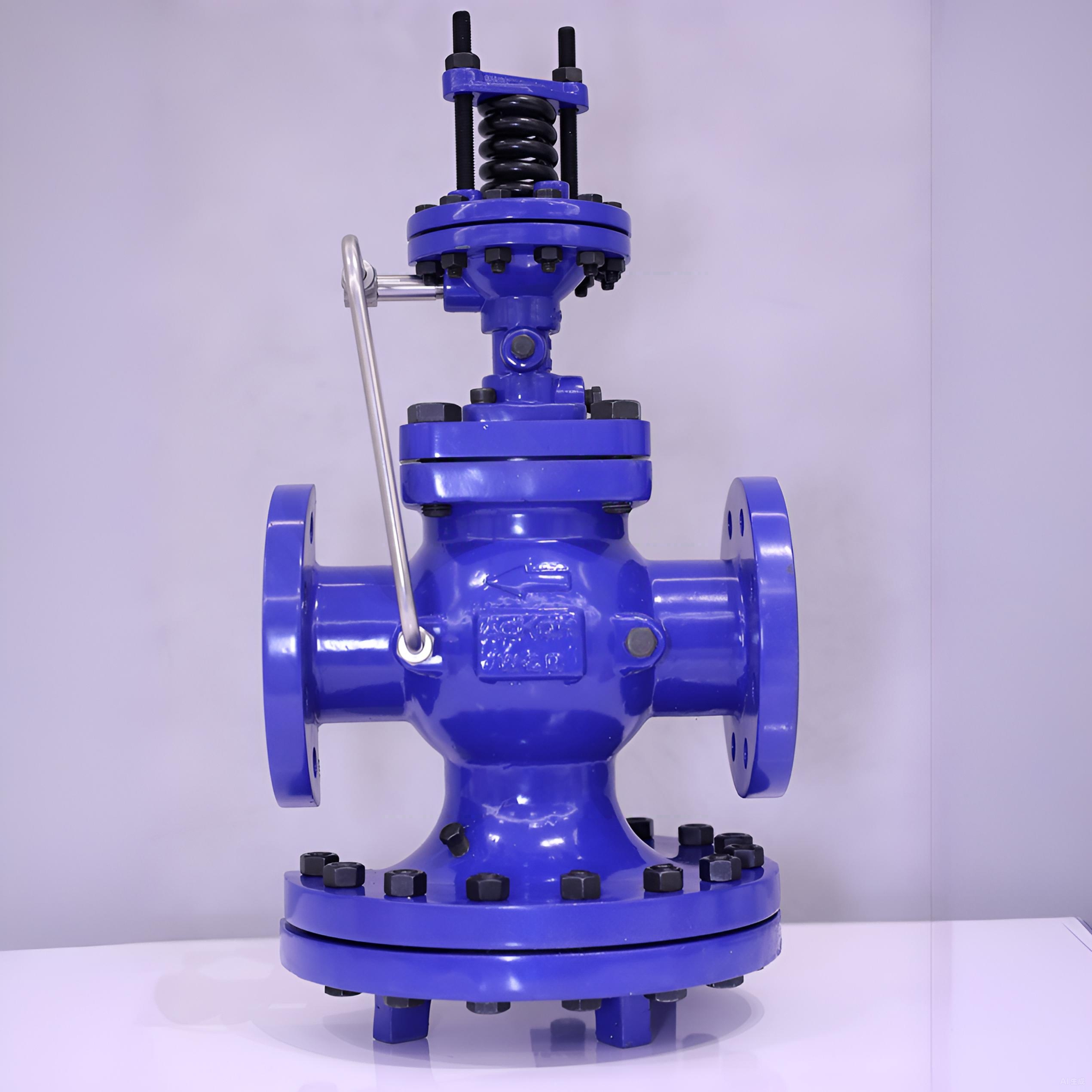
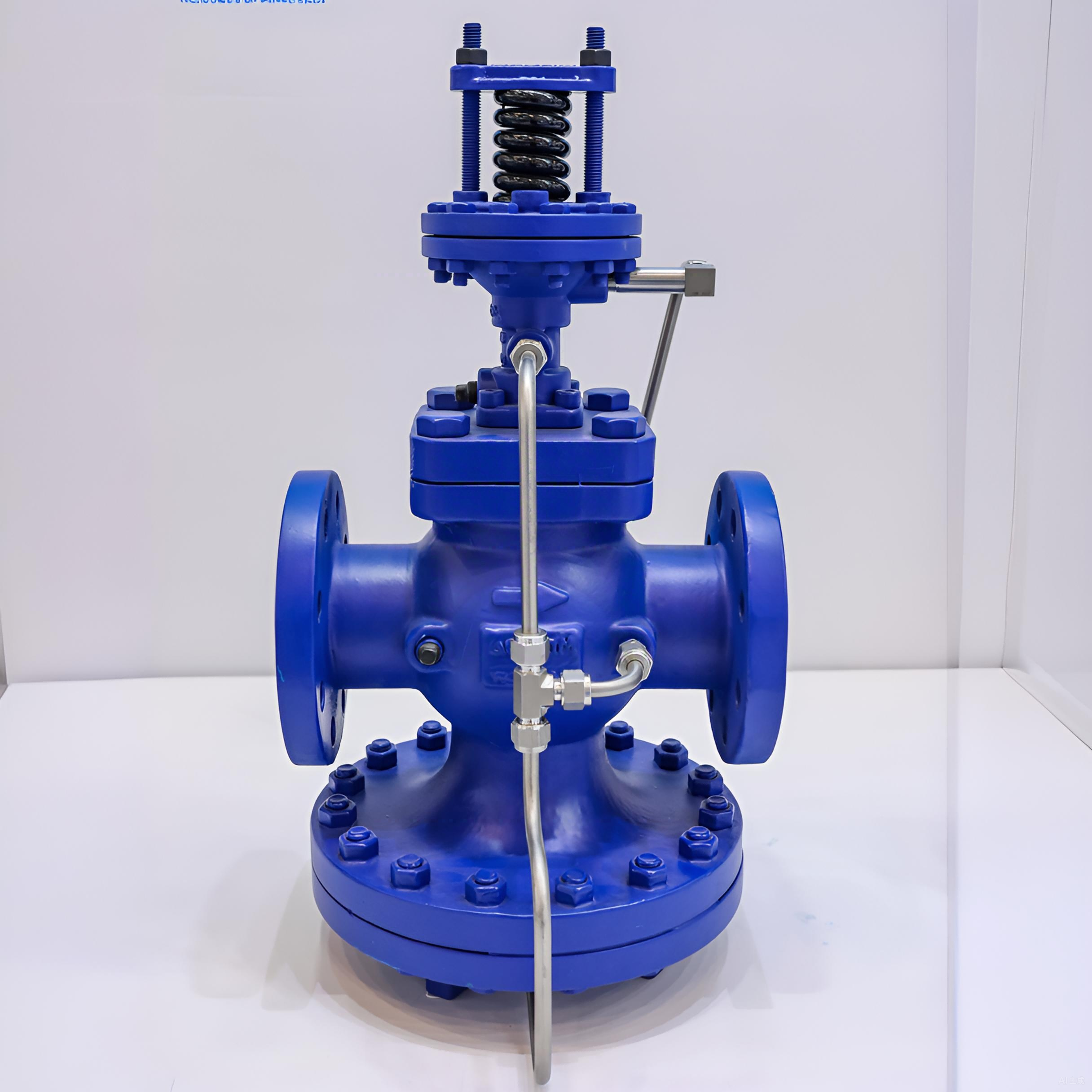
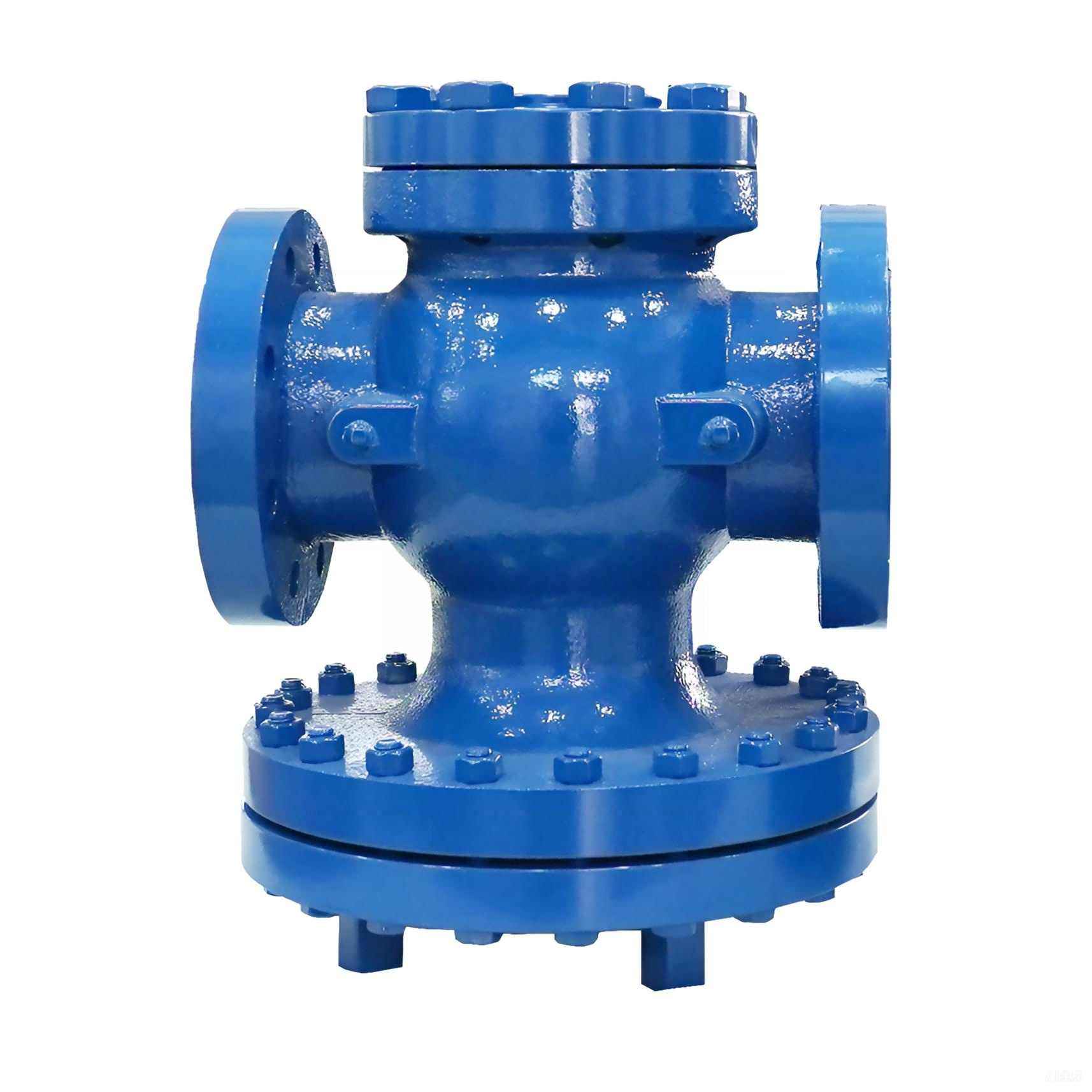
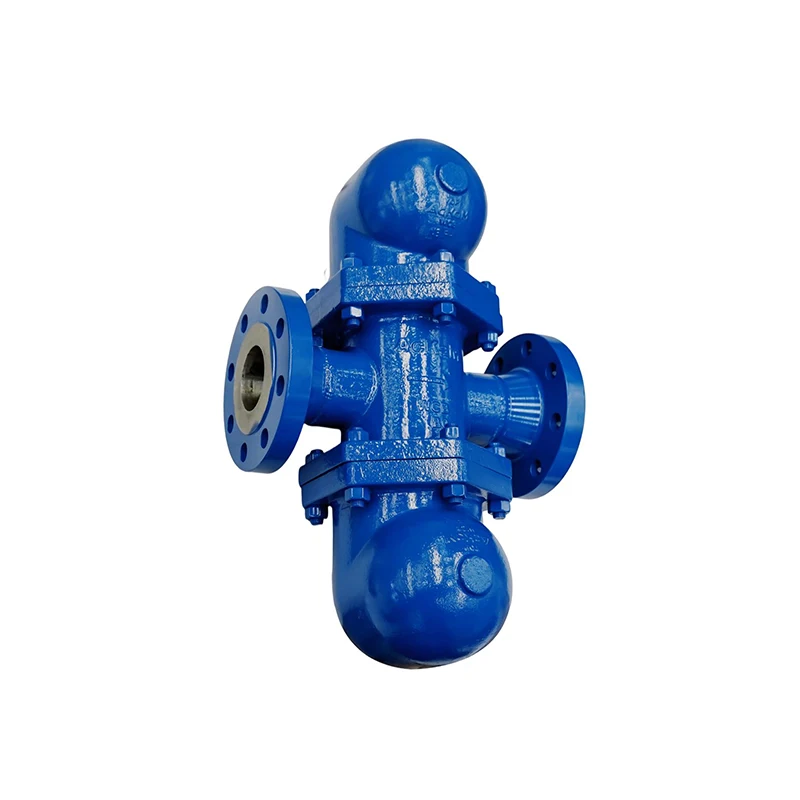
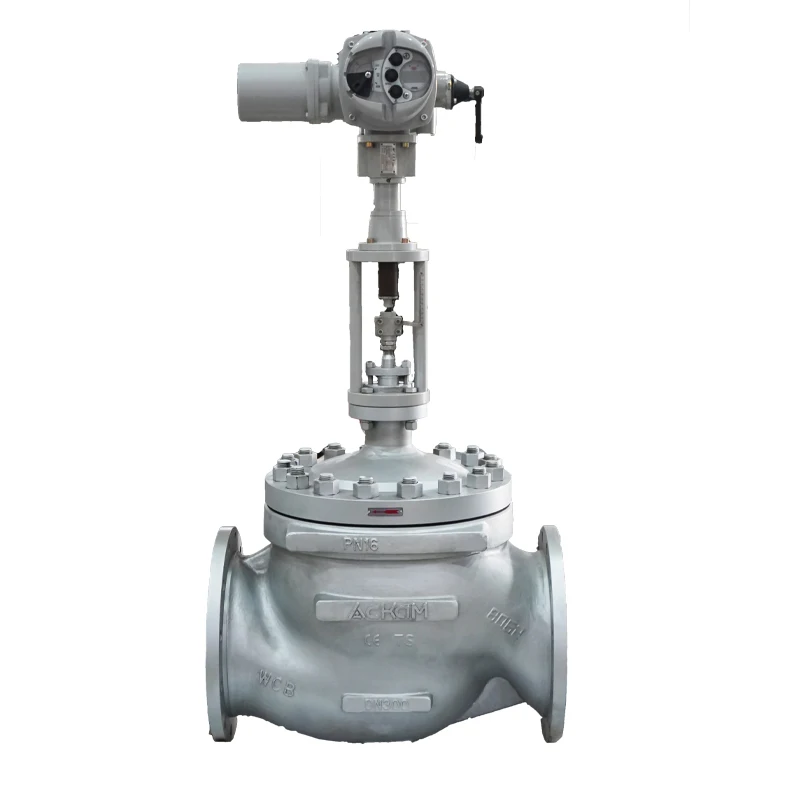
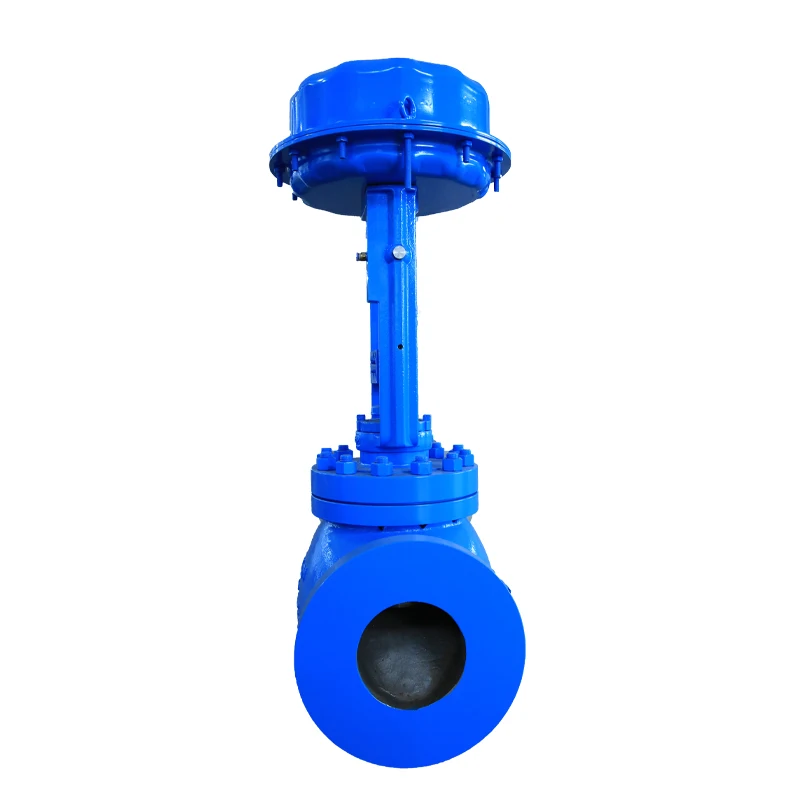
A pilot operated pressure reducing valve represents an advanced fluid control solution that maintains downstream pressure within predetermined limits regardless of upstream pressure fluctuations or flow rate variations. This sophisticated valve system incorporates a main valve body coupled with a separate pilot control mechanism that monitors and regulates pressure conditions automatically. The pilot operated pressure reducing valve functions through a unique two-stage pressure reduction process, where the pilot valve controls the main valve's operation by sensing downstream pressure and adjusting accordingly. The main valve consists of a robust valve seat, movable disc or plug, and a spring-loaded diaphragm assembly that responds to pilot signals. When downstream pressure drops below the setpoint, the pilot valve opens, allowing control fluid to flow above the main valve diaphragm, creating pressure differential that opens the main valve. Conversely, when downstream pressure exceeds the desired level, the pilot valve closes, relieving pressure above the diaphragm and allowing the main valve to close gradually. This pilot operated pressure reducing valve design ensures exceptional accuracy in pressure control, typically maintaining pressure within ±2% of the setpoint even under varying flow conditions. The valve construction features durable materials including stainless steel internals, reinforced diaphragms, and corrosion-resistant housings that withstand harsh operating environments. Modern pilot operated pressure reducing valve systems incorporate adjustable settings, allowing operators to modify pressure setpoints without disassembling the valve. The technology enables precise pressure regulation across wide flow ranges, from minimal trickle flows to maximum system capacity. Applications span numerous industries including water distribution systems, industrial process control, HVAC systems, gas distribution networks, and chemical processing facilities. The pilot operated pressure reducing valve excels in situations requiring consistent downstream pressure despite significant upstream pressure variations, making it essential for protecting downstream equipment and maintaining system efficiency.

New Product Releases

The pilot operated pressure reducing valve delivers superior performance benefits that directly translate into operational efficiency and cost savings for facility managers and system operators. These valves provide exceptional pressure accuracy, maintaining consistent downstream pressure within tight tolerances regardless of upstream pressure fluctuations or demand variations. This precision eliminates pressure-related equipment damage, extends component lifespan, and reduces maintenance costs significantly. The pilot operated pressure reducing valve operates with remarkable responsiveness, quickly adjusting to changing system conditions without the lag time associated with conventional pressure reducing valves. This rapid response capability prevents pressure spikes that could damage sensitive downstream equipment or disrupt critical processes. Installation versatility represents another major advantage, as the pilot operated pressure reducing valve adapts to various piping configurations and system requirements. The valve handles wide flow ranges effectively, maintaining stable pressure control from minimum to maximum flow conditions without requiring multiple valve installations. Energy efficiency benefits emerge from the valve's ability to reduce unnecessary system pressures, lowering pumping costs and reducing energy consumption throughout the distribution network. Maintenance requirements remain minimal due to the robust construction and self-regulating design of the pilot operated pressure reducing valve. The valve operates continuously without frequent adjustments or component replacements, reducing downtime and labor costs. Operational flexibility allows for easy pressure setpoint adjustments without system shutdown or valve removal, enabling quick responses to changing operational requirements. The pilot operated pressure reducing valve demonstrates exceptional durability in challenging environments, withstanding temperature extremes, corrosive media, and high-pressure applications that would compromise standard valve designs. Safety benefits include automatic pressure limitation that protects personnel and equipment from dangerous overpressure conditions. The valve's fail-safe design ensures gradual closure rather than sudden shutoff, preventing water hammer and system damage. Long-term reliability reduces replacement costs and ensures consistent system performance over extended operational periods. These comprehensive advantages make the pilot operated pressure reducing valve an intelligent investment for facilities seeking dependable pressure control solutions that deliver measurable returns through reduced operating costs, improved system reliability, and enhanced operational safety.

Tips And Tricks

Soaring to New Heights: AcKaM Industrial Surges in Billion-Dollar Market with 200% H1 Sales Growth

04

Nov

Soaring to New Heights: AcKaM Industrial Surges in Billion-Dollar Market with 200% H1 Sales Growth

View More
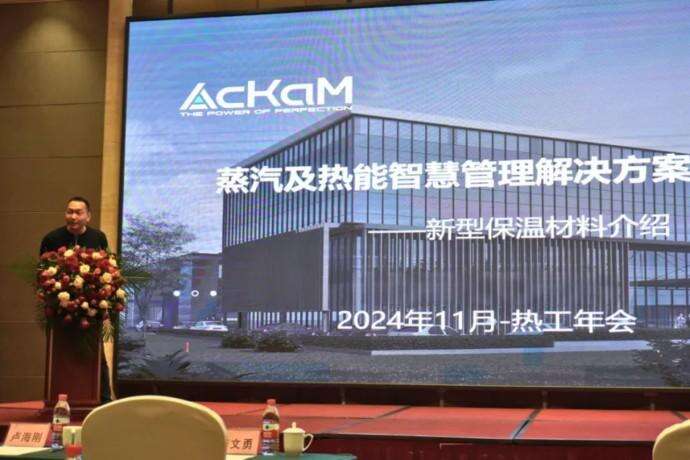
Innovation in Thermal Insulation Technology! AcKaM Delivers Keynote Speech at 2024 National Thermal Engineering Conference

05

Nov

Innovation in Thermal Insulation Technology! AcKaM Delivers Keynote Speech at 2024 National Thermal Engineering Conference

View More
AcKaM: Riding the Trillion-Yuan Wave to Pioneer Innovation

04

Nov

AcKaM: Riding the Trillion-Yuan Wave to Pioneer Innovation

View More

Get a Free Quote

Our representative will contact you soon.
Email
Name
Company Name
Message
0/1000

pilot operated pressure reducing valve

Advanced Pilot Control Technology for Unmatched Precision

Advanced Pilot Control Technology for Unmatched Precision

The pilot operated pressure reducing valve incorporates sophisticated pilot control technology that sets new standards for pressure regulation accuracy and system reliability. This advanced control mechanism operates through a separate pilot valve that continuously monitors downstream pressure conditions and automatically adjusts the main valve position to maintain precise pressure setpoints. The pilot system features a sensitive diaphragm assembly that detects minute pressure variations and responds instantaneously to correct deviations before they impact system performance. Unlike conventional pressure reducing valves that rely on simple spring mechanisms, the pilot operated pressure reducing valve utilizes hydraulic amplification through the pilot control system, enabling precise pressure regulation even under extreme flow variations. The pilot valve assembly includes adjustable components that allow operators to fine-tune pressure settings with exceptional accuracy, typically achieving pressure control within ±1% of the setpoint under normal operating conditions. This precision proves crucial in applications where downstream equipment sensitivity demands stable pressure conditions, such as in manufacturing processes, laboratory systems, and precision instrumentation. The pilot operated pressure reducing valve technology eliminates the hunting and oscillation problems common in direct-acting valves, providing smooth, stable pressure control that protects downstream components from harmful pressure fluctuations. The pilot control system operates independently of main valve size, allowing the same high precision across different valve capacities and system requirements. Advanced pilot designs incorporate multiple sensing points and feedback loops that enhance response accuracy and system stability. The technology enables the pilot operated pressure reducing valve to maintain consistent performance regardless of upstream pressure variations, flow rate changes, or temperature fluctuations that would compromise conventional valve operation. This advanced control technology translates into tangible benefits including reduced equipment wear, improved process consistency, lower maintenance requirements, and enhanced system safety. The pilot operated pressure reducing valve represents the pinnacle of pressure control engineering, delivering precision and reliability that justifies the investment through improved operational efficiency and reduced lifecycle costs.
Exceptional Flow Range Capability and System Adaptability

Exceptional Flow Range Capability and System Adaptability

The pilot operated pressure reducing valve demonstrates remarkable flow range capability that significantly outperforms conventional pressure reducing valves across diverse operating conditions. This exceptional range flexibility allows a single pilot operated pressure reducing valve to handle flow variations from 5% to 100% of maximum capacity while maintaining precise pressure control throughout the entire range. Traditional pressure reducing valves often struggle with turndown ratios exceeding 10:1, but the pilot operated pressure reducing valve routinely achieves turndown ratios of 50:1 or higher without compromising pressure accuracy or system stability. This superior flow range capability eliminates the need for multiple valve installations or complex valve sizing calculations that complicate system design and increase installation costs. The pilot operated pressure reducing valve adapts seamlessly to varying demand patterns, automatically adjusting to accommodate peak flow periods and low-demand conditions without manual intervention or system modifications. System adaptability extends beyond flow range to include compatibility with different fluid types, pressure ranges, and operating temperatures. The pilot operated pressure reducing valve handles liquids, gases, and steam applications with equal effectiveness, making it a versatile solution for multi-purpose facilities and complex industrial processes. Installation flexibility allows the pilot operated pressure reducing valve to integrate into existing systems with minimal modifications, accommodating various piping configurations and space constraints. The valve operates effectively in both horizontal and vertical orientations, providing design flexibility that simplifies installation planning and reduces construction costs. Temperature compensation features ensure consistent performance across wide temperature ranges, maintaining pressure accuracy regardless of seasonal variations or process temperature changes. The pilot operated pressure reducing valve accommodates pressure ratios up to 20:1, handling high upstream pressures while delivering stable low downstream pressures that protect sensitive equipment. This exceptional adaptability makes the pilot operated pressure reducing valve suitable for applications ranging from municipal water systems to high-pressure industrial processes. The combination of wide flow range capability and system adaptability reduces inventory requirements, simplifies maintenance procedures, and provides operational flexibility that adapts to changing facility requirements over time.
Superior Durability and Long-Term Reliability Performance

Superior Durability and Long-Term Reliability Performance

The pilot operated pressure reducing valve delivers exceptional durability and long-term reliability that substantially reduces lifecycle costs and ensures consistent system performance over decades of operation. Construction materials selection prioritizes corrosion resistance and mechanical strength, incorporating stainless steel internals, hardened valve seats, and reinforced diaphragm assemblies that withstand aggressive media and challenging operating conditions. The pilot operated pressure reducing valve design eliminates common failure points through robust engineering that distributes operational stresses across multiple components rather than concentrating wear on single elements. Advanced metallurgy and surface treatments protect critical components from cavitation, erosion, and chemical attack that typically compromise valve performance in demanding applications. The pilot operated pressure reducing valve incorporates redundant sealing systems that maintain leak-tight performance even after millions of operating cycles, ensuring environmental compliance and operational safety throughout the valve's service life. Bearing surfaces utilize self-lubricating materials and optimized geometries that minimize friction and wear, extending component life far beyond conventional valve designs. The pilot operated pressure reducing valve withstands pressure surges, thermal cycling, and vibration exposure that would damage standard pressure reducing valves, making it ideal for challenging industrial environments. Quality manufacturing processes ensure consistent performance across production runs, with rigorous testing protocols that verify each pilot operated pressure reducing valve meets strict performance criteria before shipment. Field-replaceable components enable cost-effective maintenance without complete valve replacement, extending service life and reducing downtime during routine maintenance procedures. The pilot operated pressure reducing valve design facilitates in-line maintenance and calibration, allowing service technicians to perform adjustments and component replacement without removing the valve from the pipeline. Comprehensive warranty coverage demonstrates manufacturer confidence in long-term reliability, providing customers with protection against premature failures and performance degradation. Extended service intervals reduce maintenance scheduling complexity and lower operational costs compared to conventional valves requiring frequent attention. The pilot operated pressure reducing valve proven track record in critical applications includes power generation, chemical processing, and municipal infrastructure where reliability directly impacts public safety and economic performance. This superior durability translates into measurable return on investment through reduced replacement costs, minimized downtime, and consistent system performance that meets operational requirements year after year.

Get a Free Quote

Our representative will contact you soon.
Email
Name
Company Name
Message
0/1000