Steam Water Pressure Reduction Systems: Industrial Efficiency and Safety Solutions

All Categories

Get a Free Quote

Our representative will contact you soon.
Email
Name
Company Name
Message
0/1000

steam water pressure reduction

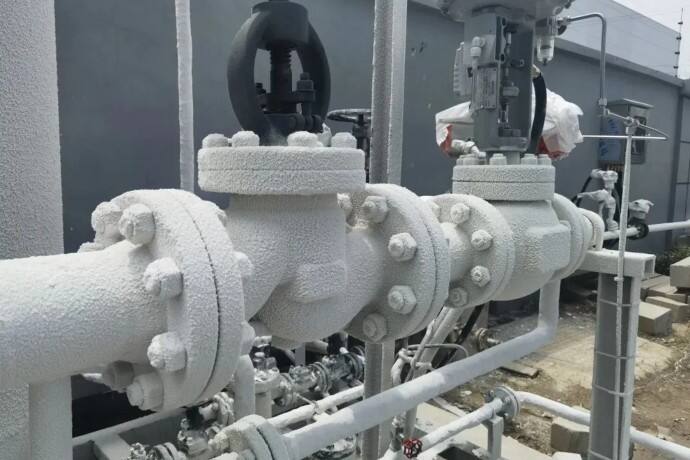
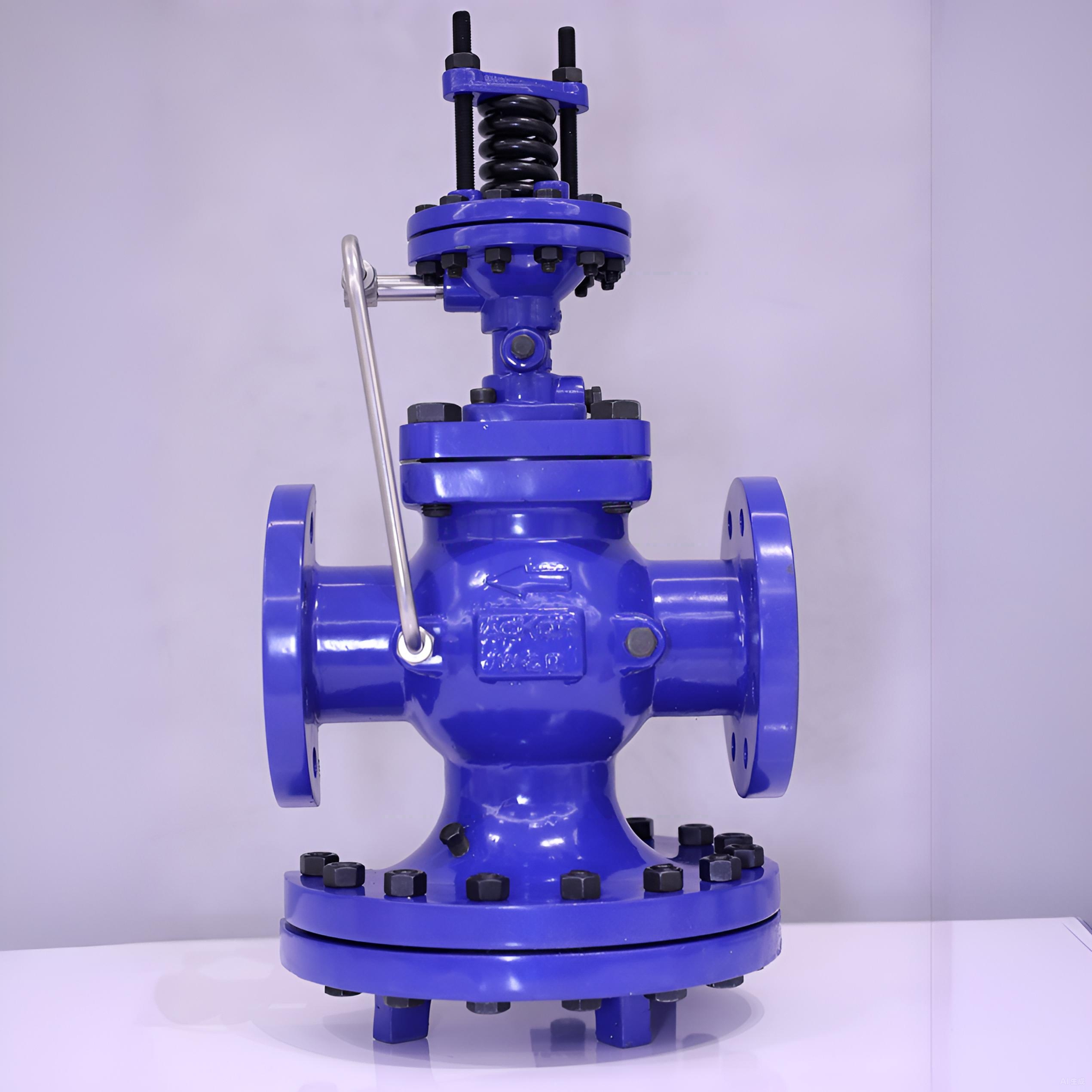
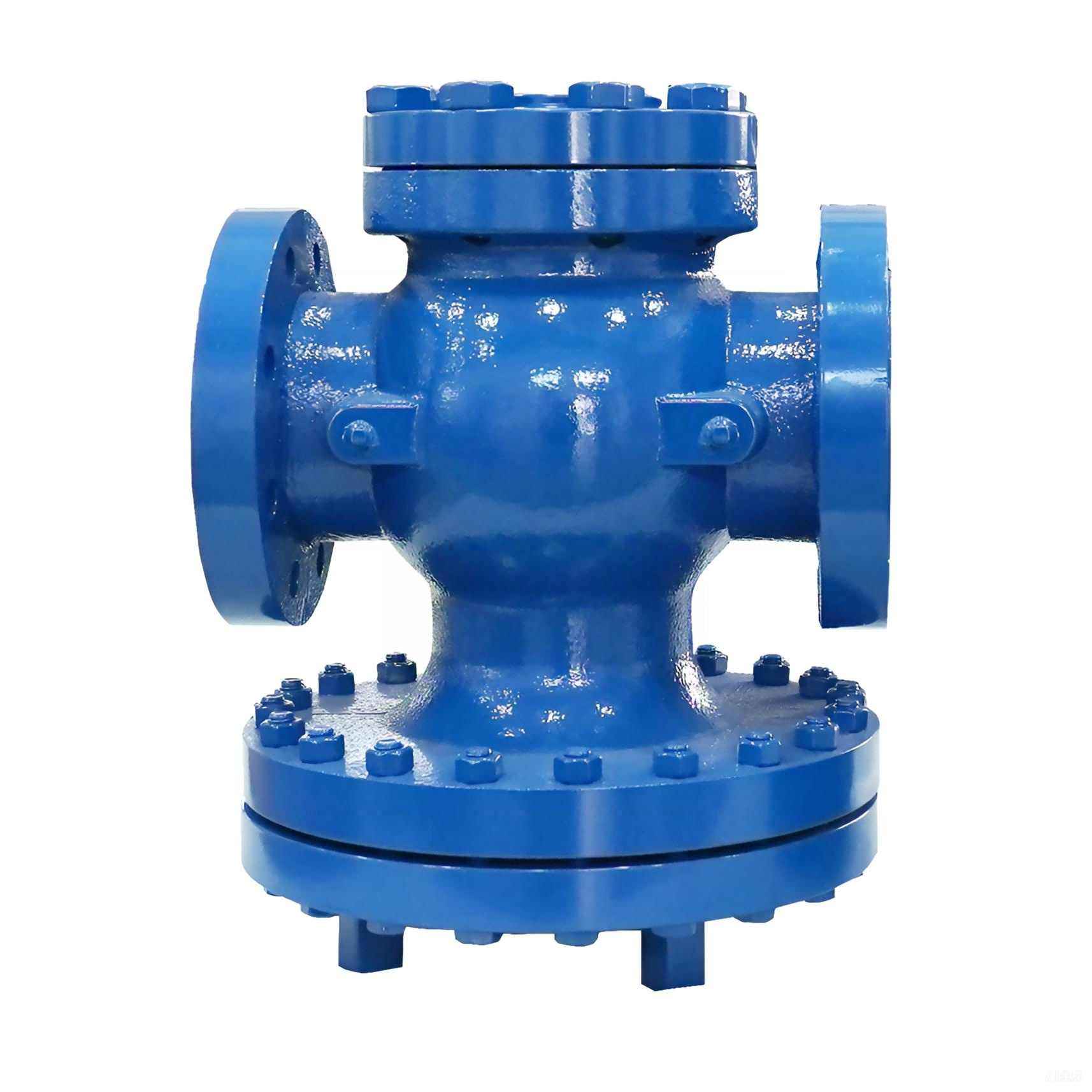
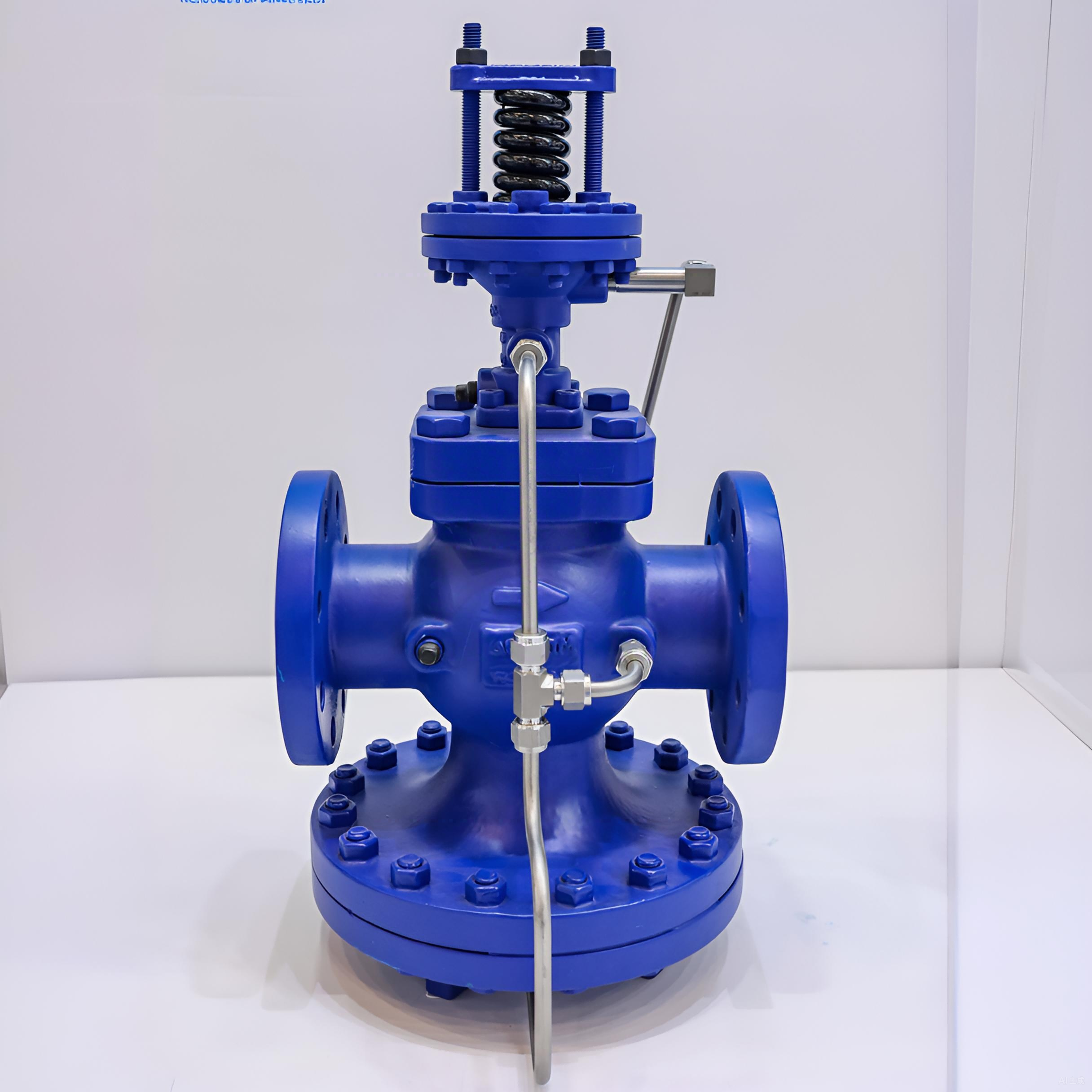
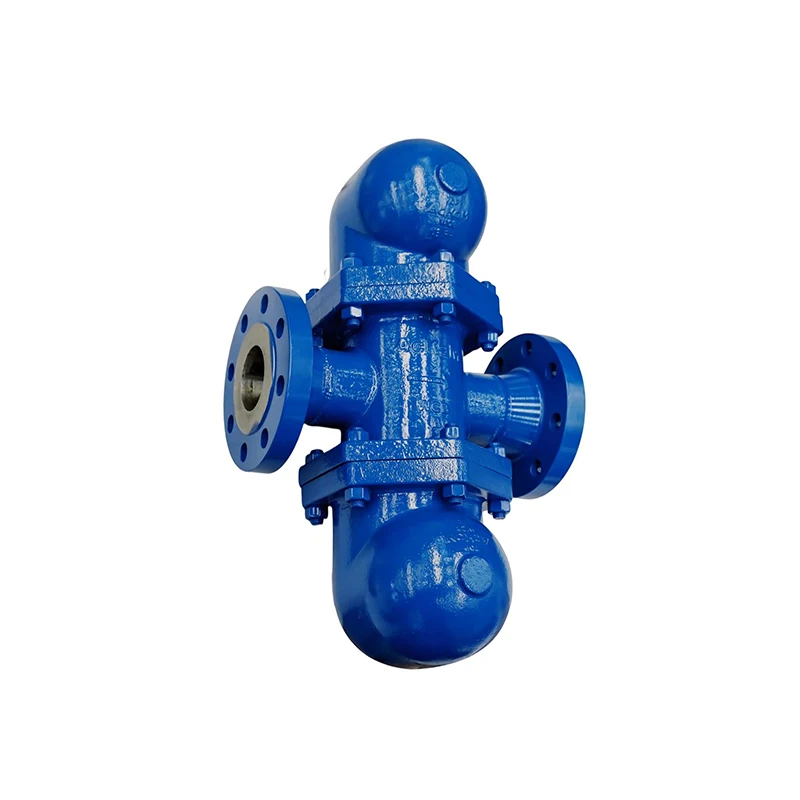
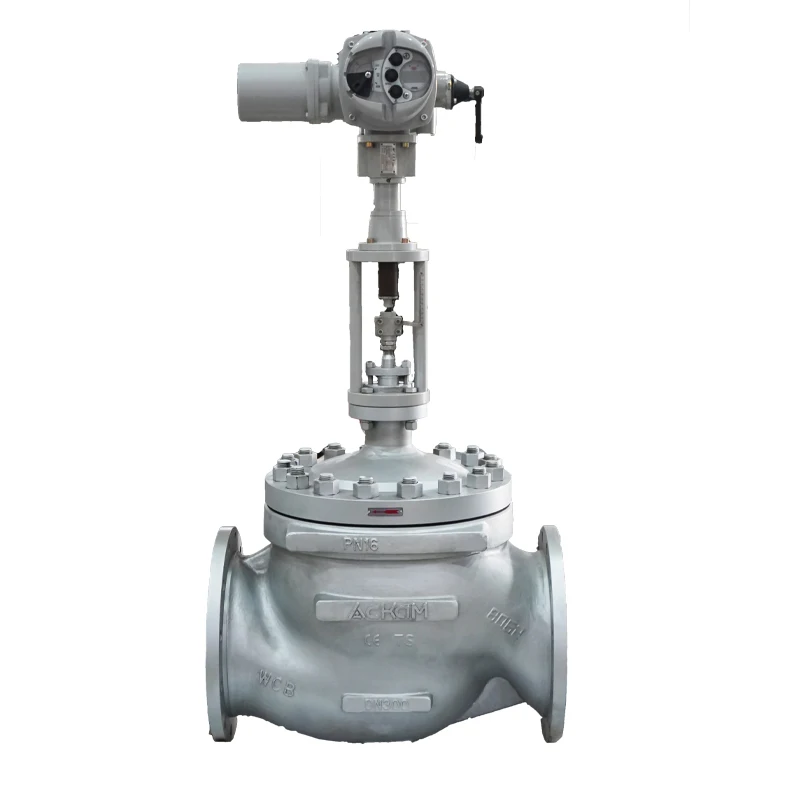
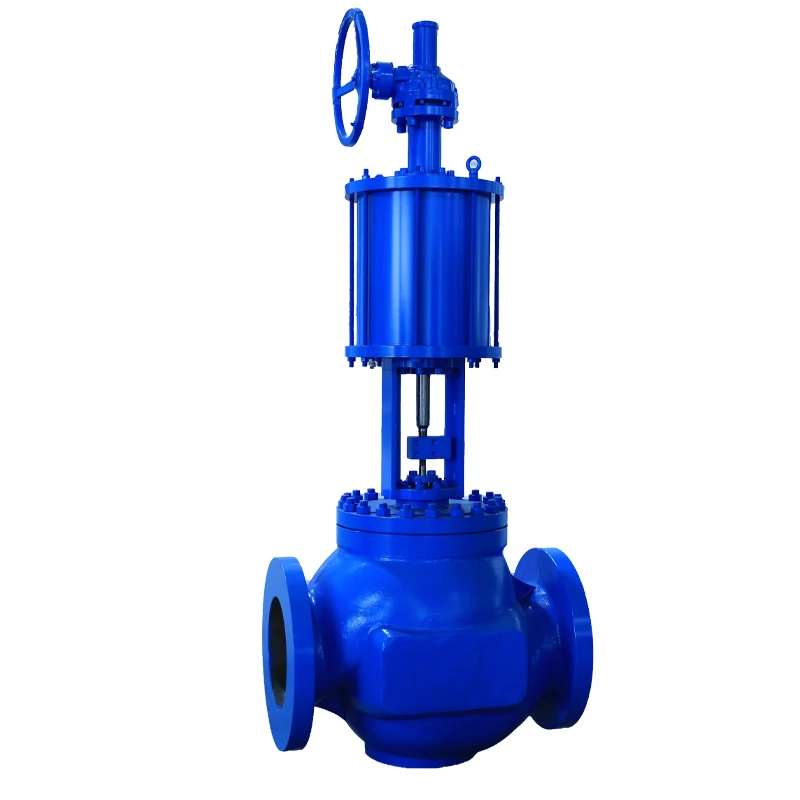
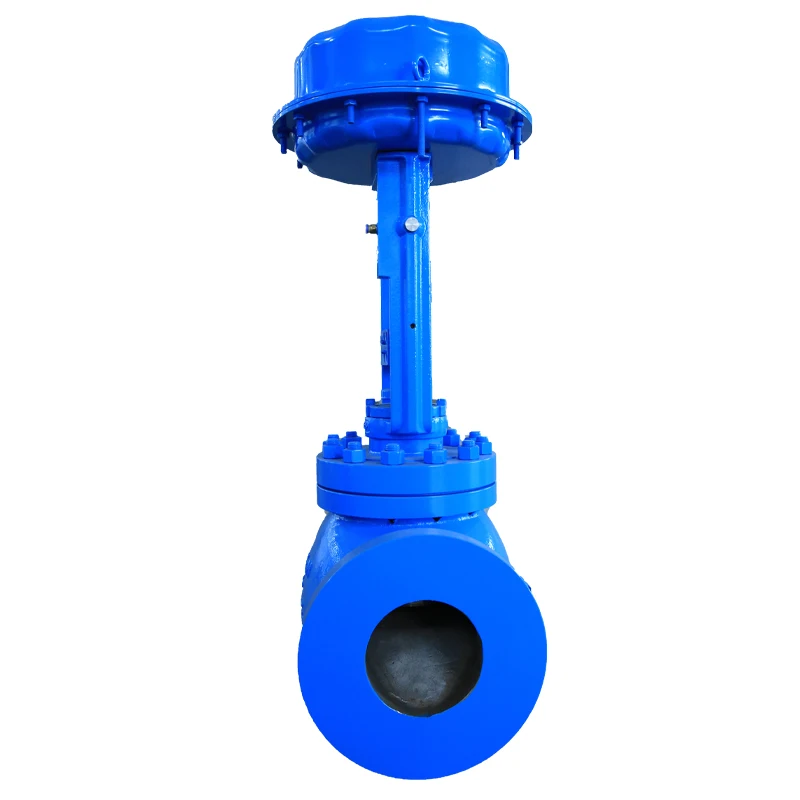
Steam water pressure reduction represents a critical component in industrial and commercial applications where high-pressure steam systems require controlled pressure levels for safe and efficient operation. This technology serves as an essential interface between high-pressure steam sources and downstream equipment that operates at lower pressure requirements. The primary function of steam water pressure reduction systems involves converting high-pressure steam into lower-pressure steam while maintaining optimal temperature and flow characteristics. These systems utilize advanced valve mechanisms and control technologies to ensure precise pressure regulation across varying demand conditions. The technological foundation of steam water pressure reduction relies on sophisticated pressure-reducing valves that incorporate spring-loaded or pilot-operated mechanisms. These valves automatically adjust their opening based on downstream pressure conditions, maintaining consistent output pressure regardless of inlet pressure fluctuations or flow rate changes. Modern steam water pressure reduction systems feature robust construction materials such as stainless steel or carbon steel bodies that withstand extreme temperatures and corrosive environments. The internal components include precision-machined valve seats, high-temperature seals, and calibrated spring assemblies that ensure reliable performance over extended operational periods. Applications for steam water pressure reduction span numerous industries including manufacturing, food processing, pharmaceutical production, textile operations, and building heating systems. In manufacturing facilities, these systems enable the safe distribution of steam to various production processes while protecting sensitive equipment from excessive pressure. Food processing plants rely on steam water pressure reduction for cooking, sterilization, and cleaning operations where precise pressure control ensures product quality and safety standards. The versatility of steam water pressure reduction technology allows for customization based on specific operational requirements, including pressure ranges, flow capacities, and environmental conditions.

New Products

Steam water pressure reduction systems deliver substantial operational benefits that directly impact efficiency, safety, and cost-effectiveness across industrial applications. The primary advantage lies in enhanced safety protocols, as these systems automatically prevent dangerous pressure buildup that could damage downstream equipment or create hazardous working conditions. By maintaining consistent pressure levels, steam water pressure reduction eliminates the risk of pressure surges that can cause equipment failure, production downtime, and potential injury to personnel. Energy efficiency represents another significant benefit, as proper pressure reduction optimizes steam utilization throughout the system. When steam operates at appropriate pressure levels, heat transfer becomes more efficient, reducing overall energy consumption and lowering operational costs. This efficiency translates into measurable savings on fuel expenses and reduced environmental impact through decreased energy waste. Equipment protection constitutes a major advantage of steam water pressure reduction systems, extending the lifespan of downstream components by preventing exposure to excessive pressures. Pumps, heat exchangers, valves, and other system components experience less stress and wear when operating within their designed pressure parameters. This protection reduces maintenance requirements, minimizes replacement costs, and prevents unexpected equipment failures that disrupt production schedules. Installation flexibility offers practical advantages for facility managers and engineers who need to adapt existing systems or design new installations. Steam water pressure reduction systems accommodate various pipe sizes, pressure ranges, and flow capacities, making them suitable for diverse applications. The modular design allows for easy integration into existing steam networks without extensive modifications. Operational reliability ensures consistent performance under varying load conditions, automatically adjusting to maintain stable pressure output. This reliability reduces the need for manual intervention and constant monitoring, freeing up personnel for other critical tasks. The systems respond quickly to pressure changes, maintaining stable operation during peak demand periods or sudden load variations. Cost savings accumulate through multiple channels including reduced energy consumption, extended equipment life, decreased maintenance requirements, and improved process efficiency. These systems typically pay for themselves through operational savings within a reasonable timeframe, making them attractive investments for businesses seeking to optimize their steam systems while reducing long-term operational expenses.

Tips And Tricks

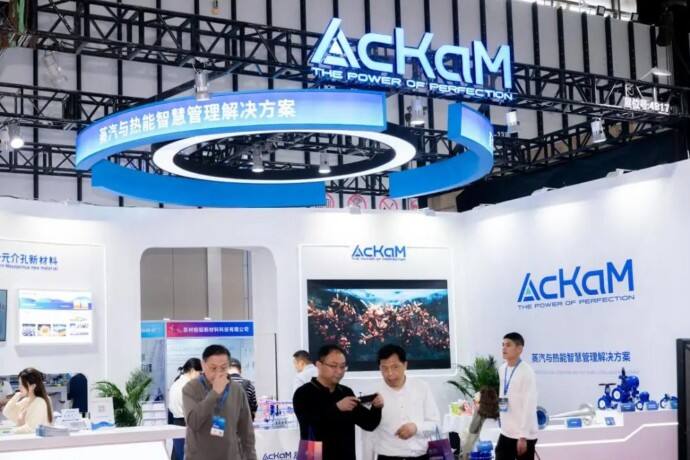
Soaring to New Heights: AcKaM Industrial Surges in Billion-Dollar Market with 200% H1 Sales Growth

04

Nov

Soaring to New Heights: AcKaM Industrial Surges in Billion-Dollar Market with 200% H1 Sales Growth

View More
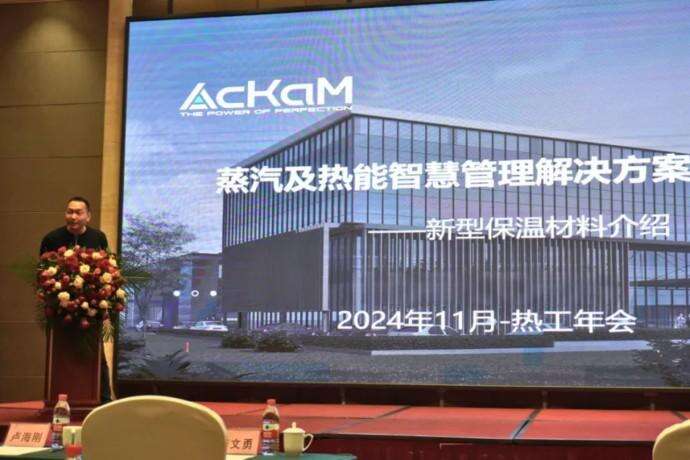
Innovation in Thermal Insulation Technology! AcKaM Delivers Keynote Speech at 2024 National Thermal Engineering Conference

05

Nov

Innovation in Thermal Insulation Technology! AcKaM Delivers Keynote Speech at 2024 National Thermal Engineering Conference

View More
AcKaM: Riding the Trillion-Yuan Wave to Pioneer Innovation

04

Nov

AcKaM: Riding the Trillion-Yuan Wave to Pioneer Innovation

View More

Get a Free Quote

Our representative will contact you soon.
Email
Name
Company Name
Message
0/1000

steam water pressure reduction

Advanced Pressure Control Technology

Advanced Pressure Control Technology

The cornerstone of effective steam water pressure reduction lies in its advanced pressure control technology that delivers precise, consistent pressure management across diverse operational conditions. This sophisticated control system incorporates state-of-the-art pressure-reducing valves equipped with precision-engineered internal components that respond instantaneously to pressure variations. The technology employs either spring-loaded or pilot-operated mechanisms, each designed to maintain exact downstream pressure regardless of fluctuations in upstream pressure or flow demand. Spring-loaded systems utilize calibrated spring assemblies that automatically adjust valve positioning based on pressure differentials, providing reliable control without external power requirements. Pilot-operated systems offer enhanced sensitivity and control accuracy through auxiliary pilot valves that monitor downstream pressure and adjust the main valve accordingly. The control technology incorporates feedback mechanisms that continuously monitor system performance and make real-time adjustments to maintain optimal pressure levels. These systems feature built-in safety mechanisms including pressure relief capabilities and fail-safe designs that protect equipment and personnel during abnormal operating conditions. The advanced materials used in construction, including high-grade stainless steel and specialized alloys, ensure durability and resistance to corrosion, erosion, and thermal stress. Precision machining of valve components creates tight tolerances that minimize internal leakage and maximize efficiency. The control technology also includes adjustable settings that allow operators to fine-tune pressure outputs based on specific application requirements. Installation versatility enables integration into existing systems with minimal modifications, while maintenance accessibility ensures long-term reliability. The technology adapts to varying flow conditions automatically, maintaining stable pressure output during both low-demand periods and peak usage scenarios. This advanced control capability eliminates the need for constant manual adjustments and reduces operator intervention, contributing to improved safety and operational efficiency throughout the steam system.
Energy Efficiency Optimization

Energy Efficiency Optimization

Steam water pressure reduction systems excel in energy efficiency optimization by ensuring optimal steam utilization throughout industrial processes while minimizing energy waste and operational costs. The efficiency gains result from precise pressure management that allows steam to operate at ideal conditions for specific applications, maximizing heat transfer effectiveness and reducing fuel consumption. When steam operates at appropriate pressure levels, the energy content becomes more accessible for process applications, eliminating the waste associated with excess pressure that cannot be utilized effectively. The optimization process begins with accurate pressure reduction that converts high-pressure steam into lower-pressure steam while preserving maximum energy content. This conversion process maintains the thermal energy within the steam while adjusting pressure characteristics to match downstream requirements. The result is improved heat transfer efficiency in applications such as heating, processing, and power generation. Energy efficiency optimization extends beyond basic pressure reduction through intelligent system design that minimizes pressure drops and flow restrictions throughout the distribution network. Proper sizing and configuration ensure that steam reaches end-use points with minimal energy loss, reducing the overall demand on steam generation equipment. The systems contribute to load balancing by maintaining consistent pressure levels that prevent equipment from operating outside optimal efficiency ranges. This consistency reduces energy spikes and maintains steady fuel consumption patterns that improve overall system efficiency. Temperature stability represents another aspect of energy efficiency, as proper pressure control maintains optimal steam temperature characteristics that enhance heat transfer performance. The optimization includes reduced condensate formation through better pressure management, preserving more steam energy for productive use rather than losing it to premature condensation. Long-term energy savings accumulate through reduced boiler cycling, improved heat exchanger performance, and extended equipment life that maintains efficiency levels over time. The investment in steam water pressure reduction technology typically generates significant energy cost savings that justify initial equipment costs while contributing to environmental sustainability through reduced fuel consumption and lower emissions.
Industrial Reliability and Durability

Industrial Reliability and Durability

The industrial reliability and durability of steam water pressure reduction systems represent fundamental advantages that ensure continuous operation in demanding manufacturing and processing environments. These systems demonstrate exceptional reliability through robust construction methods, high-quality materials, and proven design principles that withstand extreme operating conditions including high temperatures, corrosive environments, and continuous operation cycles. The durability foundation begins with careful material selection, utilizing grades of stainless steel, carbon steel, and specialized alloys that resist corrosion, erosion, and thermal stress over extended periods. Internal components undergo precision manufacturing processes that create exact tolerances and smooth surface finishes, reducing wear and extending operational life. The reliability extends through comprehensive testing procedures that validate performance under various operating conditions before systems enter service. Quality control measures ensure consistent manufacturing standards and performance characteristics across all units. The systems incorporate redundant safety features and fail-safe mechanisms that maintain operation even during component degradation or unusual operating conditions. Maintenance accessibility enhances long-term reliability by enabling routine inspection and service procedures without extensive system shutdown or complex disassembly. The modular design philosophy allows for component replacement or upgrading without affecting overall system integrity. Operational reliability includes consistent performance under varying load conditions, maintaining accurate pressure control during both steady-state and transient operating periods. The systems demonstrate excellent response characteristics to sudden pressure changes or flow variations, quickly stabilizing to maintain desired output parameters. Durability testing validates performance over millions of operating cycles, confirming long-term reliability expectations. The industrial design incorporates protection against common failure modes including cavitation, erosion, and thermal cycling that can affect valve performance. Sealing technology utilizes advanced materials and designs that maintain integrity over extended periods while withstanding temperature fluctuations and pressure variations. Documentation and support systems ensure proper installation, operation, and maintenance practices that maximize reliability and durability throughout the equipment lifecycle, providing confidence for critical industrial applications where system failures can result in significant production losses and safety concerns.
Get a Free Quote

Our representative will contact you soon.
Email
Name
Company Name
Message
0/1000