pressure control
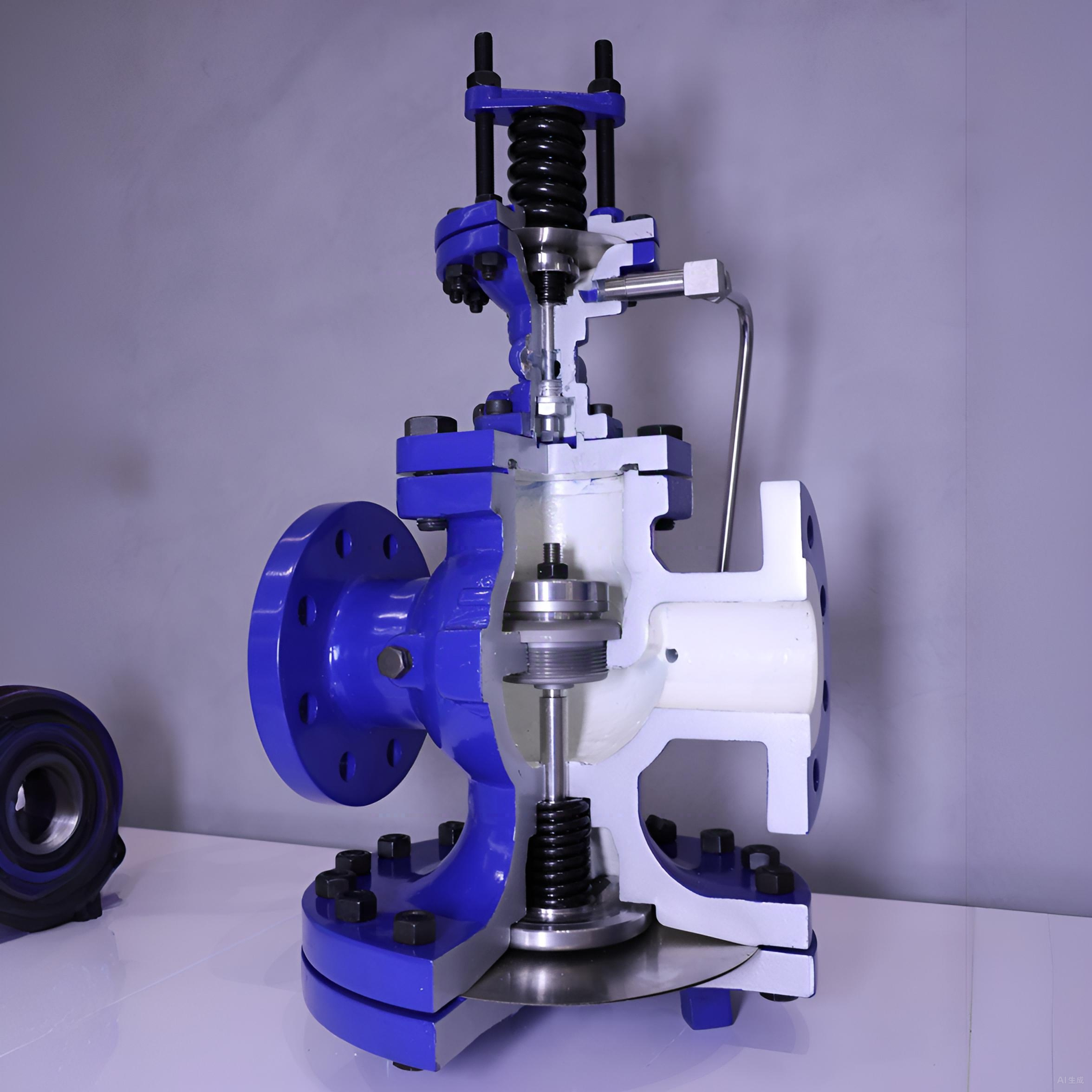
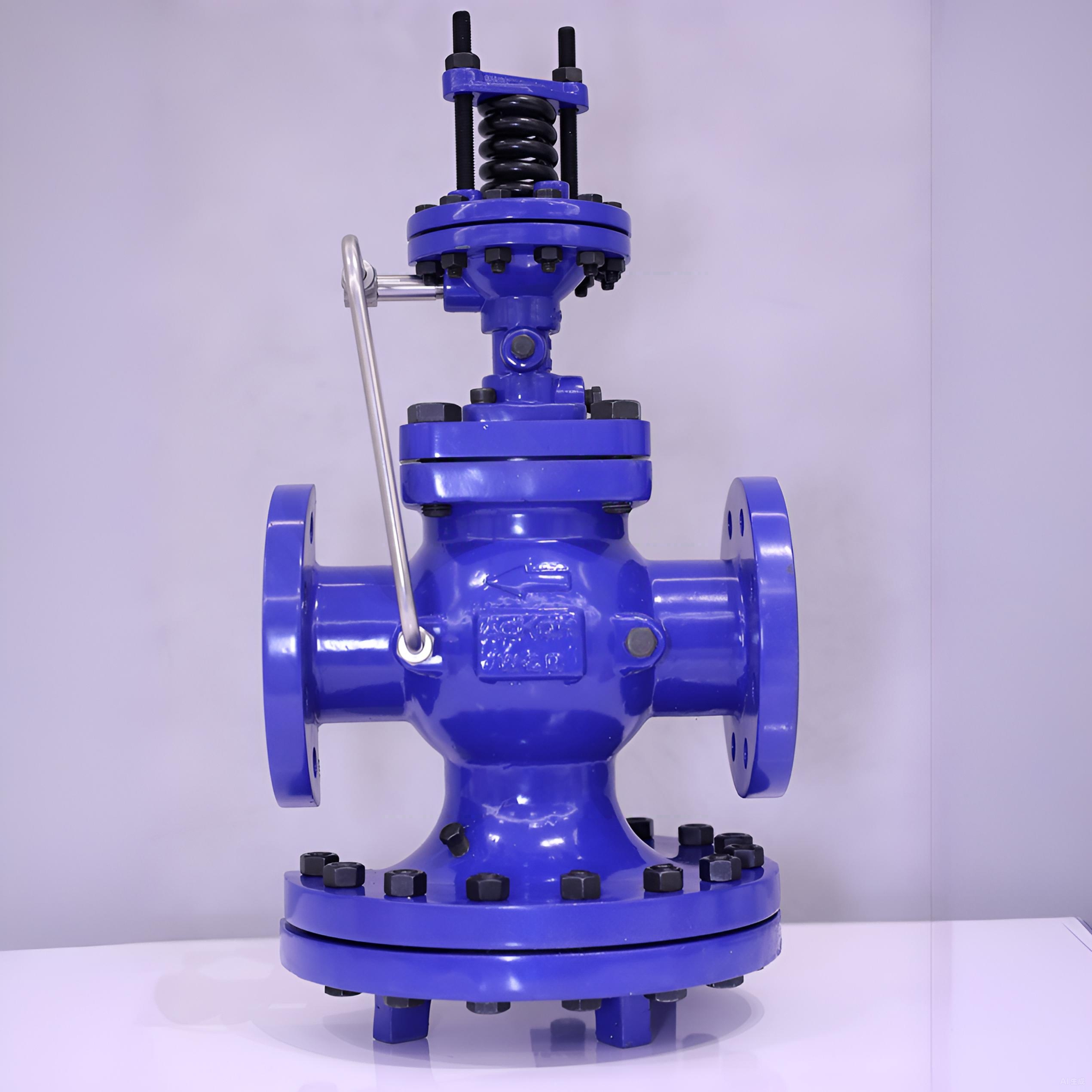
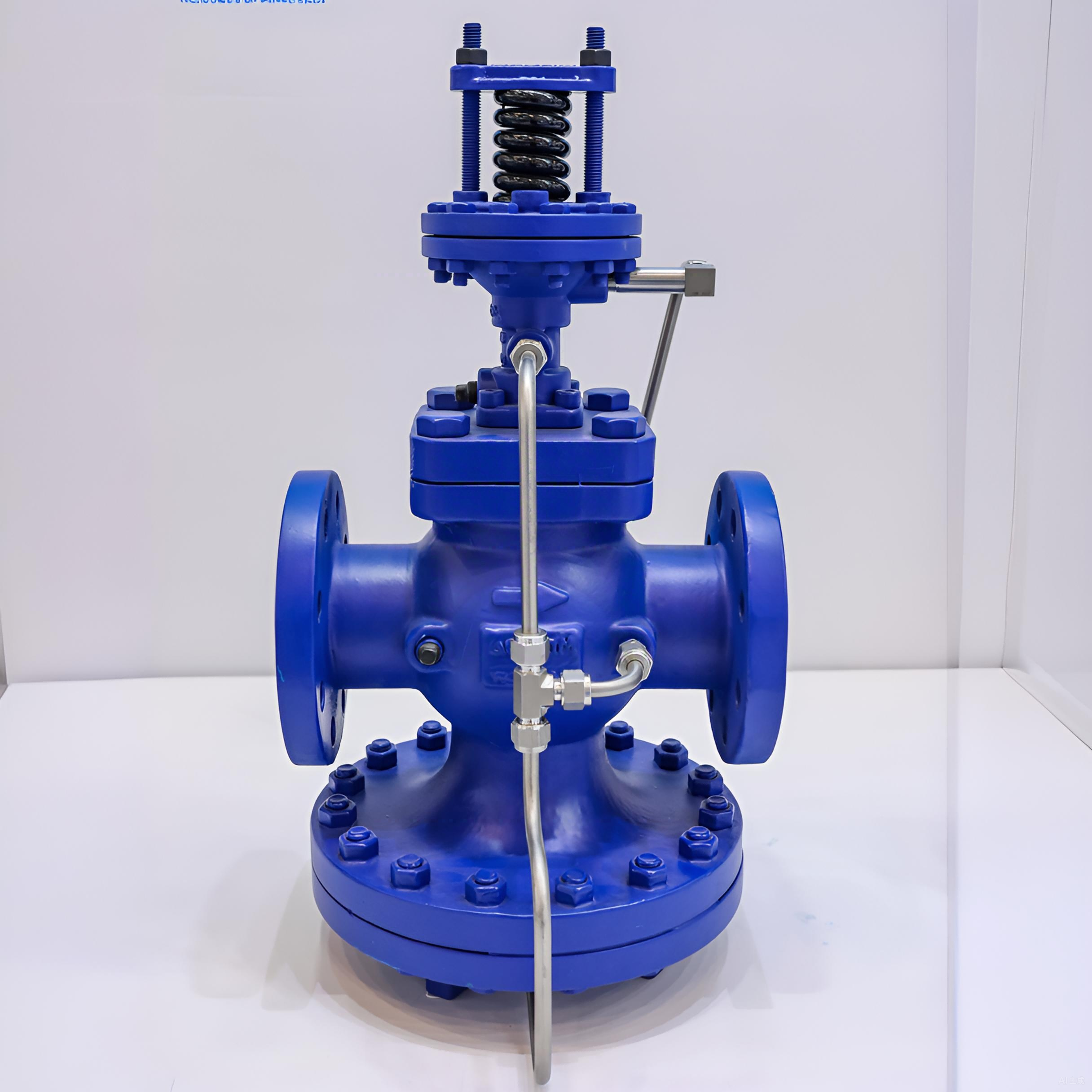
Pressure control systems represent essential components in modern industrial operations, serving as the backbone for maintaining optimal operating conditions across diverse applications. These sophisticated devices monitor, regulate, and maintain predetermined pressure levels within various systems, ensuring safety, efficiency, and performance standards are consistently met. A pressure control system typically comprises sensors, controllers, actuators, and feedback mechanisms that work in unison to detect pressure variations and implement corrective actions automatically. The primary function of pressure control involves continuous monitoring of system pressure through high-precision sensors that convert physical pressure into electrical signals. These signals are processed by intelligent controllers that compare actual readings against preset parameters, triggering appropriate responses when deviations occur. Modern pressure control systems incorporate advanced digital technology, featuring programmable logic controllers, touchscreen interfaces, and remote monitoring capabilities. The technological architecture includes fail-safe mechanisms, redundant safety systems, and predictive maintenance features that enhance reliability and reduce downtime. Applications span numerous industries including manufacturing, oil and gas, pharmaceuticals, food processing, aerospace, and automotive sectors. In manufacturing environments, pressure control ensures consistent product quality by maintaining optimal process conditions. The oil and gas industry relies heavily on these systems for pipeline safety, wellhead operations, and refinery processes. Pharmaceutical applications require precise pressure regulation for sterile environments and chemical reactions. Food processing facilities utilize pressure control for packaging, sterilization, and quality assurance procedures. Aerospace applications demand ultra-reliable pressure control for cabin pressurization and hydraulic systems. Automotive manufacturing incorporates these systems in paint booths, assembly lines, and testing equipment. The integration of Internet of Things technology has revolutionized pressure control capabilities, enabling real-time data analytics, predictive maintenance scheduling, and remote diagnostics. These advancements allow operators to optimize performance, reduce energy consumption, and prevent costly equipment failures through proactive intervention strategies.