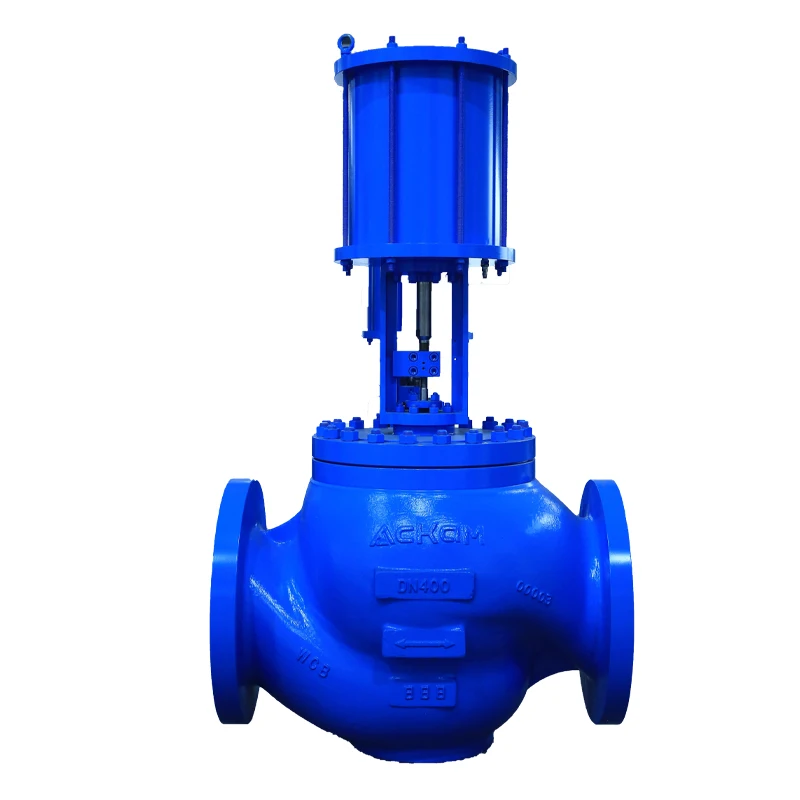
pressure reducing valve for water line
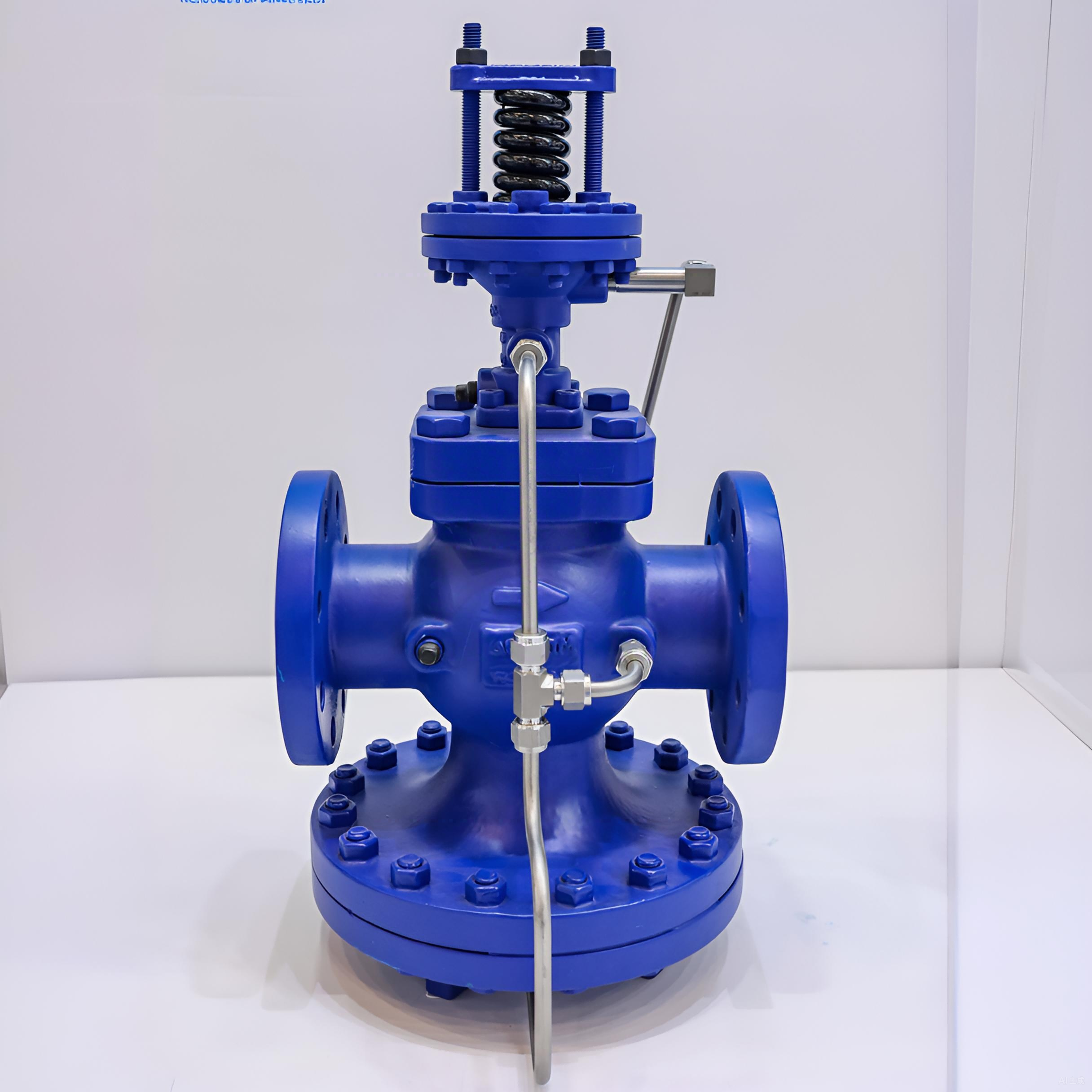
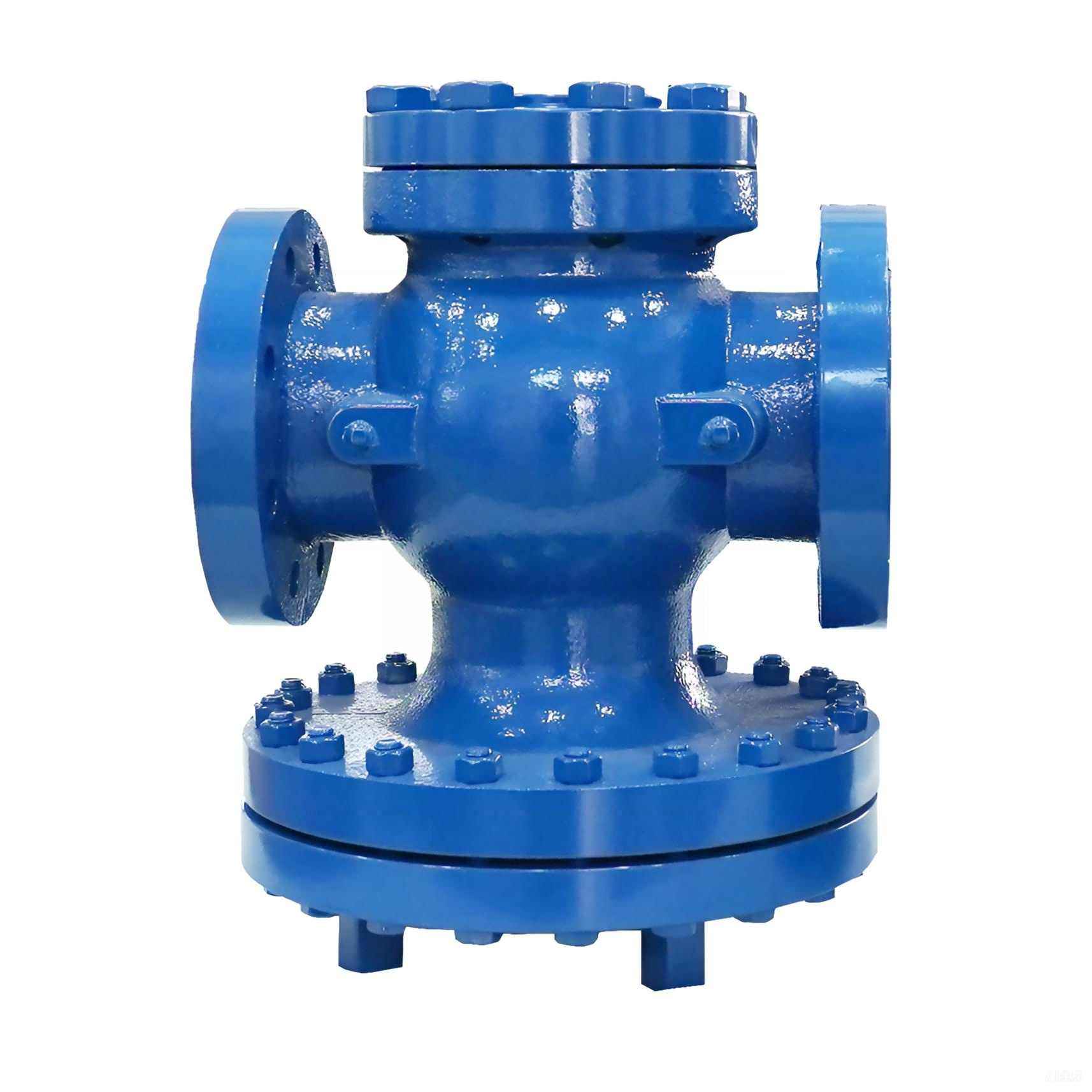
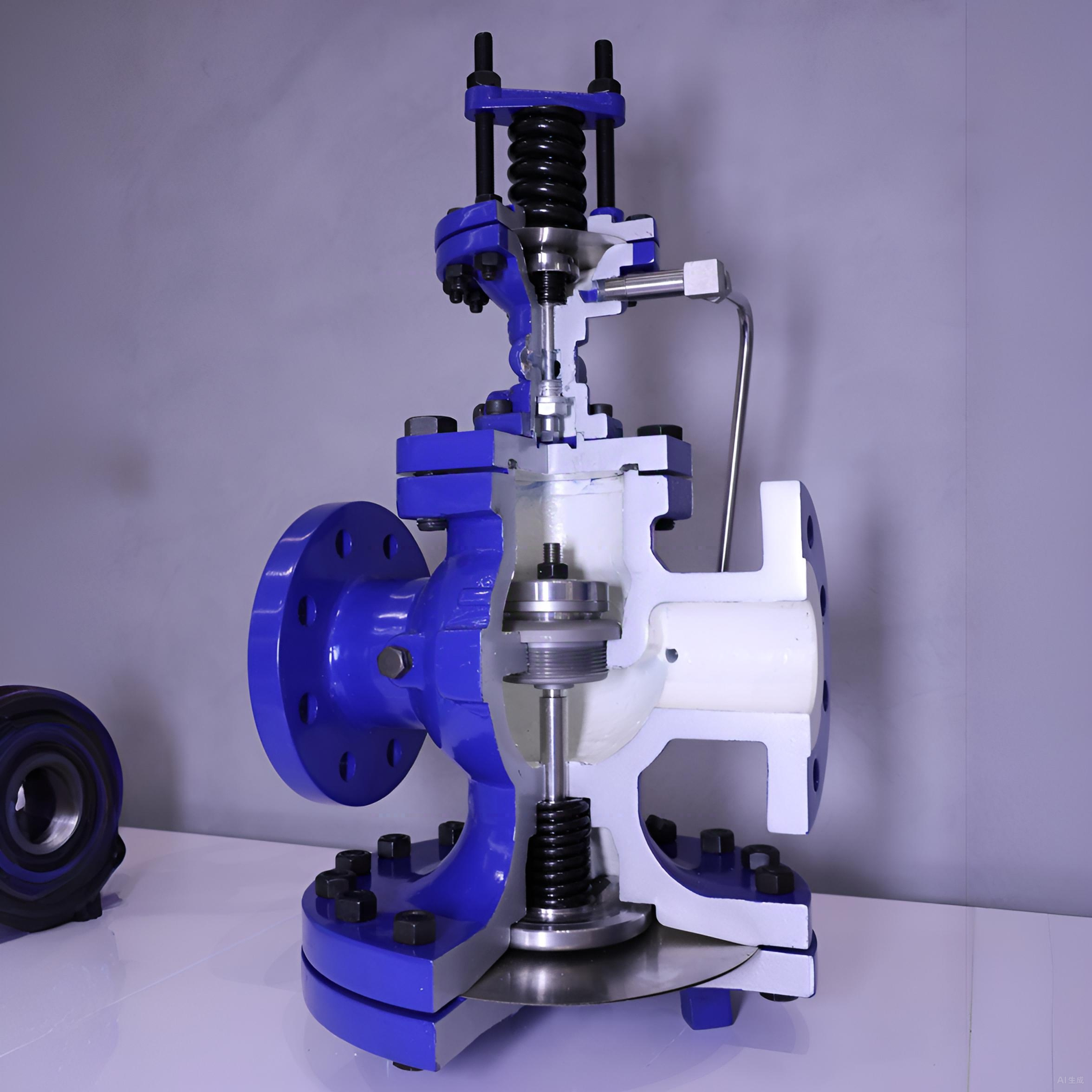
A pressure reducing valve for water line serves as a critical component in modern plumbing and water distribution systems, designed to maintain consistent water pressure throughout residential, commercial, and industrial applications. This essential device automatically reduces incoming high water pressure to a predetermined, manageable level that protects downstream equipment and ensures optimal system performance. The pressure reducing valve for water line operates through sophisticated internal mechanisms that respond dynamically to pressure fluctuations, maintaining steady output regardless of varying input conditions. These valves feature robust construction materials, typically incorporating brass, bronze, or stainless steel components that resist corrosion and provide long-lasting durability. Advanced models include adjustable settings that allow users to customize output pressure according to specific requirements. The technological features of a pressure reducing valve for water line encompass precision-engineered diaphragm systems, spring-loaded mechanisms, and pilot control assemblies that work harmoniously to deliver consistent performance. Many modern units integrate pressure gauges for real-time monitoring and maintenance indicators that signal when service is required. Applications for pressure reducing valve for water line systems span diverse sectors including municipal water distribution networks, high-rise buildings, manufacturing facilities, irrigation systems, and residential homes where incoming pressure exceeds recommended levels. These valves prevent damage to appliances, fixtures, and piping infrastructure while reducing water waste and energy consumption. Installation versatility allows horizontal or vertical mounting configurations, making them suitable for various space constraints and system designs. The pressure reducing valve for water line also contributes to regulatory compliance, helping facilities meet local water pressure standards and building codes while enhancing overall system safety and efficiency.