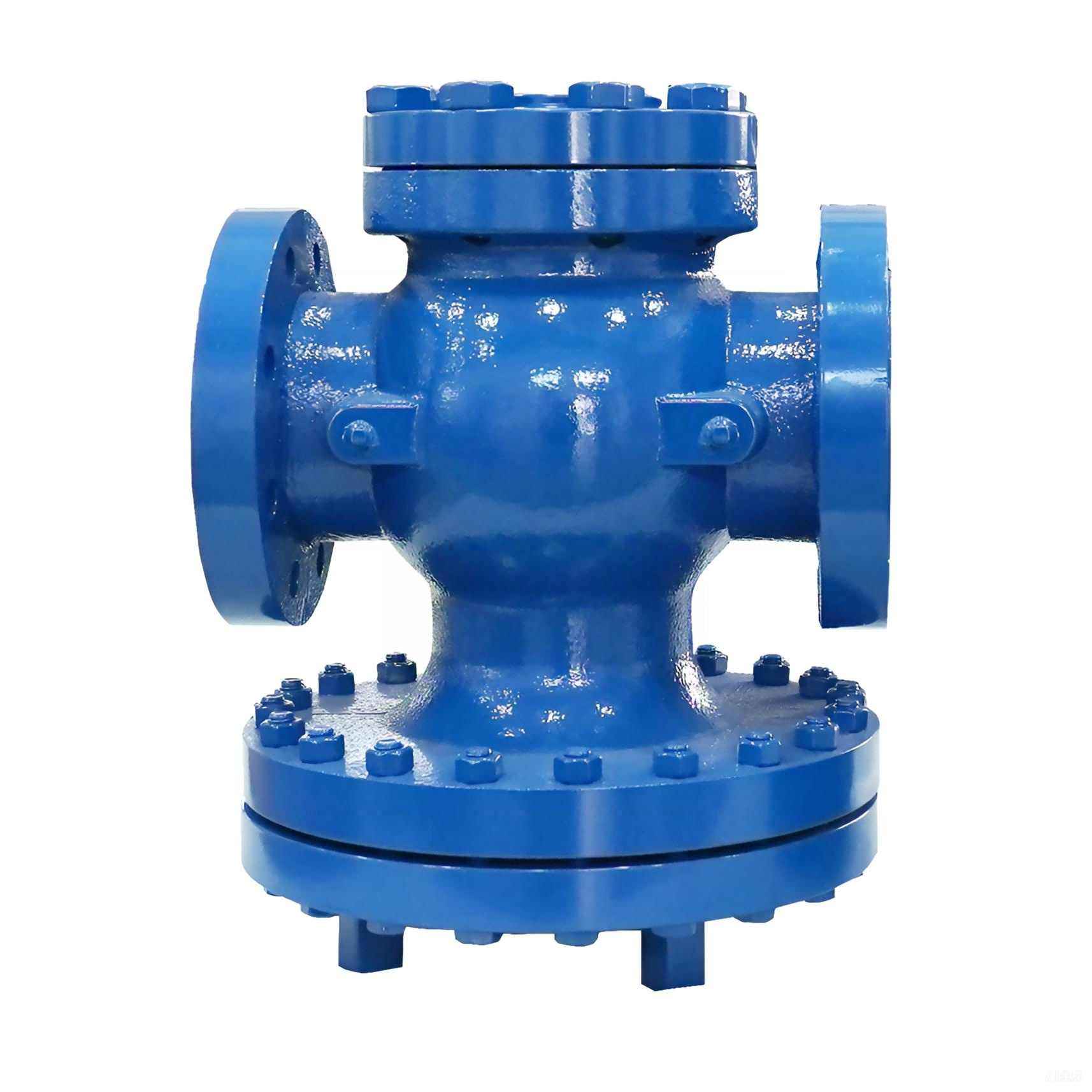
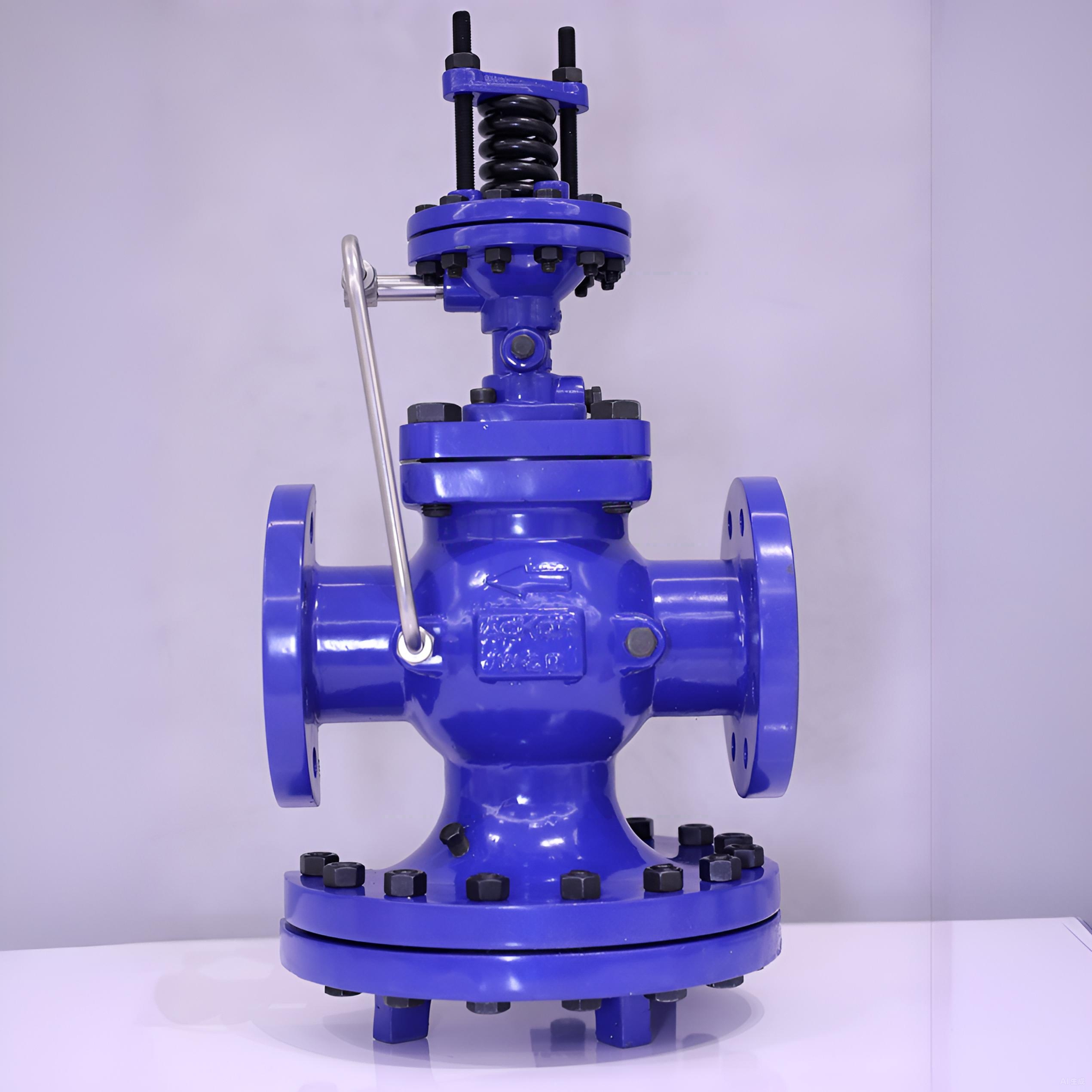
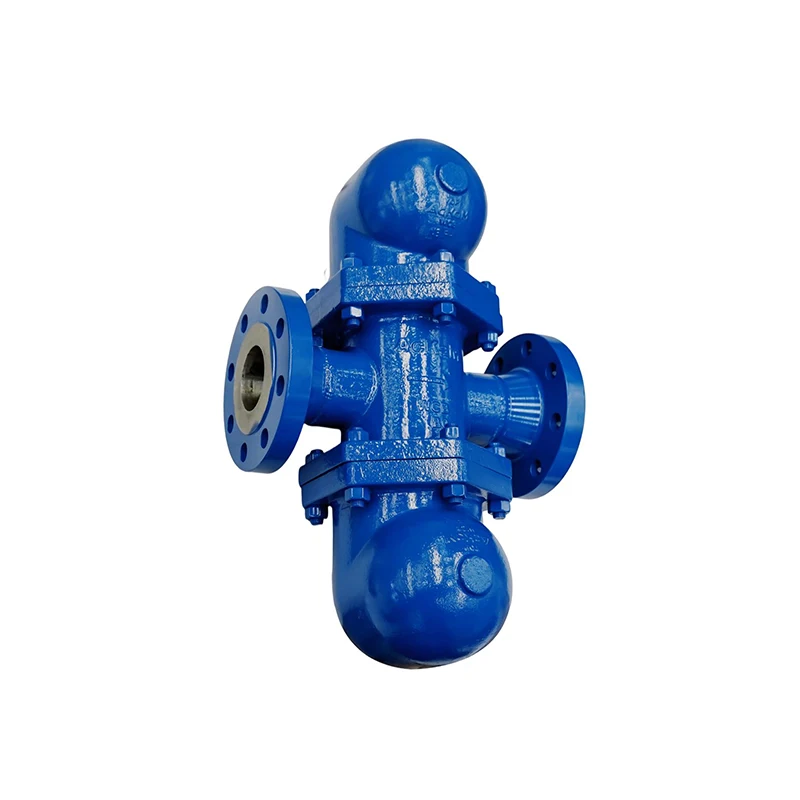
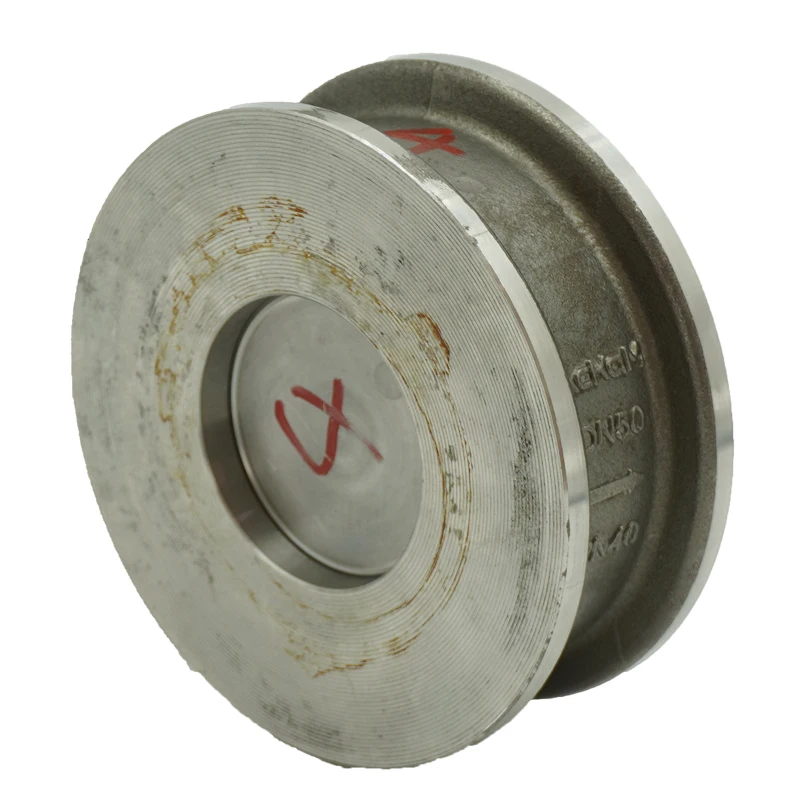
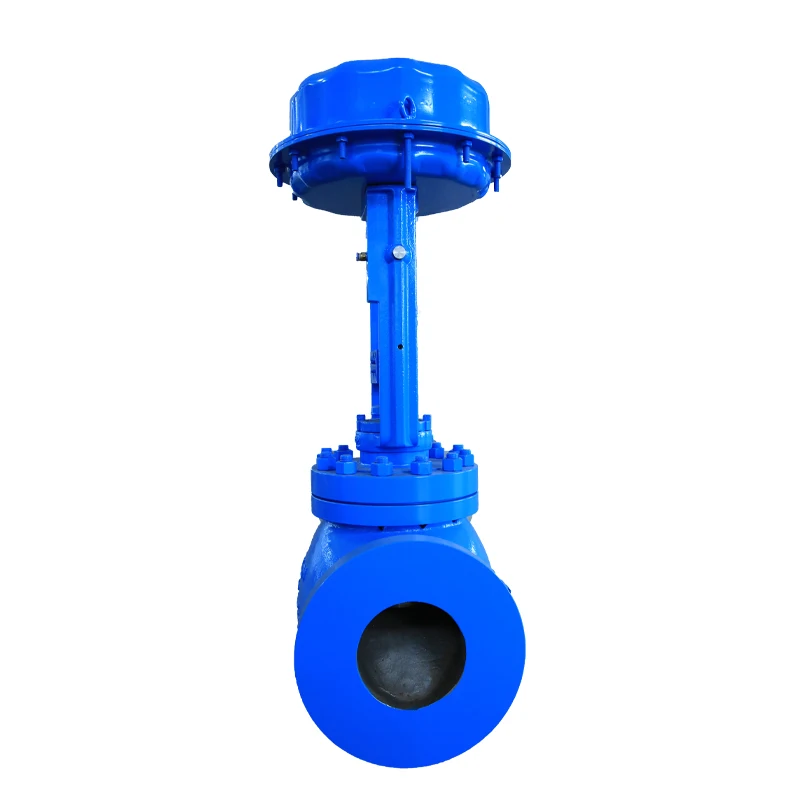
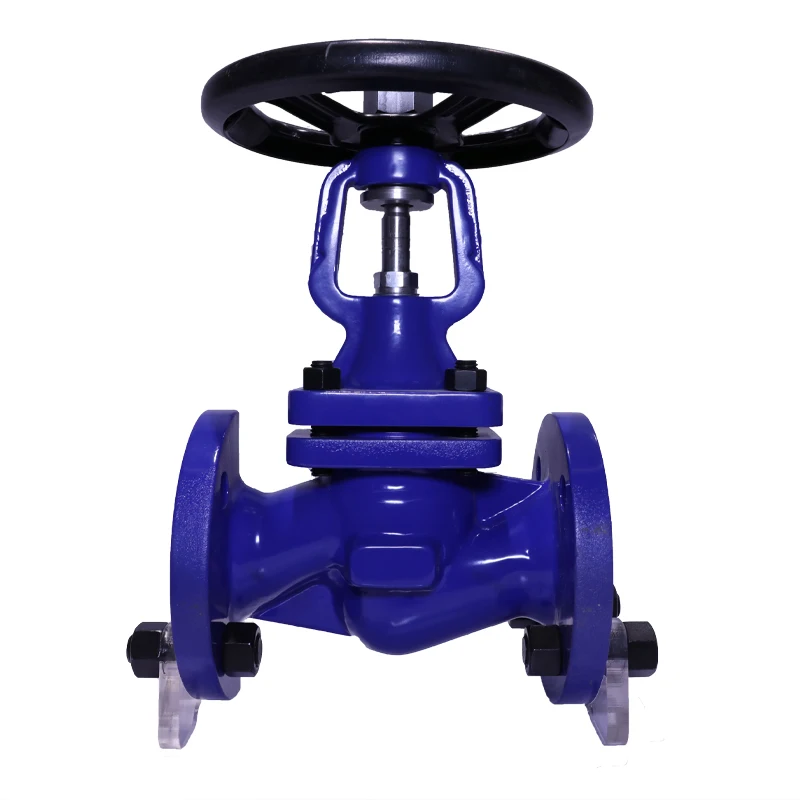
2 inch pressure reducing valve
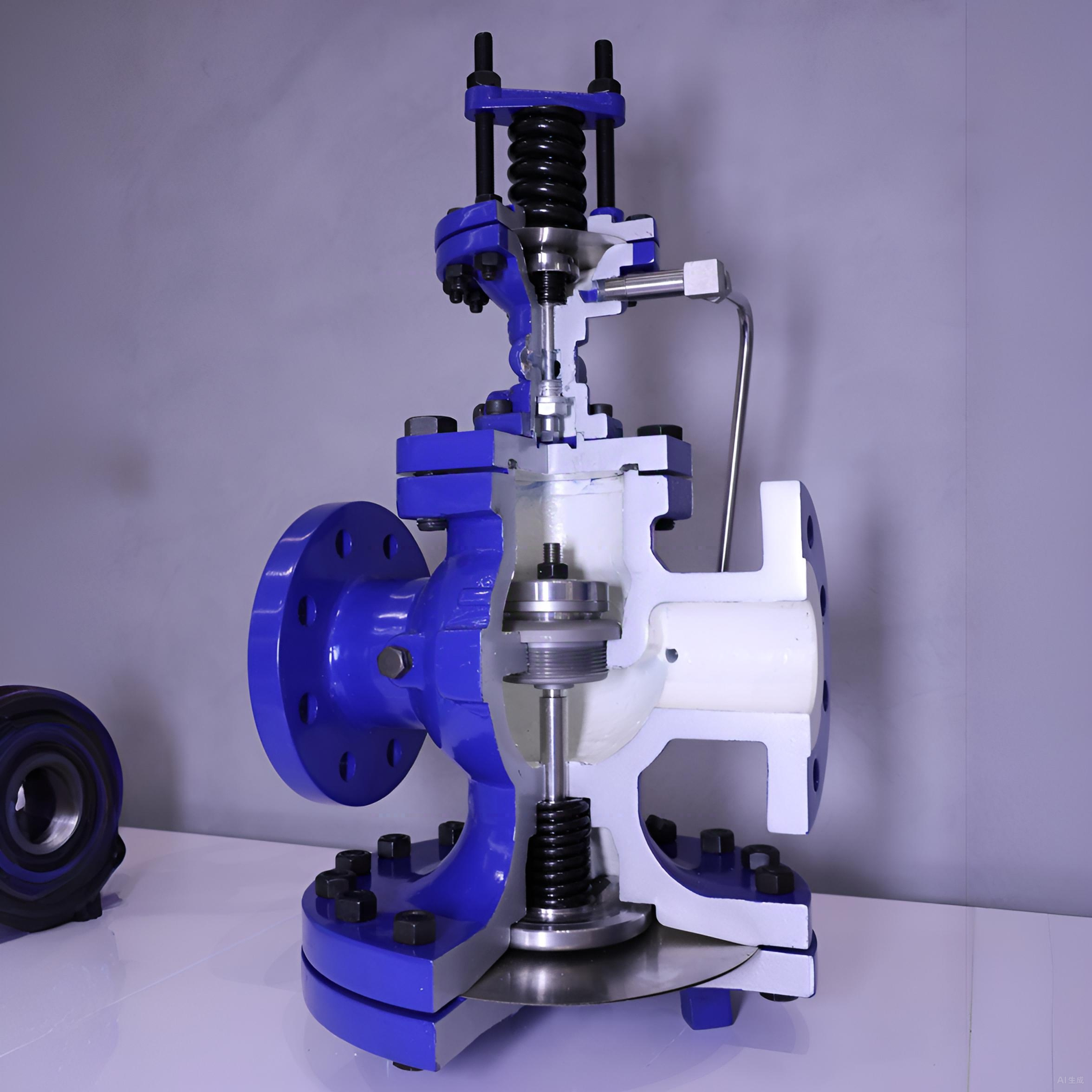
A 2 inch pressure reducing valve serves as a critical component in fluid control systems, designed to automatically reduce and maintain downstream pressure at predetermined levels regardless of upstream pressure fluctuations. This essential device operates through a balanced spring-loaded mechanism that responds to pressure changes, ensuring consistent flow control across various industrial and commercial applications. The 2 inch pressure reducing valve incorporates advanced engineering principles to deliver reliable performance in demanding environments where precise pressure management is paramount. The valve's construction typically features a robust brass or stainless steel body with internal components engineered for durability and longevity. Its primary function involves receiving high-pressure input and delivering controlled, reduced pressure output through an automatic adjustment system. The technological framework of the 2 inch pressure reducing valve includes a diaphragm assembly, adjustable spring tension mechanism, and precision-machined seat components that work together to maintain accurate pressure regulation. Modern versions often incorporate enhanced sealing technologies, corrosion-resistant materials, and improved flow characteristics that optimize system efficiency. Applications for the 2 inch pressure reducing valve span across multiple industries including water treatment facilities, HVAC systems, industrial process control, fire protection systems, and municipal water distribution networks. The valve's versatility makes it suitable for handling various fluids including water, steam, compressed air, and compatible process fluids. Installation configurations allow for both horizontal and vertical mounting options, providing flexibility in system design. Maintenance requirements remain minimal due to the valve's self-regulating nature, though periodic inspection ensures optimal performance. The 2 inch pressure reducing valve represents a cost-effective solution for pressure management challenges, offering reliable operation with minimal energy consumption and reduced system wear through consistent pressure control.