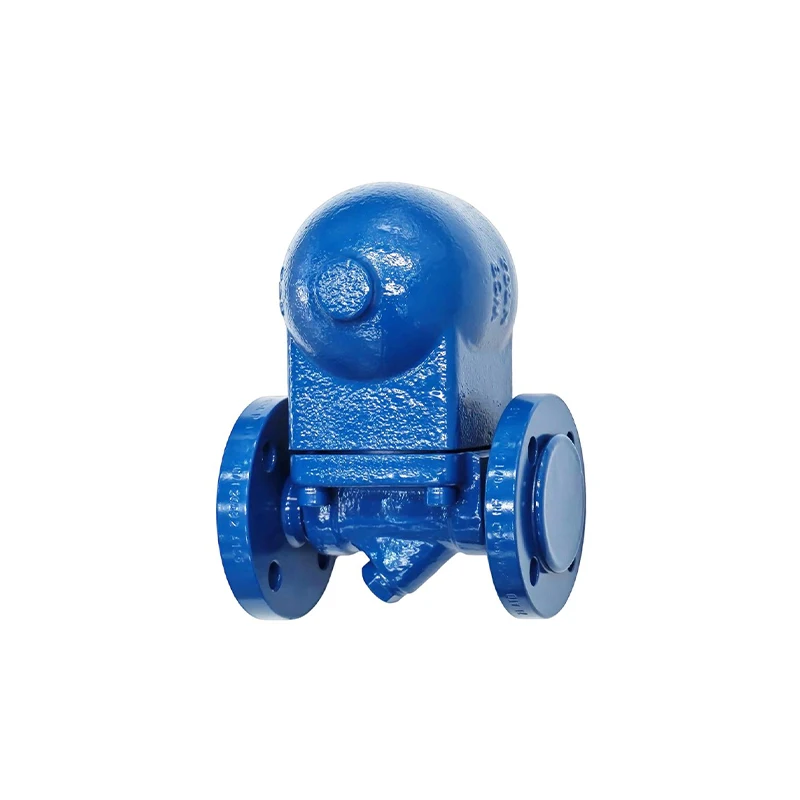
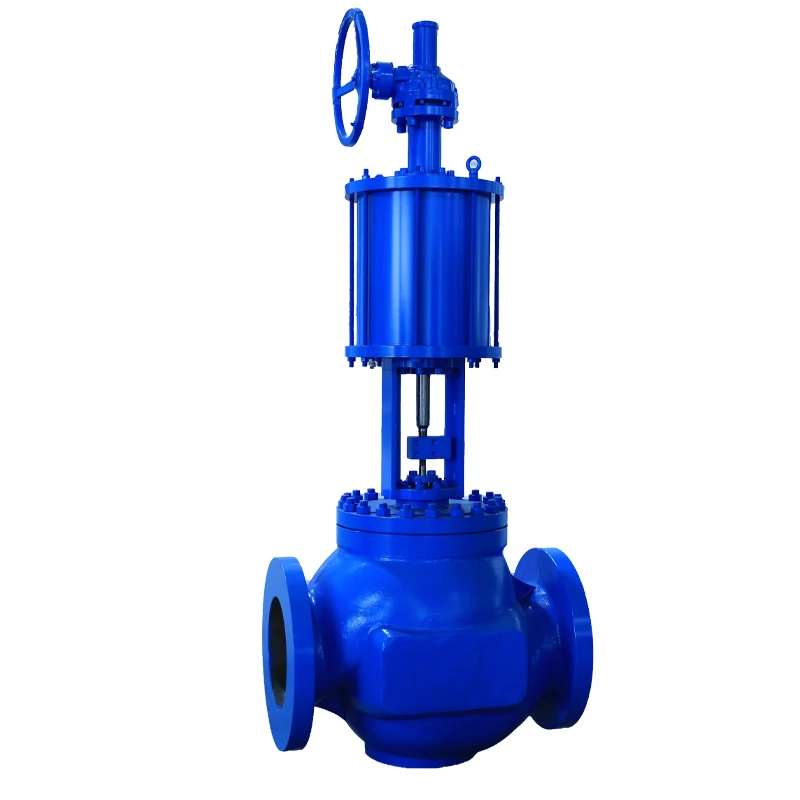
pressure reducing regulator
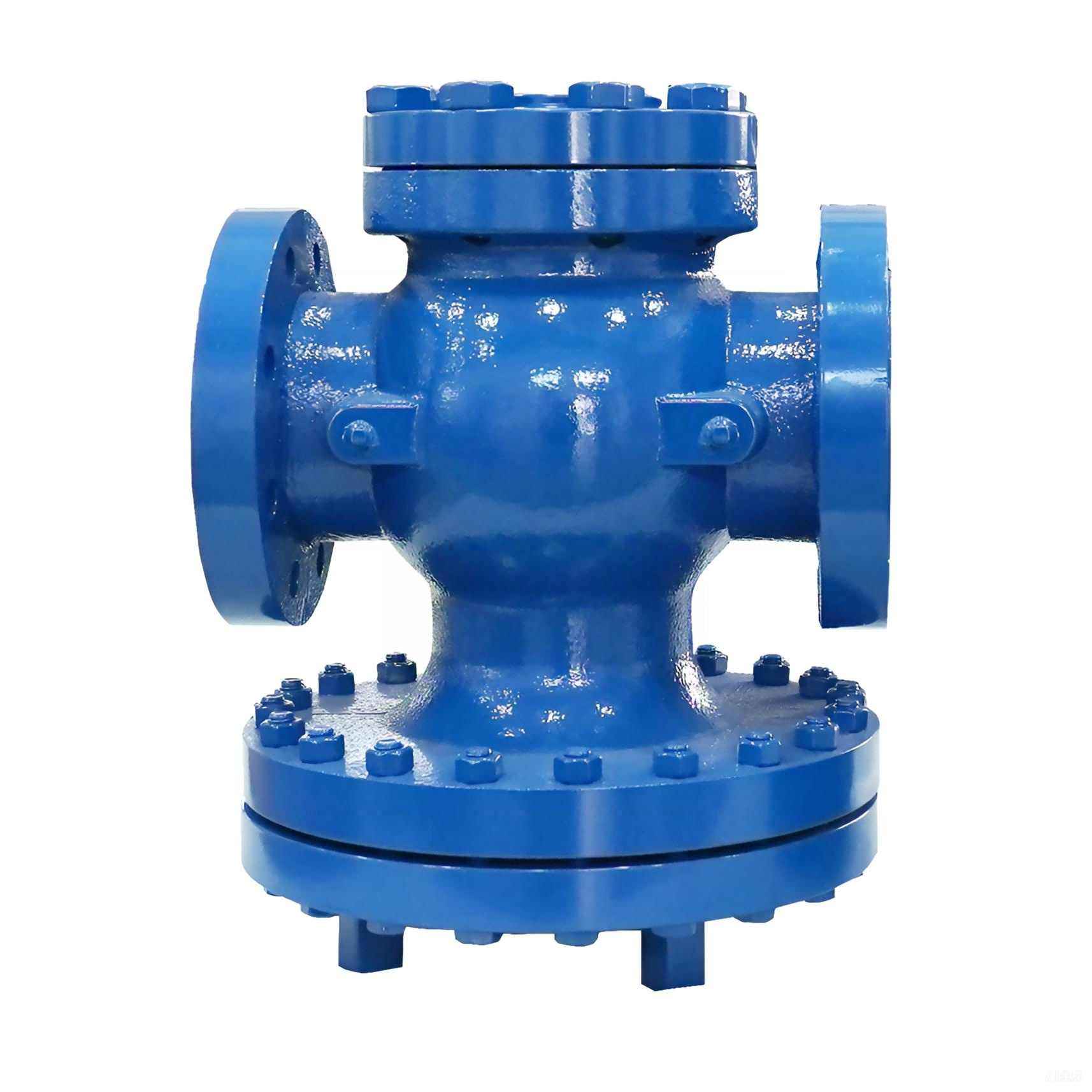
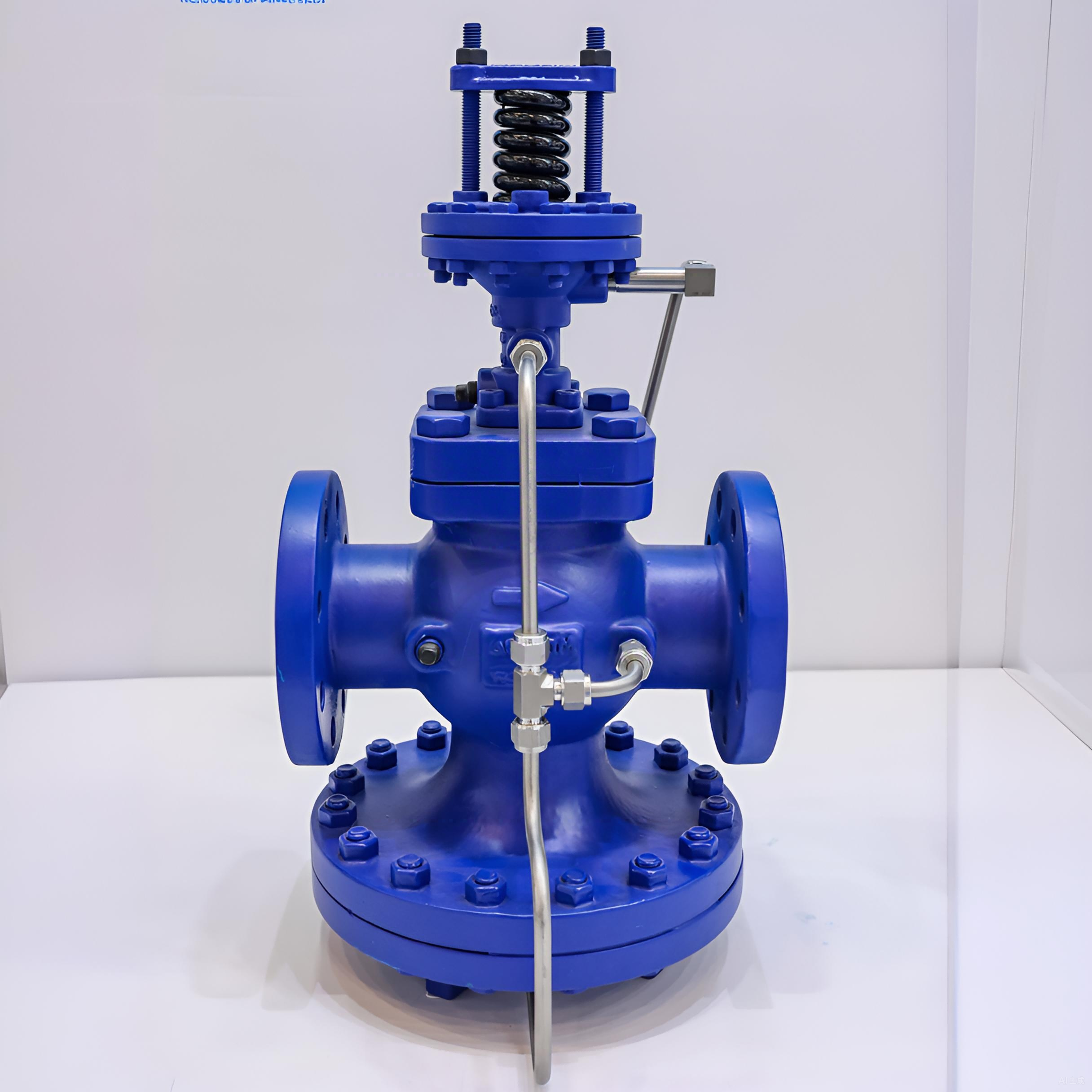
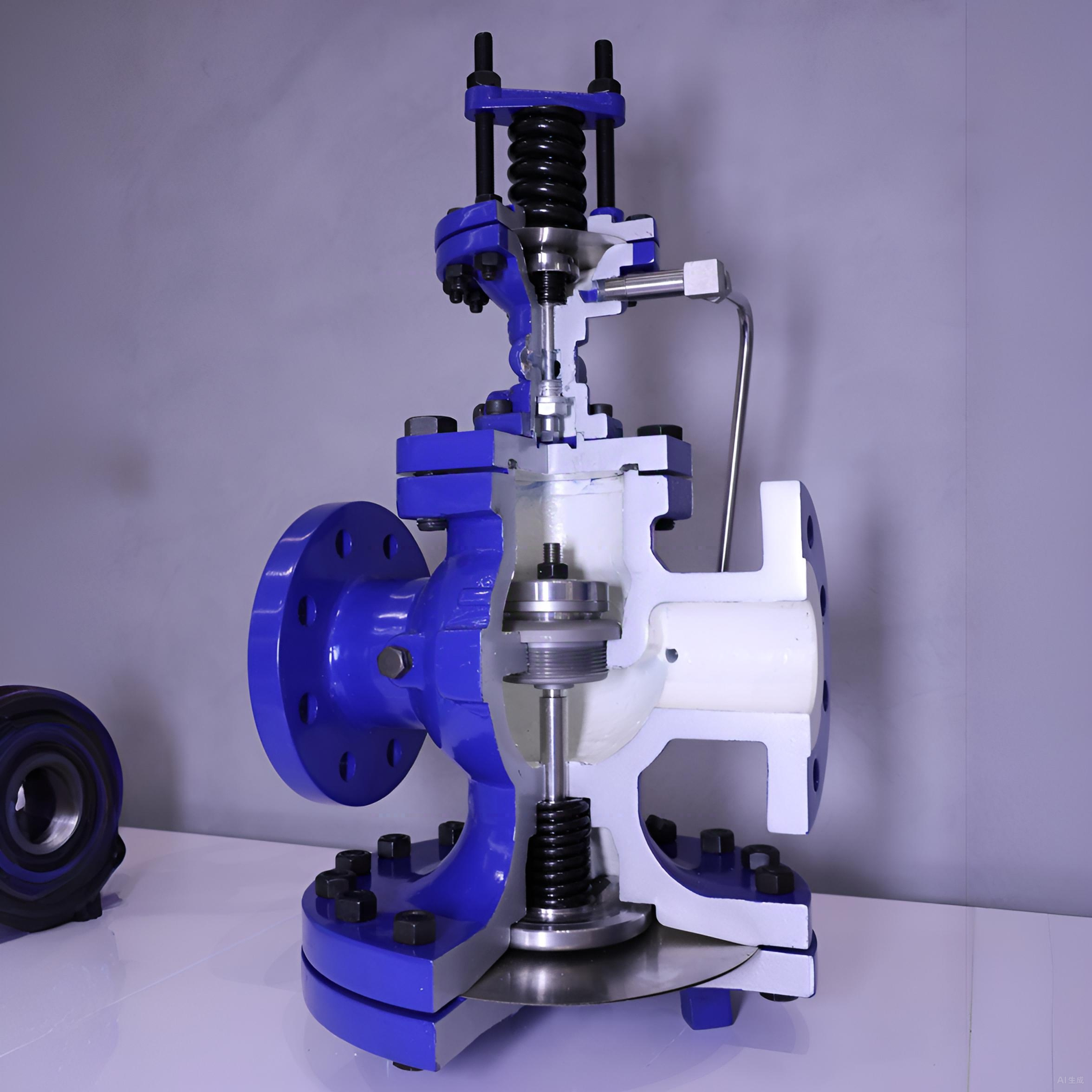
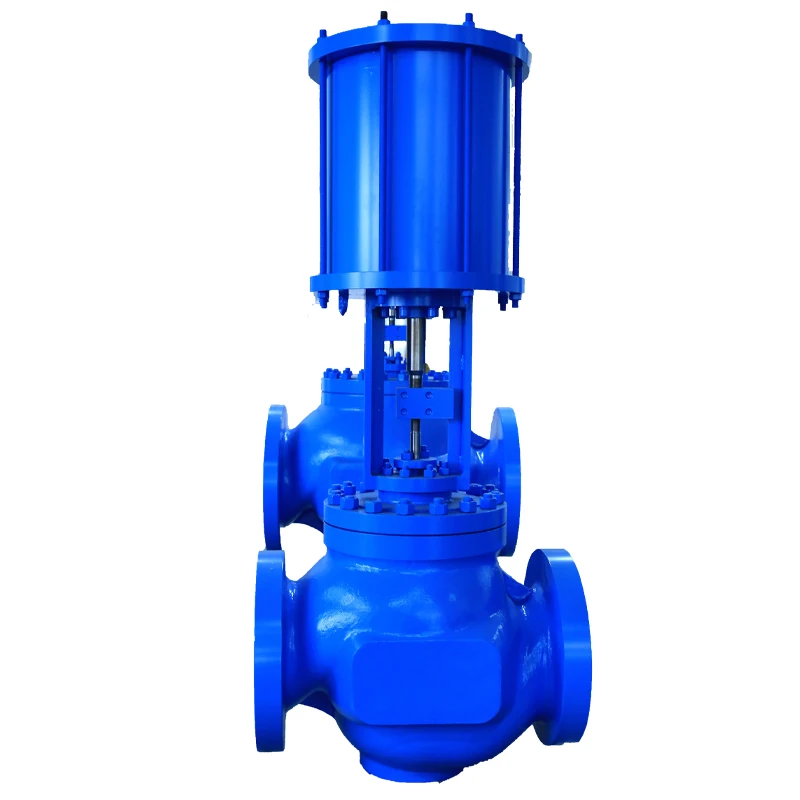
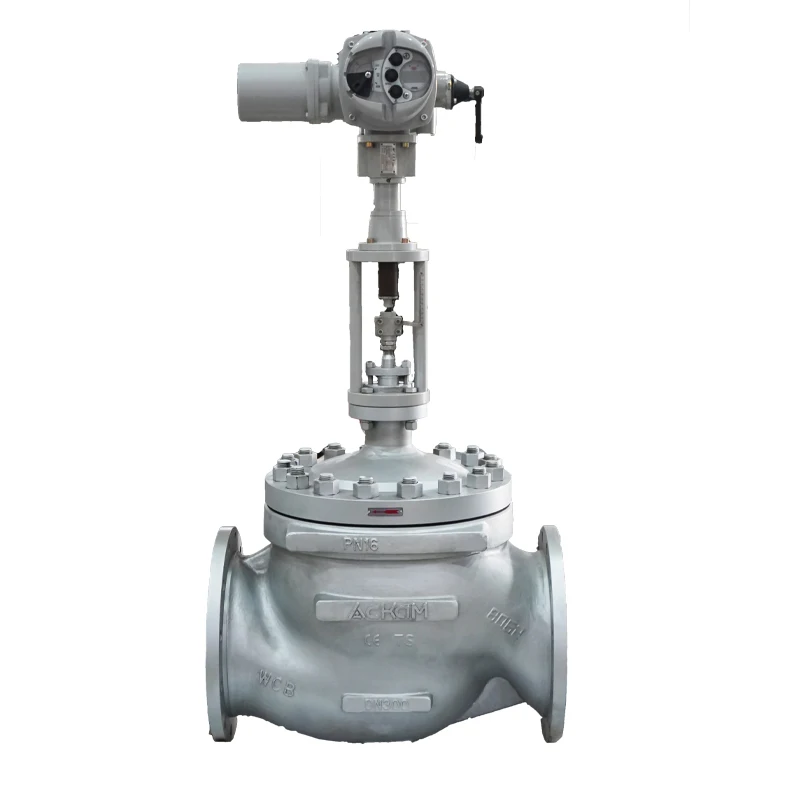
A pressure reducing regulator serves as a critical control device that automatically maintains downstream pressure at predetermined levels, regardless of fluctuating upstream pressure conditions. This essential component functions by utilizing internal mechanisms that respond to pressure variations, ensuring consistent output pressure for optimal system performance. The pressure reducing regulator operates through a sophisticated balance of spring tension, diaphragm movement, and valve positioning that creates precise pressure control across diverse industrial applications. Modern pressure reducing regulator designs incorporate advanced materials and engineering principles that deliver exceptional reliability and longevity. The device typically features a robust construction with corrosion-resistant components that withstand harsh operating environments while maintaining accurate pressure regulation. Key technological features include adjustable pressure settings, built-in safety mechanisms, and responsive control elements that react instantly to pressure changes. The pressure reducing regulator utilizes a spring-loaded diaphragm system that opens and closes the main valve according to downstream pressure requirements. This design ensures smooth operation while preventing pressure spikes that could damage sensitive equipment or compromise system integrity. Applications for pressure reducing regulator systems span numerous industries including manufacturing, chemical processing, oil and gas, water treatment, and HVAC systems. In manufacturing environments, these regulators maintain consistent pressure for pneumatic tools and machinery, ensuring optimal performance and product quality. Chemical processing facilities rely on pressure reducing regulator technology to control reaction conditions and maintain safe operating parameters. The versatility of pressure reducing regulator units makes them suitable for both high-pressure industrial applications and low-pressure residential systems. Advanced models feature digital displays, remote monitoring capabilities, and programmable settings that enhance operational efficiency and maintenance scheduling.