replacing a pressure regulator valve
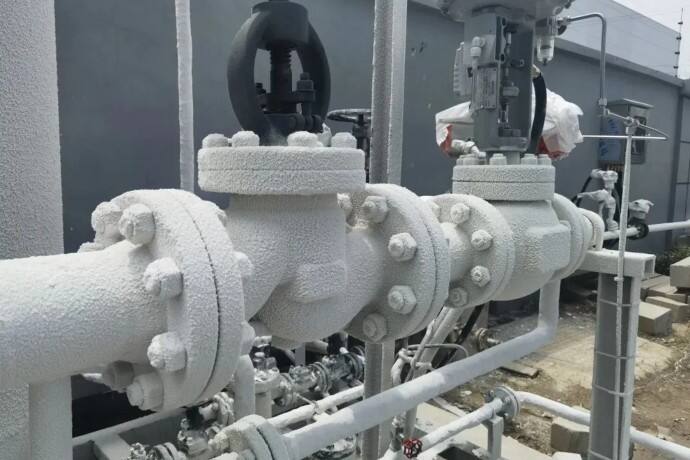
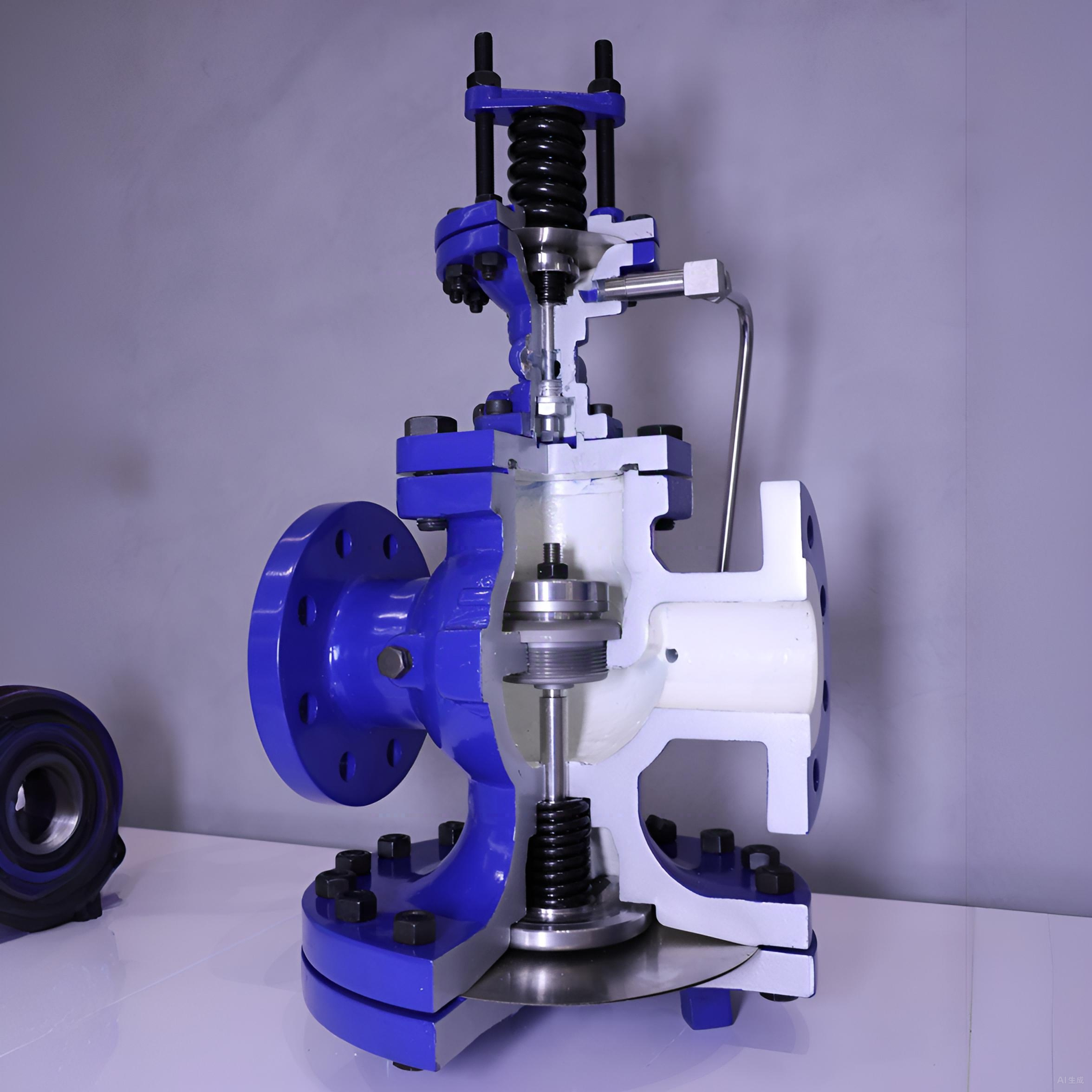
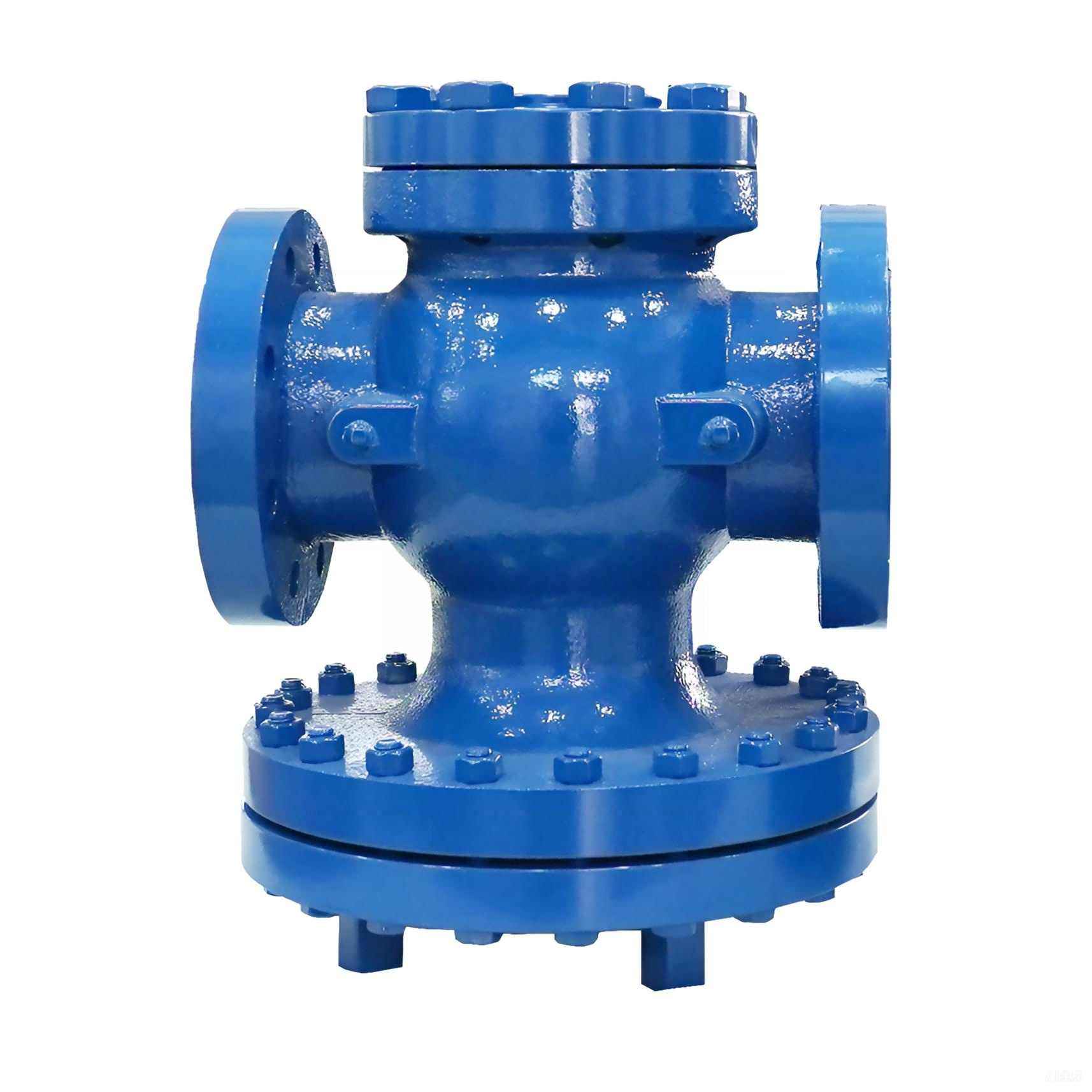
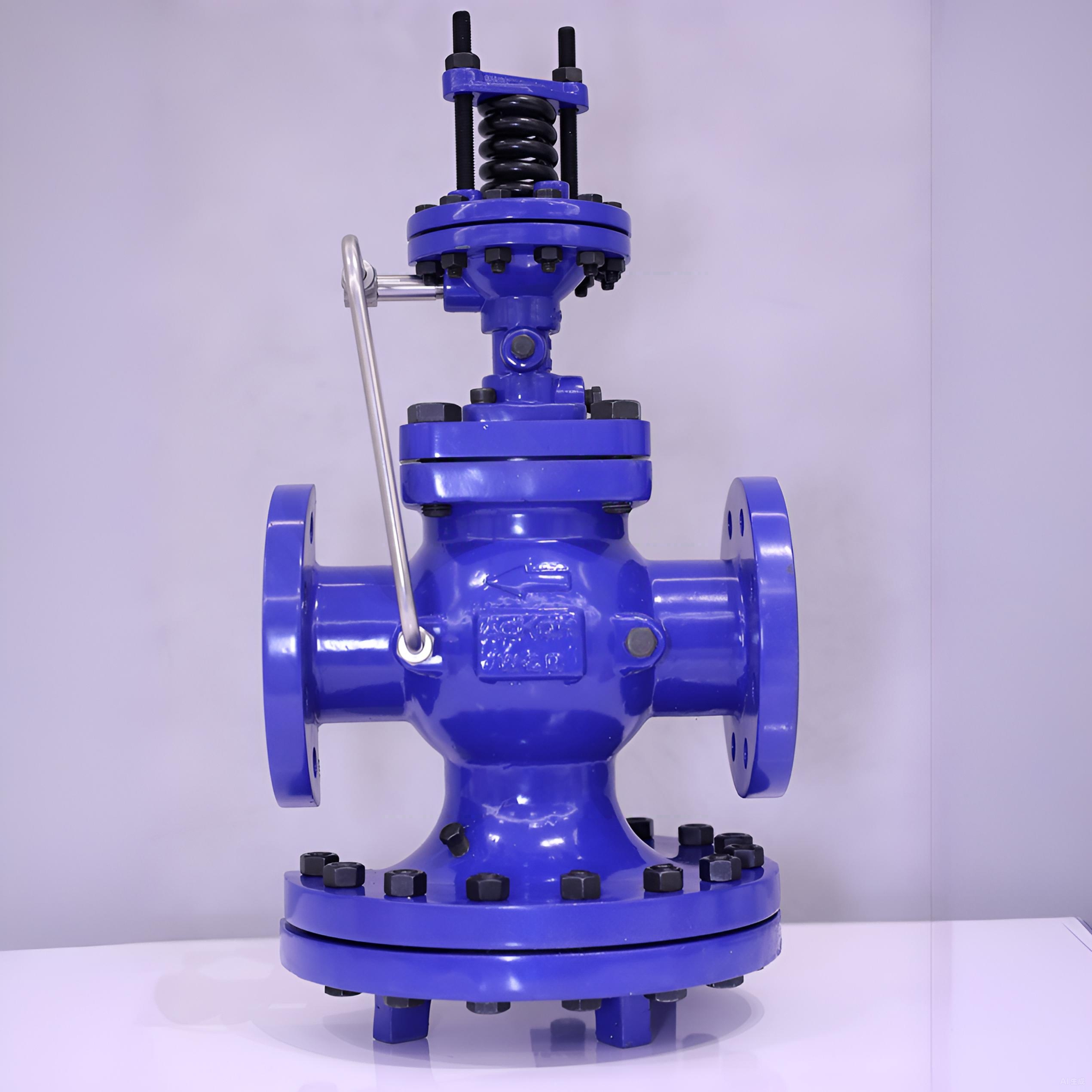
Replacing a pressure regulator valve represents a critical maintenance procedure that ensures optimal system performance across various industrial and residential applications. The pressure regulator valve serves as the cornerstone of pressure management systems, controlling fluid flow rates and maintaining consistent pressure levels throughout complex piping networks. When replacing a pressure regulator valve becomes necessary, understanding its fundamental operations and technological specifications proves essential for successful implementation. The primary function of a pressure regulator valve centers on reducing upstream pressure to a predetermined downstream level, regardless of fluctuations in supply pressure or demand variations. This sophisticated device incorporates advanced spring-loaded mechanisms, diaphragm assemblies, and precision-engineered seats that work harmoniously to deliver accurate pressure control. Modern pressure regulator valves feature enhanced materials including stainless steel bodies, corrosion-resistant internals, and specialized sealing compounds that extend operational lifespan significantly. The technological features of contemporary pressure regulator valves include adjustable pressure settings, integrated pressure gauges, and tamper-resistant adjustment mechanisms that prevent unauthorized modifications. Applications for replacing a pressure regulator valve span numerous industries including water treatment facilities, natural gas distribution systems, chemical processing plants, and residential plumbing installations. Healthcare facilities rely on precision pressure regulation for medical gas systems, while manufacturing operations depend on consistent pressure levels for pneumatic tools and automated equipment. The valve construction typically incorporates multiple safety features including overpressure protection, fail-safe positioning, and emergency shutdown capabilities. Temperature compensation mechanisms ensure stable performance across varying environmental conditions, while specialized port configurations accommodate diverse connection requirements. Regular replacement schedules for pressure regulator valves help prevent system failures, reduce energy consumption, and maintain compliance with safety regulations. Understanding the specific requirements for replacing a pressure regulator valve enables facility managers to make informed decisions regarding maintenance scheduling and equipment selection.