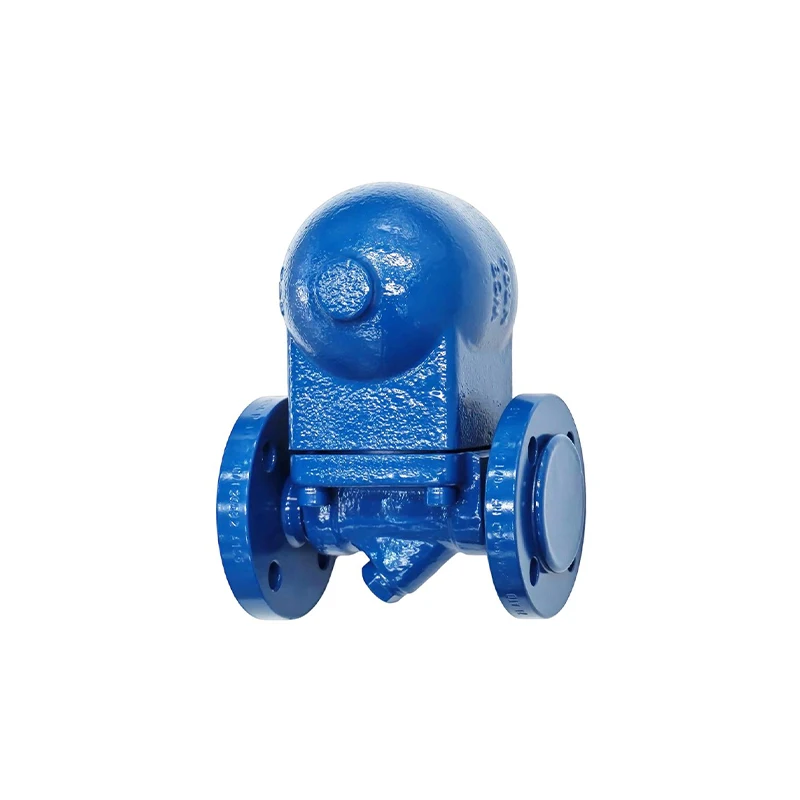
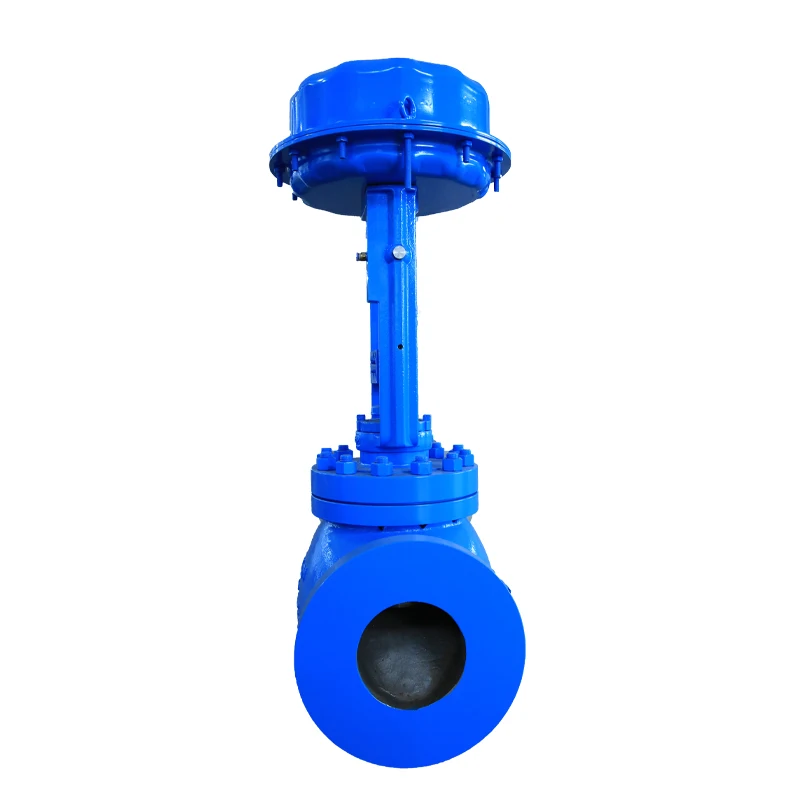
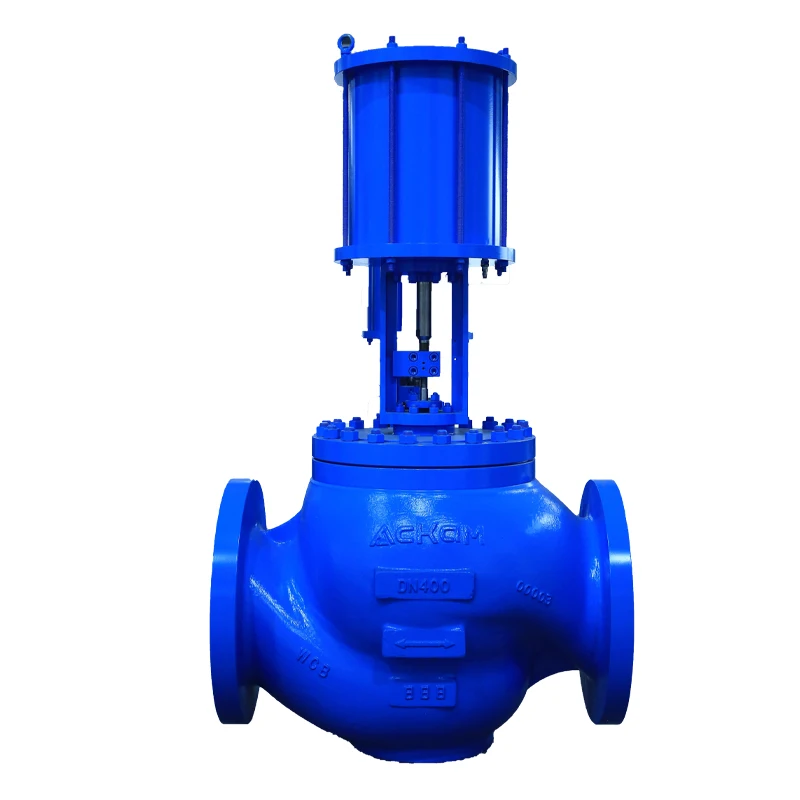
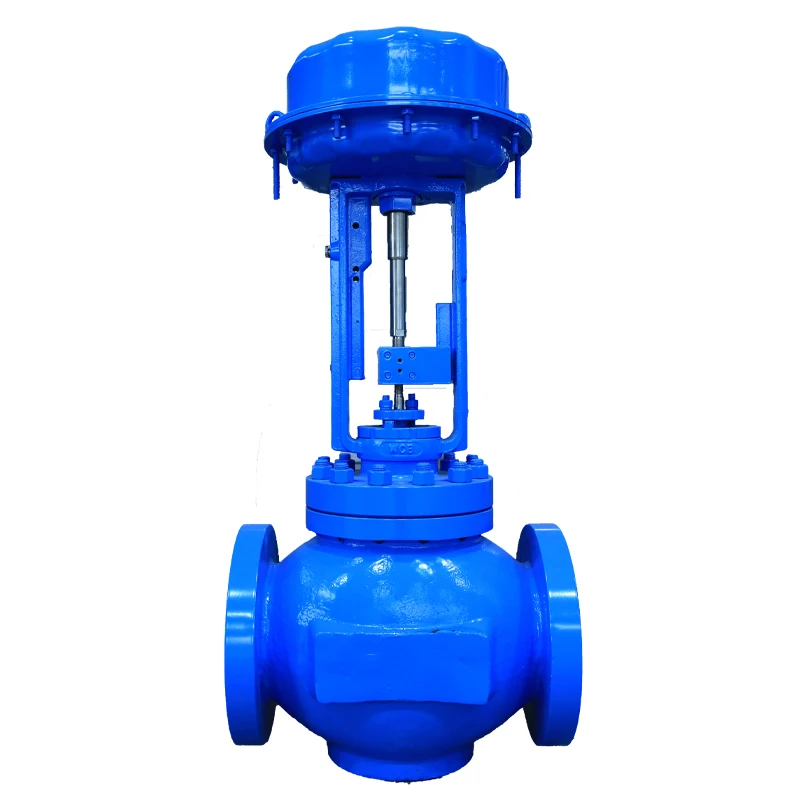
bellow sealed stop valve
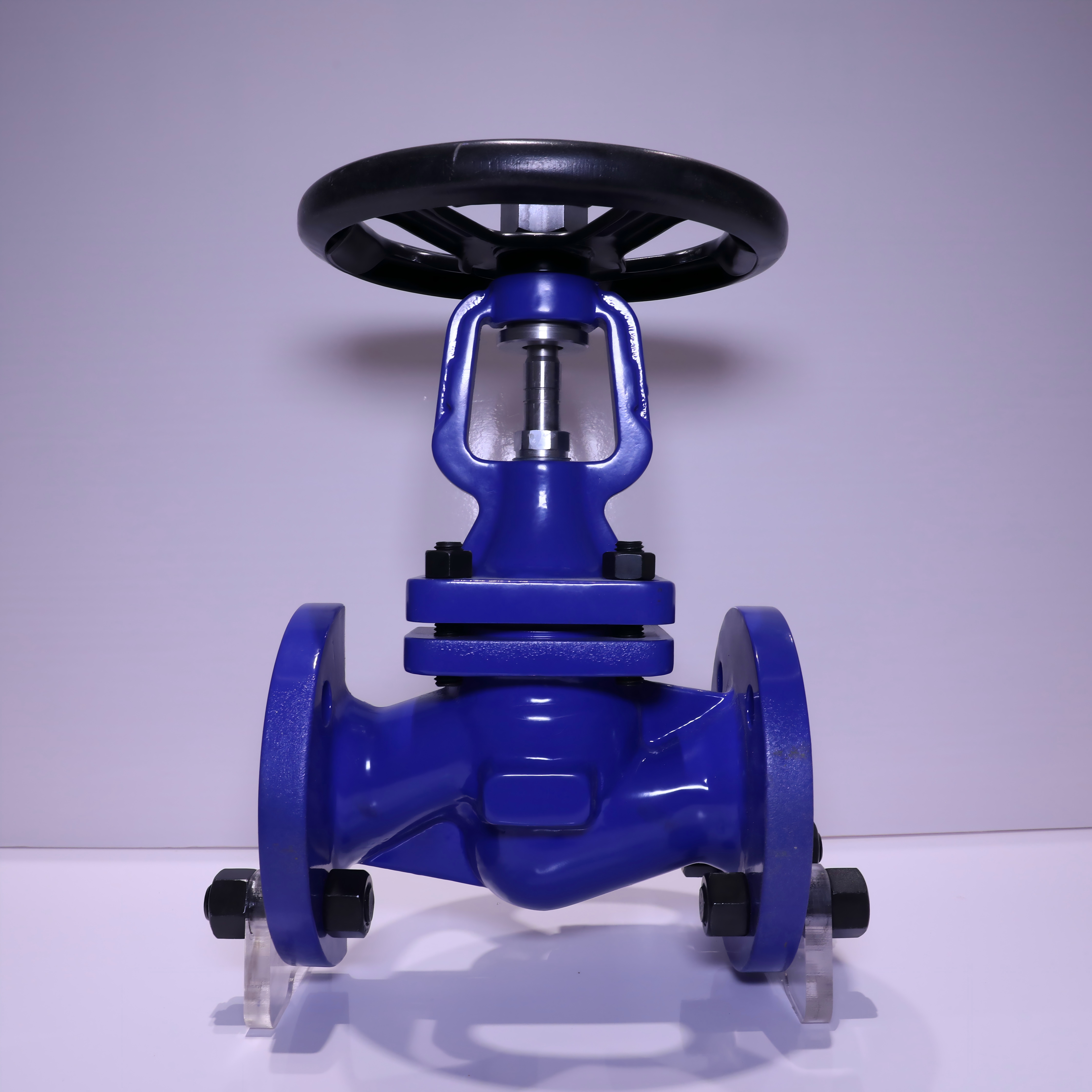
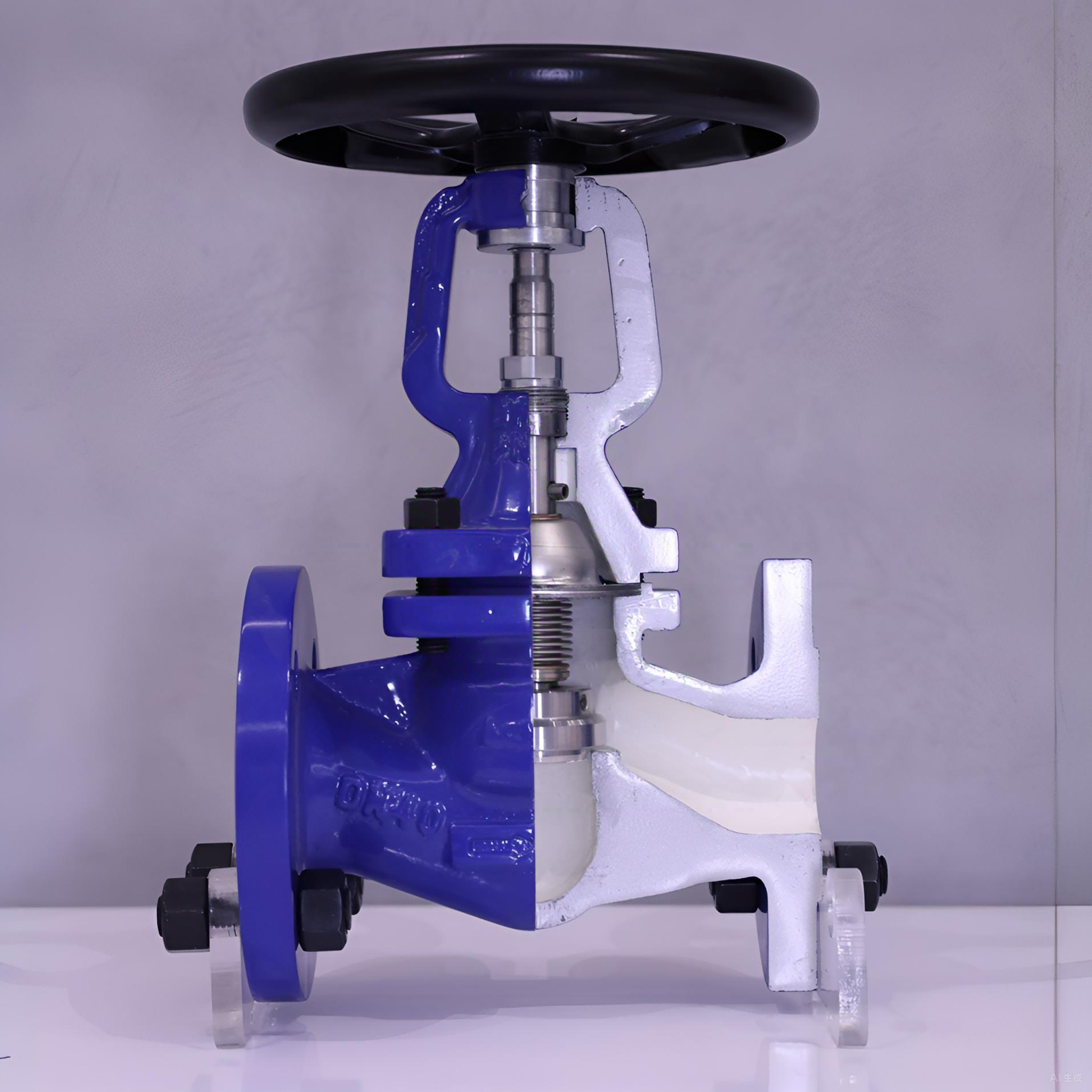
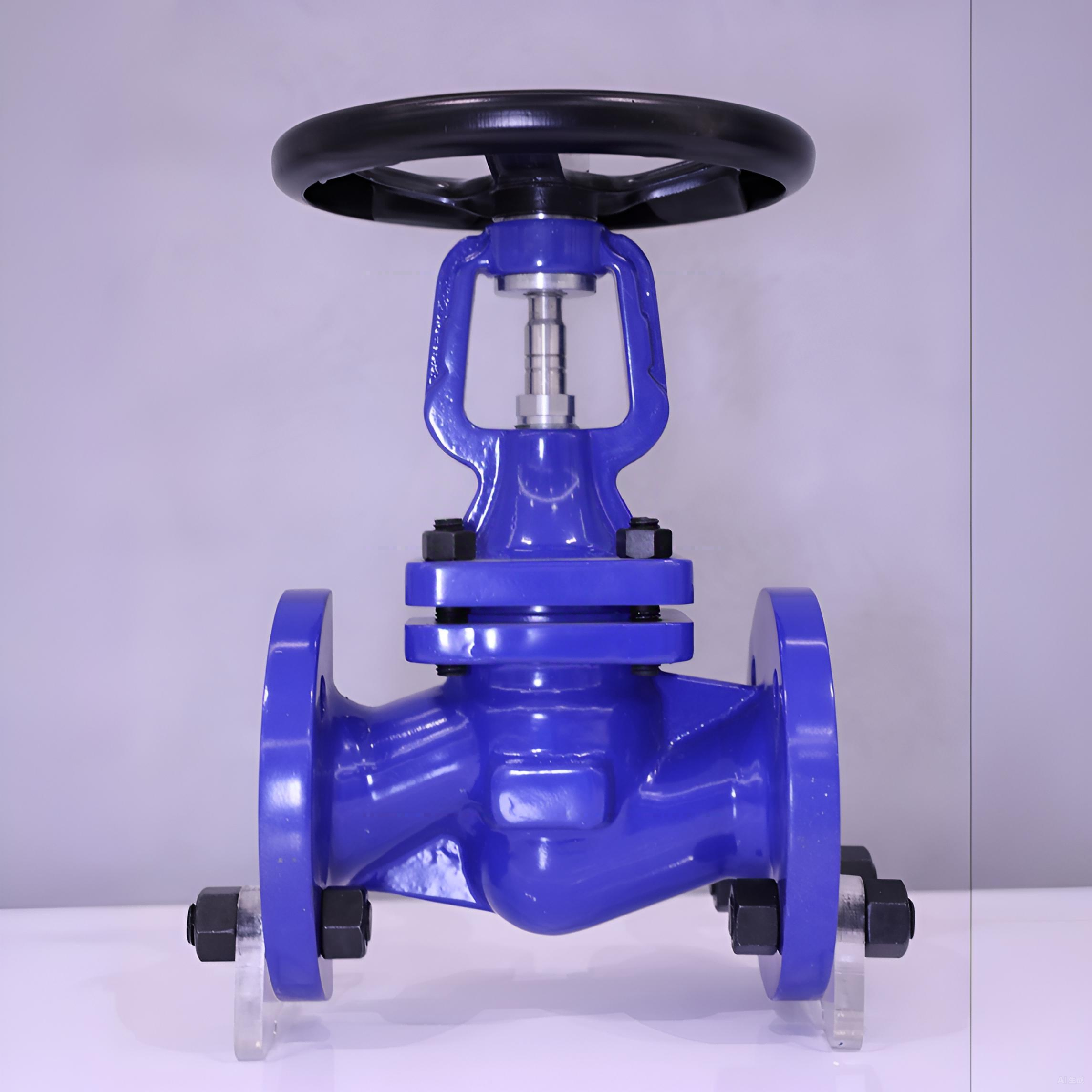
The bellow sealed stop valve represents a sophisticated engineering solution designed to provide superior fluid control in demanding industrial environments. This innovative valve incorporates a flexible metal bellows assembly that creates an impermeable barrier between the valve stem and the process medium, eliminating traditional packing arrangements that are prone to leakage. The bellow sealed stop valve operates through a rising stem mechanism that moves linearly to open and close the flow path, while the bellows component expands and contracts to accommodate stem movement without compromising the seal integrity. The primary function of this valve centers on precise flow regulation and complete shutoff capabilities in systems handling hazardous chemicals, high-temperature fluids, or environmentally sensitive materials. The technological framework includes a robust body construction typically manufactured from stainless steel, carbon steel, or specialized alloys depending on application requirements. The bellows element, crafted from high-grade materials such as stainless steel or Inconel, provides exceptional resistance to corrosion, thermal cycling, and mechanical stress. Advanced manufacturing techniques ensure the bellows maintains flexibility while withstanding significant pressure differentials and temperature variations. The valve design incorporates a secondary packing system as a backup safety feature, though the bellows serves as the primary sealing mechanism. Applications span across chemical processing plants, pharmaceutical manufacturing, nuclear facilities, petrochemical refineries, and power generation systems where leak-tight performance is critical. The bellow sealed stop valve excels in services involving toxic substances, radioactive materials, or processes requiring absolute environmental protection. Industries utilize these valves for steam systems, aggressive chemical handling, high-purity applications, and situations where fugitive emissions must be eliminated. The valve configuration allows for both manual and automated operation, with options for electric, pneumatic, or hydraulic actuators to enable remote control capabilities.