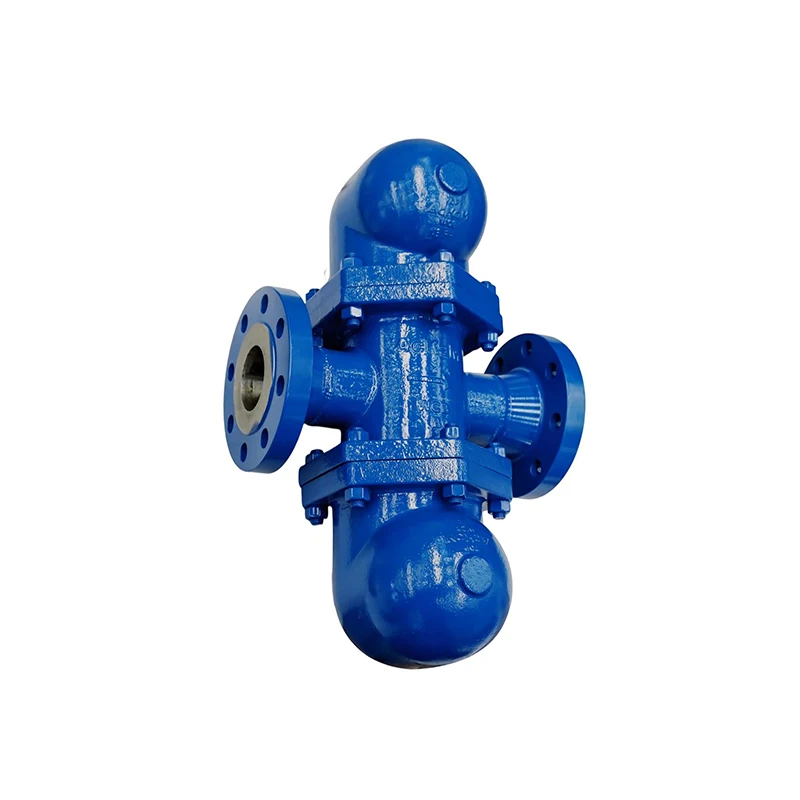
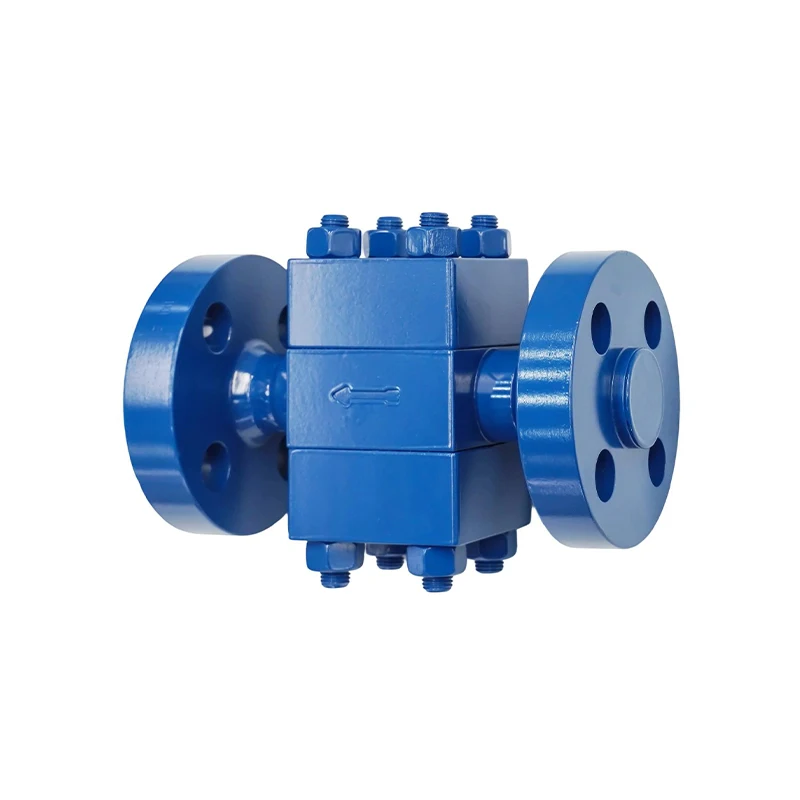
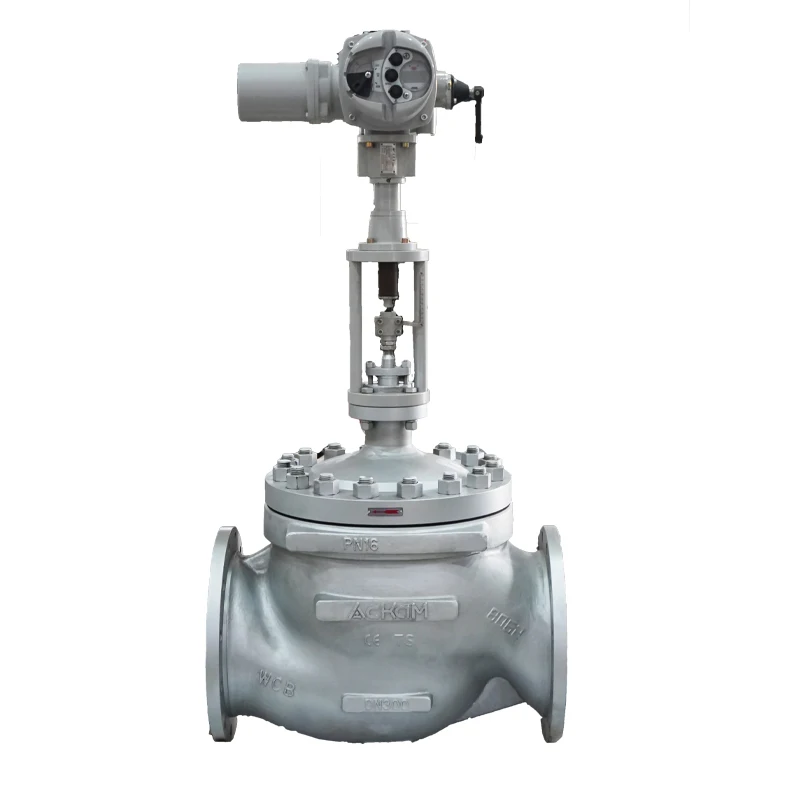
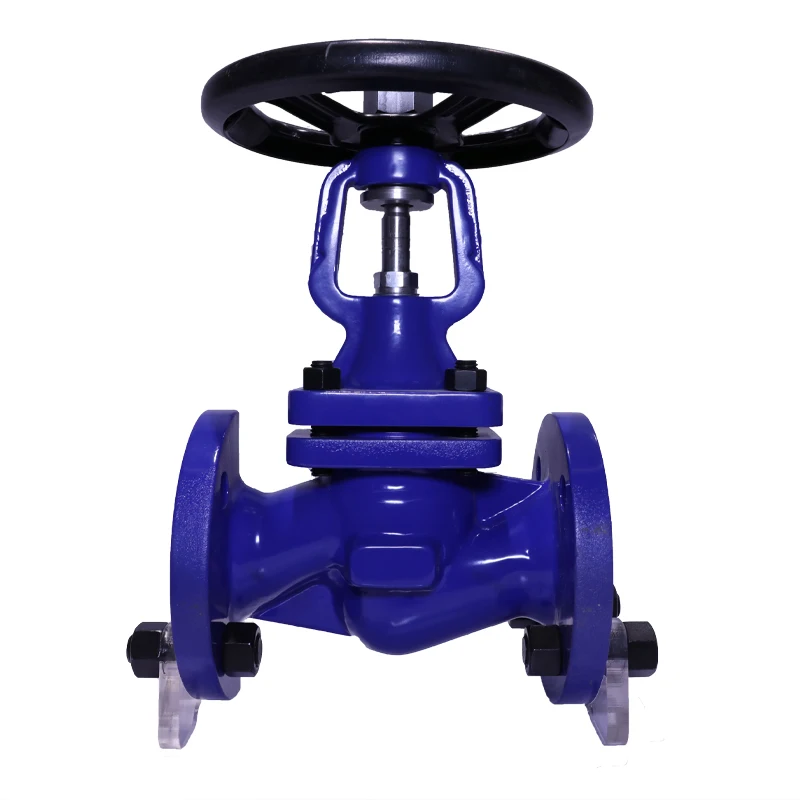
thermodynamic steam trap working
The thermodynamic steam trap working principle represents a revolutionary approach to steam system management, utilizing the fundamental properties of thermodynamic cycles to achieve optimal performance. This innovative device operates based on the pressure and temperature differentials between steam and condensate, creating an automatic mechanism that ensures efficient drainage without steam loss. The thermodynamic steam trap working mechanism relies on a unique disc-controlled system that responds to velocity changes in the flowing medium. When steam enters the trap, its high velocity creates a low-pressure area beneath the control disc, causing it to close and prevent steam escape. As condensate accumulates and velocity decreases, pressure equalizes, allowing the disc to open and discharge the collected water. This sophisticated thermodynamic steam trap working system eliminates the need for external controls or adjustments, making it a self-regulating solution for various industrial applications. The main functions include condensate removal, air venting, and steam conservation, ensuring maximum energy efficiency in heating systems. Technological features encompass robust construction materials, precise engineering tolerances, and corrosion-resistant components that withstand harsh operating conditions. The thermodynamic steam trap working design incorporates a compact footprint, making installation simple in confined spaces where traditional traps cannot fit. Applications span across diverse industries including manufacturing, power generation, food processing, chemical plants, and commercial heating systems. The versatility of thermodynamic steam trap working makes it suitable for pressures ranging from vacuum to high-pressure applications, accommodating various operational requirements. Its reliability stems from minimal moving parts, reducing maintenance requirements and extending operational lifespan. The thermodynamic steam trap working efficiency ensures consistent performance across different load conditions, maintaining optimal heat transfer while preventing energy waste through steam losses.