Thermodynamic Valve: Advanced Self-Regulating Flow Control Technology for Industrial Applications

All Categories

Get a Free Quote

Our representative will contact you soon.
Email
Name
Company Name
Message
0/1000

thermodynamic valve

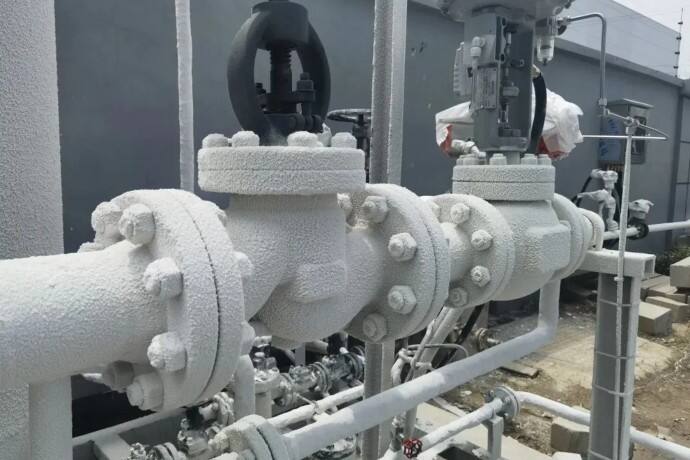
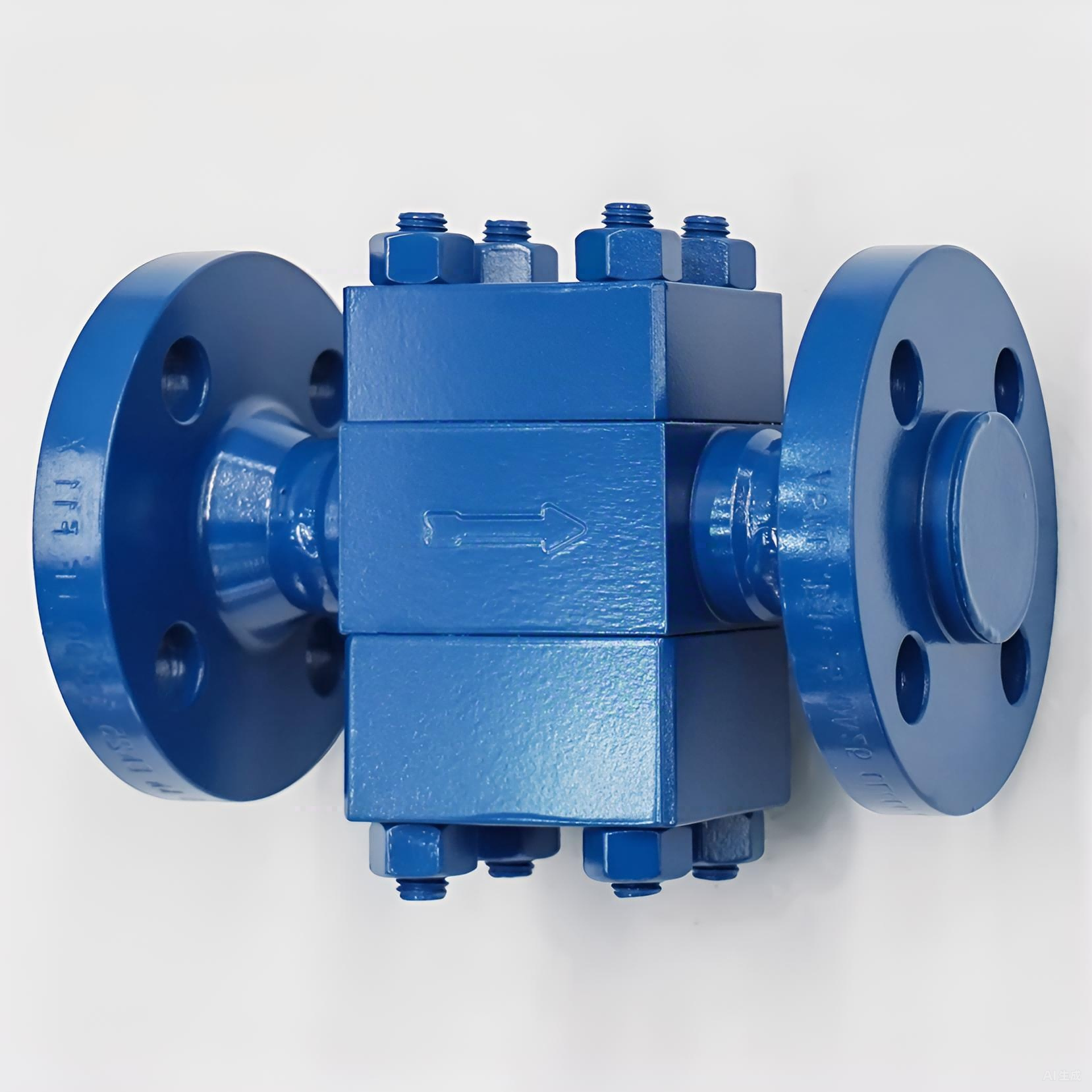
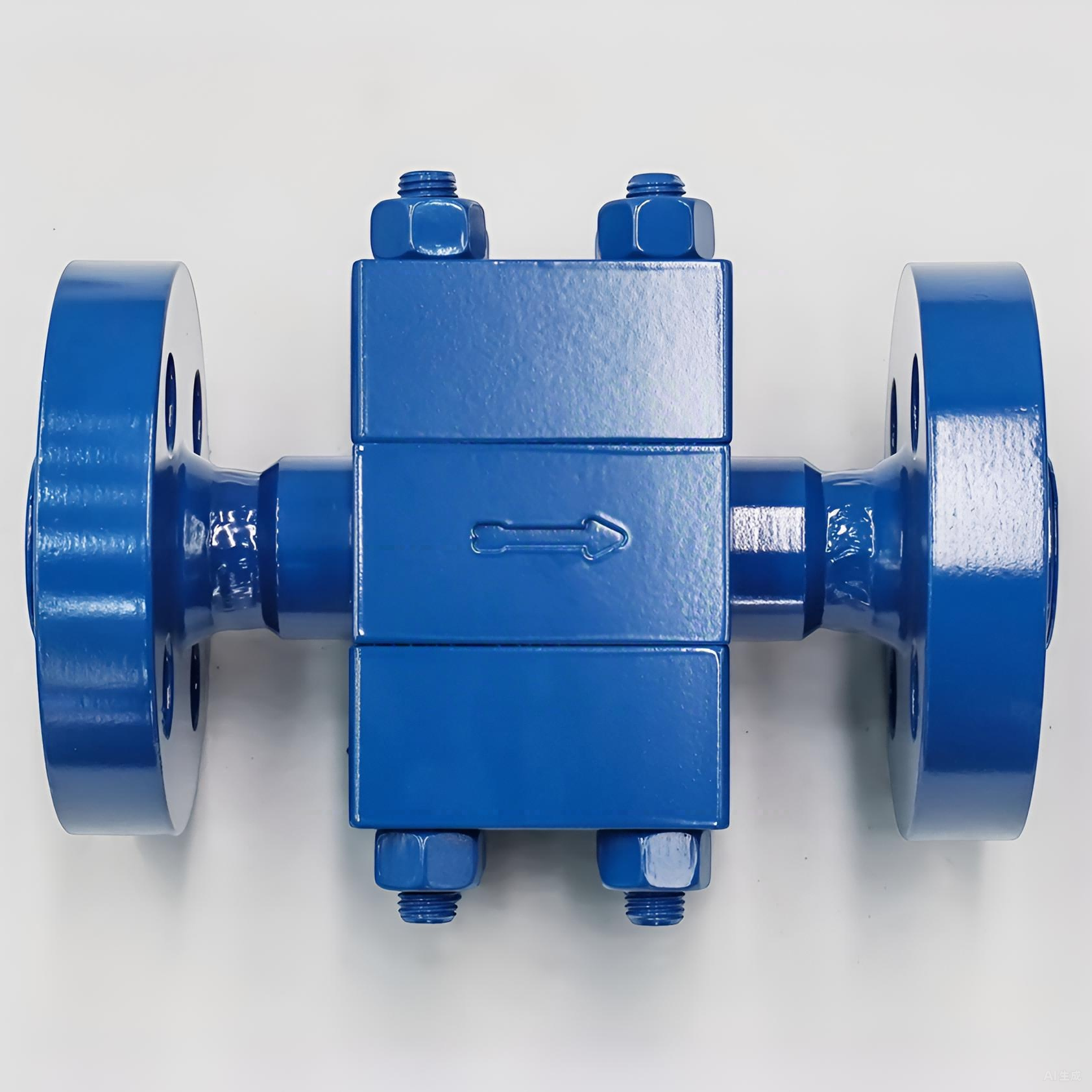
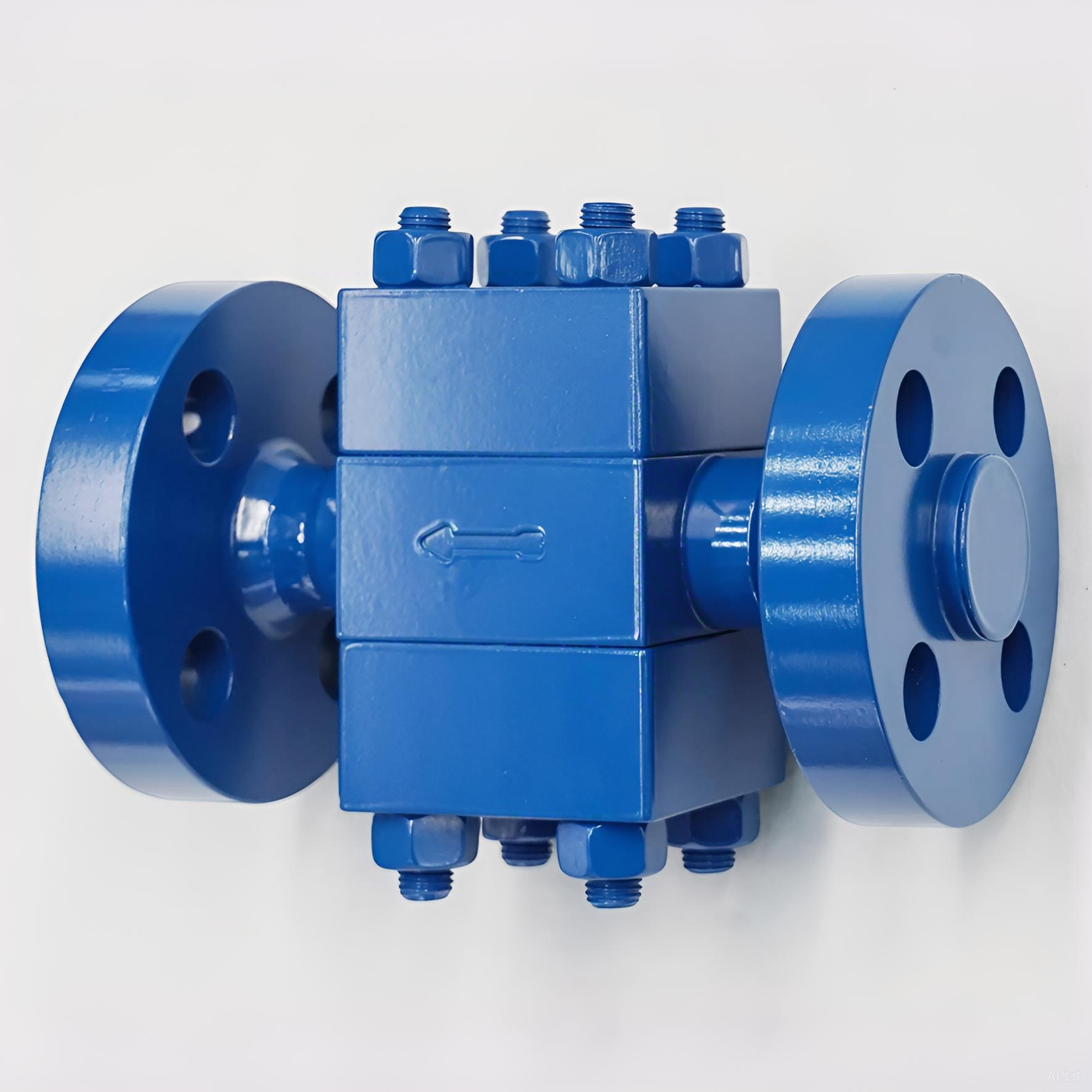
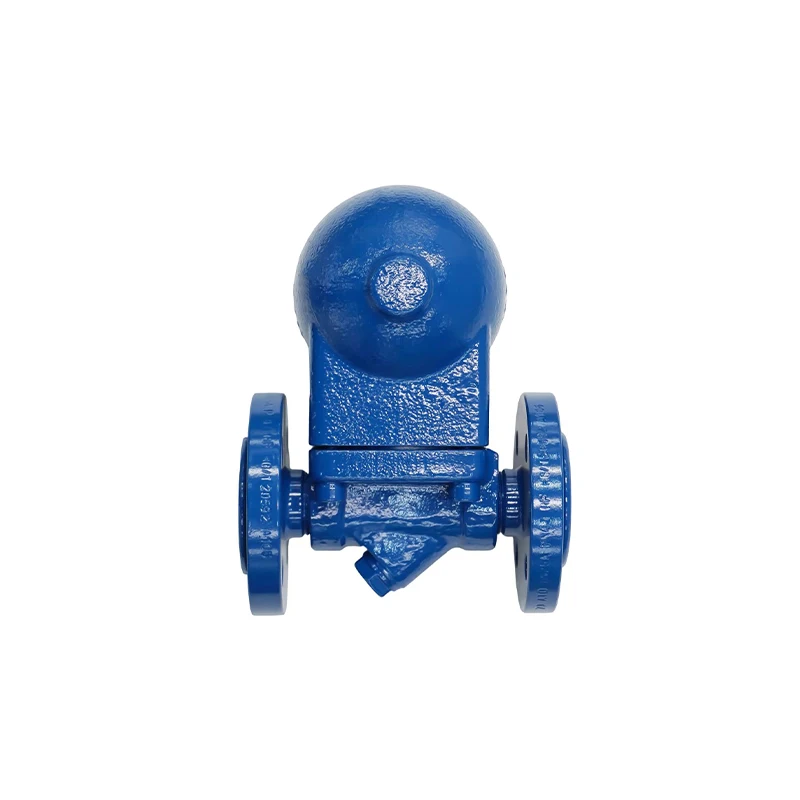
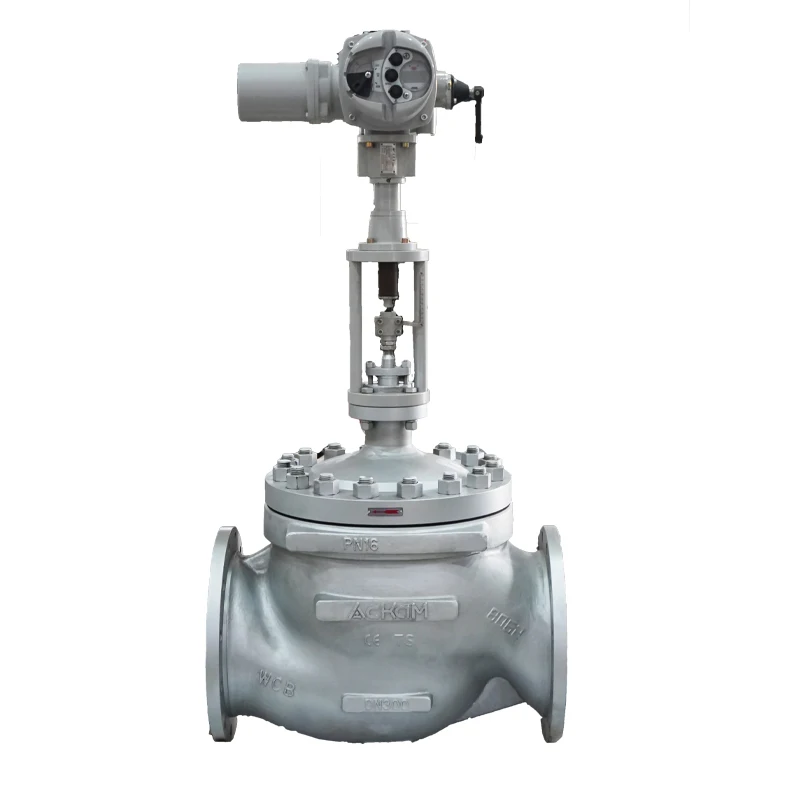
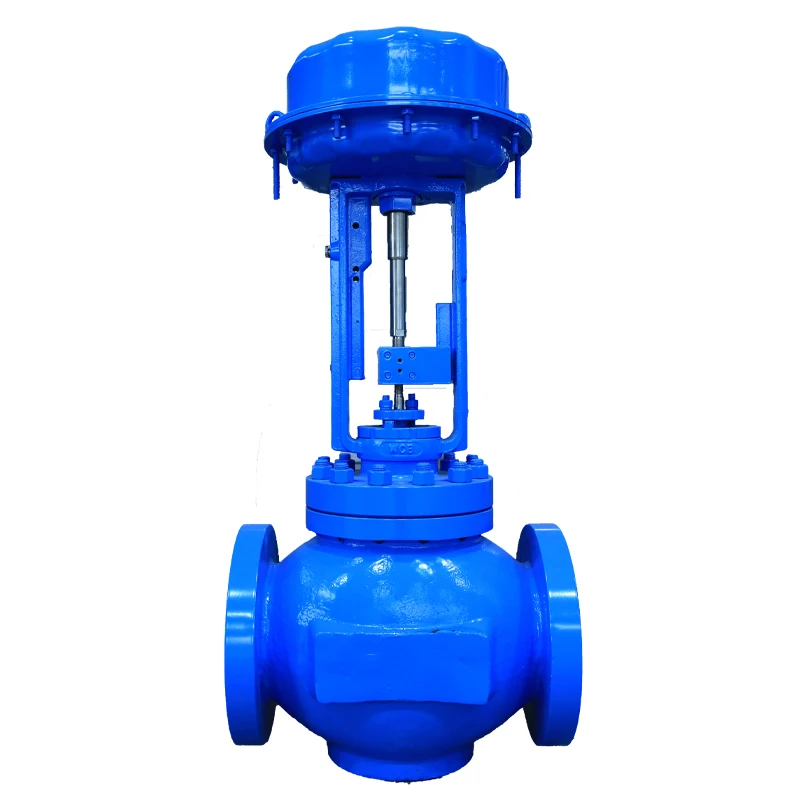
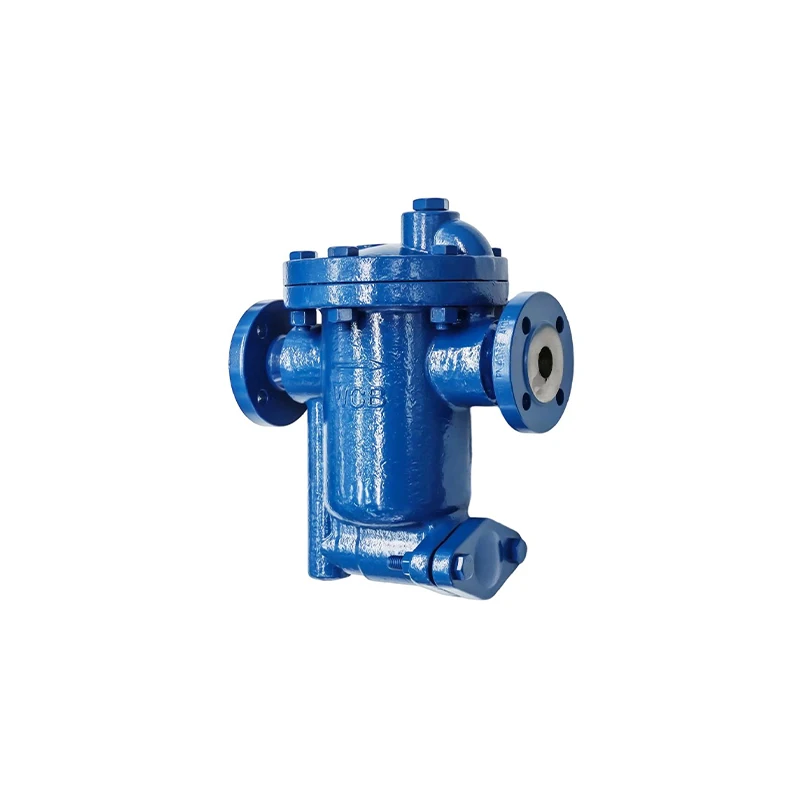
A thermodynamic valve represents a sophisticated engineering component designed to regulate fluid flow based on temperature variations and pressure differentials within industrial systems. This innovative device operates on fundamental thermodynamic principles, utilizing the natural behavior of materials to respond to thermal changes without requiring external power sources or complex control mechanisms. The thermodynamic valve incorporates advanced materials science with precision engineering to create a self-regulating system that maintains optimal performance across diverse operating conditions. The primary function of a thermodynamic valve centers on its ability to automatically adjust flow rates in response to temperature fluctuations, making it an essential component in steam systems, condensate recovery applications, and various process industries. The valve's core mechanism relies on a specially designed thermodynamic element that expands and contracts based on the temperature of the surrounding fluid, creating a reliable and consistent control response. This temperature-sensitive operation enables the thermodynamic valve to maintain precise control over system parameters without requiring continuous monitoring or manual intervention. Technological features of the thermodynamic valve include corrosion-resistant materials, precision-machined components, and innovative sealing technologies that ensure long-term reliability and minimal maintenance requirements. The valve design incorporates multiple safety features, including pressure relief capabilities and fail-safe mechanisms that protect connected equipment from potential damage during abnormal operating conditions. Applications for thermodynamic valves span numerous industries, including power generation facilities, chemical processing plants, food and beverage manufacturing, pharmaceutical production, and HVAC systems. These valves excel in steam trap applications, where they effectively separate condensate from steam while preventing steam loss, thereby improving overall system efficiency and reducing operational costs. The versatility of thermodynamic valves makes them suitable for both high-pressure and low-pressure applications, with specialized models available for extreme temperature environments and corrosive media handling.

New Products

The thermodynamic valve delivers exceptional reliability through its simple yet effective design philosophy, eliminating the need for complex electronic controls or external power sources that can fail during critical operations. This self-operating mechanism ensures continuous performance even during power outages or control system failures, providing plant operators with confidence in their process reliability. The valve responds instantly to temperature changes, maintaining precise control over flow rates and system pressures without the delays associated with traditional control systems. Energy efficiency represents another significant advantage, as the thermodynamic valve reduces overall system energy consumption by preventing steam loss and optimizing condensate recovery processes. This efficiency translates directly into cost savings for facility operators, with typical installations showing measurable reductions in fuel consumption and utility expenses within the first year of operation. The valve's ability to operate without electricity or compressed air eliminates ongoing operational costs associated with powered control systems while reducing the facility's carbon footprint. Maintenance requirements for thermodynamic valves remain minimal compared to conventional alternatives, thanks to their robust construction and fewer moving parts. The absence of electronic components means there are no circuit boards to replace, no sensors to calibrate, and no software to update, significantly reducing maintenance complexity and associated downtime. When service is required, the straightforward design allows for quick inspection and component replacement using standard tools, minimizing disruption to production schedules. Installation flexibility provides substantial benefits for both new construction projects and retrofit applications. The compact design of thermodynamic valves enables installation in tight spaces where larger control valves cannot fit, while their lightweight construction reduces structural support requirements. Multiple connection options accommodate various piping configurations, and the valves can be oriented in any position without affecting performance. This versatility allows engineers to optimize system layouts while maintaining excellent control performance. Durability stands as a hallmark of thermodynamic valve technology, with proper material selection enabling operation in harsh environments including high temperatures, corrosive chemicals, and extreme pressure conditions. The robust construction ensures extended service life, often exceeding twenty years in typical applications, providing excellent return on investment for facility owners.

Latest News

Soaring to New Heights: AcKaM Industrial Surges in Billion-Dollar Market with 200% H1 Sales Growth

04

Nov

Soaring to New Heights: AcKaM Industrial Surges in Billion-Dollar Market with 200% H1 Sales Growth

View More
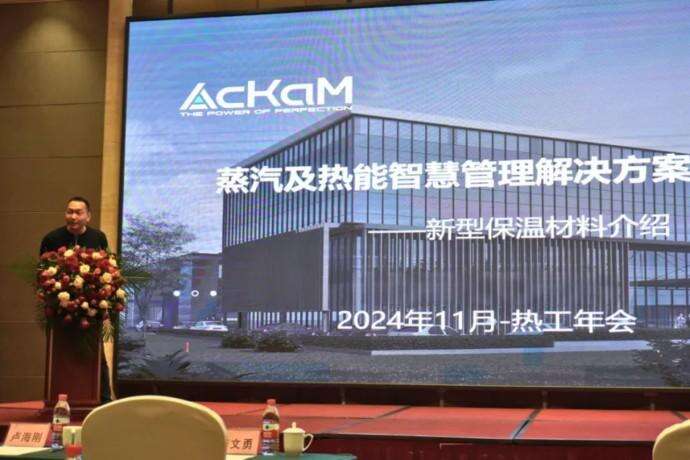
Innovation in Thermal Insulation Technology! AcKaM Delivers Keynote Speech at 2024 National Thermal Engineering Conference

05

Nov

Innovation in Thermal Insulation Technology! AcKaM Delivers Keynote Speech at 2024 National Thermal Engineering Conference

View More
AcKaM: Riding the Trillion-Yuan Wave to Pioneer Innovation

04

Nov

AcKaM: Riding the Trillion-Yuan Wave to Pioneer Innovation

View More

Get a Free Quote

Our representative will contact you soon.
Email
Name
Company Name
Message
0/1000

thermodynamic valve

Revolutionary Self-Regulating Technology

Revolutionary Self-Regulating Technology

The thermodynamic valve incorporates groundbreaking self-regulating technology that fundamentally transforms how industrial processes manage temperature and flow control without external intervention. This innovative approach utilizes the inherent properties of specially engineered thermodynamic elements that respond predictably to temperature variations, creating an autonomous control system that operates with remarkable precision and consistency. The core technology behind this self-regulation centers on advanced materials that exhibit controlled expansion and contraction characteristics when exposed to temperature changes, enabling the valve to automatically adjust its position and flow capacity based on real-time thermal conditions. This eliminates the need for complex control loops, expensive sensors, and sophisticated programming that traditional control systems require, while delivering superior performance and reliability. The self-regulating mechanism operates on proven thermodynamic principles, ensuring consistent behavior across millions of operating cycles without degradation or drift in performance characteristics. Plant operators benefit tremendously from this technology because it eliminates the human error factor associated with manual adjustments and reduces the complexity of system operation to its most fundamental level. The valve continuously monitors thermal conditions through its integrated sensing element, making instantaneous adjustments that maintain optimal system performance regardless of changing load conditions, ambient temperatures, or process variations. This real-time responsiveness ensures that industrial processes maintain peak efficiency while protecting expensive equipment from potential damage caused by improper flow rates or temperature excursions. The self-regulating technology also provides exceptional stability during transient conditions, such as startup and shutdown sequences, where traditional control systems often struggle to maintain proper regulation. Furthermore, this autonomous operation reduces the training requirements for plant personnel, as the thermodynamic valve requires minimal understanding of complex control theory or programming languages, making it accessible to technicians with basic mechanical knowledge while maintaining sophisticated control performance that meets the demands of modern industrial applications.
Exceptional Durability and Low Maintenance Design

Exceptional Durability and Low Maintenance Design

The thermodynamic valve stands out in industrial applications due to its exceptional durability and remarkably low maintenance requirements, characteristics that stem from its innovative design philosophy and superior material selection. Engineers have developed this valve using premium-grade materials specifically chosen for their resistance to corrosion, erosion, and thermal stress, ensuring reliable operation in the most demanding industrial environments. The valve body typically incorporates high-strength stainless steel or specialized alloys that maintain their structural integrity under extreme temperature and pressure conditions, while internal components utilize advanced ceramics or hardened metals that resist wear and maintain precise dimensional tolerances over extended service periods. This material selection process considers not only immediate performance requirements but also long-term exposure to process chemicals, temperature cycling, and mechanical stress that could compromise valve function over time. The low maintenance design eliminates many components that traditionally require regular service or replacement, such as electronic sensors, actuators, and control circuits that are susceptible to environmental damage or normal wear. Instead, the thermodynamic valve relies on robust mechanical principles and durable materials that can operate for years without requiring attention beyond routine inspections. When maintenance is necessary, the straightforward design enables technicians to perform service tasks quickly and efficiently using standard tools and basic mechanical skills, minimizing downtime and reducing maintenance costs significantly compared to complex control systems. The valve design also incorporates features that facilitate easy inspection and cleaning, with accessible components that can be visually examined during routine maintenance rounds without requiring specialized equipment or extensive disassembly procedures. This accessibility ensures that potential issues can be identified and addressed proactively before they impact system performance or cause unexpected failures. Additionally, the thermodynamic valve's resistance to fouling and buildup reduces the frequency of cleaning operations, while its robust construction ensures that when cleaning is required, aggressive methods can be used without damaging critical components, further enhancing its suitability for challenging industrial applications where reliability and longevity are paramount considerations.
Versatile Application Range and Installation Flexibility

Versatile Application Range and Installation Flexibility

The thermodynamic valve demonstrates remarkable versatility across diverse industrial applications while offering unmatched installation flexibility that accommodates various system configurations and space constraints. This adaptability makes the thermodynamic valve an ideal solution for industries ranging from power generation and chemical processing to food production and pharmaceutical manufacturing, where different applications demand specific performance characteristics and installation requirements. The valve's design accommodates multiple fluid types, including steam, condensate, water, and various process chemicals, while maintaining consistent performance across different operating pressures and temperatures. This versatility eliminates the need for multiple valve types in complex facilities, simplifying inventory management and reducing procurement costs while ensuring consistent performance standards throughout the facility. Installation flexibility represents a significant advantage for both new construction projects and retrofit applications, where existing space constraints or piping configurations may limit equipment options. The compact design of the thermodynamic valve enables installation in confined spaces where traditional control valves cannot fit, while its lightweight construction reduces structural support requirements and simplifies installation procedures. Multiple mounting orientations allow the valve to be installed horizontally, vertically, or at any angle without affecting performance, providing engineers with maximum design freedom when optimizing system layouts. The valve's modular design also accommodates various connection types, including threaded, flanged, and welded joints, ensuring compatibility with existing piping systems and reducing installation complexity. This flexibility extends to control integration, where the thermodynamic valve can operate independently or be incorporated into larger control schemes without requiring extensive system modifications. The valve's ability to function effectively in both high-pressure and low-pressure applications further enhances its versatility, with specialized models available for extreme conditions such as superheated steam service or cryogenic applications. Additionally, the thermodynamic valve's resistance to vibration and shock makes it suitable for mobile applications or installations subject to mechanical stress, while its tolerance for water hammer and pressure transients ensures reliable operation in dynamic systems where flow conditions may change rapidly.

Get a Free Quote

Our representative will contact you soon.
Email
Name
Company Name
Message
0/1000