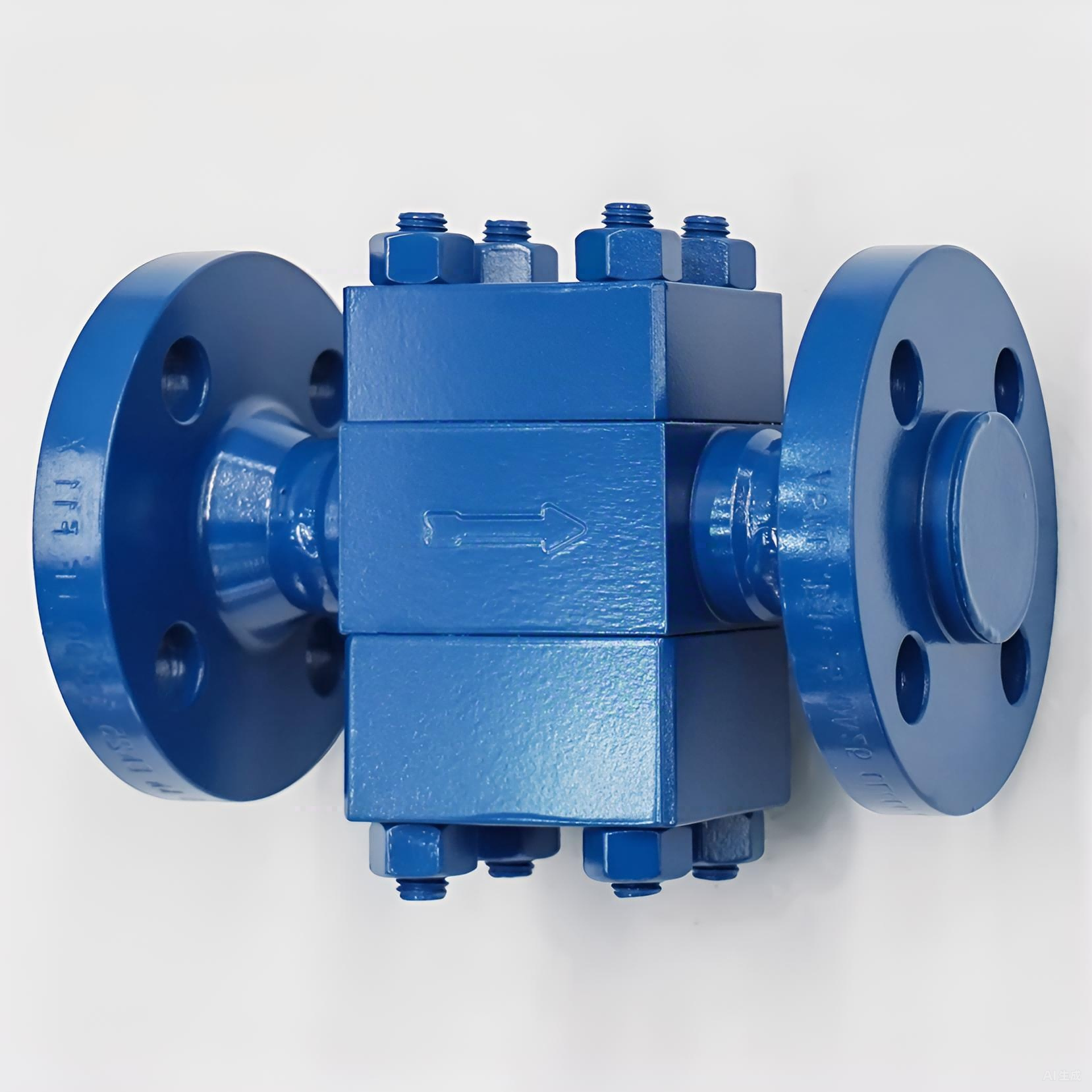
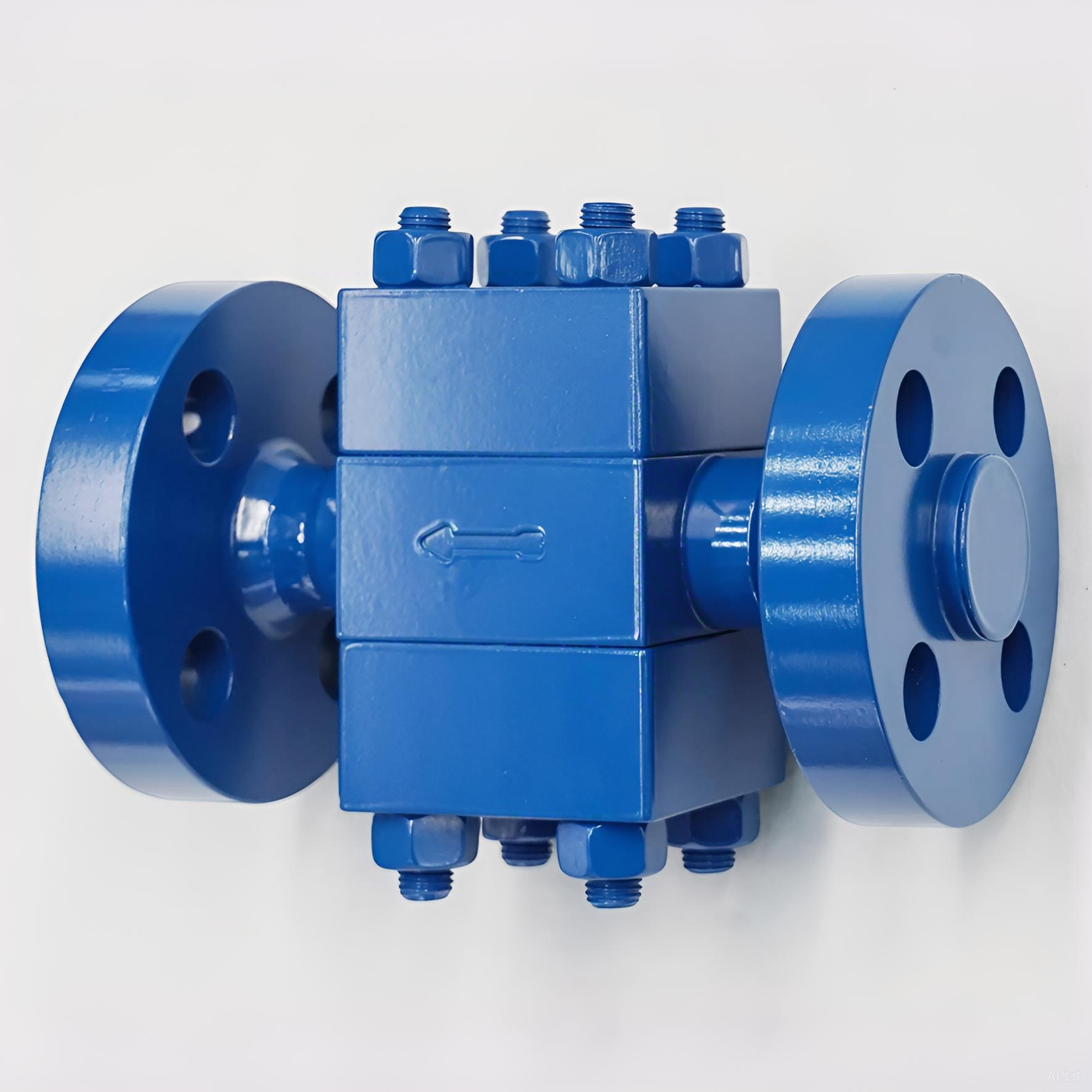
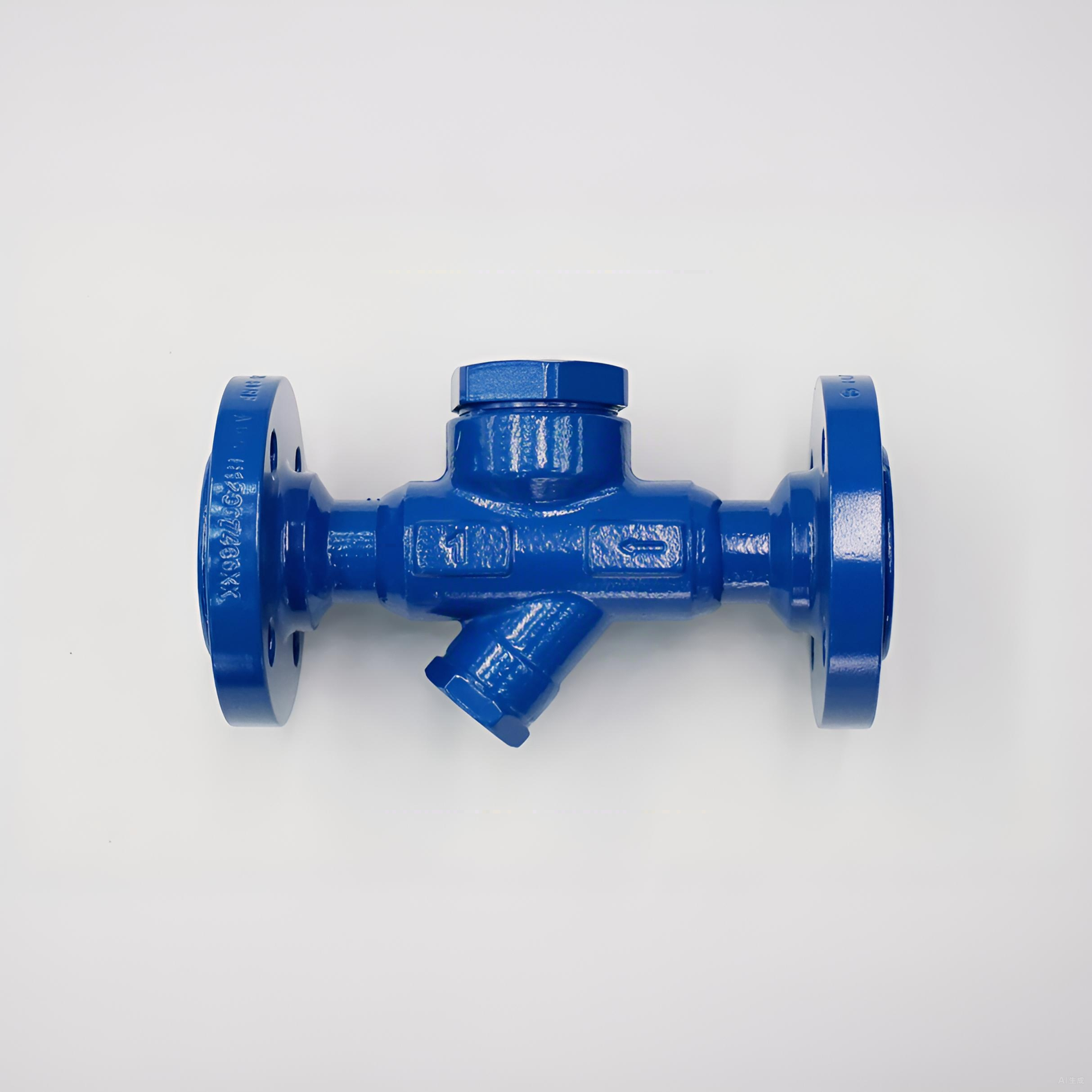
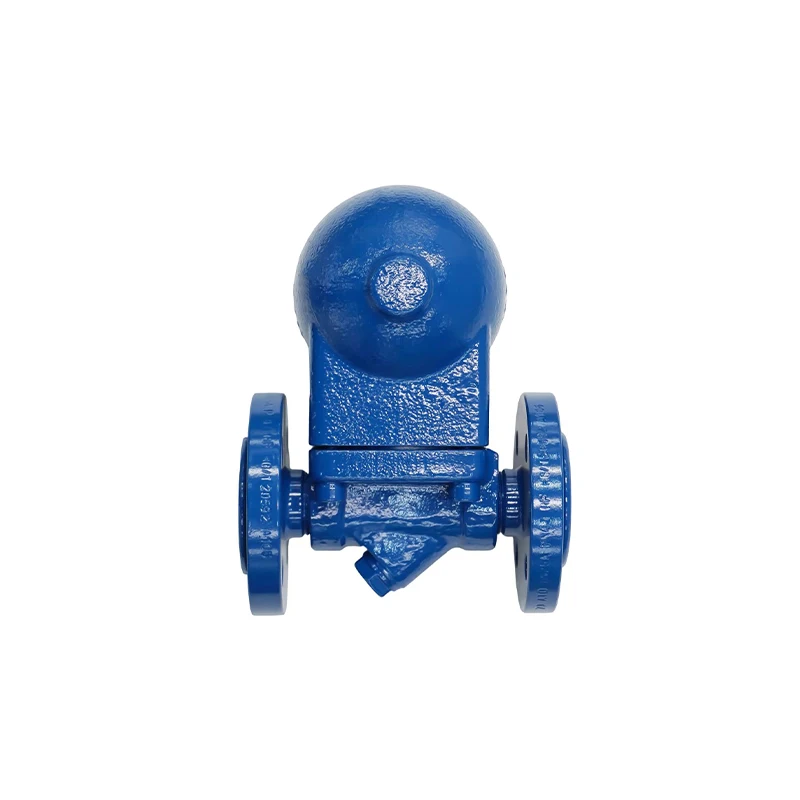
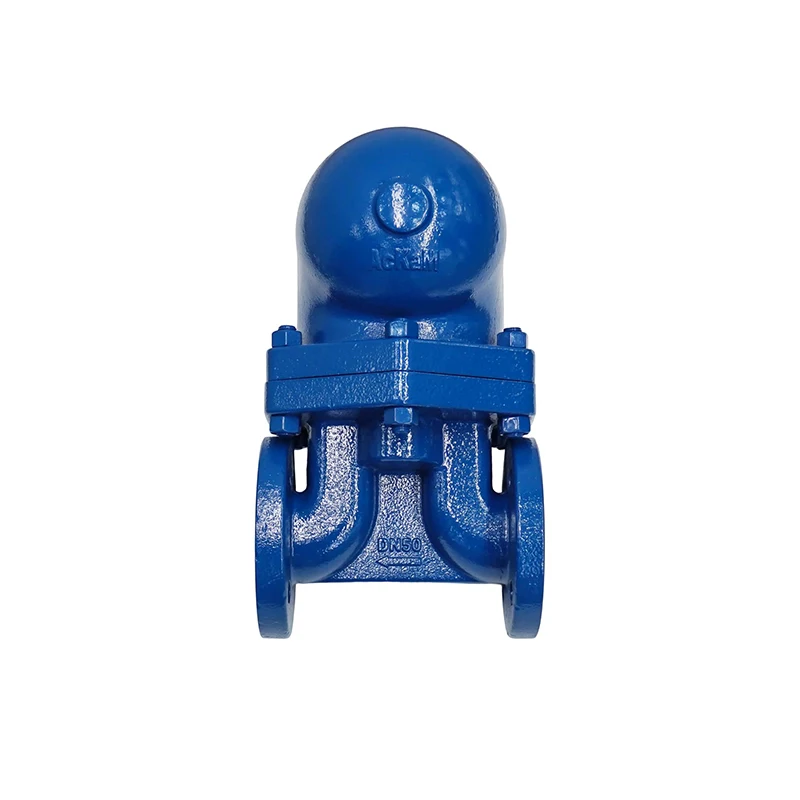
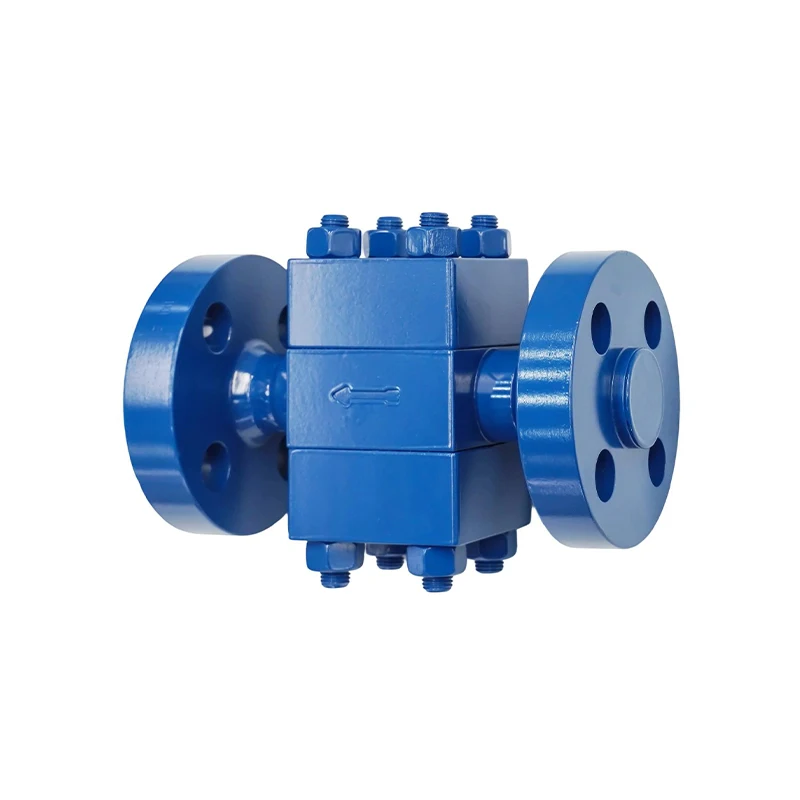
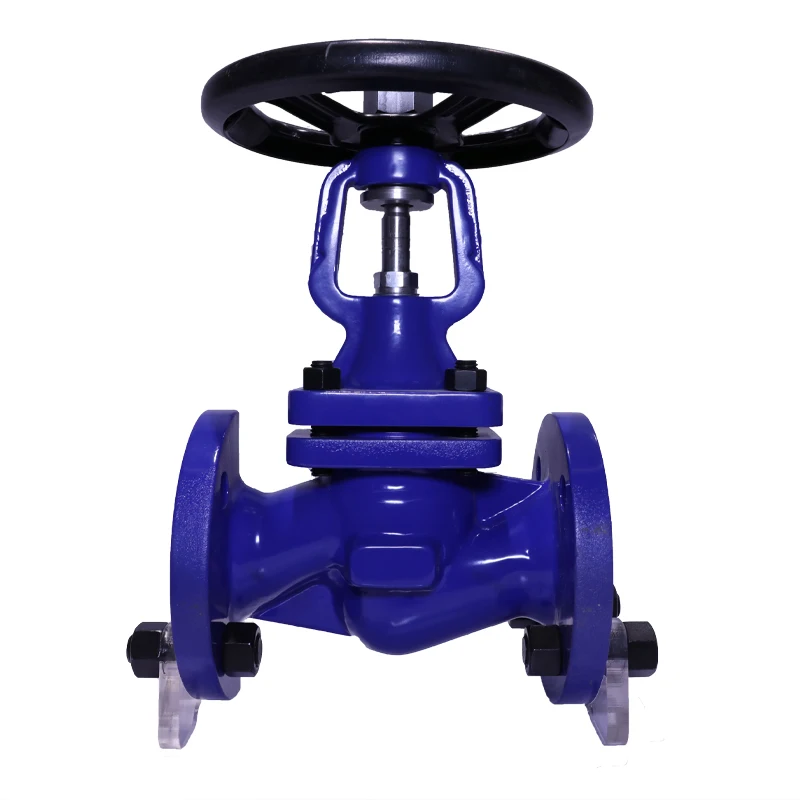
compact module thermodynamic steam trap
A compact module thermodynamic steam trap represents an innovative solution in steam system management, designed to efficiently remove condensate while preventing steam loss. This specialized device operates on thermodynamic principles, utilizing the velocity and temperature differences between steam and condensate to control discharge mechanisms automatically. The compact module thermodynamic steam trap incorporates advanced engineering that combines reliability with space-saving design, making it ideal for modern industrial applications where efficiency and footprint matter. The primary function of this steam trap involves detecting the presence of condensate within steam systems and expelling it promptly while maintaining system pressure and preventing valuable steam from escaping. The technological foundation relies on a unique disc mechanism that responds to pressure differentials created by flowing steam versus static condensate. When condensate accumulates, the internal disc opens to allow drainage, then closes rapidly when steam approaches, creating an effective barrier. The compact module thermodynamic steam trap features robust construction materials resistant to corrosion and thermal cycling, ensuring long-term performance in demanding industrial environments. Applications span across various industries including petrochemical processing, power generation, pharmaceutical manufacturing, food processing, and HVAC systems. The versatility of the compact module thermodynamic steam trap makes it suitable for both high-pressure and moderate-pressure applications, accommodating diverse operational requirements. Installation flexibility allows mounting in various orientations, while the modular design facilitates easy maintenance and replacement procedures. The compact module thermodynamic steam trap delivers consistent performance across wide temperature ranges, maintaining effectiveness from startup conditions through peak operational demands. This reliability translates into reduced maintenance costs and improved system efficiency for end users.