thermodynamic steam trap valve
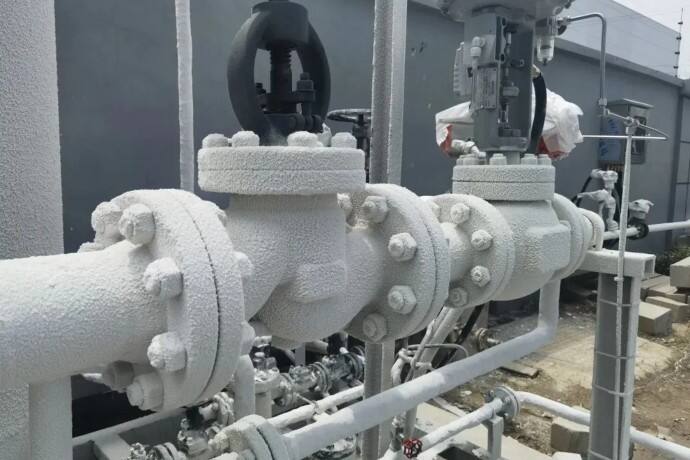
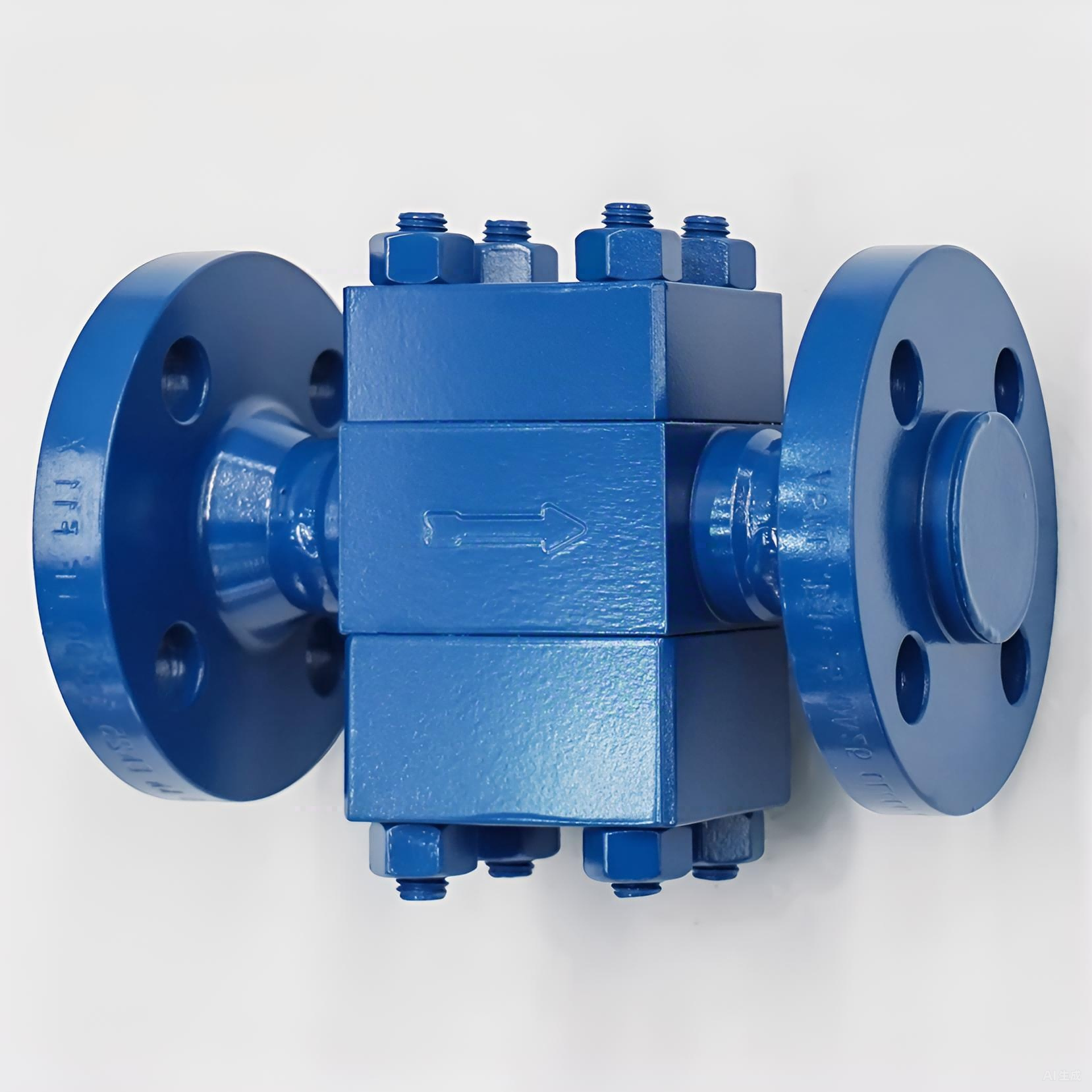
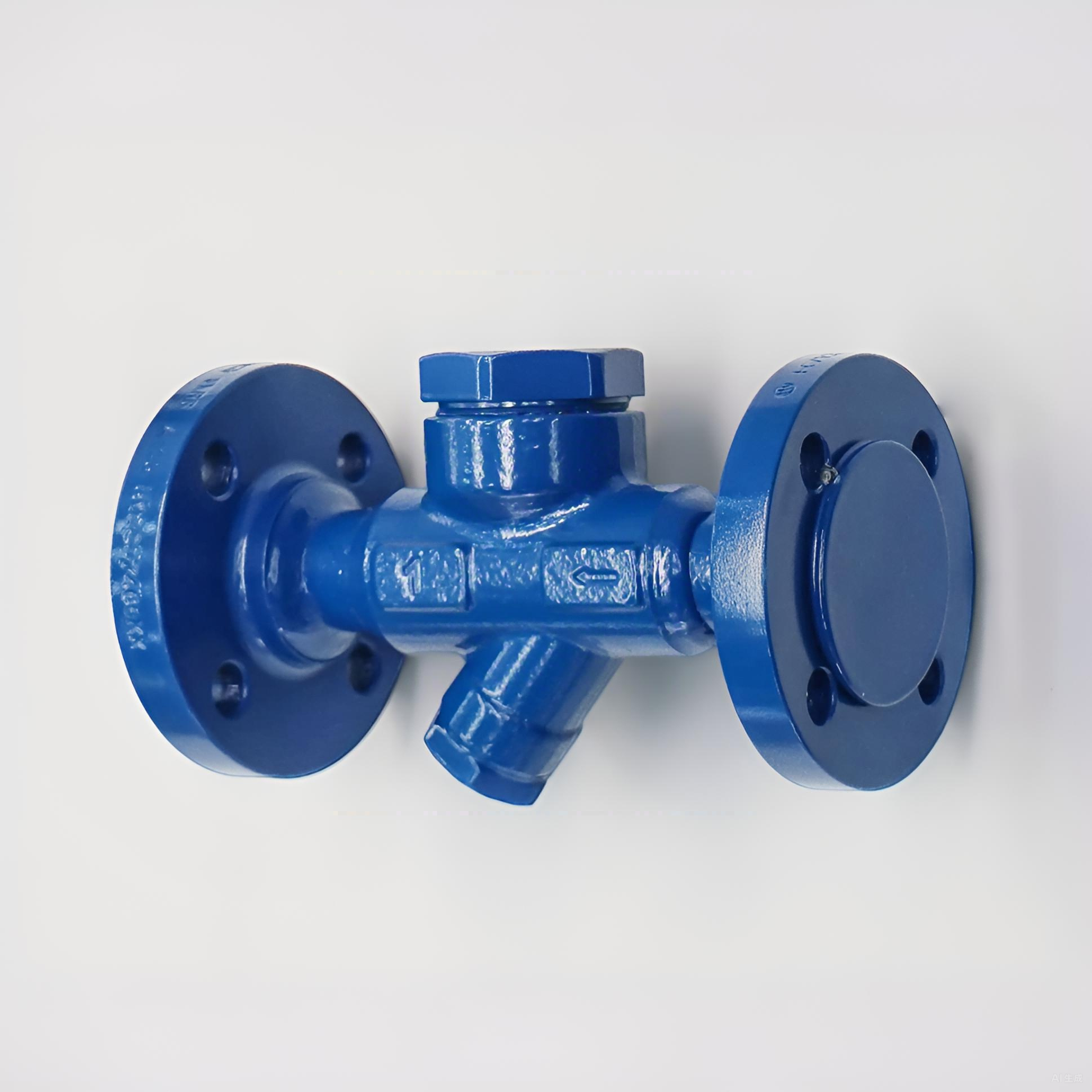
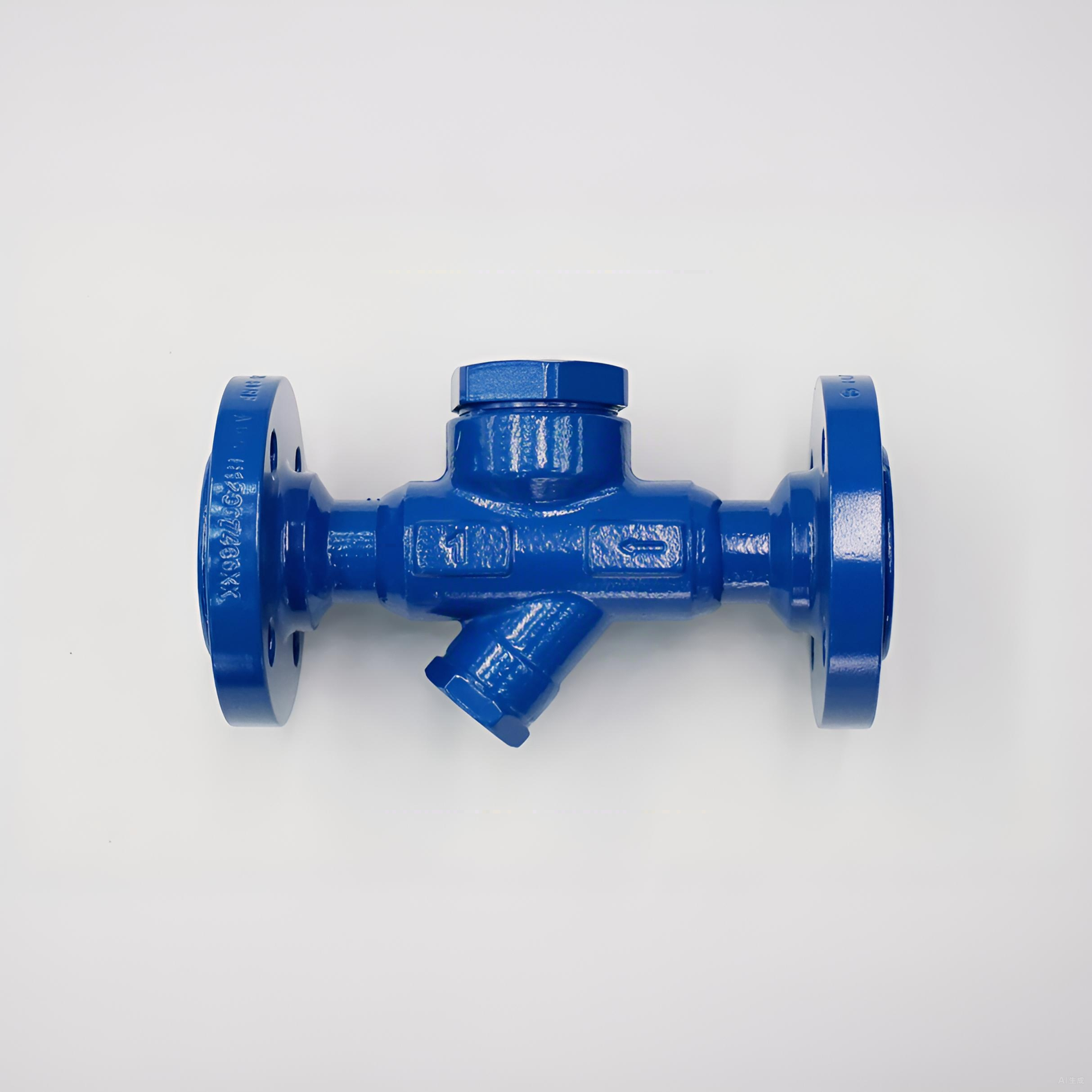
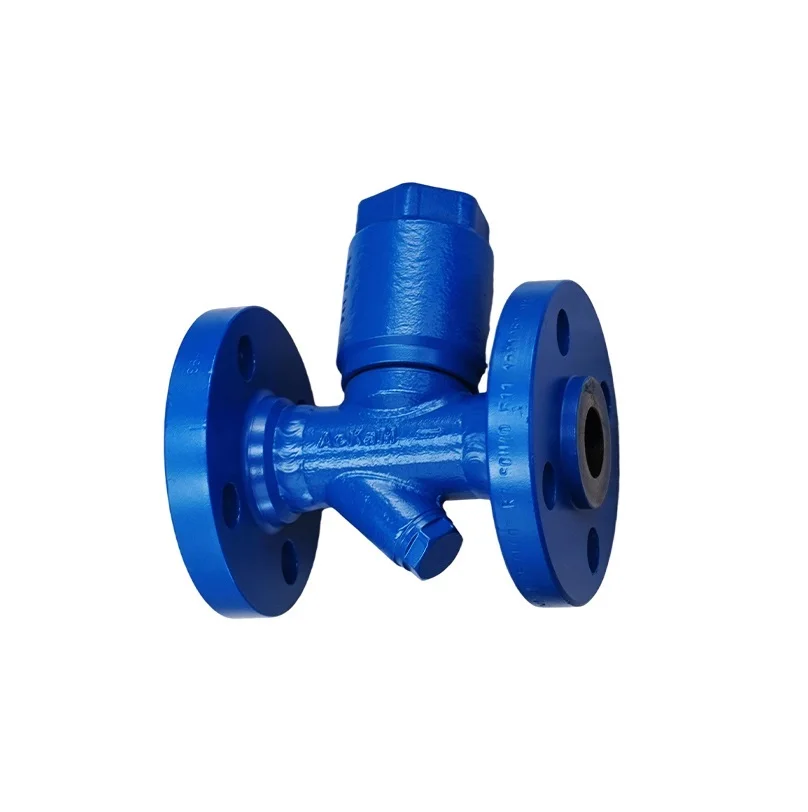
The thermodynamic steam trap valve represents a critical component in industrial steam systems, designed to automatically discharge condensate while preventing valuable steam from escaping. This sophisticated device operates on fundamental thermodynamic principles, utilizing the difference in flow velocities and temperatures between steam and condensate to achieve optimal performance. Unlike other steam trap configurations, the thermodynamic steam trap valve employs a simple yet effective disc mechanism that responds to pressure differentials created by flowing fluids. The primary function of this thermodynamic steam trap valve centers on maintaining system efficiency by removing condensate that naturally forms when steam transfers its latent heat during industrial processes. The valve ensures continuous operation by preventing water hammer, corrosion, and thermal inefficiencies that occur when condensate accumulates in steam lines. Technological features of the thermodynamic steam trap valve include a robust stainless steel construction that withstands high pressures and temperatures, typically ranging from 15 to 600 PSI operating pressures. The compact design incorporates a precision-machined disc that creates a self-regulating mechanism, opening and closing based on thermodynamic forces rather than mechanical linkages or temperature-sensitive elements. This thermodynamic steam trap valve finds extensive applications across diverse industries including chemical processing, food and beverage production, pharmaceutical manufacturing, textile operations, and power generation facilities. The valve excels in applications involving superheated steam, high-pressure systems, and environments where mechanical components might fail due to extreme conditions. Installation versatility allows the thermodynamic steam trap valve to function effectively in horizontal or vertical orientations, making it suitable for complex piping configurations. The device operates reliably in ambient temperatures ranging from -40°F to 400°F, ensuring consistent performance across various geographic locations and seasonal conditions.