thermodynamic steam trap operation
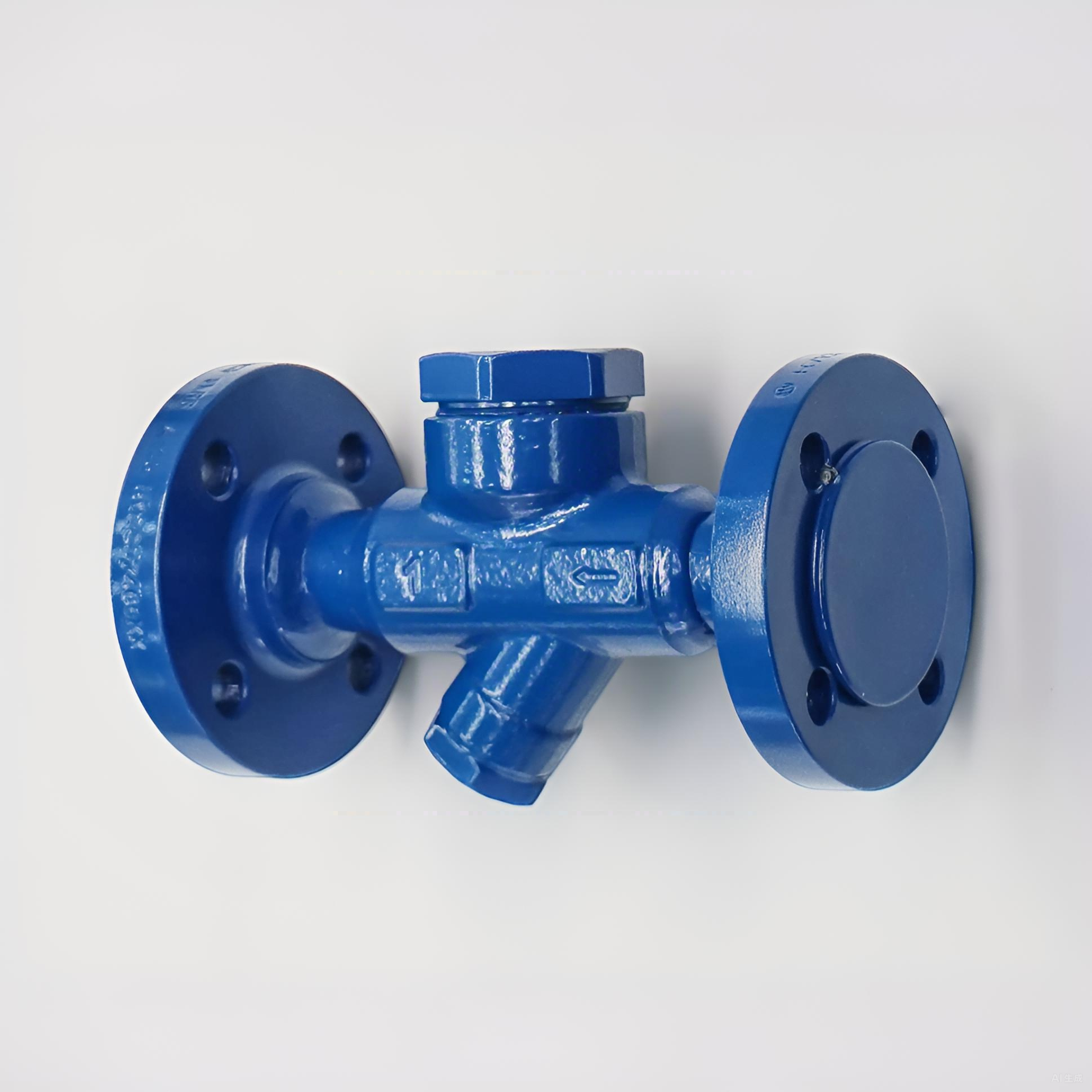
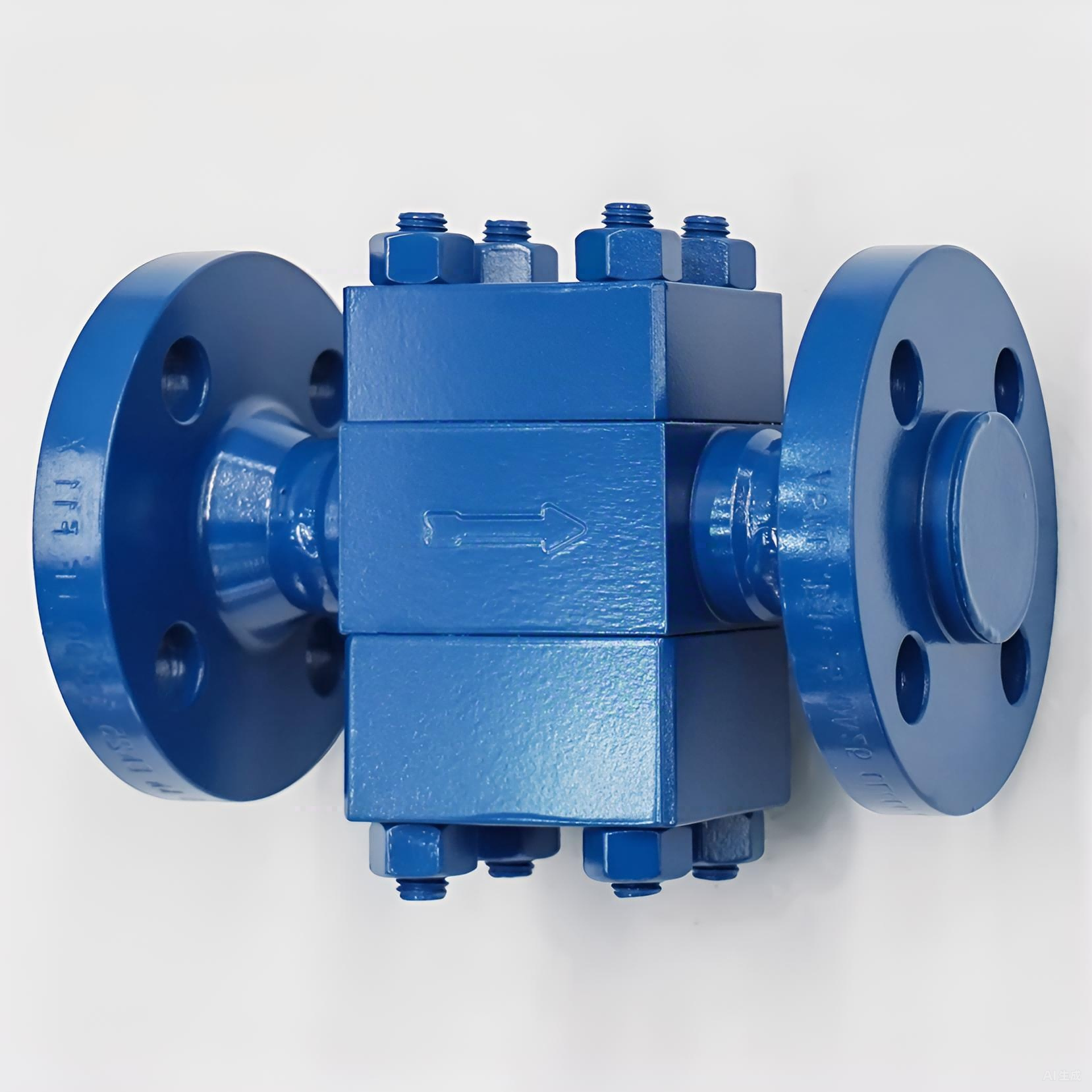
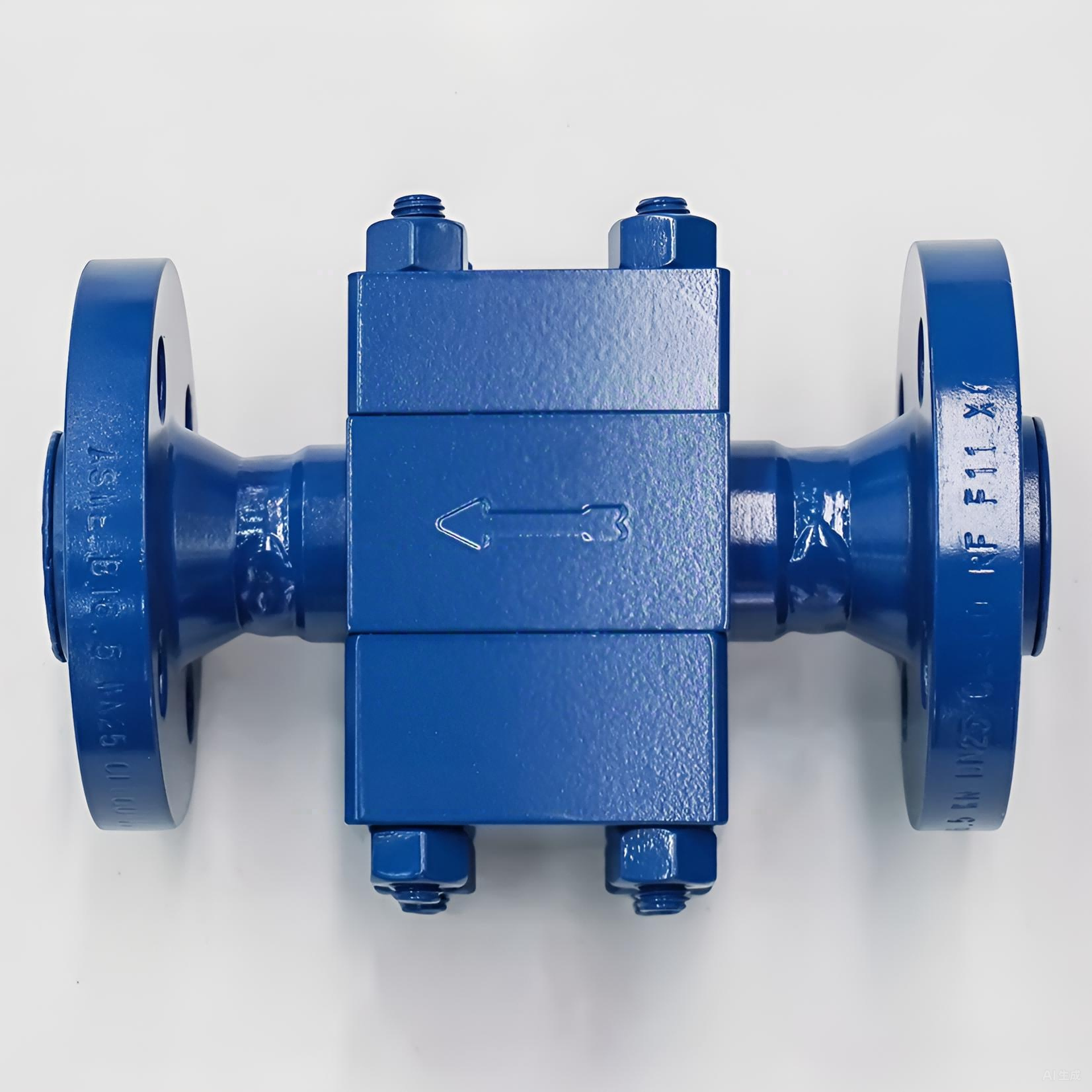
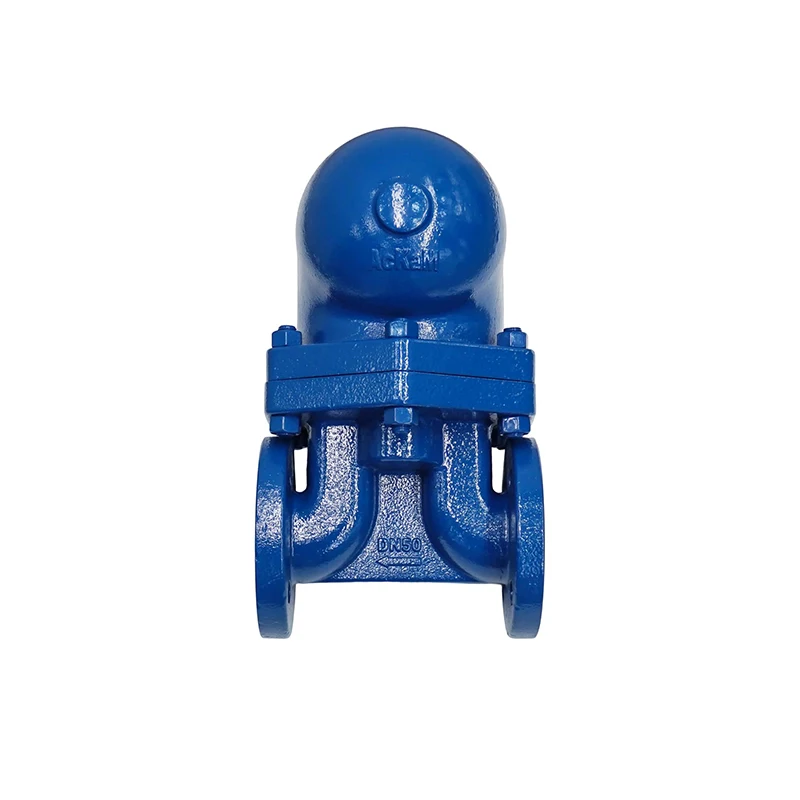
The thermodynamic steam trap operation represents a sophisticated engineering solution designed to automatically remove condensate, air, and other non-condensable gases from steam systems while preventing steam loss. This innovative technology operates on the principle of temperature and pressure differentials, utilizing the thermodynamic properties of steam and condensate to achieve optimal performance. The thermodynamic steam trap operation functions through a unique disc mechanism that responds to velocity and temperature changes within the system. When steam flows through the trap, it creates a high-velocity jet that reduces pressure above the control disc, causing it to close and prevent steam escape. As condensate accumulates and temperature drops, the pressure differential changes, allowing the disc to open and discharge the condensate effectively. The main functions of thermodynamic steam trap operation include condensate removal, air venting, and steam conservation, making it essential for maintaining system efficiency and preventing water hammer damage. Key technological features encompass the robust disc design, compact construction, and self-regulating operation that requires minimal maintenance. The thermodynamic steam trap operation excels in high-pressure applications, typically handling pressures up to 600 PSI with remarkable reliability. Its versatility makes it suitable for various industrial applications including process heating, steam distribution systems, heat exchangers, and steam tracing operations. The thermodynamic steam trap operation particularly shines in applications where space constraints exist, as its compact design allows installation in tight locations. Manufacturing facilities, power plants, chemical processing units, and commercial buildings frequently rely on thermodynamic steam trap operation for efficient steam system management. The technology's ability to handle varying load conditions makes it ideal for applications with fluctuating steam demands, ensuring consistent performance across different operating scenarios.