Thermodynamic Trap Working Systems: Advanced Steam Condensate Management Solutions

All Categories

Get a Free Quote

Our representative will contact you soon.
Email
Name
Company Name
Message
0/1000

thermodynamic trap working

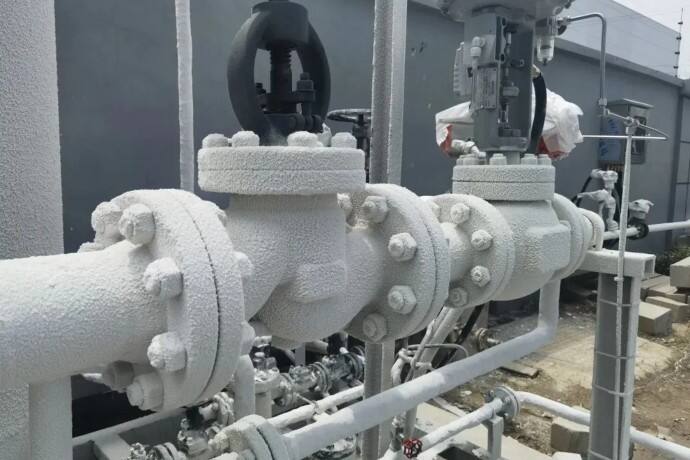
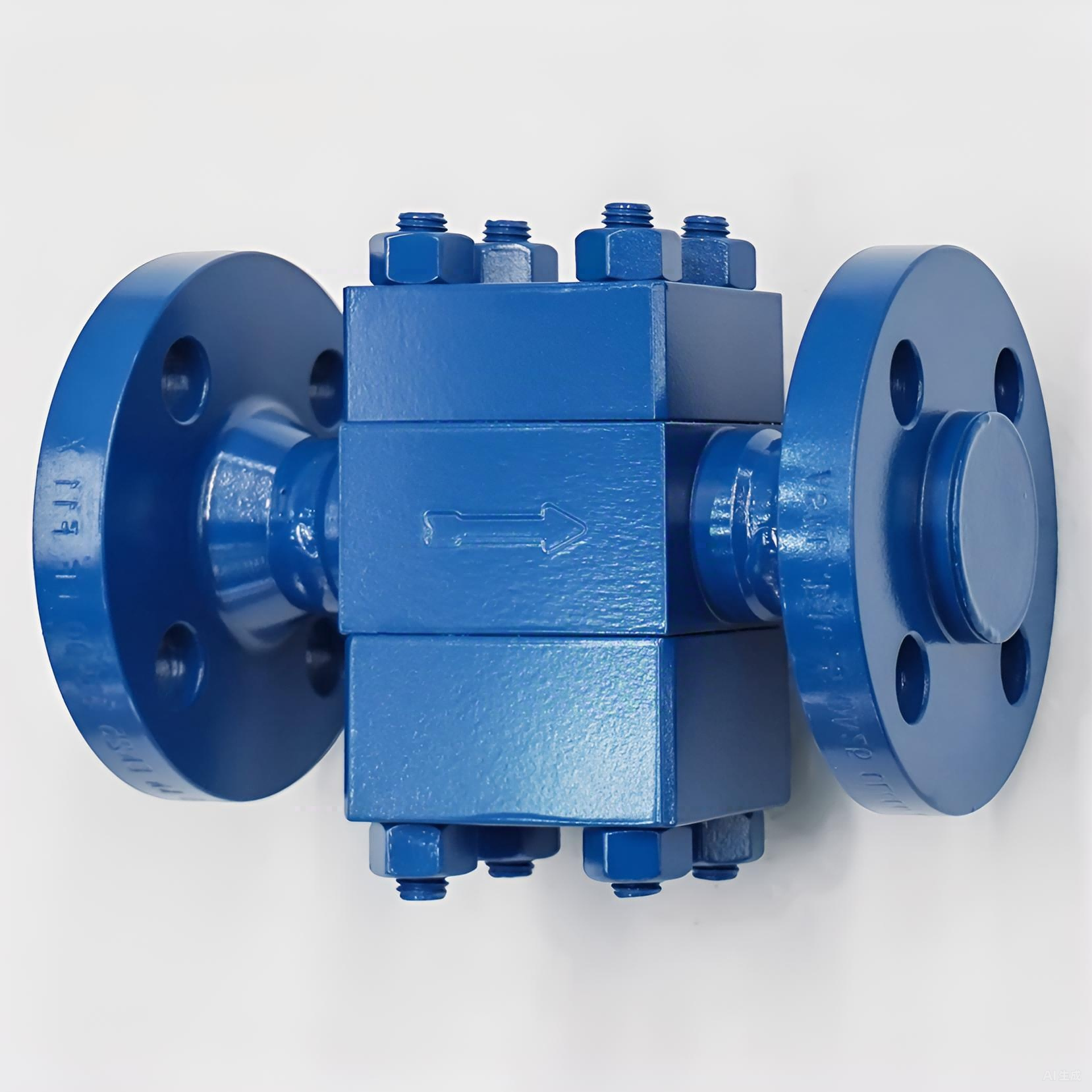
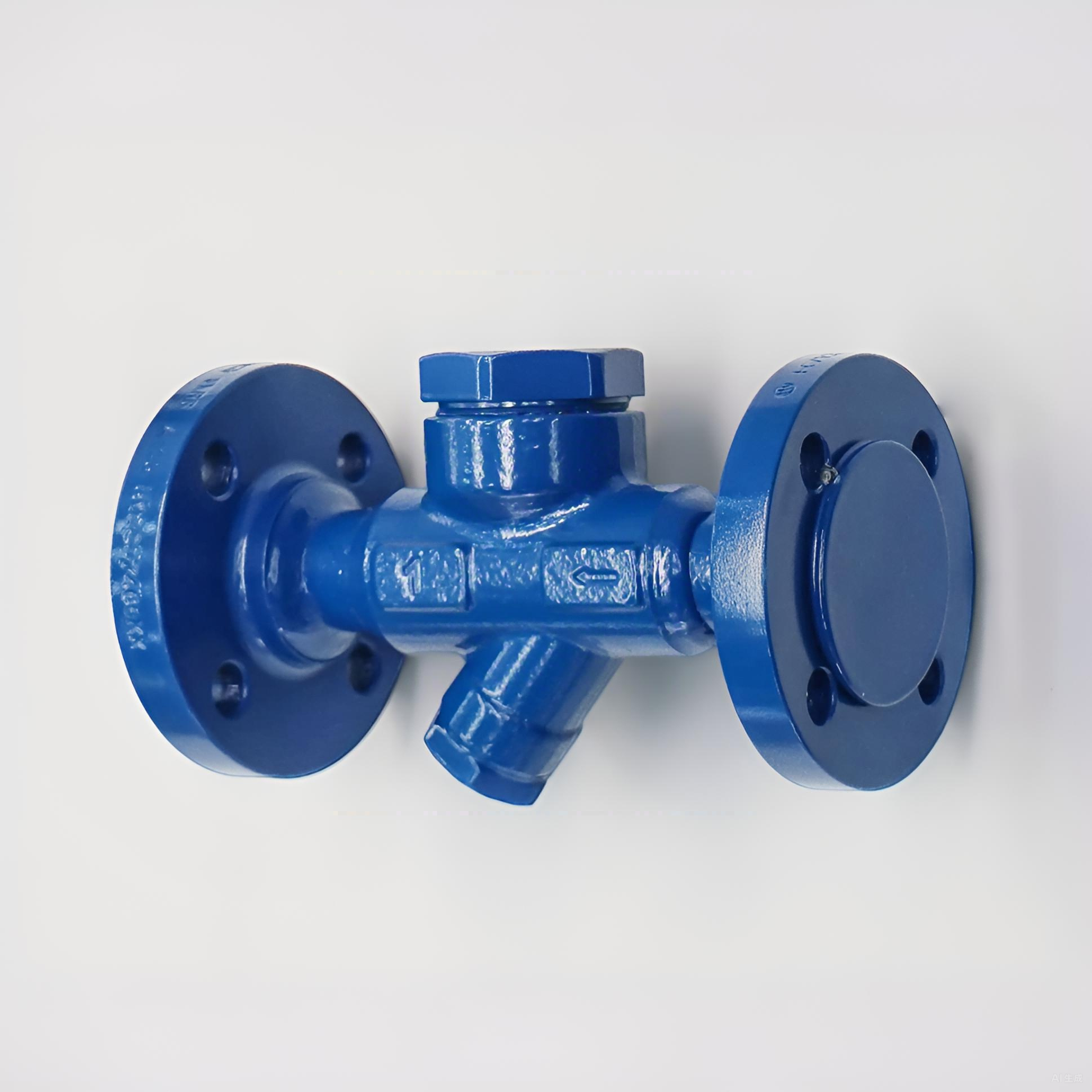
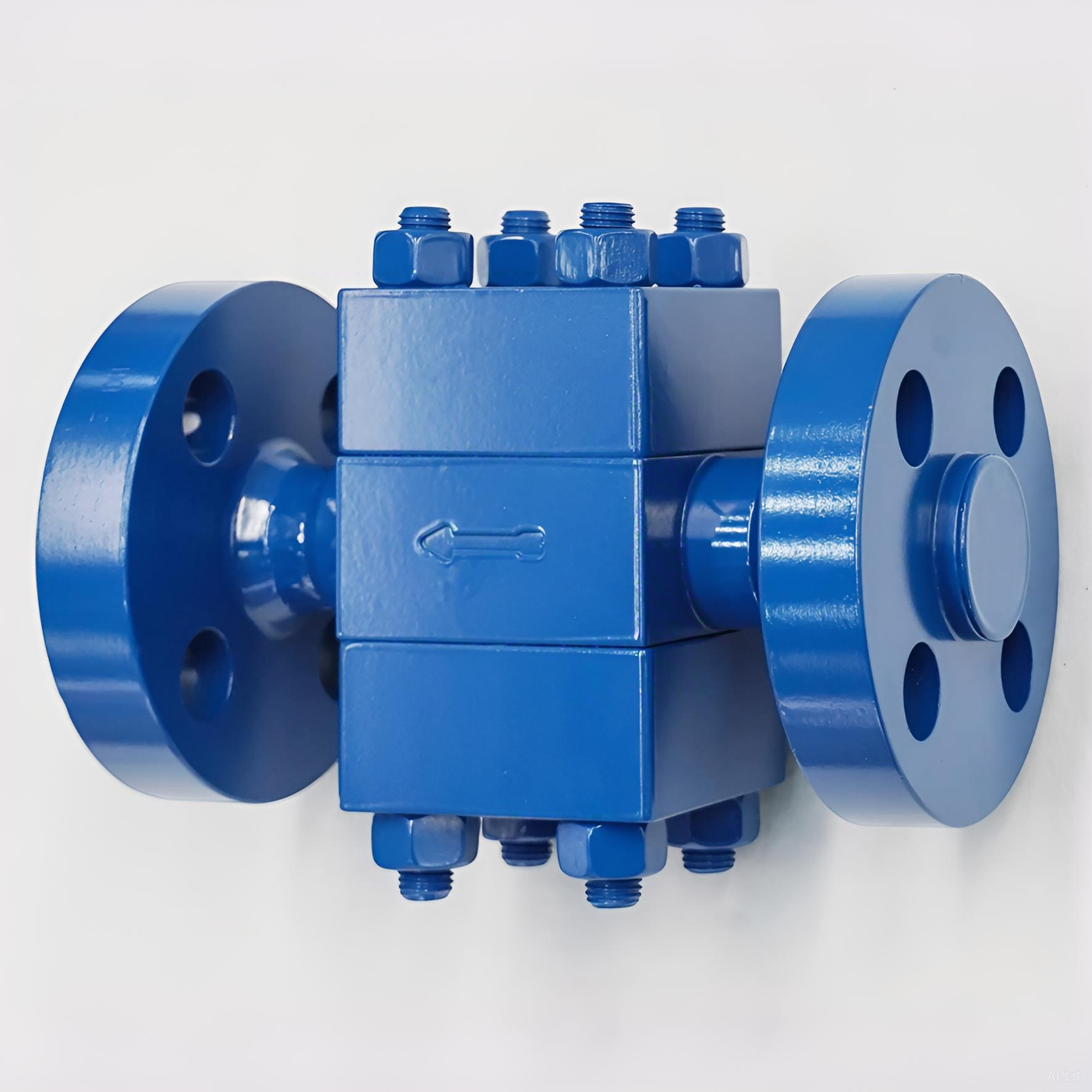
A thermodynamic trap working system represents a sophisticated steam management solution that harnesses the principles of thermodynamics to automatically separate condensate from steam while preventing steam loss. This innovative technology operates on the fundamental concept that steam and condensate possess different thermodynamic properties, particularly in terms of temperature and density variations. The thermodynamic trap working mechanism functions without moving parts, relying entirely on the natural physical properties of steam and water phases to achieve optimal performance. The core functionality centers around a specially designed chamber that responds to temperature fluctuations caused by the presence of steam versus condensate. When steam enters the thermodynamic trap working system, the high-temperature vapor creates specific pressure dynamics within the internal disc mechanism. This pressure differential causes the disc to close, effectively blocking steam passage and preventing valuable energy loss. Conversely, when cooler condensate accumulates, the reduced temperature and altered pressure conditions allow the disc to open, facilitating immediate drainage. The technological features of thermodynamic trap working systems include robust stainless steel construction, compact design profiles, and exceptional resistance to water hammer effects. These units incorporate precision-engineered internal components that respond rapidly to temperature changes, ensuring reliable operation across diverse industrial applications. The thermodynamic trap working principle eliminates the need for external power sources or complex control systems, making it an inherently reliable solution for steam system management. Applications span across various industries including petrochemical processing, food production facilities, pharmaceutical manufacturing, and power generation plants. The thermodynamic trap working technology proves particularly valuable in high-pressure steam systems where conventional mechanical traps might fail due to extreme operating conditions. Manufacturing facilities utilize these systems for process heating applications, while commercial buildings employ them for space heating and domestic hot water systems, demonstrating the versatility and effectiveness of thermodynamic trap working solutions.

New Product Releases

The thermodynamic trap working system delivers exceptional energy efficiency by preventing steam loss, which directly translates to reduced fuel consumption and lower operational costs for industrial facilities. Unlike mechanical alternatives, the thermodynamic trap working mechanism operates without moving parts that wear out, eliminating frequent maintenance requirements and associated downtime expenses. This reliability factor significantly reduces total ownership costs while maintaining consistent performance levels throughout extended operational periods. The compact design of thermodynamic trap working units allows installation in confined spaces where larger trap systems cannot fit, providing flexibility for retrofitting existing steam systems or designing new installations with space constraints. The thermodynamic trap working technology responds instantly to temperature variations, ensuring rapid condensate removal that prevents water hammer damage and maintains optimal heat transfer efficiency throughout the steam distribution network. These systems demonstrate superior performance in applications with varying steam loads, automatically adjusting their operation based on actual condensate production rather than requiring manual intervention or complex control systems. The thermodynamic trap working principle eliminates the risk of freeze damage during cold weather conditions, as the absence of water-filled chambers prevents ice formation that could compromise system integrity. Industrial facilities benefit from the consistent discharge characteristics of thermodynamic trap working systems, which maintain steady condensate removal rates regardless of fluctuating steam pressures or seasonal temperature variations. The stainless steel construction of thermodynamic trap working units provides exceptional corrosion resistance, extending service life even in aggressive chemical environments or high-moisture conditions commonly found in industrial steam applications. Energy managers appreciate how thermodynamic trap working systems contribute to overall steam system efficiency by maintaining proper condensate drainage, which prevents insulation damage and maintains optimal heat transfer rates in steam-heated equipment. The simple installation process of thermodynamic trap working units reduces project costs and minimizes system commissioning time, allowing facilities to realize energy savings quickly after implementation. Maintenance personnel find thermodynamic trap working systems easy to service, with straightforward inspection procedures and minimal component replacement requirements that reduce long-term maintenance budgets while ensuring reliable condensate management performance.

Practical Tips

Soaring to New Heights: AcKaM Industrial Surges in Billion-Dollar Market with 200% H1 Sales Growth

04

Nov

Soaring to New Heights: AcKaM Industrial Surges in Billion-Dollar Market with 200% H1 Sales Growth

View More
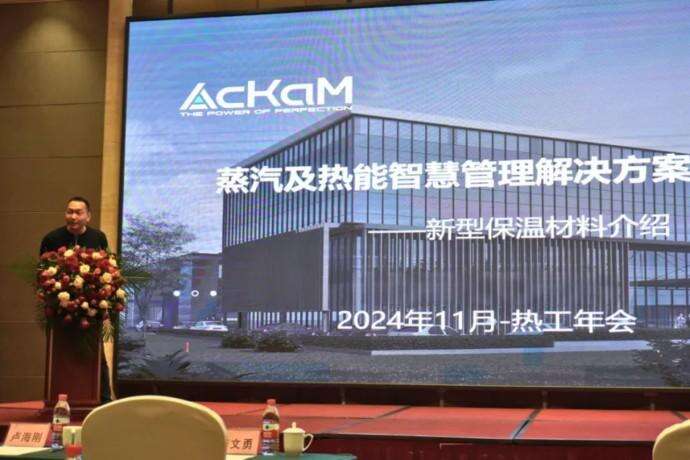
Innovation in Thermal Insulation Technology! AcKaM Delivers Keynote Speech at 2024 National Thermal Engineering Conference

05

Nov

Innovation in Thermal Insulation Technology! AcKaM Delivers Keynote Speech at 2024 National Thermal Engineering Conference

View More
AcKaM: Riding the Trillion-Yuan Wave to Pioneer Innovation

04

Nov

AcKaM: Riding the Trillion-Yuan Wave to Pioneer Innovation

View More

Get a Free Quote

Our representative will contact you soon.
Email
Name
Company Name
Message
0/1000

thermodynamic trap working

Zero Moving Parts Design Ensures Maximum Reliability

Zero Moving Parts Design Ensures Maximum Reliability

The thermodynamic trap working system revolutionizes steam condensate management through its innovative zero moving parts design, fundamentally eliminating the primary cause of trap failure in industrial applications. Traditional mechanical steam traps rely on moving components such as floats, levers, and linkages that inevitably wear out due to constant operation under extreme temperature and pressure conditions. However, the thermodynamic trap working mechanism operates entirely through thermodynamic principles, utilizing a precisely engineered disc that responds to pressure differentials created by steam and condensate temperature variations. This breakthrough design approach means that thermodynamic trap working systems cannot experience mechanical failure modes that plague conventional traps, such as stuck floats, corroded linkages, or worn seating surfaces. The absence of moving parts in thermodynamic trap working units translates directly to exceptional longevity, with many installations operating reliably for decades without requiring component replacement or major maintenance interventions. Industrial facilities particularly benefit from this reliability advantage, as unexpected trap failures can result in significant production disruptions, energy waste, and emergency repair costs. The thermodynamic trap working design philosophy prioritizes simplicity and durability, incorporating only essential components that contribute directly to the condensate separation function. This minimalist approach reduces potential failure points while maintaining optimal performance characteristics across diverse operating conditions. Engineering teams appreciate how thermodynamic trap working systems eliminate the complexity associated with mechanical trap maintenance scheduling, spare parts inventory management, and specialized repair procedures. The inherent reliability of thermodynamic trap working technology enables facilities to implement predictive maintenance strategies rather than reactive repair approaches, improving overall system uptime and operational efficiency. Quality control in thermodynamic trap working manufacturing focuses on precision disc machining and chamber dimensional accuracy, ensuring consistent performance characteristics that meet stringent industrial standards for steam system applications.
Superior Performance in High-Pressure Steam Systems

Superior Performance in High-Pressure Steam Systems

Thermodynamic trap working technology excels in high-pressure steam applications where conventional mechanical traps often struggle or fail completely, making it the preferred solution for demanding industrial processes. The unique operating principle of thermodynamic trap working systems becomes increasingly effective as steam pressure increases, creating more pronounced pressure differentials that enhance the disc closure mechanism's responsiveness and sealing capability. High-pressure steam environments present significant challenges for traditional float traps and thermostatic devices, as extreme pressure conditions can overwhelm mechanical components and compromise sealing effectiveness. However, thermodynamic trap working units thrive under these conditions, utilizing the increased pressure differential to achieve tighter sealing and more positive steam retention. The robust construction of thermodynamic trap working systems incorporates heavy-duty materials and precision engineering specifically designed to withstand the mechanical stresses associated with high-pressure steam applications. Industrial processes requiring steam pressures exceeding 15 bar particularly benefit from thermodynamic trap working technology, as these systems maintain consistent performance characteristics even when operating at maximum rated pressures. The thermodynamic trap working mechanism demonstrates exceptional stability under varying pressure conditions, automatically adjusting its operation to maintain optimal condensate drainage regardless of upstream pressure fluctuations. Power generation facilities, chemical processing plants, and heavy manufacturing operations rely on thermodynamic trap working systems to manage condensate in their highest-pressure steam distribution networks. The enhanced performance characteristics of thermodynamic trap working technology in high-pressure applications result from the fundamental physics governing disc operation, where increased pressure creates stronger closing forces and more effective steam retention. Maintenance teams working with high-pressure steam systems appreciate how thermodynamic trap working units eliminate the safety concerns associated with servicing complex mechanical traps under extreme pressure conditions. The proven performance record of thermodynamic trap working systems in high-pressure applications has established this technology as the industry standard for critical steam management applications where reliability and performance cannot be compromised.
Instant Response to Changing Operating Conditions

Instant Response to Changing Operating Conditions

The thermodynamic trap working system provides unmatched responsiveness to changing steam system conditions, automatically adjusting its operation within seconds to maintain optimal condensate management performance. This rapid response capability stems from the fundamental thermodynamic principles governing thermodynamic trap working operation, where temperature-induced pressure changes directly control the disc position without any mechanical delay or hysteresis effects. Traditional mechanical steam traps often exhibit sluggish response characteristics due to thermal mass effects in float chambers or the inherent lag time associated with mechanical linkage systems. In contrast, thermodynamic trap working units respond immediately to temperature variations, opening fully when condensate appears and closing instantly when steam arrives at the trap inlet. This instantaneous response characteristic of thermodynamic trap working systems prevents the accumulation of condensate that can impair heat transfer efficiency and cause water hammer damage in steam distribution networks. Industrial processes with varying steam demands particularly benefit from the rapid response of thermodynamic trap working technology, as these systems automatically accommodate load changes without requiring manual adjustment or external control intervention. The thermodynamic trap working mechanism demonstrates exceptional sensitivity to even minor temperature variations, enabling precise control over condensate drainage while maintaining effective steam retention under all operating conditions. Process engineers value how thermodynamic trap working systems eliminate the condensate backup problems commonly associated with slow-responding mechanical traps during system startup or load variation periods. The instant response capability of thermodynamic trap working units ensures that steam-heated equipment operates at maximum efficiency by preventing condensate accumulation that reduces heat transfer rates and creates operational inefficiencies. Quality assurance testing of thermodynamic trap working systems focuses on response time verification, ensuring that each unit meets stringent performance standards for rapid condensate drainage and steam retention. The reliable instant response of thermodynamic trap working technology contributes significantly to overall steam system efficiency by maintaining optimal operating conditions regardless of varying load demands or environmental changes affecting steam system performance.

Get a Free Quote

Our representative will contact you soon.
Email
Name
Company Name
Message
0/1000