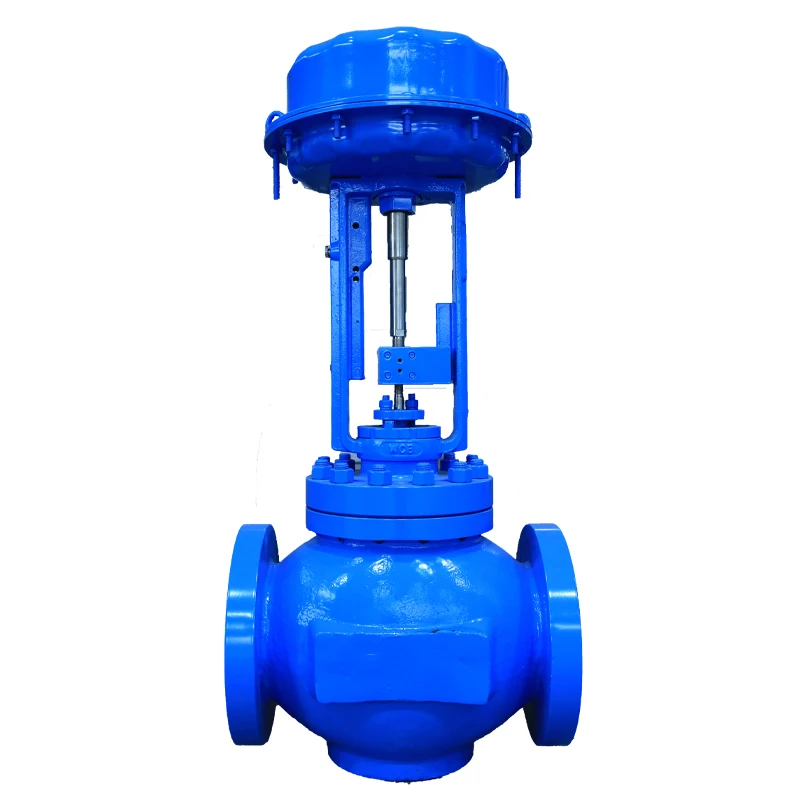
High-Performance Forged Y Strainer: Superior Filtration Solutions for Industrial Applications

All Categories

Get a Free Quote

Our representative will contact you soon.
Email
Name
Company Name
Message
0/1000

forged y strainer

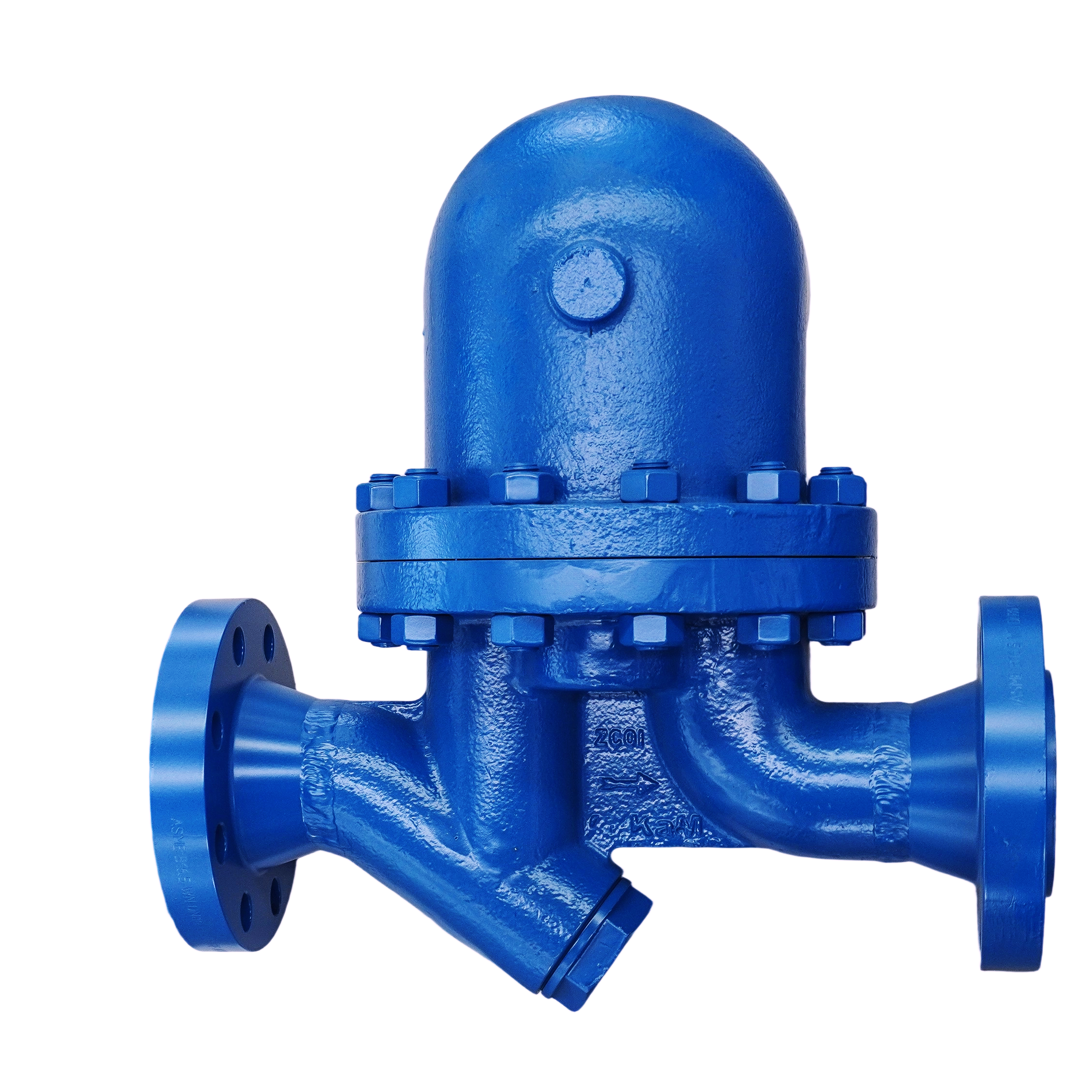
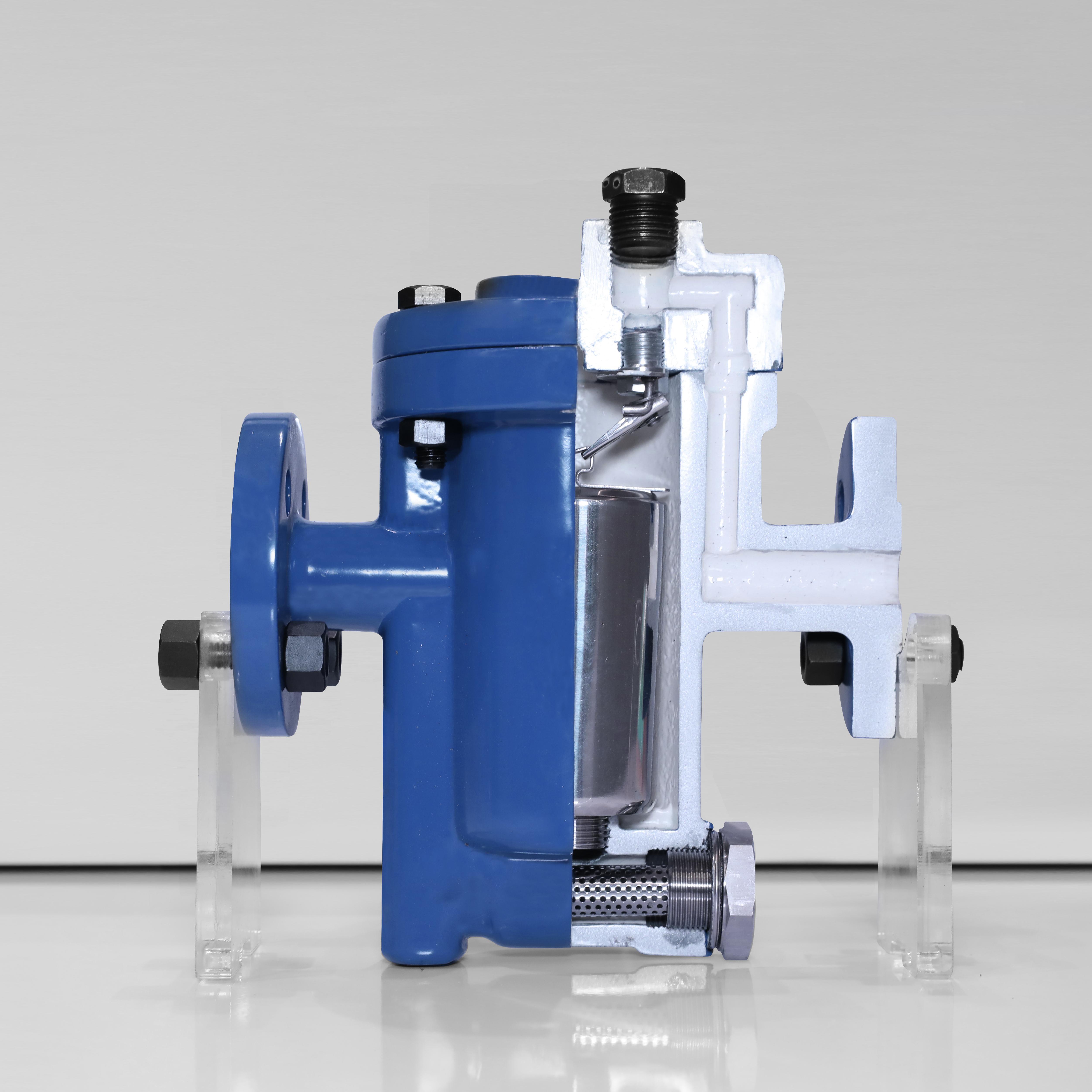
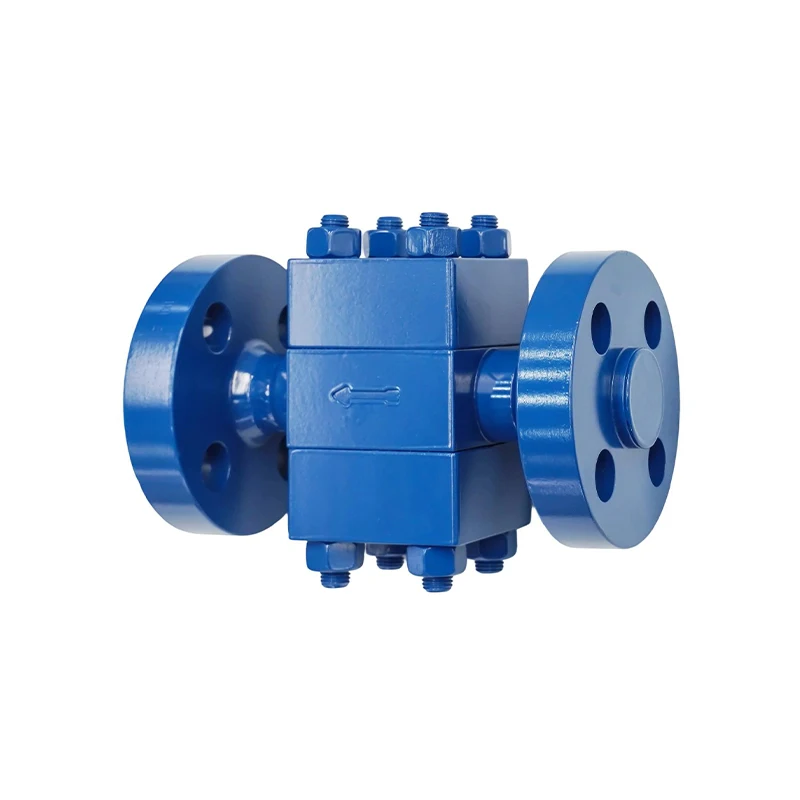
A forged y strainer represents a critical component in modern piping systems, designed to protect downstream equipment by removing unwanted debris, particles, and contaminants from flowing media. This specialized filtration device gets its name from its distinctive Y-shaped configuration, which allows fluid to enter through the main inlet, pass through a perforated screen or mesh element, and exit through the outlet while trapping solid particles in a collection chamber. The forged construction method involves shaping metal under extreme pressure and heat, creating a robust, dense material structure that delivers superior mechanical properties compared to cast alternatives. Manufacturing begins with high-quality raw materials, typically carbon steel, stainless steel, or specialized alloys, which undergo controlled heating and precise forging processes to achieve optimal grain structure and eliminate internal voids or weaknesses. The forged y strainer incorporates advanced engineering principles to ensure efficient filtration while minimizing pressure drop across the system. Key technological features include precision-machined seating surfaces that guarantee leak-tight performance, removable screen elements for easy maintenance access, and blow-down connections that enable quick cleaning without system shutdown. The internal screen mesh ranges from coarse to fine specifications, accommodating various particle size requirements depending on application needs. Applications span multiple industries including oil and gas processing, chemical manufacturing, power generation, water treatment facilities, HVAC systems, and marine operations. In petroleum refineries, these units protect expensive pumps, compressors, and heat exchangers from damage caused by pipeline debris, scale, and welding slag. Water treatment plants rely on forged y strainers to safeguard membrane systems and precision instrumentation. The automotive manufacturing sector uses them in hydraulic systems to maintain fluid cleanliness standards. Food processing facilities depend on sanitary versions to ensure product quality while protecting processing equipment. Power plants install these strainers in steam, condensate, and cooling water circuits to prevent turbine damage and maintain operational efficiency.

New Product Releases

The forged y strainer offers numerous compelling benefits that make it an intelligent investment for industrial facilities seeking reliable filtration solutions. Superior durability stands as the primary advantage, with forged construction delivering exceptional resistance to pressure, temperature extremes, and corrosive environments. Unlike cast alternatives, the forging process creates a uniform, dense metal structure without porosity or weak points that could lead to premature failure. This enhanced structural integrity translates directly into extended service life, reducing replacement costs and minimizing unplanned downtime. Maintenance requirements are significantly streamlined compared to other filtration technologies. The removable screen design allows technicians to access internal components quickly without disconnecting piping connections, reducing labor costs and system downtime. Many forged y strainer models feature blow-down valves that enable automated cleaning cycles, further reducing manual intervention requirements. Cost-effectiveness emerges through multiple factors including lower initial purchase prices compared to complex filtration systems, reduced maintenance expenses, and protection of expensive downstream equipment. By preventing debris from reaching pumps, valves, and instrumentation, these strainers help avoid costly repairs and equipment replacement. Energy efficiency represents another significant benefit, as the streamlined flow path creates minimal pressure drop, reducing pumping costs and energy consumption. The Y-shaped design naturally accommodates fluid flow patterns, eliminating turbulence and maintaining system efficiency. Versatility allows single strainer designs to handle multiple applications across different industries. Various screen mesh sizes accommodate diverse particle removal requirements, while multiple material options ensure compatibility with different process fluids. Installation flexibility supports both horizontal and vertical orientations, adapting to space constraints and piping configurations. Performance reliability ensures consistent filtration efficiency under varying operating conditions. The robust forged construction maintains dimensional stability under pressure and temperature cycling, preventing bypass conditions that could compromise filtration effectiveness. Quality manufacturing processes ensure precise tolerances and surface finishes that enhance sealing performance and reduce leakage potential. Environmental benefits include reduced waste generation through reusable screen elements and extended equipment life cycles that minimize material consumption.

Latest News

Soaring to New Heights: AcKaM Industrial Surges in Billion-Dollar Market with 200% H1 Sales Growth

04

Nov

Soaring to New Heights: AcKaM Industrial Surges in Billion-Dollar Market with 200% H1 Sales Growth

View More
Innovation in Thermal Insulation Technology! AcKaM Delivers Keynote Speech at 2024 National Thermal Engineering Conference

05

Nov

Innovation in Thermal Insulation Technology! AcKaM Delivers Keynote Speech at 2024 National Thermal Engineering Conference

View More
AcKaM: Riding the Trillion-Yuan Wave to Pioneer Innovation

04

Nov

AcKaM: Riding the Trillion-Yuan Wave to Pioneer Innovation

View More

Get a Free Quote

Our representative will contact you soon.
Email
Name
Company Name
Message
0/1000

forged y strainer

Exceptional Structural Integrity Through Advanced Forging Technology

Exceptional Structural Integrity Through Advanced Forging Technology

The forged y strainer distinguishes itself through superior structural integrity achieved via advanced forging manufacturing processes that create unmatched durability and reliability. Traditional casting methods often introduce microscopic voids, inclusions, and grain boundaries that become failure points under stress, but forging eliminates these weaknesses through controlled deformation of heated metal billets. The forging process subjects raw materials to extreme pressure and precise temperature control, creating a refined grain structure that flows continuously throughout the component without interruption. This metallurgical advantage translates into exceptional resistance to pressure surges, thermal cycling, and mechanical stress that commonly occur in industrial piping systems. The dense, homogeneous material structure prevents crack propagation and stress concentration, significantly extending service life compared to cast alternatives. Quality control during forging includes ultrasonic testing, magnetic particle inspection, and dimensional verification to ensure each forged y strainer meets stringent industry standards. The superior material properties enable these units to operate safely at higher pressure ratings while maintaining structural integrity under extreme conditions. Corrosion resistance is enhanced through the refined grain structure that provides fewer nucleation sites for corrosive attack, particularly important in chemical processing and marine applications. The forging process also enables precise control over mechanical properties such as tensile strength, yield strength, and impact toughness, allowing engineers to specify exact performance characteristics for specific applications. This structural superiority becomes particularly valuable in critical applications where equipment failure could result in safety hazards, environmental damage, or significant economic losses. The investment in forged construction pays dividends through reduced maintenance requirements, extended replacement intervals, and enhanced operational reliability that supports continuous production goals.
Streamlined Maintenance and Operational Efficiency

Streamlined Maintenance and Operational Efficiency

The forged y strainer delivers exceptional operational efficiency through intelligent design features that minimize maintenance requirements while maximizing system uptime and performance. The removable screen element design represents a breakthrough in maintenance accessibility, allowing technicians to service internal components without disrupting piping connections or system operations. This feature eliminates the need for complete unit removal, reducing labor costs and minimizing downtime during routine cleaning cycles. The screen basket lifts out easily through the top cover, providing immediate access to accumulated debris and enabling quick visual inspection of filtration effectiveness. Automated blow-down systems integrated into many forged y strainer designs enable self-cleaning operations that remove accumulated particles without manual intervention. These systems can be programmed to operate at predetermined intervals or triggered by differential pressure measurements, ensuring consistent filtration performance without constant monitoring. The blow-down process redirects a portion of system flow through the collection chamber, flushing accumulated debris through a dedicated drain connection. This automation capability is particularly valuable in remote installations or applications where manual access is difficult or dangerous. The Y-shaped flow path configuration inherently promotes efficient particle separation by creating a natural settling zone where debris accumulates away from the main flow stream. This design minimizes pressure drop across the unit while ensuring effective filtration, reducing energy consumption and maintaining system efficiency. Precision manufacturing tolerances ensure tight sealing between cover and body components, preventing bypass flow that could compromise filtration effectiveness. The robust construction maintains these critical dimensions under pressure and temperature cycling, ensuring consistent performance throughout the service life. Multiple screen mesh options accommodate varying particle size requirements without requiring different housing sizes, providing operational flexibility and inventory simplification. Maintenance scheduling becomes predictable through differential pressure monitoring that indicates when cleaning is required, enabling proactive maintenance planning that prevents system disruption.
Versatile Application Range and Customization Options

Versatile Application Range and Customization Options

The forged y strainer demonstrates remarkable versatility through extensive customization options and broad application compatibility that addresses diverse industrial filtration challenges across multiple sectors. Material selection capabilities encompass carbon steel, stainless steel grades including 304, 316, and duplex alloys, exotic materials like Hastelloy and Inconel, and specialized coatings for extreme service conditions. This materials flexibility ensures compatibility with corrosive chemicals, high-temperature processes, and specialized fluids encountered in chemical processing, pharmaceutical manufacturing, and petrochemical operations. Size ranges from compact half-inch units for instrumentation protection to large-diameter models exceeding 24 inches for main process lines, accommodating applications from laboratory systems to major industrial installations. Pressure ratings extend from standard 150-pound class service to high-pressure applications exceeding 2500 pounds per square inch, supporting everything from low-pressure HVAC systems to high-pressure injection services in oil and gas operations. Temperature capabilities range from cryogenic services at minus 320 degrees Fahrenheit to high-temperature applications approaching 1000 degrees Fahrenheit, enabling use in diverse thermal environments. Screen perforation options include round holes, slotted openings, and wedge wire configurations with opening sizes from coarse 1/4-inch down to fine 20-mesh specifications, providing precise particle size control for specific applications. End connection varieties encompass flanged, threaded, socket weld, and butt weld configurations in multiple international standards including ANSI, API, DIN, and JIS specifications, ensuring compatibility with existing piping systems worldwide. Special features can include jacketed designs for temperature control, exotic screen materials for chemical compatibility, and specialized drain connections for automated cleaning systems. Industry-specific certifications such as API 6D for oil and gas service, ASME Section VIII for pressure vessel applications, and 3A sanitary standards for food processing ensure regulatory compliance across different sectors. Custom engineering capabilities enable modifications for unique applications including special materials, non-standard dimensions, and integrated instrumentation connections that meet specific customer requirements while maintaining the fundamental reliability and performance characteristics of the forged y strainer design.
Get a Free Quote

Our representative will contact you soon.
Email
Name
Company Name
Message
0/1000