y-strainer
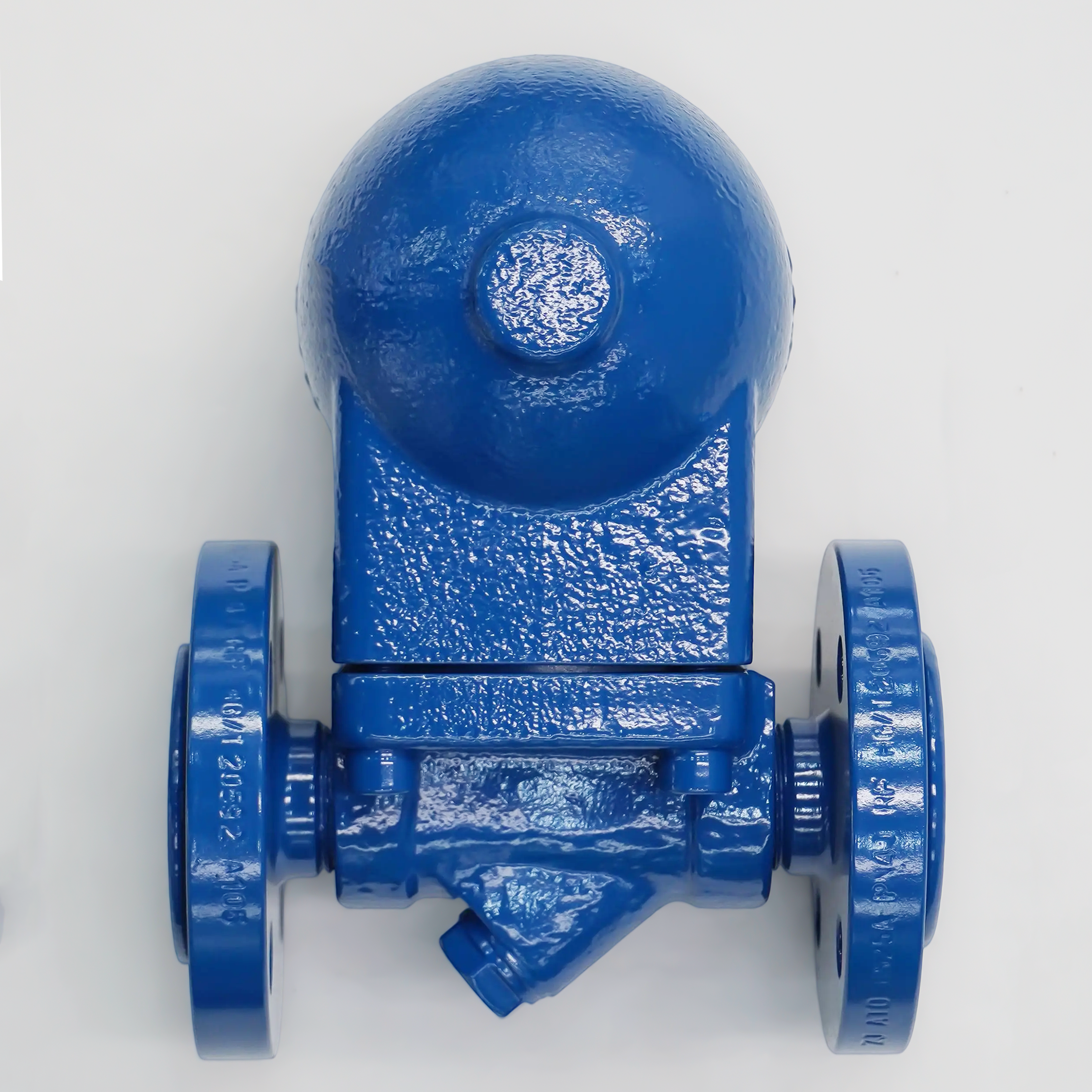
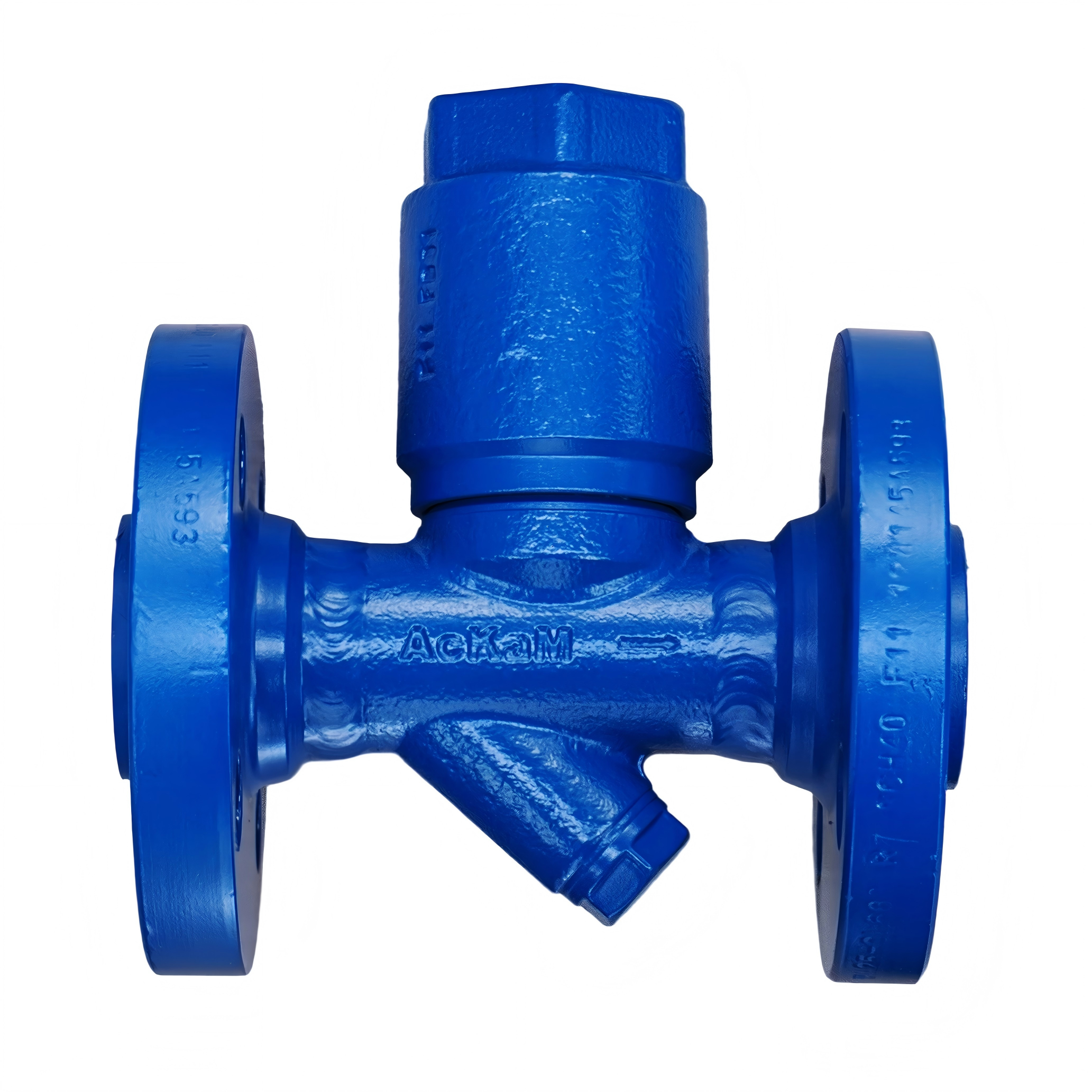
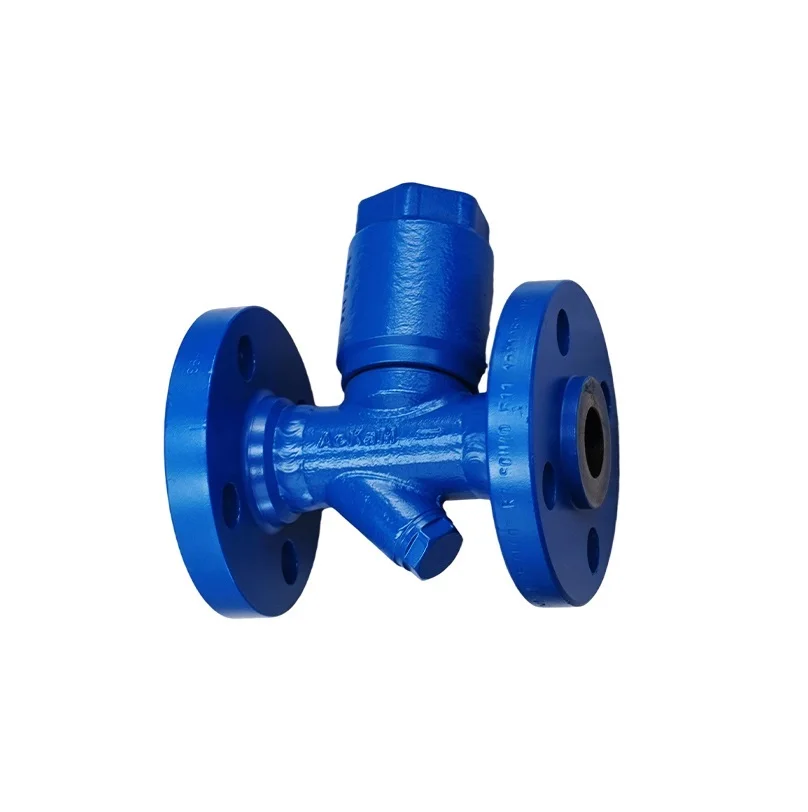
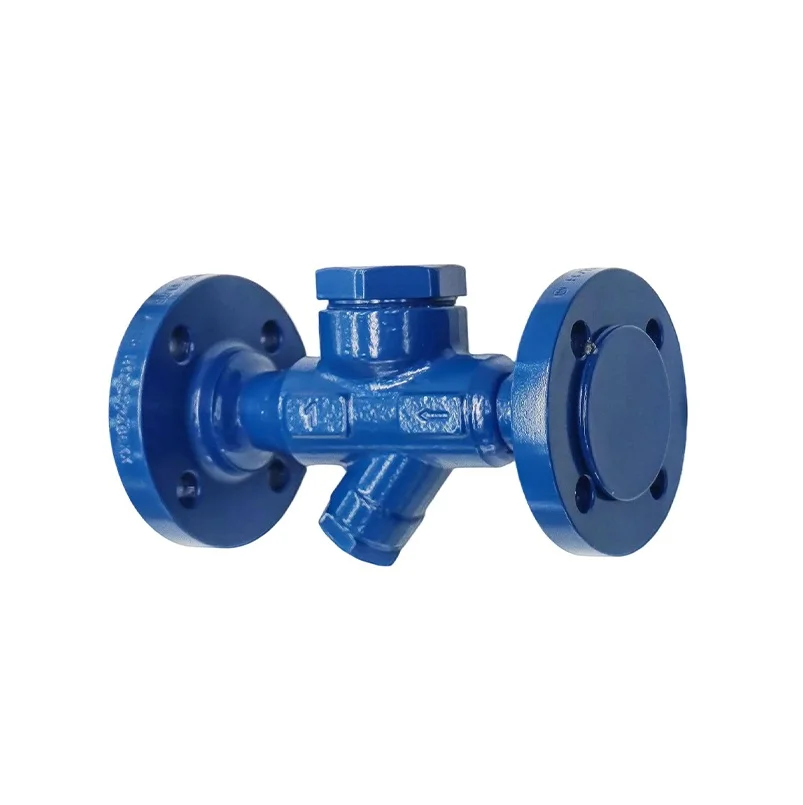
A y-strainer represents a fundamental filtration device engineered to remove solid particles and debris from flowing liquids and gases within piping systems. This mechanical filter derives its name from its distinctive Y-shaped configuration, which creates an angled branch that houses the straining element. The y-strainer operates through a straightforward principle where fluid enters the main body, flows through a perforated screen or mesh basket, and exits clean while contaminants remain trapped within the strainer chamber. The design incorporates a removable screen element positioned at an angle, typically 45 degrees, which allows for efficient debris collection without significantly disrupting flow patterns. Modern y-strainer units feature robust construction materials including cast iron, carbon steel, stainless steel, and specialized alloys to withstand various operating conditions. The technological framework includes precision-engineered screens with specific mesh sizes ranging from coarse to fine filtration capabilities, accommodating diverse application requirements. Installation versatility allows y-strainer integration into horizontal, vertical, or angled pipeline configurations, making them adaptable to complex system layouts. The operational mechanism ensures continuous flow while protecting downstream equipment from potentially damaging particles, scale, rust, and other contaminants. Y-strainer applications span numerous industries including water treatment facilities, chemical processing plants, oil and gas operations, HVAC systems, marine applications, and pharmaceutical manufacturing. These devices prove essential in protecting expensive pumps, valves, meters, and control instruments from particle-induced damage. The maintenance-friendly design enables quick access to the straining element through a removable cap or plug system, facilitating routine cleaning without complete system shutdown. Advanced y-strainer models incorporate pressure differential indicators that signal when cleaning becomes necessary, optimizing maintenance schedules and preventing system inefficiencies.