Hot Water Heater Check Valve: Essential Guide to Energy-Efficient Water Heating Protection

All Categories

Get a Free Quote

Our representative will contact you soon.
Email
Name
Company Name
Message
0/1000

hot water heater check valve

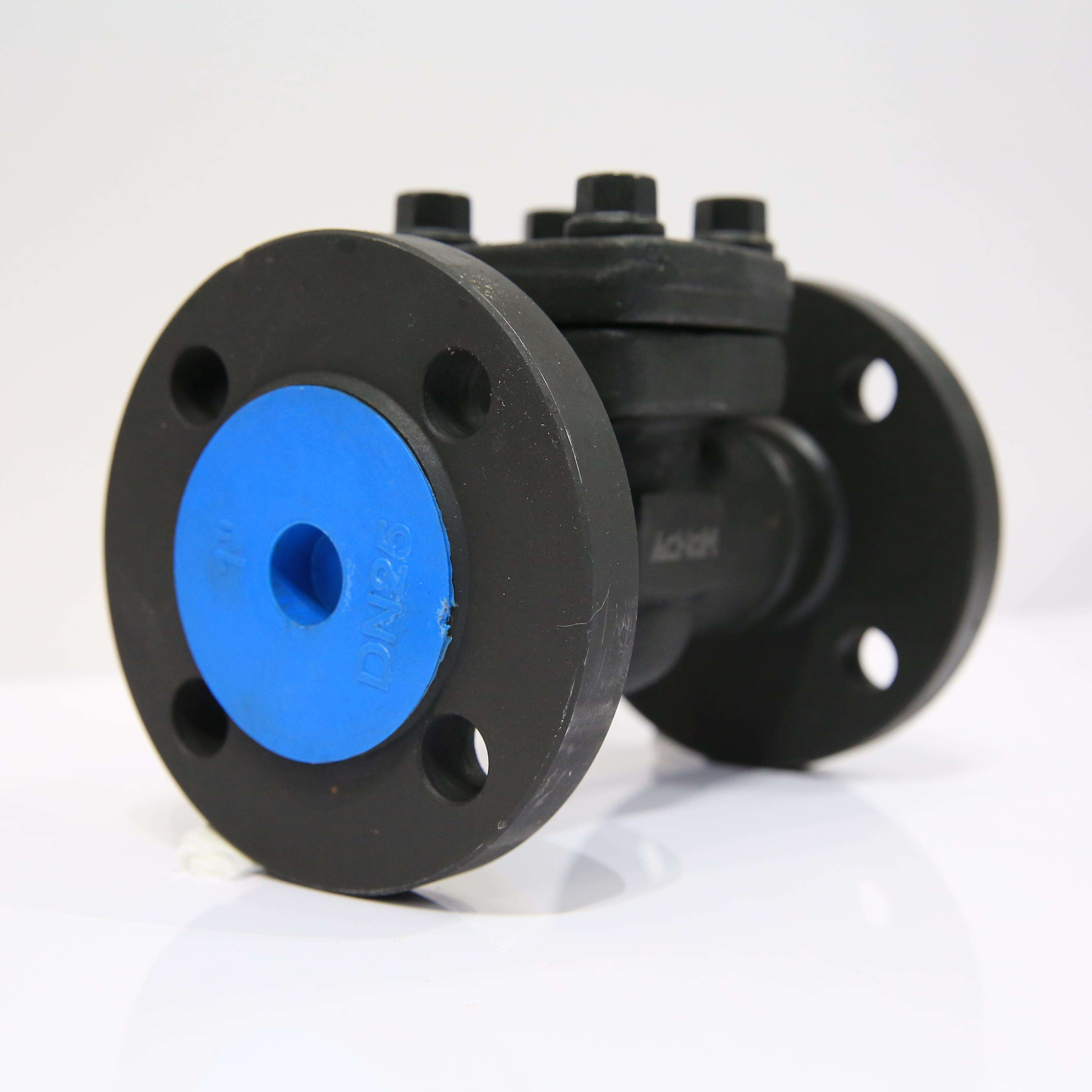
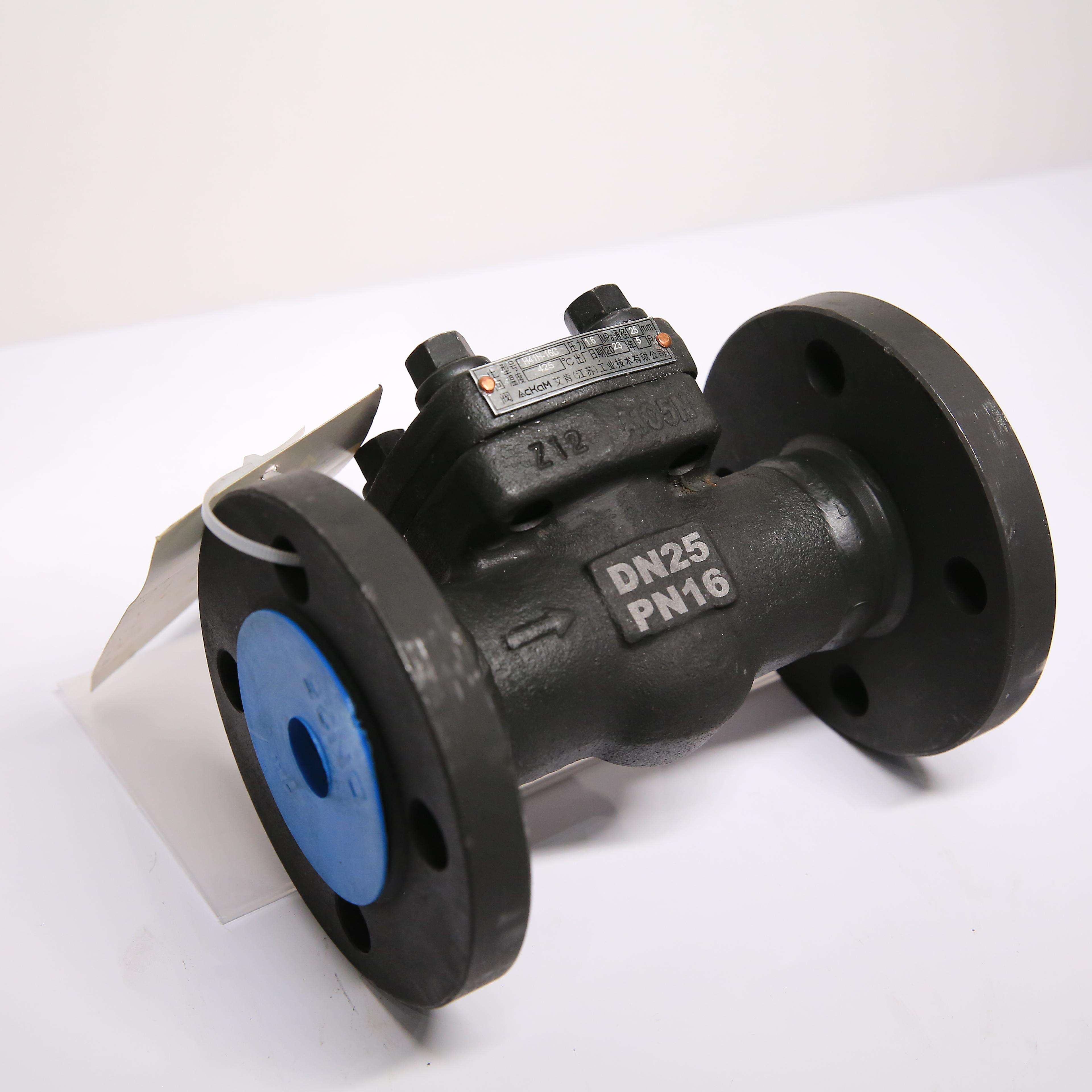
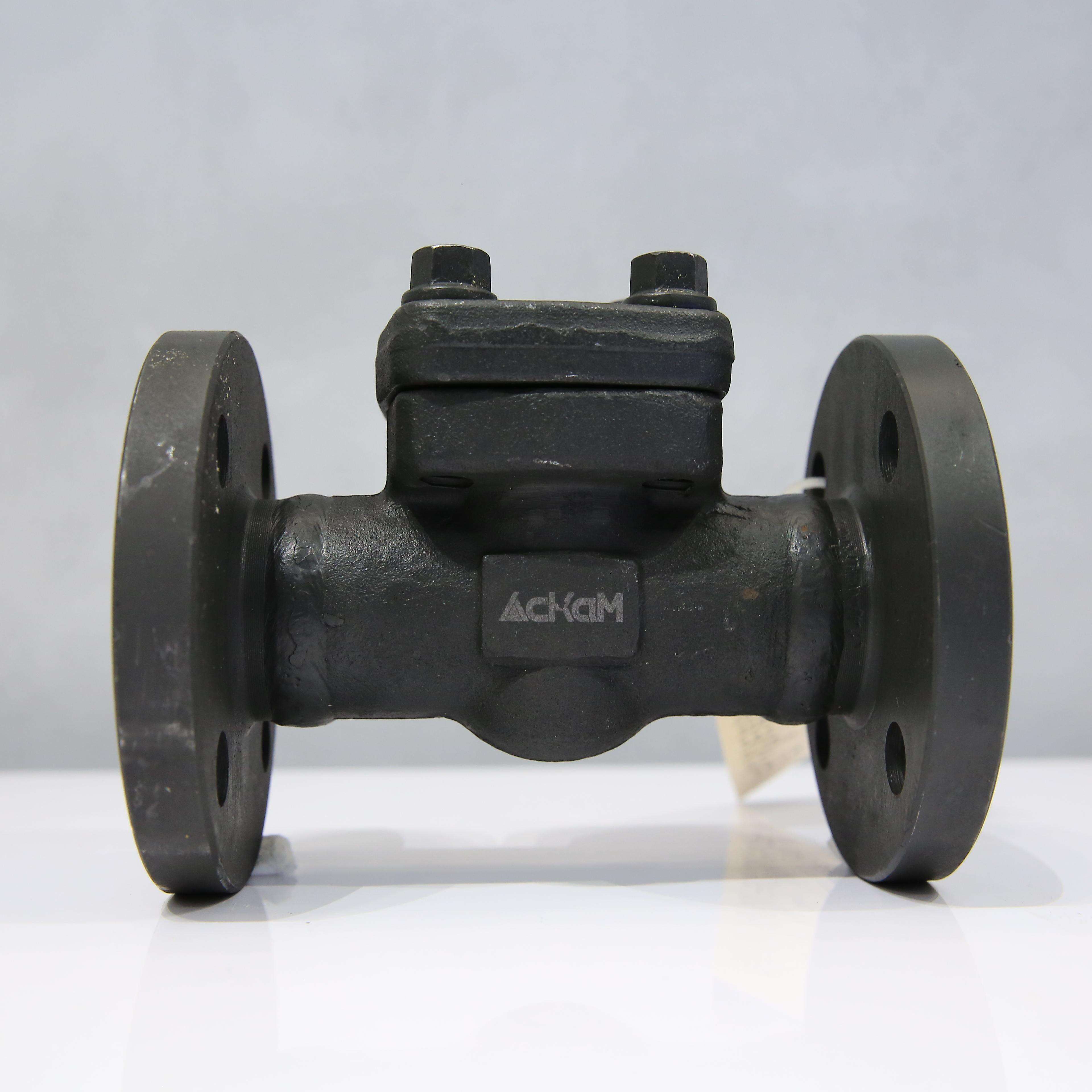
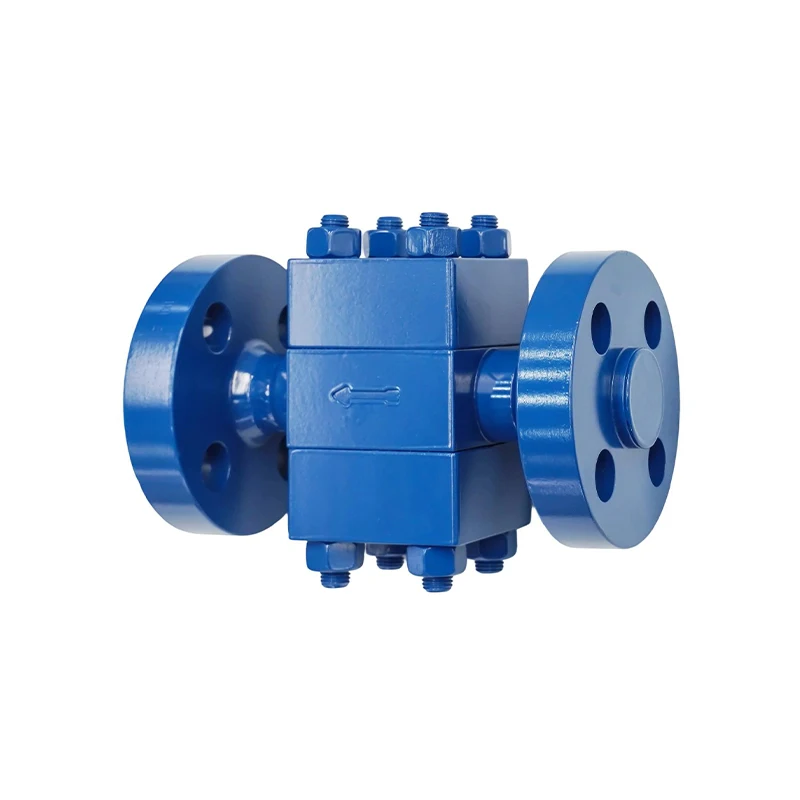
A hot water heater check valve serves as a critical safety component in residential and commercial water heating systems, designed to prevent the dangerous reversal of water flow that could compromise system integrity and safety. This essential device operates on a simple yet effective principle, automatically opening to allow water flow in the intended direction while immediately closing when pressure drops or reverses, creating an impenetrable barrier against backflow. The hot water heater check valve typically features a spring-loaded disc or ball mechanism housed within a durable brass, stainless steel, or bronze body that can withstand high temperatures and pressures commonly found in water heating applications. Modern check valves incorporate advanced materials and precision engineering to ensure reliable operation under extreme conditions, with temperature ratings often exceeding 200 degrees Fahrenheit and pressure capabilities reaching 200 PSI or higher. The technological features of these valves include corrosion-resistant internal components, replaceable seats and seals, and compact designs that facilitate easy installation in tight spaces. Applications for the hot water heater check valve extend beyond basic water heaters to include tankless systems, solar heating installations, boiler systems, and circulation pump configurations. In residential settings, these valves protect against thermal siphoning, prevent cold water from entering hot water lines during periods of high demand, and maintain consistent water temperatures throughout the distribution system. Commercial applications often involve more complex installations where multiple hot water heater check valves work in conjunction with expansion tanks, pressure relief systems, and sophisticated control mechanisms to ensure optimal performance and safety compliance with local plumbing codes.

Popular Products

Installing a hot water heater check valve delivers immediate and long-term benefits that directly impact system performance, energy efficiency, and operational costs. The primary advantage centers on preventing thermal siphoning, a phenomenon where hot water naturally rises through pipes and cooler water sinks, creating unwanted circulation that wastes energy and reduces system efficiency. By eliminating this thermal siphoning effect, the hot water heater check valve ensures that heated water remains in the tank or designated hot water lines, reducing energy consumption by up to fifteen percent in typical residential installations. This energy savings translates directly into lower utility bills and reduced environmental impact, making the valve an eco-friendly upgrade that pays for itself over time. Temperature consistency represents another significant advantage, as the hot water heater check valve maintains stable water temperatures by preventing cold water infiltration during peak usage periods. Users experience more reliable hot water delivery, eliminating the frustrating temperature fluctuations that occur when multiple fixtures operate simultaneously. The valve also extends equipment lifespan by reducing thermal stress on pipes, fittings, and the water heater itself, preventing premature wear caused by constant temperature cycling. Maintenance benefits include reduced sediment buildup in hot water lines, as the check valve prevents the circulation of mineral-rich cold water that contributes to scale formation and system corrosion. Professional plumbers appreciate the straightforward installation process, as most hot water heater check valve models feature standard threaded connections that integrate seamlessly with existing plumbing configurations. Safety enhancements include protection against dangerous backflow conditions that could introduce contaminants into the potable water supply, ensuring compliance with health department regulations and building codes. The valve operates silently and requires minimal maintenance once installed, providing years of trouble-free service with occasional inspection and replacement of internal seals as the only routine requirements.

Tips And Tricks

Soaring to New Heights: AcKaM Industrial Surges in Billion-Dollar Market with 200% H1 Sales Growth

04

Nov

Soaring to New Heights: AcKaM Industrial Surges in Billion-Dollar Market with 200% H1 Sales Growth

View More
Innovation in Thermal Insulation Technology! AcKaM Delivers Keynote Speech at 2024 National Thermal Engineering Conference

05

Nov

Innovation in Thermal Insulation Technology! AcKaM Delivers Keynote Speech at 2024 National Thermal Engineering Conference

View More
AcKaM: Riding the Trillion-Yuan Wave to Pioneer Innovation

04

Nov

AcKaM: Riding the Trillion-Yuan Wave to Pioneer Innovation

View More

Get a Free Quote

Our representative will contact you soon.
Email
Name
Company Name
Message
0/1000

hot water heater check valve

Advanced Thermal Siphon Prevention Technology

Advanced Thermal Siphon Prevention Technology

The hot water heater check valve incorporates sophisticated thermal siphon prevention technology that addresses one of the most significant energy efficiency challenges in modern water heating systems. Thermal siphoning occurs naturally in vertical pipe runs where hot water rises due to buoyancy while cooler water descends, creating an unwanted circulation loop that continuously draws heat from the water heater even when no hot water is being used. This phenomenon can account for substantial energy losses, particularly in systems with tall vertical runs or improperly insulated piping. The advanced design of a quality hot water heater check valve features precision-engineered components that respond instantaneously to pressure differentials, closing completely when forward flow stops to eliminate any possibility of reverse circulation. The valve mechanism typically employs a spring-loaded disc or ball that seats firmly against a machined valve seat, creating a watertight seal that prevents even minimal backflow. Some premium models incorporate dual-sealing surfaces and adjustable spring tension to optimize performance for specific installation requirements. The thermal siphon prevention capability becomes particularly crucial in multi-story buildings, solar heating systems, and installations where hot water lines must travel significant distances from the source to points of use. By eliminating thermal siphoning, the hot water heater check valve ensures that energy invested in heating water remains captured within the system until intentionally used, resulting in measurable reductions in fuel consumption and utility costs. This technology proves especially valuable in commercial applications where continuous hot water circulation systems operate, as the check valve prevents uncontrolled heat migration that could compromise system efficiency and increase operational expenses significantly.
Superior Durability and Corrosion Resistance

Superior Durability and Corrosion Resistance

Modern hot water heater check valve construction emphasizes exceptional durability and corrosion resistance through careful material selection and advanced manufacturing processes that ensure reliable operation in challenging water heating environments. The valve body typically utilizes high-grade brass, bronze, or stainless steel alloys specifically chosen for their ability to withstand the thermal cycling, chemical exposure, and mechanical stress inherent in hot water systems. Internal components receive special attention, with valve seats manufactured from resilient materials like PTFE, EPDM, or specialized rubber compounds that maintain their sealing properties despite repeated exposure to temperature extremes ranging from ambient conditions to over 200 degrees Fahrenheit. The spring mechanism, critical for proper valve operation, employs corrosion-resistant stainless steel that retains its tensile strength and response characteristics throughout thousands of operating cycles. Advanced surface treatments and protective coatings further enhance the hot water heater check valve's resistance to mineral buildup, scaling, and chemical degradation that commonly affect plumbing components in hard water areas. Many premium models feature replaceable internal components, allowing for cost-effective maintenance without complete valve replacement when seals or springs eventually wear after years of service. The robust construction enables these valves to handle pressure surges, water hammer effects, and thermal shock that can damage lesser components, providing long-term reliability that justifies the initial investment. Quality manufacturers subject their hot water heater check valve products to rigorous testing protocols including pressure cycling, temperature endurance trials, and accelerated corrosion testing to validate performance claims and ensure consistent operation across diverse installation environments. This commitment to durability translates into reduced maintenance costs, minimized system downtime, and enhanced overall system reliability that building owners and facility managers value highly.

Versatile Installation and Code Compliance Features

Versatile Installation and Code Compliance Features

The hot water heater check valve demonstrates remarkable versatility in installation applications while maintaining strict compliance with plumbing codes and safety regulations across various jurisdictions and building types. These valves accommodate multiple installation orientations and configurations, making them suitable for everything from simple residential water heater installations to complex commercial systems with multiple zones and circulation loops. Standard threaded connections in common pipe sizes ensure compatibility with existing plumbing infrastructure, while specialized models offer sweat, compression, or flanged connections for specific applications. The compact profile of most hot water heater check valve designs facilitates installation in confined spaces such as utility closets, crawl spaces, and mechanical rooms where accessibility constraints might otherwise complicate component placement. Many models feature directional flow indicators and clear marking to prevent installation errors that could compromise system performance or safety. Code compliance represents a critical advantage, as properly installed check valves help satisfy requirements related to backflow prevention, thermal expansion control, and cross-connection protection mandated by various plumbing codes including the International Plumbing Code, Uniform Plumbing Code, and local amendments. The hot water heater check valve contributes to system designs that meet energy efficiency standards such as those outlined in ASHRAE guidelines and green building certification programs. Professional installers appreciate the straightforward installation process that typically requires minimal specialized tools or techniques, reducing labor costs and installation time compared to more complex backflow prevention devices. Maintenance accessibility remains excellent in most installations, with valve bodies designed for easy disassembly when seal replacement or cleaning becomes necessary. Some advanced models incorporate test ports or indicator mechanisms that allow verification of proper operation without system disruption, supporting proactive maintenance programs that prevent costly failures and ensure continued compliance with applicable codes and regulations throughout the valve's service life.

Get a Free Quote

Our representative will contact you soon.
Email
Name
Company Name
Message
0/1000