Pressure Reducing Desuperheating System - Advanced Steam Conditioning Solutions for Industrial Applications

All Categories

Get a Free Quote

Our representative will contact you soon.
Email
Name
Company Name
Message
0/1000

pressure reducing desuperheating system

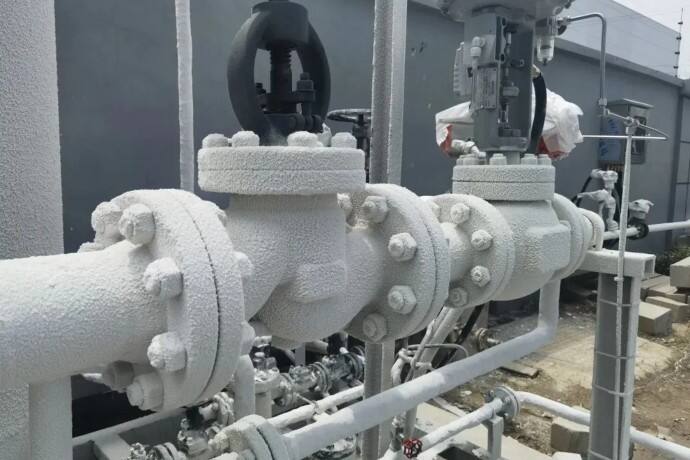
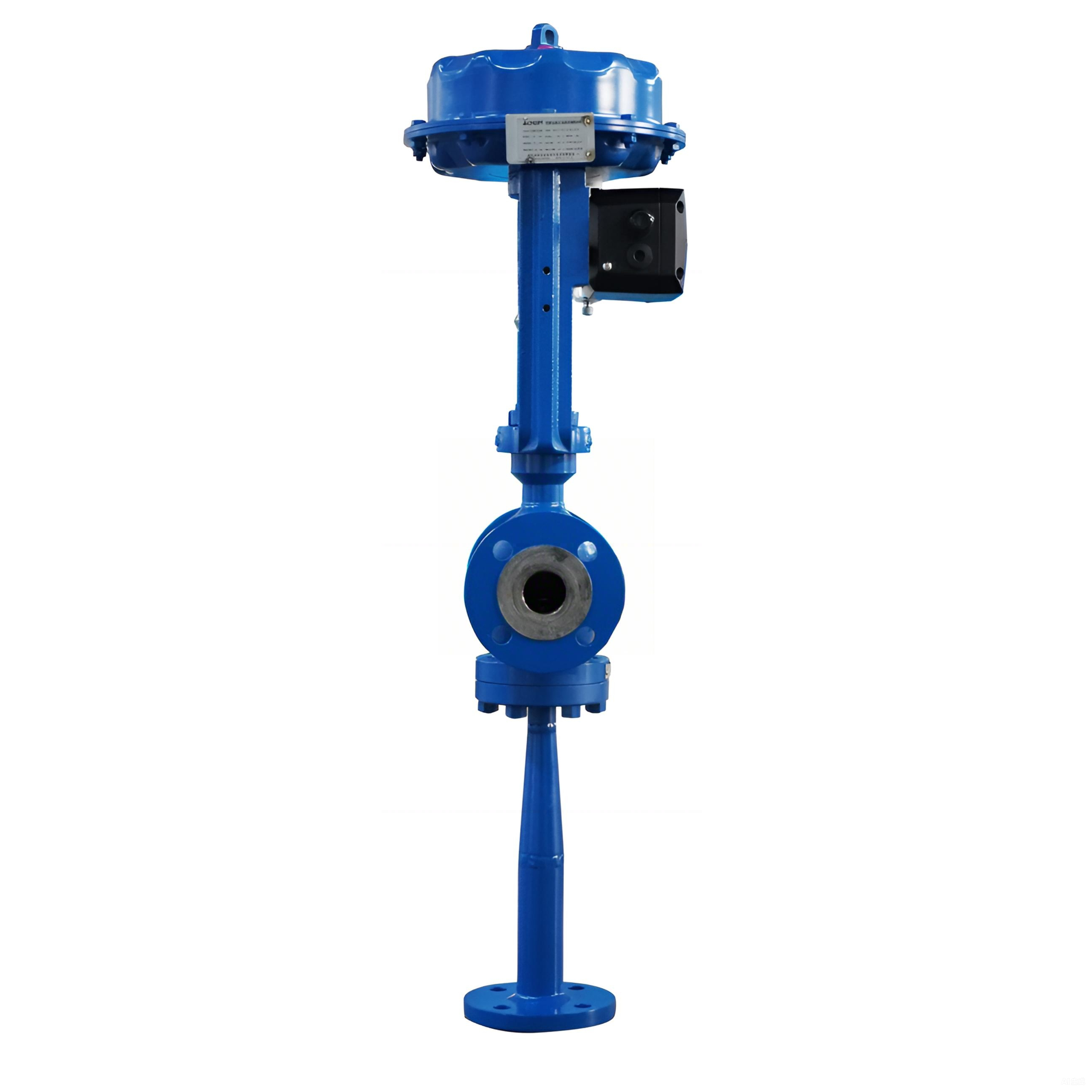
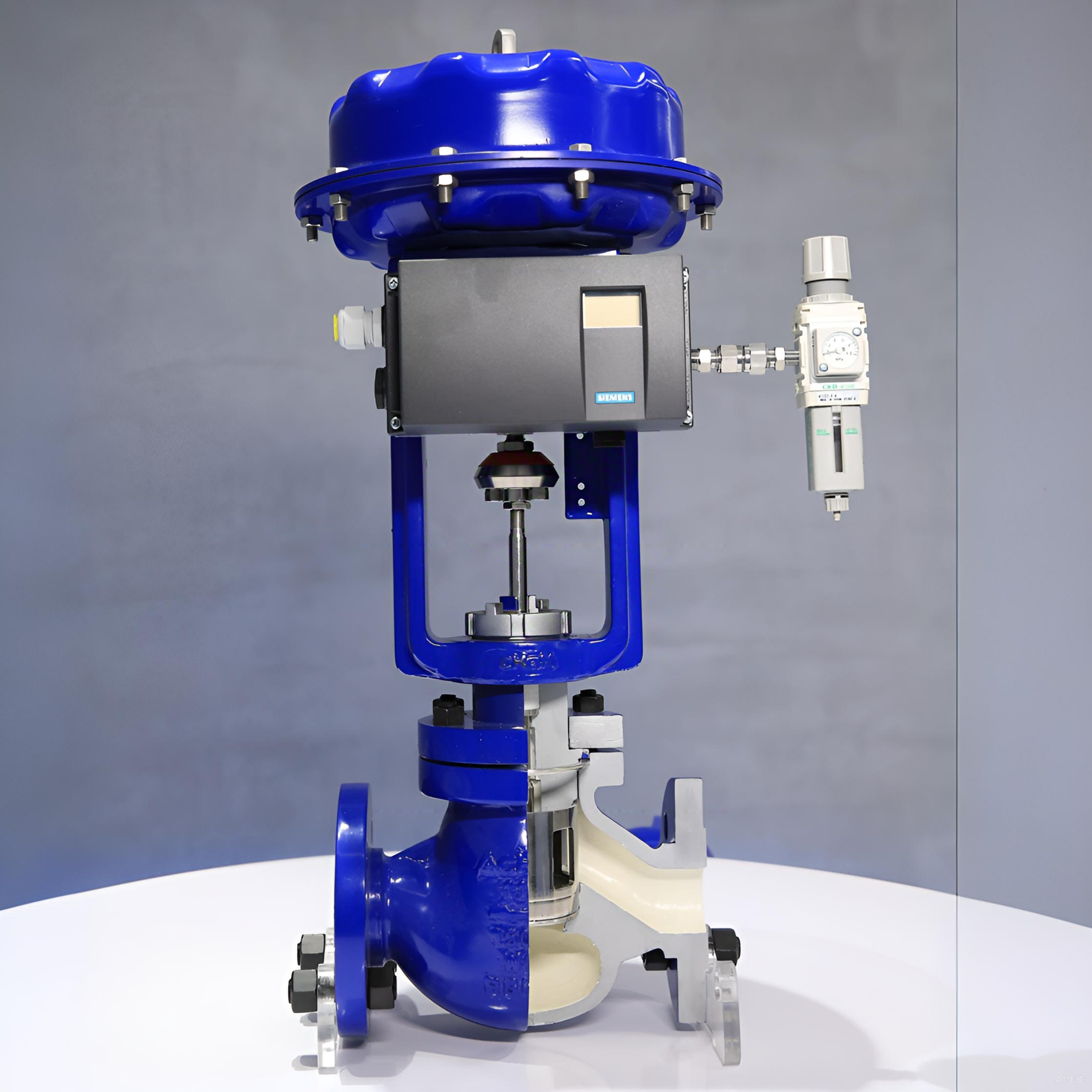
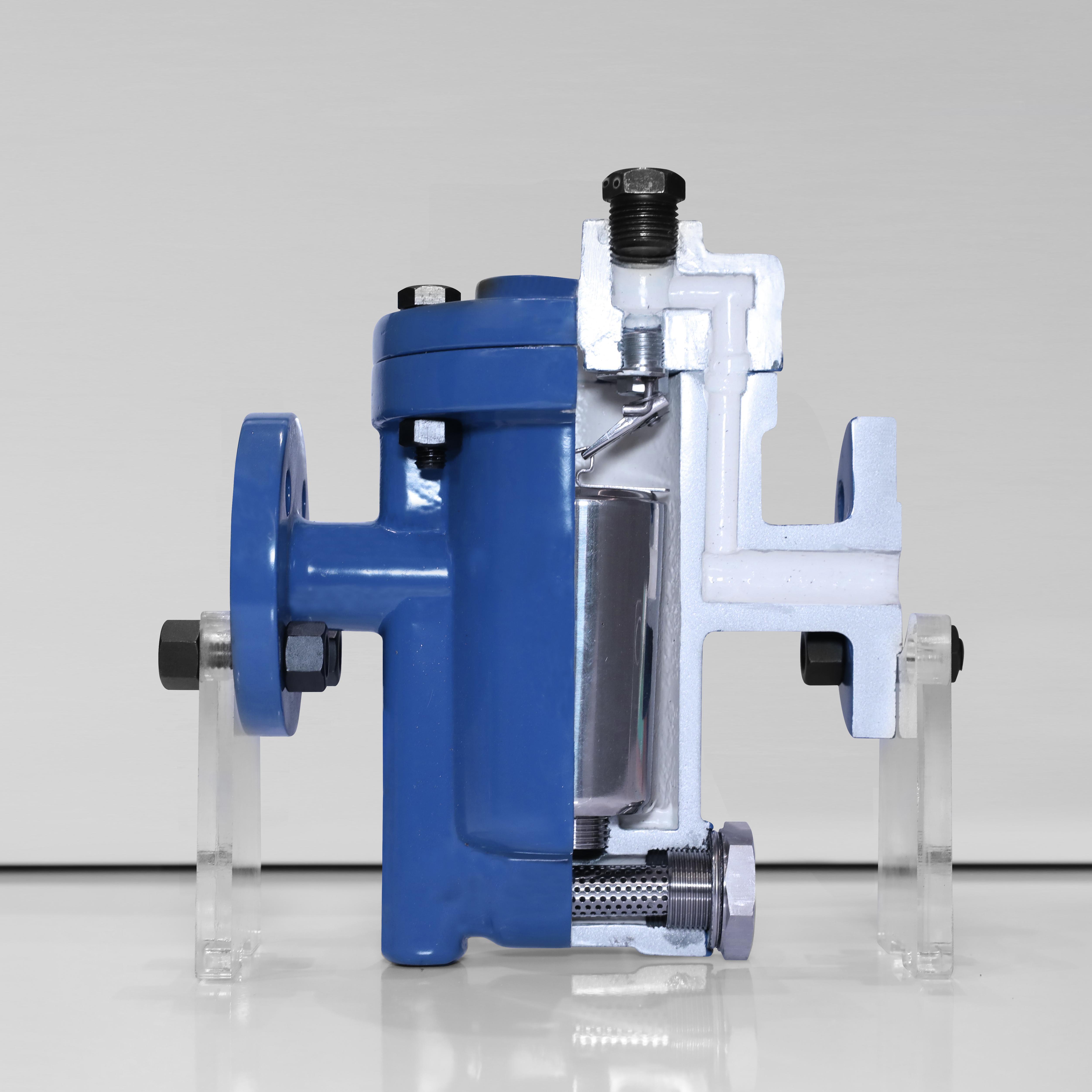
The pressure reducing desuperheating system represents a critical piece of industrial equipment designed to simultaneously reduce steam pressure and temperature in various process applications. This sophisticated system combines two essential functions: pressure reduction through specialized valve assemblies and desuperheating through controlled water injection or heat exchange mechanisms. The primary purpose involves transforming high-pressure, superheated steam into lower-pressure steam at controlled temperatures, making it suitable for downstream processes and equipment protection. The technological architecture incorporates precision-engineered pressure reducing valves that utilize throttling mechanisms to achieve desired pressure drops while maintaining stable flow characteristics. Advanced desuperheating components integrate seamlessly with the pressure reduction elements, employing either direct water injection or indirect heat exchange methods to achieve optimal temperature control. Modern pressure reducing desuperheating systems feature sophisticated control algorithms that continuously monitor inlet conditions, outlet parameters, and system performance metrics to ensure consistent operation. These systems typically include multiple safety mechanisms, including pressure relief devices, temperature monitoring sensors, and automated shutdown protocols to protect against overpressure or overtemperature conditions. The modular design philosophy allows for customization based on specific application requirements, with various materials of construction available to handle corrosive media or extreme operating conditions. Applications span numerous industries including power generation facilities, chemical processing plants, pharmaceutical manufacturing, food and beverage production, and district heating systems. In power plants, the pressure reducing desuperheating system enables efficient steam distribution to auxiliary equipment while protecting sensitive components from excessive pressure and temperature. Chemical processing facilities utilize these systems to provide process steam at precisely controlled conditions for reaction vessels, heat exchangers, and distillation columns. The versatility of pressure reducing desuperheating systems makes them indispensable for any facility requiring reliable steam conditioning capabilities with enhanced operational safety and process efficiency.
New Products

The pressure reducing desuperheating system delivers exceptional operational benefits that directly translate into improved facility performance and cost savings for end users. Energy efficiency stands as a primary advantage, as the system optimizes steam utilization by precisely controlling pressure and temperature parameters, reducing waste and maximizing thermal energy recovery throughout the process. This enhanced efficiency typically results in measurable reductions in fuel consumption and operating costs, providing rapid return on investment for facility operators. Equipment protection represents another significant benefit, as the pressure reducing desuperheating system shields downstream components from potentially damaging high-pressure and high-temperature conditions that could cause premature failure or expensive maintenance requirements. The system extends equipment lifespan substantially by maintaining optimal operating conditions, reducing replacement costs and minimizing unplanned downtime events that disrupt production schedules. Process stability improves dramatically with proper implementation of a pressure reducing desuperheating system, as consistent steam conditions enable better control over manufacturing processes, leading to higher product quality and reduced waste generation. Safety enhancements cannot be overstated, as the system incorporates multiple protective features that prevent dangerous overpressure situations and thermal shock conditions that pose risks to personnel and equipment. The automated control capabilities reduce operator workload while ensuring precise system response to changing process demands, eliminating human error and improving overall reliability. Maintenance requirements decrease significantly compared to separate pressure reduction and desuperheating components, as the integrated design simplifies service procedures and reduces spare parts inventory needs. Environmental benefits emerge through reduced emissions and improved thermal efficiency, helping facilities meet sustainability goals and regulatory compliance requirements. Flexibility in operation allows the pressure reducing desuperheating system to adapt to varying load conditions and seasonal demands without compromising performance or efficiency. The compact footprint saves valuable facility space while the modular construction enables future expansion or modification as process requirements evolve. Cost-effectiveness becomes apparent through reduced installation complexity, lower maintenance expenses, and improved operational efficiency, making the pressure reducing desuperheating system an intelligent investment for forward-thinking facilities seeking long-term operational excellence and competitive advantage in their respective markets.

Latest News

Soaring to New Heights: AcKaM Industrial Surges in Billion-Dollar Market with 200% H1 Sales Growth

04

Nov

Soaring to New Heights: AcKaM Industrial Surges in Billion-Dollar Market with 200% H1 Sales Growth

View More
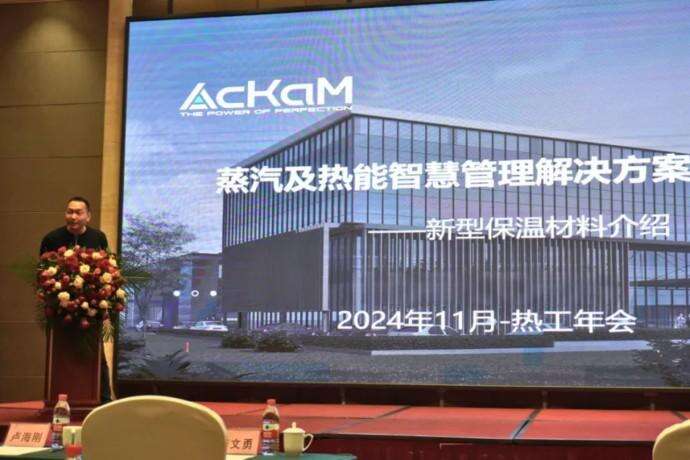
Innovation in Thermal Insulation Technology! AcKaM Delivers Keynote Speech at 2024 National Thermal Engineering Conference

05

Nov

Innovation in Thermal Insulation Technology! AcKaM Delivers Keynote Speech at 2024 National Thermal Engineering Conference

View More
AcKaM: Riding the Trillion-Yuan Wave to Pioneer Innovation

04

Nov

AcKaM: Riding the Trillion-Yuan Wave to Pioneer Innovation

View More

Get a Free Quote

Our representative will contact you soon.
Email
Name
Company Name
Message
0/1000

pressure reducing desuperheating system

Advanced Integrated Control Technology

Advanced Integrated Control Technology

The pressure reducing desuperheating system incorporates state-of-the-art integrated control technology that revolutionizes steam conditioning operations through intelligent automation and precision monitoring capabilities. This sophisticated control architecture combines multiple sensor inputs, including pressure transducers, temperature sensors, flow meters, and steam quality analyzers, to create a comprehensive real-time picture of system performance and operating conditions. The advanced control algorithms continuously process this data to make instantaneous adjustments to valve positions, water injection rates, and bypass flows, ensuring optimal steam conditions regardless of upstream variations or downstream demand fluctuations. The system features predictive control capabilities that anticipate process changes and proactively adjust parameters to maintain stable operation, preventing the oscillations and hunting behaviors common in less sophisticated systems. Digital communication protocols enable seamless integration with existing plant control systems, allowing operators to monitor and control the pressure reducing desuperheating system remotely through standard industrial interfaces. The control technology includes adaptive learning functions that optimize performance over time by analyzing historical operating data and identifying patterns that improve efficiency and reliability. Advanced diagnostic capabilities continuously monitor component health and performance, providing early warning of potential issues before they impact operations or require emergency shutdowns. The integrated control system includes comprehensive alarm management with configurable setpoints and escalation procedures, ensuring appropriate response to abnormal conditions while minimizing false alarms that can desensitize operators. Safety interlocks and fail-safe mechanisms are embedded within the control logic, automatically protecting the system and downstream equipment from potentially damaging conditions such as excessive pressure differentials or thermal shock. The user-friendly human-machine interface provides intuitive access to system information, trending data, and configuration parameters, enabling operators to optimize performance and troubleshoot issues efficiently. Remote monitoring capabilities allow expert technical support to assist with optimization and troubleshooting from off-site locations, reducing response times and improving overall system reliability. This advanced integrated control technology transforms the pressure reducing desuperheating system from a simple mechanical device into an intelligent, self-optimizing component that enhances overall plant efficiency and operational reliability while reducing the skill level required for effective operation and maintenance.
Superior Energy Efficiency and Cost Reduction

Superior Energy Efficiency and Cost Reduction

The pressure reducing desuperheating system delivers unparalleled energy efficiency and cost reduction benefits that significantly impact facility operating economics through innovative design features and optimized thermodynamic processes. Unlike traditional separate pressure reduction and desuperheating equipment, this integrated approach minimizes energy losses by combining both functions in a single, thermodynamically optimized package that maximizes steam utilization efficiency. The system recovers energy that would otherwise be lost during pressure reduction by utilizing the expansion process to drive the desuperheating mechanism, effectively capturing waste energy and redirecting it for useful purposes within the process. Advanced heat recovery capabilities enable the pressure reducing desuperheating system to preheat feedwater or process fluids using the thermal energy extracted during desuperheating, further improving overall system efficiency and reducing auxiliary heating requirements. The precise control of steam conditions eliminates the common practice of over-designing steam systems to accommodate variable conditions, allowing facilities to operate closer to optimal parameters and reduce energy waste significantly. Reduced maintenance requirements translate directly into cost savings through decreased downtime, lower spare parts consumption, and reduced labor requirements for routine service activities. The integrated design eliminates the need for multiple pieces of equipment, reducing initial capital investment while simplifying installation procedures and reducing construction costs. Energy consumption decreases substantially as the pressure reducing desuperheating system operates more efficiently than separate components, with typical energy savings ranging from fifteen to thirty percent compared to conventional approaches. The system optimizes steam flow patterns and minimizes pressure drops through advanced internal geometries that reduce parasitic losses and improve overall thermodynamic efficiency. Intelligent control algorithms continuously optimize operating parameters to maintain peak efficiency under varying load conditions, ensuring maximum energy utilization throughout the operating envelope. The pressure reducing desuperheating system enables facilities to implement waste heat recovery systems more effectively by providing consistent thermal energy sources at predictable temperatures and flow rates. Lower operating costs result from reduced fuel consumption, decreased maintenance expenses, and improved equipment reliability that minimizes costly emergency repairs and unplanned shutdowns. Environmental benefits include reduced greenhouse gas emissions and improved sustainability metrics that can qualify facilities for environmental incentives and regulatory credits, providing additional economic benefits beyond direct operational savings.
Enhanced Safety and Reliability Features

Enhanced Safety and Reliability Features

The pressure reducing desuperheating system incorporates comprehensive safety and reliability features that establish new standards for industrial steam conditioning equipment, providing multiple layers of protection for personnel, equipment, and processes while ensuring consistent long-term operation under demanding conditions. Built-in redundancy throughout critical system components eliminates single points of failure that could compromise safety or operational continuity, with backup systems automatically engaging when primary components require service or experience unexpected issues. Advanced pressure relief and overpressure protection systems utilize multiple independent safety devices that respond to various failure scenarios, ensuring that dangerous pressure accumulation cannot occur even under the most severe upset conditions. Thermal shock protection mechanisms prevent rapid temperature changes that could damage downstream equipment or create hazardous conditions for operating personnel, utilizing sophisticated control algorithms that manage temperature transitions within safe limits regardless of upstream disturbances. The system includes comprehensive leak detection and containment features that immediately identify and isolate potential steam leaks, protecting personnel from burn injuries while preventing energy losses and environmental releases. Fail-safe design principles ensure that any component failure results in a safe shutdown condition rather than a dangerous operating state, with automatic isolation valves and emergency venting systems providing multiple protection layers. Corrosion-resistant materials and protective coatings extend service life significantly while reducing the risk of unexpected failures due to material degradation in challenging operating environments. Advanced vibration monitoring and analysis capabilities detect developing mechanical issues before they progress to catastrophic failures, enabling proactive maintenance and preventing dangerous equipment ruptures. The pressure reducing desuperheating system features redundant instrumentation and control systems that provide continuous monitoring even during maintenance activities, ensuring that safety systems remain functional at all times. Emergency shutdown capabilities can be activated locally or remotely, providing operators with multiple options for responding to abnormal conditions while ensuring rapid system isolation when necessary. Comprehensive operator training programs and detailed safety documentation ensure that personnel understand proper operating procedures and emergency response protocols, reducing the likelihood of human error contributing to safety incidents. Regular safety audits and compliance verification procedures confirm that the pressure reducing desuperheating system continues to meet all applicable safety standards and regulatory requirements throughout its service life. The robust construction and conservative design margins provide exceptional reliability even under extreme operating conditions, ensuring consistent performance and safety protection over extended service periods while minimizing the risk of unexpected failures that could compromise facility operations or personnel safety.

Get a Free Quote

Our representative will contact you soon.
Email
Name
Company Name
Message
0/1000