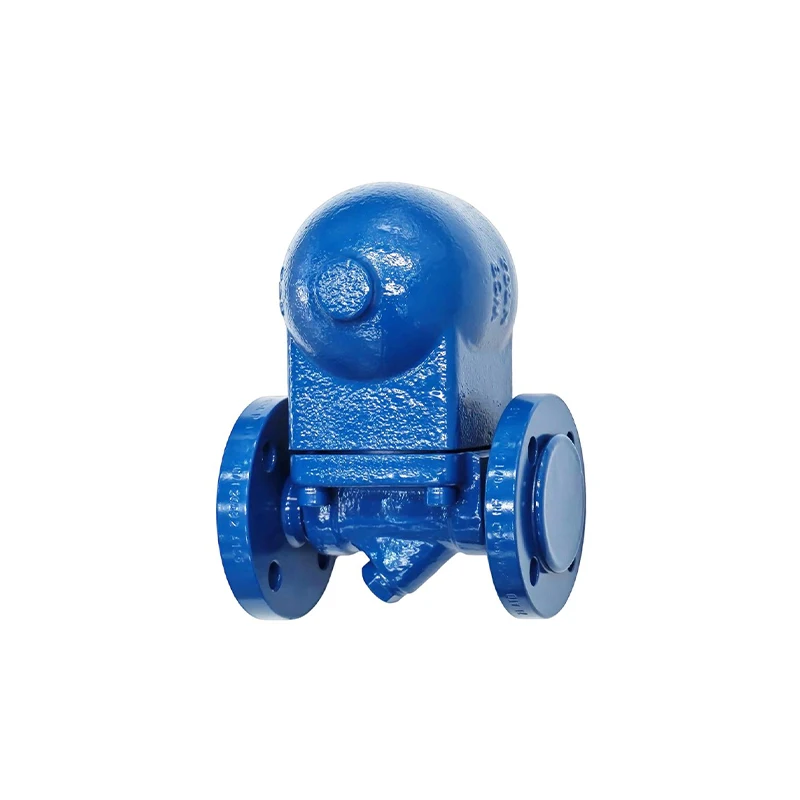
Professional Pressure Reducing System for Stable Temperature - Industrial Solutions

All Categories

Get a Free Quote

Our representative will contact you soon.
Email
Name
Company Name
Message
0/1000

pressure reducing system for stable temperature

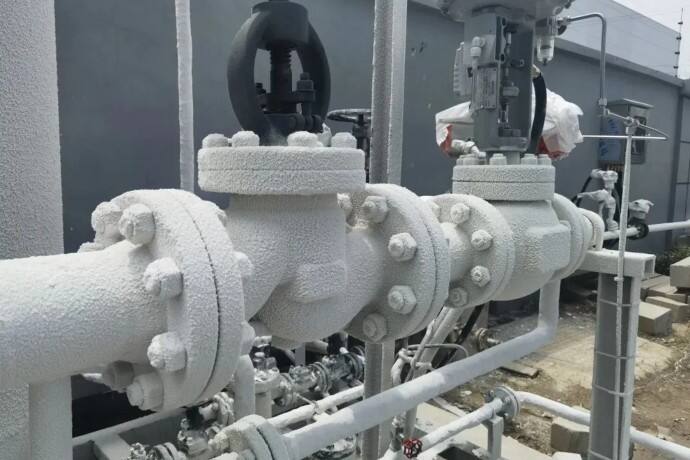
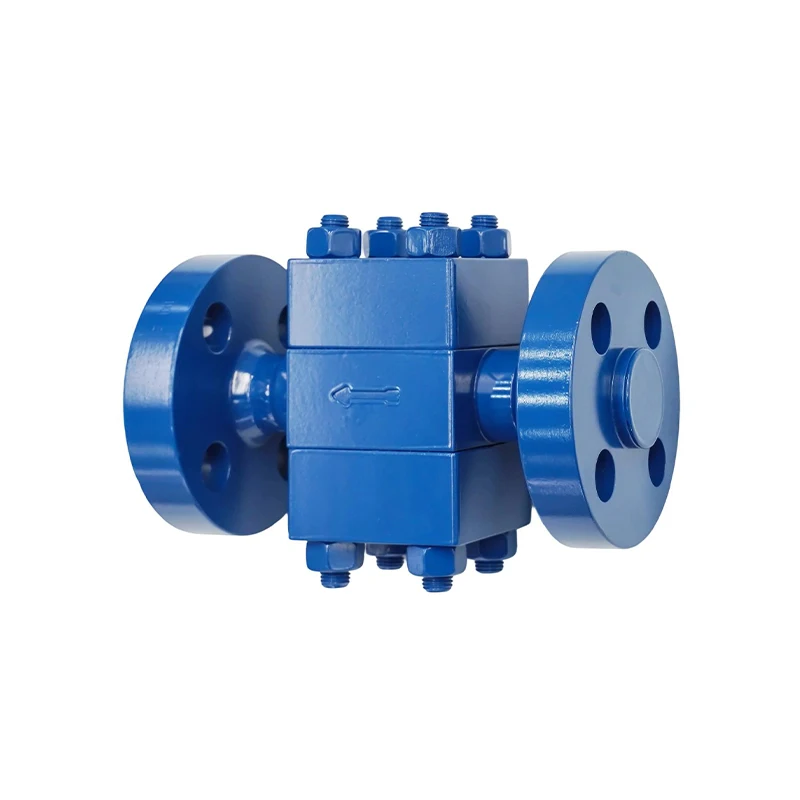
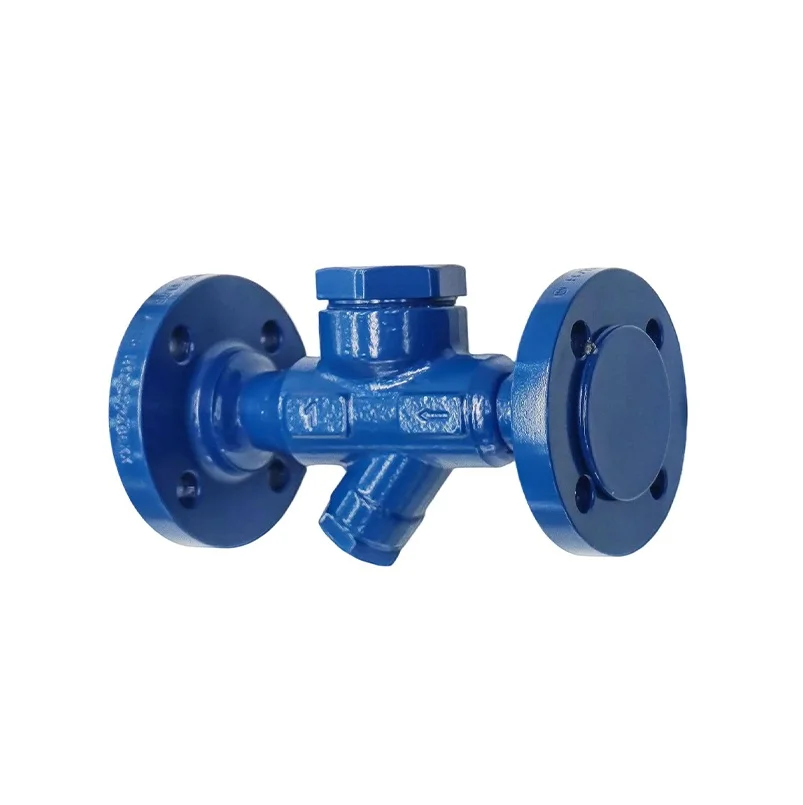
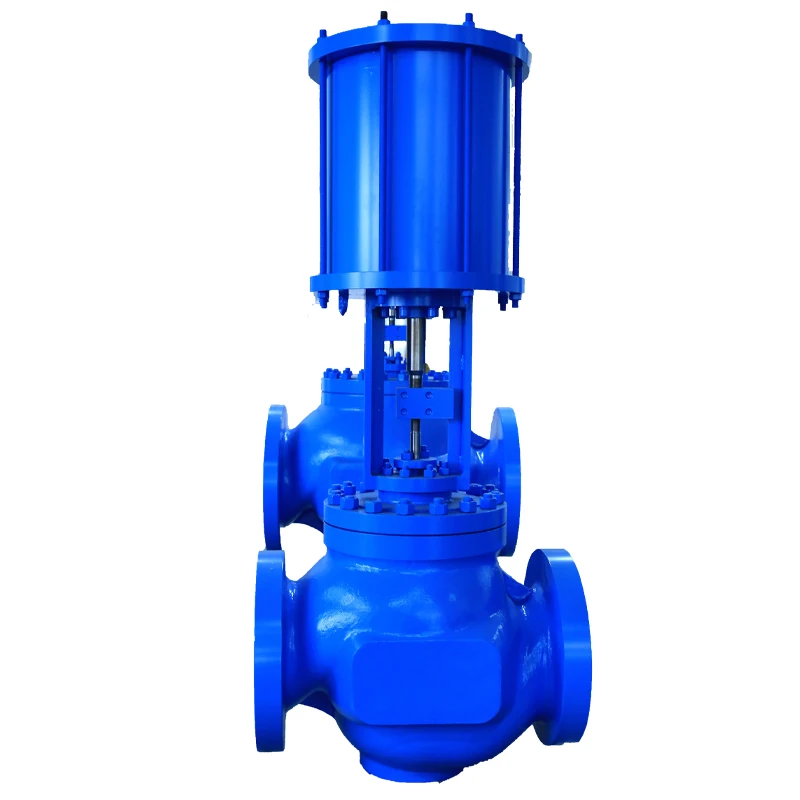
A pressure reducing system for stable temperature represents a sophisticated engineering solution designed to maintain consistent thermal conditions while managing fluid pressure in various industrial and commercial applications. This advanced system combines precision pressure regulation with temperature stabilization technology to deliver optimal performance across diverse operational environments. The primary function of a pressure reducing system for stable temperature involves controlling and reducing inlet pressure to predetermined levels while simultaneously maintaining thermal equilibrium within the system. The technology integrates multiple components including pressure reducing valves, temperature sensors, control modules, and feedback mechanisms that work synergistically to ensure stable operation. Key technological features include adaptive pressure control algorithms that respond dynamically to system variations, ensuring consistent output pressure regardless of fluctuating inlet conditions. The temperature stabilization aspect utilizes thermal regulation mechanisms that compensate for pressure-induced temperature changes, maintaining steady thermal conditions throughout the operational cycle. Advanced monitoring systems continuously track both pressure and temperature parameters, providing real-time adjustments to maintain optimal performance. Applications for pressure reducing systems for stable temperature span numerous industries including manufacturing, chemical processing, pharmaceutical production, food and beverage processing, and HVAC systems. In manufacturing environments, these systems ensure consistent production quality by maintaining stable operating conditions for sensitive equipment. Chemical processing facilities rely on precise pressure and temperature control to maintain reaction stability and product consistency. Pharmaceutical applications demand stringent environmental control to meet regulatory requirements and ensure product efficacy. The modular design of modern pressure reducing systems for stable temperature allows for customization based on specific application requirements, flow rates, and environmental conditions. Integration capabilities enable seamless incorporation into existing infrastructure while providing enhanced control and monitoring features that improve overall system efficiency and reliability.

New Product Releases

The pressure reducing system for stable temperature offers numerous compelling advantages that directly translate into operational benefits and cost savings for businesses across various industries. Enhanced operational stability represents the most significant advantage, as the system eliminates pressure fluctuations that can disrupt production processes and compromise product quality. By maintaining consistent pressure levels, equipment operates more efficiently and experiences reduced wear and tear, resulting in lower maintenance costs and extended service life. The temperature stabilization feature prevents thermal stress on system components, further enhancing reliability and reducing the likelihood of unexpected failures. Energy efficiency improvements constitute another major advantage of the pressure reducing system for stable temperature. The system optimizes energy consumption by eliminating pressure overshoots and maintaining steady operational parameters that reduce unnecessary energy expenditure. This efficiency translates directly into reduced utility costs and improved environmental sustainability. Precise control capabilities enable operators to fine-tune system performance to match specific application requirements, maximizing efficiency while minimizing waste. Quality assurance benefits are particularly pronounced in manufacturing and processing applications where consistent environmental conditions are critical for product integrity. The pressure reducing system for stable temperature ensures that production parameters remain within specified tolerances, reducing defect rates and improving overall product quality. This consistency leads to decreased rework costs, reduced material waste, and enhanced customer satisfaction. Safety improvements represent another crucial advantage, as stable pressure and temperature conditions reduce the risk of equipment failure and associated safety hazards. The system includes built-in safety features such as pressure relief mechanisms and temperature monitoring that provide early warning of potential issues. Automated control reduces operator exposure to hazardous conditions while ensuring consistent safety standards. Installation and maintenance advantages include simplified system integration and reduced complexity compared to separate pressure and temperature control systems. The unified design reduces the number of components required, simplifying installation procedures and reducing potential failure points. Maintenance requirements are streamlined through centralized monitoring and control systems that provide comprehensive diagnostics and predictive maintenance capabilities. Long-term cost benefits extend beyond initial savings to include reduced insurance premiums due to improved safety records, decreased downtime costs through enhanced reliability, and improved regulatory compliance that prevents costly violations and associated penalties.

Practical Tips

Soaring to New Heights: AcKaM Industrial Surges in Billion-Dollar Market with 200% H1 Sales Growth

04

Nov

Soaring to New Heights: AcKaM Industrial Surges in Billion-Dollar Market with 200% H1 Sales Growth

View More
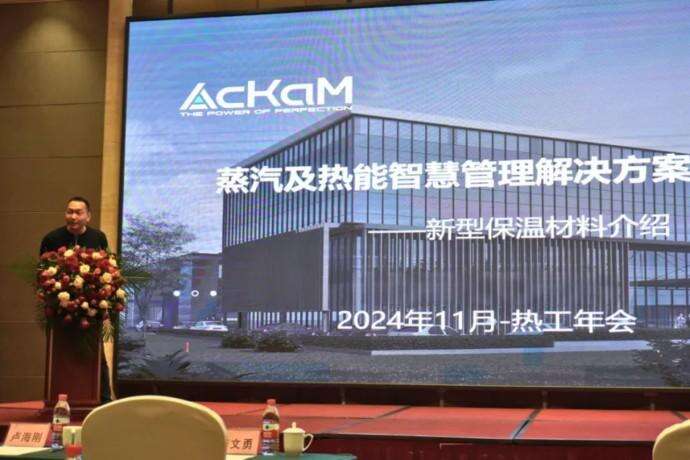
Innovation in Thermal Insulation Technology! AcKaM Delivers Keynote Speech at 2024 National Thermal Engineering Conference

05

Nov

Innovation in Thermal Insulation Technology! AcKaM Delivers Keynote Speech at 2024 National Thermal Engineering Conference

View More
AcKaM: Riding the Trillion-Yuan Wave to Pioneer Innovation

04

Nov

AcKaM: Riding the Trillion-Yuan Wave to Pioneer Innovation

View More

Get a Free Quote

Our representative will contact you soon.
Email
Name
Company Name
Message
0/1000

pressure reducing system for stable temperature

Advanced Dual-Control Technology Integration

Advanced Dual-Control Technology Integration

The cornerstone of any effective pressure reducing system for stable temperature lies in its sophisticated dual-control technology that simultaneously manages both pressure and thermal parameters with exceptional precision. This innovative integration represents a significant advancement over traditional single-parameter control systems that often struggle to maintain stability when one variable affects another. The advanced control algorithms continuously monitor system conditions and make real-time adjustments to maintain optimal performance across varying operational demands. The technology utilizes sophisticated sensors and feedback mechanisms that detect minute changes in pressure and temperature conditions, enabling proactive adjustments before variations can impact system performance. This predictive control approach ensures consistent output conditions regardless of input fluctuations or external environmental changes. The dual-control system incorporates adaptive learning capabilities that optimize performance based on historical operational data and usage patterns. This intelligent adaptation reduces energy consumption while improving response times and overall system efficiency. The integration extends to user interface design, providing operators with comprehensive monitoring capabilities through intuitive displays that present real-time data in easily interpretable formats. Advanced diagnostic features enable predictive maintenance scheduling by identifying potential issues before they result in system failures. The technology also includes remote monitoring capabilities that allow for off-site system management and troubleshooting, reducing the need for on-site technical support and minimizing operational disruptions. Safety features are seamlessly integrated into the dual-control system, including automatic shutdown procedures and emergency response protocols that activate when parameters exceed safe operating limits. The modular design allows for easy expansion and customization to meet evolving operational requirements without requiring complete system replacement. Quality assurance benefits include consistent output conditions that meet stringent industry standards and regulatory requirements. The advanced technology reduces operator training requirements through automated control features while providing manual override capabilities for specialized applications. Long-term reliability is enhanced through robust component design and comprehensive system testing that ensures consistent performance throughout the equipment lifecycle.
Energy Efficiency and Cost Optimization Features

Energy Efficiency and Cost Optimization Features

Modern pressure reducing systems for stable temperature incorporate cutting-edge energy efficiency technologies that deliver substantial cost savings while maintaining superior performance standards. These systems utilize intelligent power management algorithms that optimize energy consumption based on real-time operational demands, automatically adjusting power distribution to match current system requirements. Variable speed control mechanisms ensure that components operate at optimal efficiency levels, reducing unnecessary energy expenditure during periods of lower demand. The energy optimization extends to thermal management systems that minimize heat loss through advanced insulation technologies and heat recovery mechanisms that capture and reuse thermal energy within the system. Smart scheduling features allow operators to program energy-saving modes during periods of reduced activity, further enhancing overall efficiency. The pressure reducing system for stable temperature includes power factor correction capabilities that improve electrical efficiency and reduce utility costs associated with reactive power consumption. Regenerative technologies capture energy from pressure reduction processes and redirect it to other system components, creating a closed-loop energy management system that maximizes utilization efficiency. Advanced monitoring systems provide detailed energy consumption analytics that enable operators to identify optimization opportunities and track energy savings over time. The cost optimization benefits extend beyond energy savings to include reduced maintenance requirements through improved component longevity and decreased wear rates. Predictive maintenance capabilities reduce unplanned downtime costs by identifying potential issues before they result in system failures. The system design incorporates standardized components that reduce replacement costs and simplify inventory management. Automated control features reduce labor costs by minimizing the need for constant operator supervision while improving consistency and reliability. Return on investment is typically realized within the first year of operation through combined energy savings, reduced maintenance costs, and improved operational efficiency. Environmental benefits include reduced carbon footprint and compliance with sustainability initiatives that may qualify for tax incentives and regulatory benefits. The energy efficiency features are designed to adapt to changing operational requirements, ensuring continued optimization as facility needs evolve. Long-term cost benefits include extended equipment lifecycles, reduced insurance premiums through improved safety records, and enhanced property values through infrastructure improvements.
Versatile Industrial Applications and Customization Options

Versatile Industrial Applications and Customization Options

The exceptional versatility of pressure reducing systems for stable temperature makes them indispensable across numerous industrial sectors, each benefiting from customized solutions tailored to specific operational requirements and environmental conditions. Manufacturing facilities utilize these systems to maintain precise environmental conditions essential for quality production processes, particularly in industries such as electronics manufacturing where even minor temperature or pressure variations can result in product defects and costly rework. The pharmaceutical industry relies heavily on pressure reducing systems for stable temperature to meet stringent regulatory requirements and maintain sterile production environments. These applications demand exceptional reliability and precision, with customization options including specialized materials compatible with pharmaceutical-grade standards and validation protocols that ensure compliance with FDA and other regulatory bodies. Food and beverage processing facilities benefit from customized systems designed to meet food safety standards while maintaining optimal processing conditions that preserve product quality and extend shelf life. Chemical processing industries require robust systems capable of handling corrosive environments and extreme operating conditions, with customization options including specialized coatings, materials, and safety features designed for hazardous applications. HVAC applications in commercial and industrial buildings utilize pressure reducing systems for stable temperature to maintain comfortable indoor environments while optimizing energy consumption. Customization options for these applications include integration with building automation systems and zone-specific control capabilities that adapt to varying occupancy patterns and usage requirements. Laboratory and research facilities require ultra-precise control capabilities with customization options including enhanced accuracy sensors, specialized monitoring equipment, and clean room compatibility features. Data center applications demand exceptional reliability and precision to protect sensitive electronic equipment, with customization options including redundant control systems and emergency backup capabilities. The customization process begins with comprehensive application analysis that considers factors such as flow rates, operating pressures, temperature ranges, environmental conditions, and regulatory requirements. Modular design principles enable flexible configuration options that can be modified or expanded as operational requirements evolve. Installation customization includes various mounting options, connection types, and integration capabilities that accommodate existing infrastructure while minimizing installation complexity and costs. Maintenance customization options include remote monitoring capabilities, predictive maintenance features, and specialized service protocols that minimize operational disruptions while ensuring optimal performance throughout the equipment lifecycle.
Get a Free Quote

Our representative will contact you soon.
Email
Name
Company Name
Message
0/1000