Pressure Reducing and Desuperheating Systems: Advanced Steam Conditioning Solutions for Industrial Applications

All Categories

Get a Free Quote

Our representative will contact you soon.
Email
Name
Company Name
Message
0/1000

pressure reducing and desuperheating system

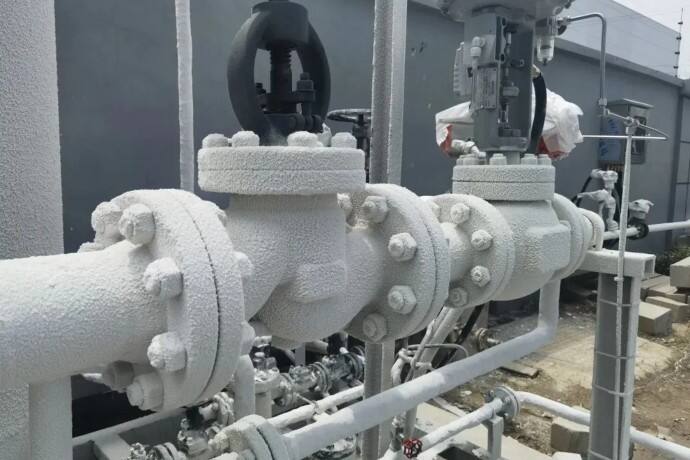
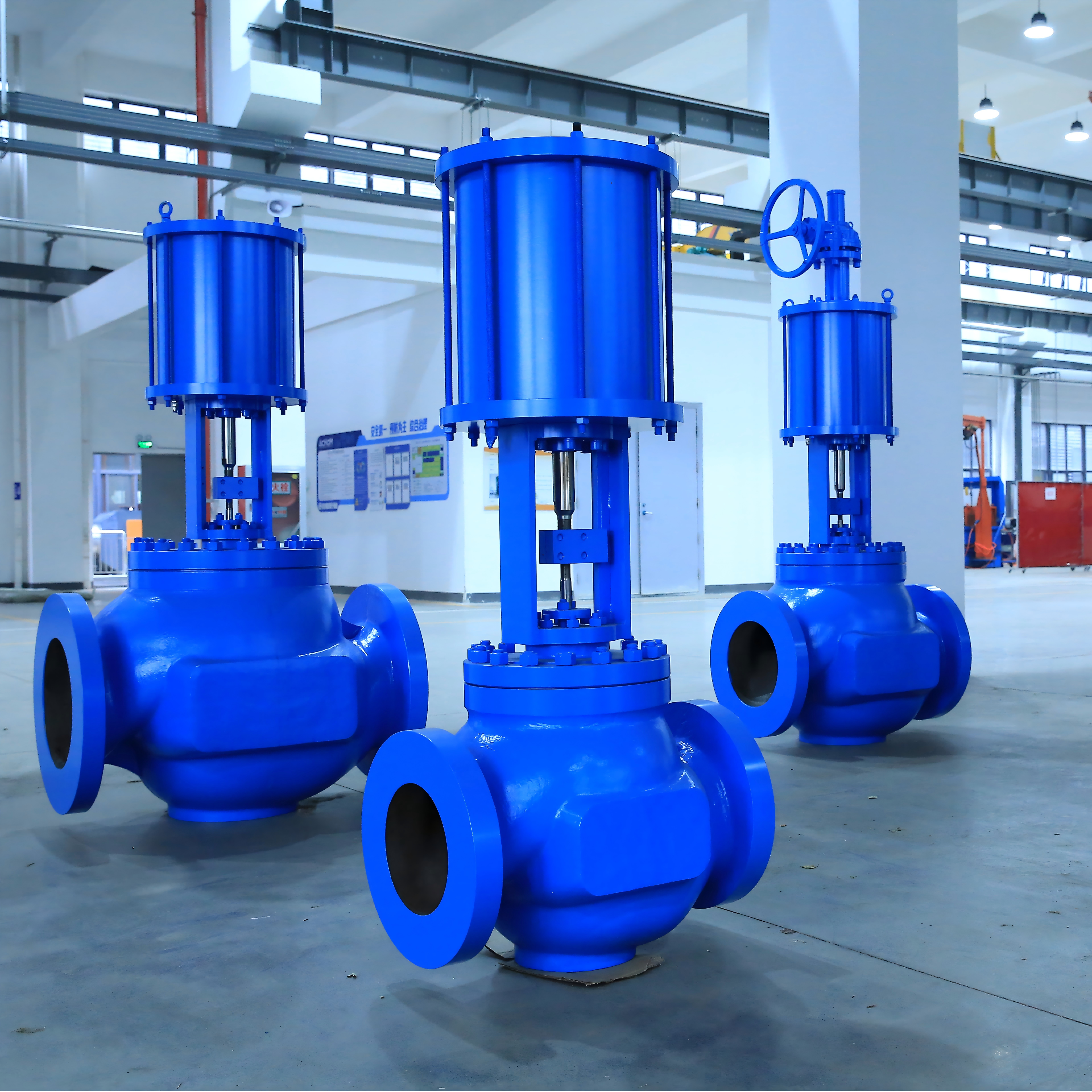
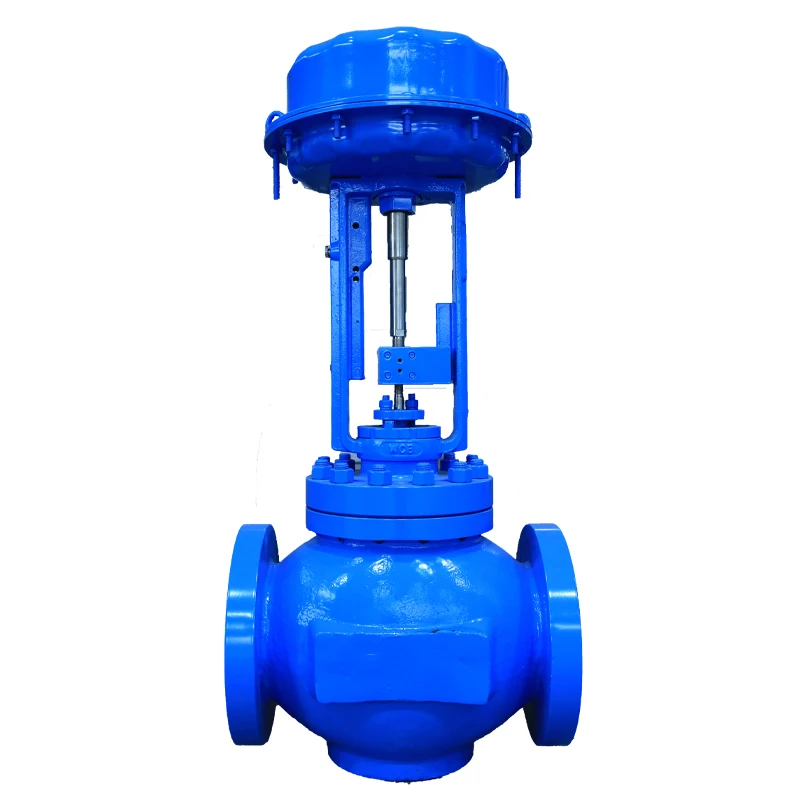
A pressure reducing and desuperheating system represents a critical component in industrial steam and hot water applications, designed to transform high-pressure, superheated steam into lower-pressure steam while simultaneously reducing its temperature to desired levels. This sophisticated system combines two essential functions: pressure reduction and temperature control, making it indispensable for various industrial processes that require precise steam conditions. The pressure reducing and desuperheating system operates through a carefully engineered process that begins with high-pressure steam entering the system at elevated temperatures and pressures. The system utilizes specialized valves and control mechanisms to reduce the steam pressure while injecting controlled amounts of water to achieve the target temperature. This dual-action approach ensures that the output steam meets specific process requirements while maintaining consistent quality and reliability. The technological features of modern pressure reducing and desuperheating systems include advanced control systems, precision instrumentation, and robust construction materials capable of withstanding extreme operating conditions. These systems incorporate sophisticated feedback mechanisms that continuously monitor pressure and temperature parameters, automatically adjusting water injection rates and valve positions to maintain optimal performance. The integration of digital control technology allows for precise parameter adjustment and real-time monitoring, ensuring consistent output quality regardless of varying input conditions. Applications for pressure reducing and desuperheating systems span numerous industries, including power generation, chemical processing, food and beverage manufacturing, pharmaceutical production, and district heating networks. In power plants, these systems enable efficient steam distribution to various turbine stages and auxiliary equipment. Chemical processing facilities rely on these systems to provide steam at specific conditions for heating, reaction processes, and product drying. The food industry utilizes pressure reducing and desuperheating systems for cooking, sterilization, and packaging processes, while pharmaceutical manufacturers depend on them for critical sterilization and production applications.
New Products

The pressure reducing and desuperheating system delivers exceptional operational benefits that directly translate into improved efficiency and cost savings for industrial facilities. One primary advantage lies in energy conservation, as these systems recover and utilize waste heat that would otherwise be lost, resulting in significant reductions in overall energy consumption. By precisely controlling steam conditions, facilities can optimize their thermal processes, leading to reduced fuel costs and enhanced environmental sustainability. The system's ability to maintain consistent steam quality eliminates the need for separate heating equipment in downstream applications, further reducing energy requirements and operational complexity. Operational flexibility represents another substantial benefit of implementing a pressure reducing and desuperheating system. These systems accommodate varying load demands and input conditions, automatically adjusting to maintain desired output parameters regardless of fluctuations in the primary steam supply. This adaptability ensures continuous operation even during peak demand periods or equipment maintenance schedules, minimizing production disruptions and maintaining process stability. The system's modular design allows for easy expansion or modification to meet changing production requirements, providing long-term scalability for growing operations. Safety improvements constitute a critical advantage of modern pressure reducing and desuperheating systems. By reducing steam pressure and temperature to safer operating levels, these systems minimize the risk of equipment damage and personnel injury. Integrated safety features include pressure relief valves, temperature monitoring systems, and automatic shutdown mechanisms that activate when predetermined safety thresholds are exceeded. This comprehensive safety approach protects both equipment and personnel while ensuring compliance with stringent industrial safety regulations and standards. Maintenance advantages include reduced wear on downstream equipment due to optimal steam conditions, extended equipment lifespan through precise temperature and pressure control, and simplified maintenance procedures through centralized system monitoring. The pressure reducing and desuperheating system's robust construction and reliable operation minimize unplanned downtime, reducing maintenance costs and improving overall facility availability. Advanced diagnostic capabilities enable predictive maintenance strategies, allowing operators to address potential issues before they result in system failures or production interruptions. Cost-effectiveness emerges as a compelling advantage, with these systems typically providing rapid return on investment through energy savings, reduced maintenance costs, and improved production efficiency. The elimination of multiple individual control systems and the consolidation of steam conditioning functions into a single, integrated unit reduces capital expenditure and simplifies system management, resulting in lower total cost of ownership over the system's operational lifetime.

Practical Tips

Soaring to New Heights: AcKaM Industrial Surges in Billion-Dollar Market with 200% H1 Sales Growth

04

Nov

Soaring to New Heights: AcKaM Industrial Surges in Billion-Dollar Market with 200% H1 Sales Growth

View More
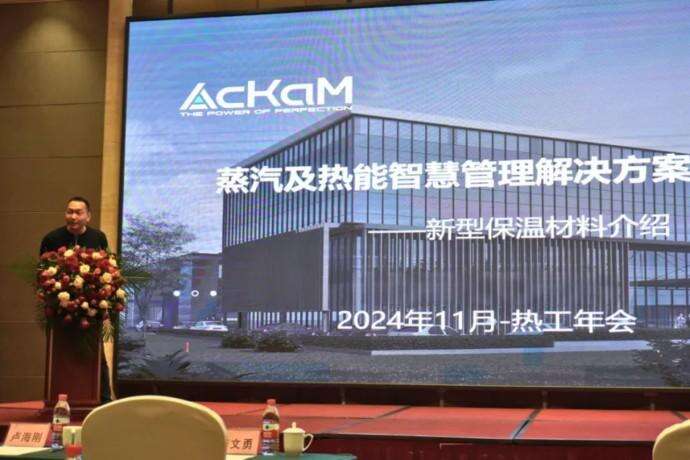
Innovation in Thermal Insulation Technology! AcKaM Delivers Keynote Speech at 2024 National Thermal Engineering Conference

05

Nov

Innovation in Thermal Insulation Technology! AcKaM Delivers Keynote Speech at 2024 National Thermal Engineering Conference

View More
AcKaM: Riding the Trillion-Yuan Wave to Pioneer Innovation

04

Nov

AcKaM: Riding the Trillion-Yuan Wave to Pioneer Innovation

View More

Get a Free Quote

Our representative will contact you soon.
Email
Name
Company Name
Message
0/1000

pressure reducing and desuperheating system

Advanced Control Technology Integration

Advanced Control Technology Integration

The pressure reducing and desuperheating system incorporates cutting-edge control technology that revolutionizes steam conditioning processes across industrial applications. This sophisticated control integration features state-of-the-art programmable logic controllers, precision sensors, and intelligent algorithms that work seamlessly together to deliver unparalleled performance accuracy and reliability. The system's advanced control architecture continuously monitors multiple parameters including inlet steam pressure, temperature, flow rates, and downstream conditions, processing this data through sophisticated algorithms to make real-time adjustments that maintain optimal output specifications. The intelligent control system responds instantaneously to changing operating conditions, automatically adjusting water injection rates and valve positions to compensate for variations in steam supply or demand. This dynamic response capability ensures consistent steam quality regardless of external factors, eliminating the manual intervention traditionally required in conventional systems. The integration of human-machine interfaces provides operators with comprehensive system visibility, enabling remote monitoring and control capabilities that enhance operational efficiency while reducing the need for constant on-site supervision. Predictive analytics capabilities within the control system analyze historical performance data and current operating trends to anticipate potential issues before they impact production. This proactive approach enables maintenance teams to schedule interventions during planned downtime periods, minimizing unplanned disruptions and maximizing equipment availability. The system's data logging and reporting functions provide detailed performance records that support continuous improvement initiatives and regulatory compliance requirements. The pressure reducing and desuperheating system's advanced control technology also facilitates seamless integration with existing plant control systems, enabling centralized monitoring and coordination with other critical equipment. This integration capability reduces operator workload while improving overall facility automation and efficiency. The system's cybersecurity features protect against unauthorized access and ensure data integrity, providing peace of mind in today's interconnected industrial environment.
Energy Efficiency and Environmental Impact

Energy Efficiency and Environmental Impact

The pressure reducing and desuperheating system delivers exceptional energy efficiency benefits that significantly reduce operational costs while supporting environmental sustainability objectives. This advanced system maximizes energy utilization by recovering waste heat from high-pressure steam processes and redirecting it to applications requiring lower-temperature steam, effectively capturing energy that would otherwise be lost to the atmosphere. The system's intelligent heat recovery mechanisms can achieve energy efficiency improvements of up to 15-20 percent compared to traditional steam distribution methods, translating into substantial cost savings over the system's operational lifetime. The environmental benefits of implementing a pressure reducing and desuperheating system extend beyond energy conservation to include reduced greenhouse gas emissions, lower water consumption, and decreased waste generation. By optimizing steam utilization efficiency, facilities can reduce their overall fuel consumption, directly contributing to lower carbon dioxide emissions and improved environmental performance. The system's precise temperature control capabilities minimize steam waste and eliminate the need for energy-intensive reheating processes, further enhancing environmental benefits while reducing operational expenses. Water conservation represents another significant environmental advantage, as the system's efficient design reduces the amount of makeup water required for steam generation. The closed-loop design minimizes water losses while maximizing the utilization of condensate return systems, reducing both water consumption and wastewater generation. This water efficiency becomes increasingly important as facilities face stricter environmental regulations and rising water costs, making the pressure reducing and desuperheating system an essential component of sustainable industrial operations. The system's contribution to facility-wide energy management strategies cannot be overstated, as it enables operators to implement comprehensive energy optimization programs that address multiple aspects of steam system performance. Integration with building management systems and energy monitoring platforms provides detailed energy consumption data that supports continuous improvement initiatives and helps identify additional opportunities for efficiency gains. The pressure reducing and desuperheating system's role in achieving corporate sustainability goals makes it an attractive investment for organizations committed to environmental stewardship and long-term operational excellence.
Reliability and Maintenance Optimization

Reliability and Maintenance Optimization

The pressure reducing and desuperheating system stands out for its exceptional reliability and maintenance optimization features that ensure continuous operation while minimizing lifecycle costs. This robust system incorporates high-quality materials and precision manufacturing techniques that deliver outstanding durability even under the most demanding operating conditions. The system's components are specifically designed to withstand extreme temperatures, pressures, and corrosive environments, ensuring reliable performance throughout extended operational periods without compromising safety or efficiency standards. Preventive maintenance capabilities built into the pressure reducing and desuperheating system enable operators to implement comprehensive maintenance strategies that maximize equipment availability while minimizing maintenance costs. The system's diagnostic features continuously monitor component performance and operating conditions, providing early warning indicators when maintenance attention is required. This proactive approach allows maintenance teams to schedule interventions during planned downtime periods, avoiding costly emergency repairs and production disruptions that can significantly impact facility operations. The modular design philosophy incorporated into the pressure reducing and desuperheating system simplifies maintenance procedures and reduces the time required for component replacement or system upgrades. Critical components can be accessed easily without disrupting other system functions, enabling maintenance teams to work efficiently while minimizing system downtime. Standardized components and interfaces reduce inventory requirements and simplify spare parts management, further reducing maintenance costs and improving maintenance planning effectiveness. Remote monitoring capabilities integrated into the system enable maintenance teams to assess system performance and diagnose potential issues without requiring on-site visits, reducing labor costs and improving response times. The system's comprehensive data logging and trending capabilities provide valuable insights into equipment performance patterns, enabling maintenance teams to optimize maintenance schedules and identify opportunities for performance improvements. This data-driven approach to maintenance management supports the implementation of condition-based maintenance strategies that can significantly extend equipment life while reducing maintenance costs. The pressure reducing and desuperheating system's reliability features include redundant safety systems, backup control mechanisms, and fail-safe operating modes that ensure continuous operation even in the event of component failures. These reliability enhancements provide operators with confidence in system performance while supporting facility uptime objectives and production goals.

Get a Free Quote

Our representative will contact you soon.
Email
Name
Company Name
Message
0/1000