Advanced Pressure Reducing System for Station - Automated Control & Safety Solutions

All Categories

Get a Free Quote

Our representative will contact you soon.
Email
Name
Company Name
Message
0/1000

pressure reducing system for station

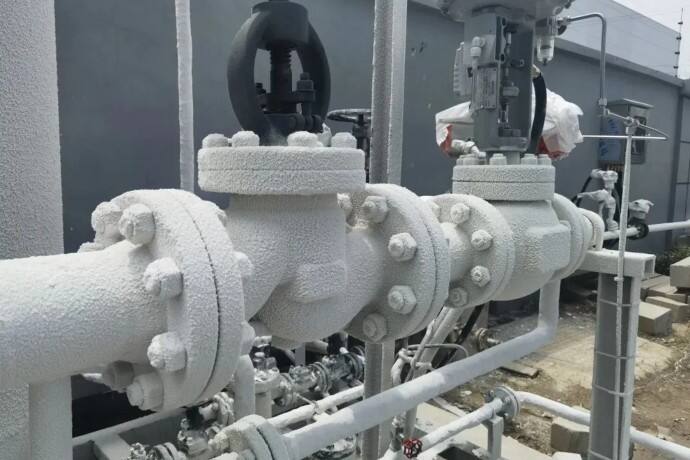
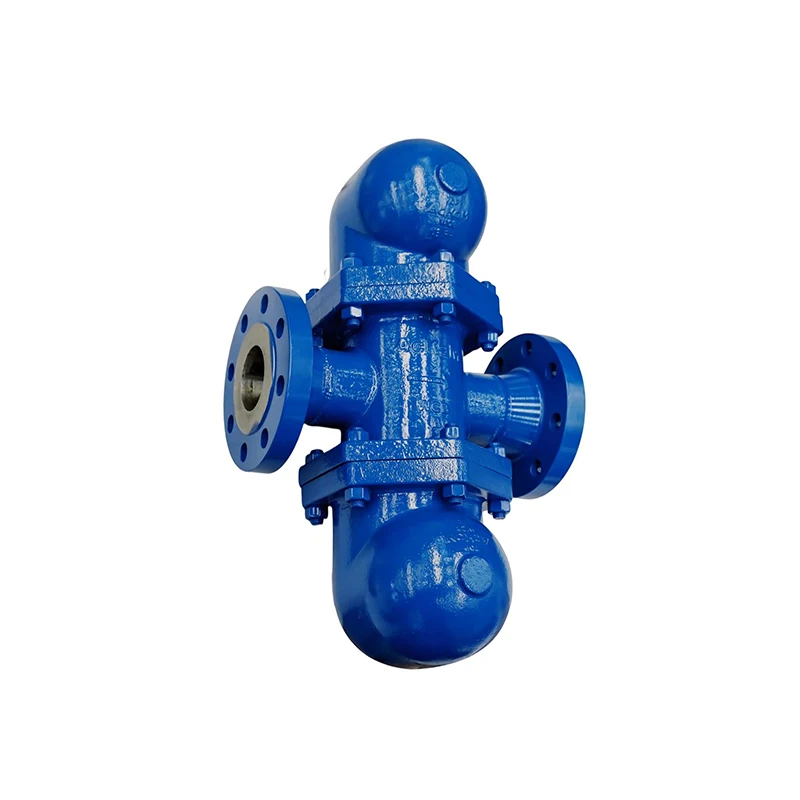
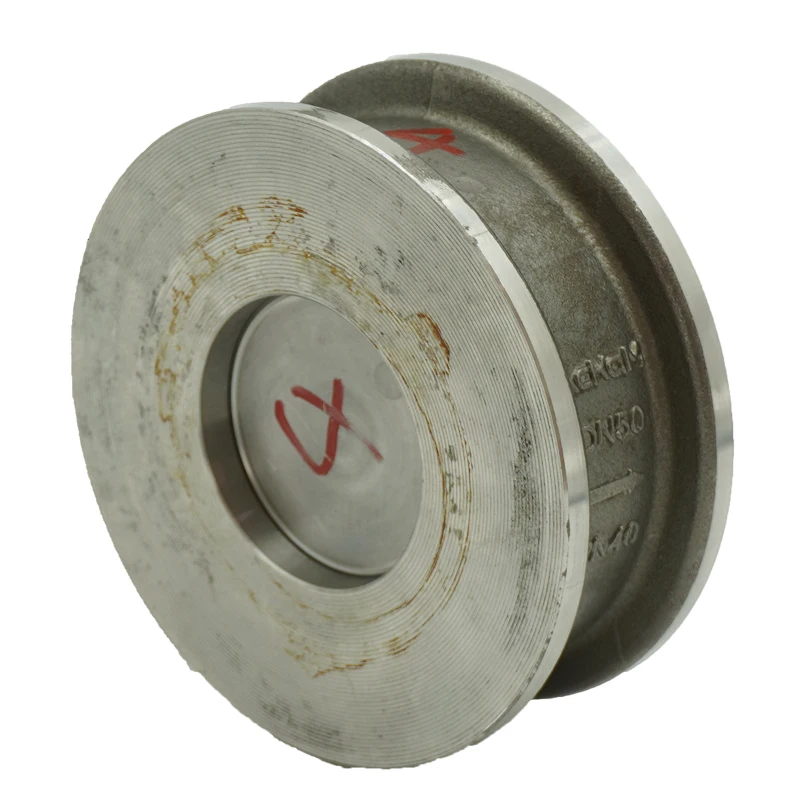
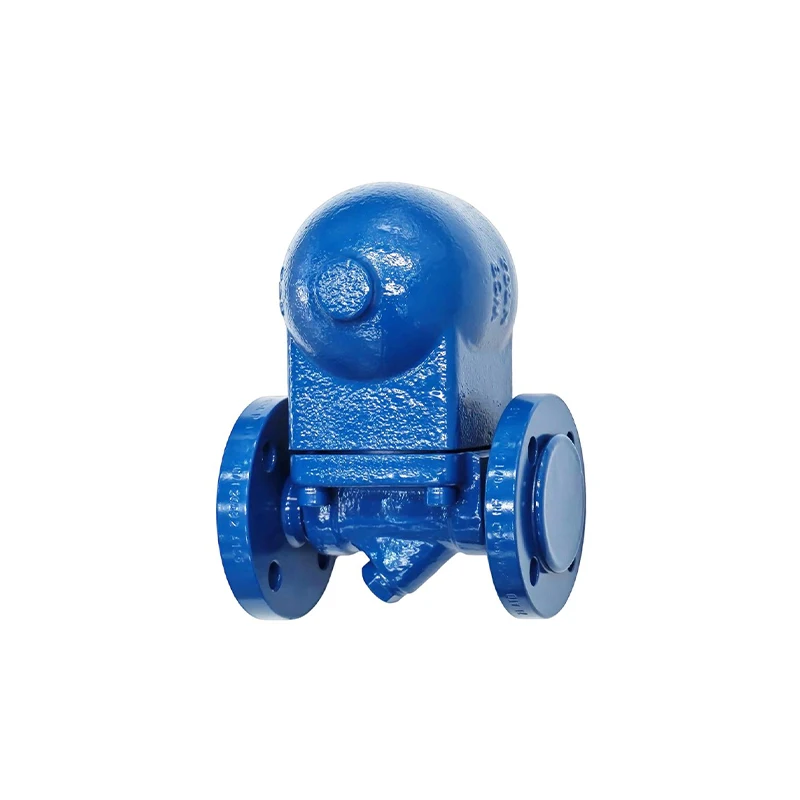
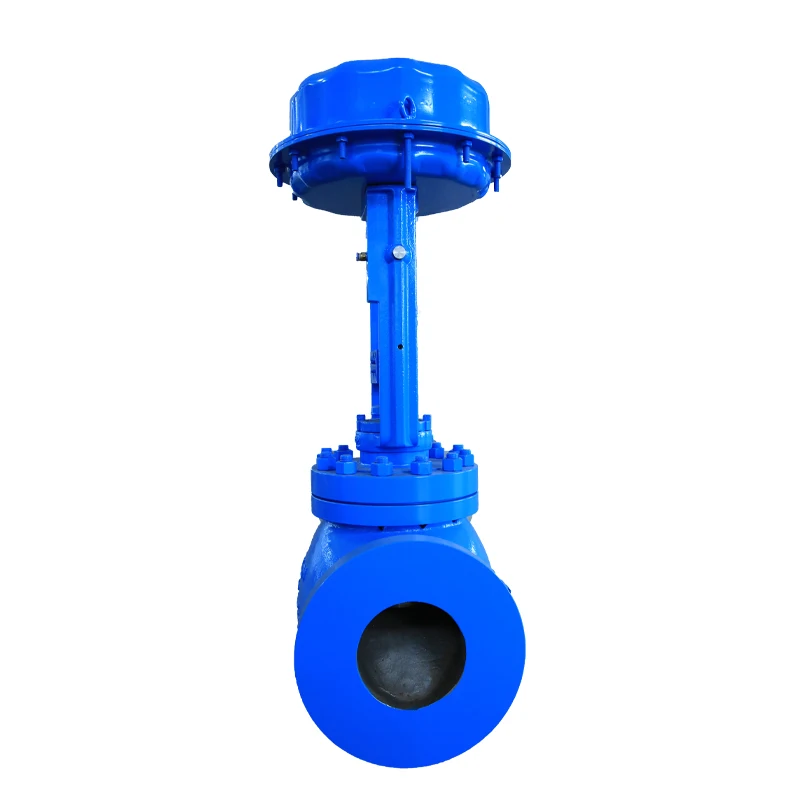
The pressure reducing system for station represents a critical infrastructure component designed to regulate and control gas or fluid pressure within distribution networks. This sophisticated system serves as the backbone for maintaining optimal pressure levels across various industrial, commercial, and municipal applications. The pressure reducing system for station functions by automatically reducing high-pressure input to predetermined lower pressure outputs, ensuring consistent delivery to downstream equipment and end-users. These systems incorporate advanced regulatory mechanisms, including precision control valves, pressure sensors, and safety relief devices that work in tandem to maintain stable operating conditions. The technological architecture of a pressure reducing system for station features multiple stages of pressure reduction, allowing for gradual and controlled pressure drops that prevent system shock and extend equipment longevity. Modern installations utilize electronic control systems with programmable logic controllers that enable remote monitoring and automatic adjustments based on real-time demand fluctuations. The system includes redundant safety features such as emergency shutdown valves, overpressure protection devices, and backup regulatory components to ensure uninterrupted operation even during maintenance or component failure scenarios. Applications for pressure reducing system for station installations span across natural gas distribution networks, industrial process facilities, power generation plants, and large-scale commercial complexes. The modular design allows for customization based on specific pressure requirements, flow rates, and environmental conditions. These systems typically feature weatherproof enclosures, corrosion-resistant materials, and temperature compensation mechanisms to maintain reliable performance across diverse operating environments. Integration capabilities enable seamless connection with existing SCADA systems and telemetry networks for comprehensive facility management.
Popular Products

The pressure reducing system for station delivers exceptional operational benefits that directly impact facility efficiency and cost management. Primary advantages include significant energy conservation through optimized pressure management, which reduces unnecessary system strain and minimizes power consumption across connected equipment. Facilities utilizing pressure reducing system for station technology experience enhanced equipment protection, as consistent pressure levels prevent damage from pressure spikes and fluctuations that could otherwise compromise sensitive machinery and instrumentation. The automated control features eliminate the need for constant manual monitoring, reducing labor costs and human error while ensuring continuous optimal performance. Safety improvements represent another crucial advantage, as these systems incorporate multiple fail-safe mechanisms that protect personnel and infrastructure from dangerous overpressure conditions. The pressure reducing system for station provides superior reliability through redundant components and backup systems that maintain operation during maintenance periods or unexpected failures. Cost savings manifest through reduced maintenance requirements, extended equipment lifespan, and improved process efficiency that translates to lower operational expenses. Environmental benefits include reduced emissions and waste through more efficient resource utilization and precise pressure control that minimizes system losses. The scalability of pressure reducing system for station installations allows facilities to adapt to changing demand patterns without major infrastructure overhauls, providing long-term flexibility and investment protection. Advanced diagnostic capabilities enable predictive maintenance strategies that prevent costly unplanned downtime and optimize maintenance scheduling. Integration with modern control systems facilitates data collection and analysis for continuous process improvement and compliance reporting. The standardized design and proven technology reduce implementation risks while ensuring compatibility with existing infrastructure. Regulatory compliance becomes streamlined through built-in safety features and documentation capabilities that simplify inspection and certification processes. Overall system efficiency improvements typically result in measurable return on investment within reasonable payback periods, making pressure reducing system for station installations financially attractive for organizations seeking operational optimization.

Practical Tips

Soaring to New Heights: AcKaM Industrial Surges in Billion-Dollar Market with 200% H1 Sales Growth

04

Nov

Soaring to New Heights: AcKaM Industrial Surges in Billion-Dollar Market with 200% H1 Sales Growth

View More
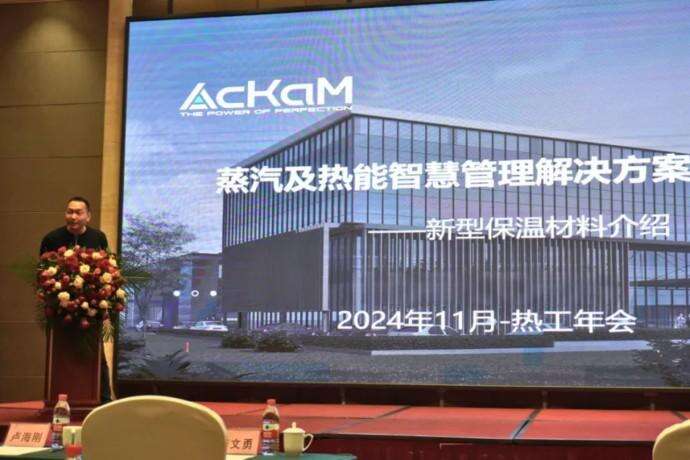
Innovation in Thermal Insulation Technology! AcKaM Delivers Keynote Speech at 2024 National Thermal Engineering Conference

05

Nov

Innovation in Thermal Insulation Technology! AcKaM Delivers Keynote Speech at 2024 National Thermal Engineering Conference

View More
AcKaM: Riding the Trillion-Yuan Wave to Pioneer Innovation

04

Nov

AcKaM: Riding the Trillion-Yuan Wave to Pioneer Innovation

View More

Get a Free Quote

Our representative will contact you soon.
Email
Name
Company Name
Message
0/1000

pressure reducing system for station

Advanced Automated Control Technology

Advanced Automated Control Technology

The pressure reducing system for station incorporates cutting-edge automated control technology that revolutionizes pressure management through intelligent monitoring and real-time adjustments. This sophisticated control system utilizes state-of-the-art electronic controllers equipped with advanced algorithms that continuously analyze pressure conditions and automatically adjust regulatory components to maintain optimal performance parameters. The automated features eliminate human intervention requirements while providing superior accuracy compared to traditional manual control methods. The system employs multiple pressure sensors strategically positioned throughout the installation to create comprehensive monitoring coverage that detects even minor pressure variations and responds instantaneously to maintain stable conditions. Smart diagnostic capabilities continuously assess system performance and component health, providing early warning indicators for potential issues before they impact operations. The control technology features programmable setpoints that allow operators to customize pressure parameters for specific applications or seasonal variations, ensuring optimal performance across diverse operating conditions. Remote monitoring capabilities enable facility managers to oversee multiple pressure reducing system for station installations from centralized control rooms, reducing operational costs and improving response times. The automated system maintains detailed operational logs and performance data that facilitate compliance reporting and process optimization initiatives. Integration with existing facility management systems creates seamless operational workflows while providing comprehensive oversight of pressure management activities. Emergency response protocols are built into the automated control system, ensuring immediate protective actions during abnormal conditions or system emergencies. The technology also supports predictive maintenance strategies by analyzing performance trends and component wear patterns to optimize maintenance scheduling and prevent unexpected failures. User-friendly interfaces simplify operator training while providing comprehensive system visibility and control capabilities. This advanced automation represents a significant competitive advantage for facilities requiring reliable, efficient, and cost-effective pressure management solutions.
Superior Safety and Reliability Features

Superior Safety and Reliability Features

The pressure reducing system for station prioritizes safety through comprehensive protective mechanisms and redundant design elements that ensure reliable operation under all operating conditions. Multiple layers of safety protection include overpressure relief valves, emergency shutdown systems, and fail-safe control mechanisms that automatically activate during abnormal conditions to protect personnel and equipment. The redundant design philosophy incorporates backup regulatory components that seamlessly assume control functions if primary components require maintenance or experience unexpected failures, ensuring continuous operation without service interruption. Advanced materials and construction standards provide exceptional durability and corrosion resistance, enabling reliable performance in harsh environmental conditions while minimizing maintenance requirements. The system features built-in leak detection capabilities that continuously monitor for potential gas or fluid losses and provide immediate alerts when intervention is required. Explosion-proof electrical components and intrinsically safe design principles ensure safe operation in hazardous environments where flammable gases or vapors may be present. Regular safety testing protocols and certification compliance demonstrate adherence to industry standards and regulatory requirements, providing peace of mind for facility operators and regulatory authorities. The pressure reducing system for station incorporates seismic-resistant mounting and structural design features that maintain integrity during environmental disturbances or natural disasters. Temperature compensation mechanisms ensure accurate pressure regulation across wide temperature ranges, preventing performance degradation during seasonal variations or extreme weather conditions. Emergency isolation capabilities enable rapid system shutdown when required for maintenance or emergency response situations. Comprehensive safety documentation and operator training materials ensure proper installation, operation, and maintenance procedures that maximize safety benefits. The robust construction and proven reliability record of pressure reducing system for station installations provide long-term operational security and investment protection. These safety and reliability features combine to create systems that exceed industry expectations for performance and dependability while maintaining the highest safety standards.
Exceptional Cost-Effectiveness and ROI

Exceptional Cost-Effectiveness and ROI

The pressure reducing system for station delivers outstanding financial benefits through multiple cost-saving mechanisms and efficiency improvements that generate measurable return on investment for facility operators. Energy cost reductions represent the most immediate financial benefit, as optimized pressure management significantly reduces power consumption across connected equipment and processes. The system eliminates pressure-related equipment damage that typically results in expensive repairs and replacement costs, extending the operational lifespan of downstream machinery and instrumentation. Reduced maintenance requirements translate to lower operational expenses through decreased service frequency and simplified maintenance procedures that require less specialized labor. The pressure reducing system for station enables facilities to optimize resource utilization by eliminating waste and improving process efficiency, resulting in direct cost savings on raw materials and utilities. Automated operation reduces labor costs by eliminating the need for continuous manual monitoring and adjustment, allowing personnel to focus on higher-value activities while maintaining optimal pressure management. Predictive maintenance capabilities prevent costly unplanned downtime by identifying potential issues before they cause system failures or production interruptions. Insurance benefits may be available for facilities utilizing certified pressure reducing system for station technology due to enhanced safety features and reduced risk profiles. Regulatory compliance costs are minimized through built-in safety features and documentation capabilities that streamline inspection processes and certification requirements. The modular design allows for phased implementation that spreads capital investment over time while providing immediate benefits from each installed component. Long-term flexibility enables facilities to adapt to changing operational requirements without major infrastructure investments, protecting against obsolescence and ensuring continued value. Standardized components and proven technology reduce implementation risks and associated costs while ensuring reliable performance from day one. The combination of immediate operational savings and long-term strategic benefits creates compelling economic justification for pressure reducing system for station investments across diverse industrial applications.

Get a Free Quote

Our representative will contact you soon.
Email
Name
Company Name
Message
0/1000