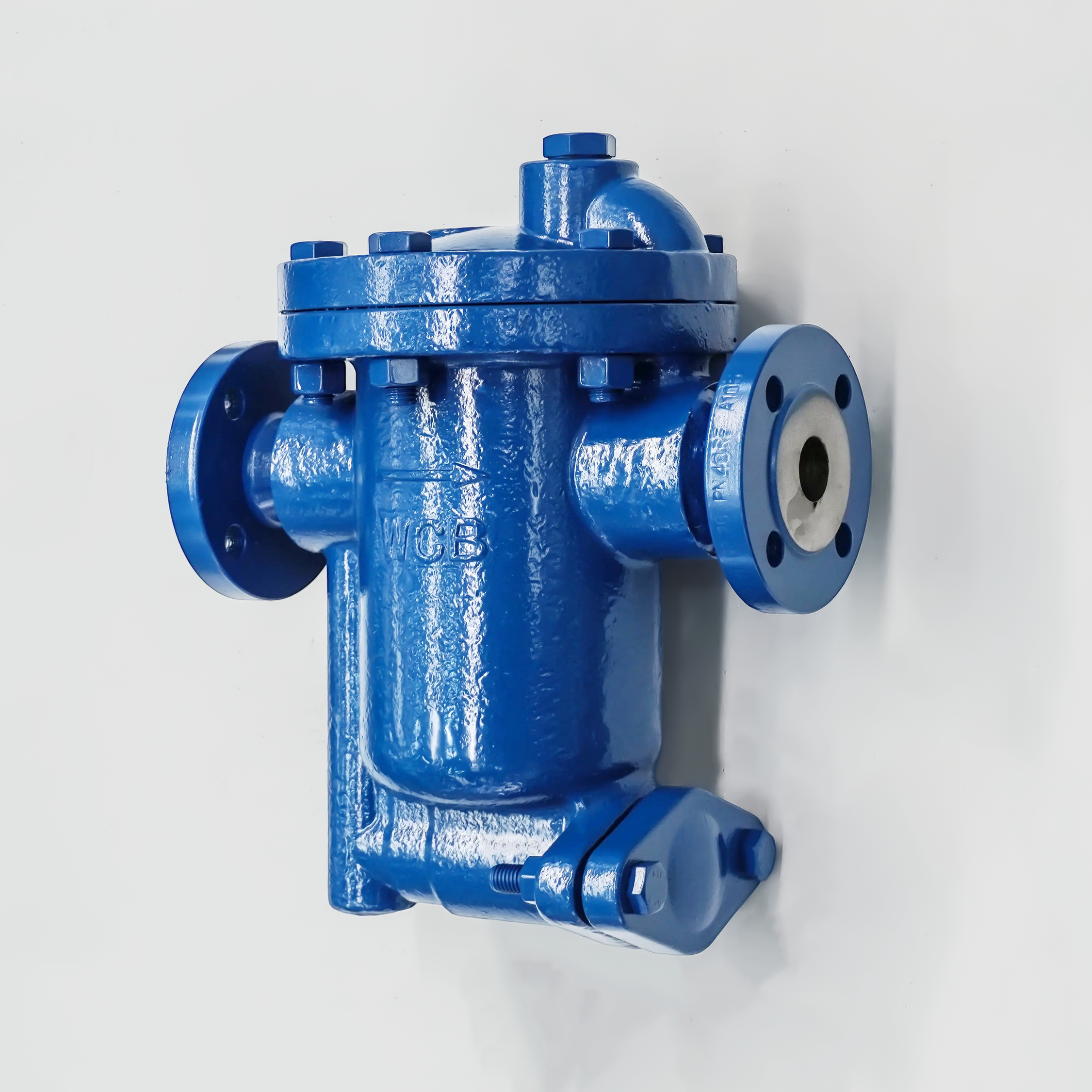
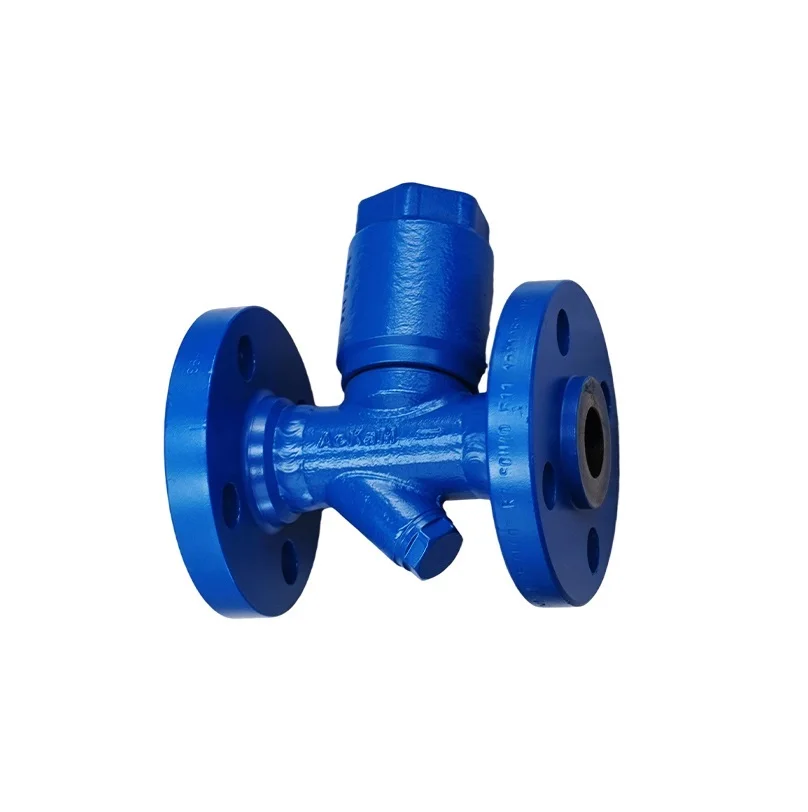
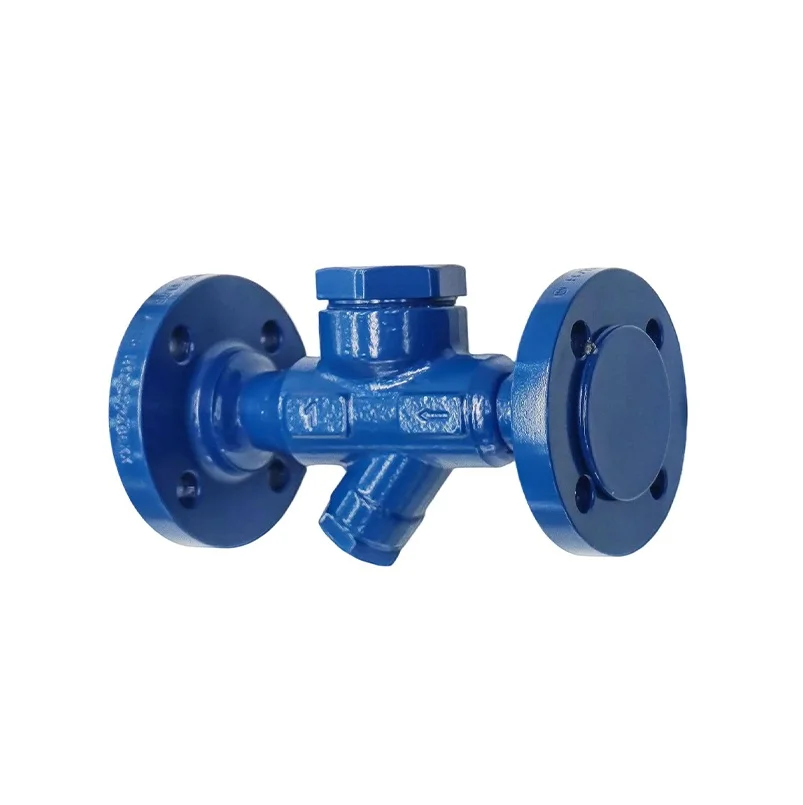
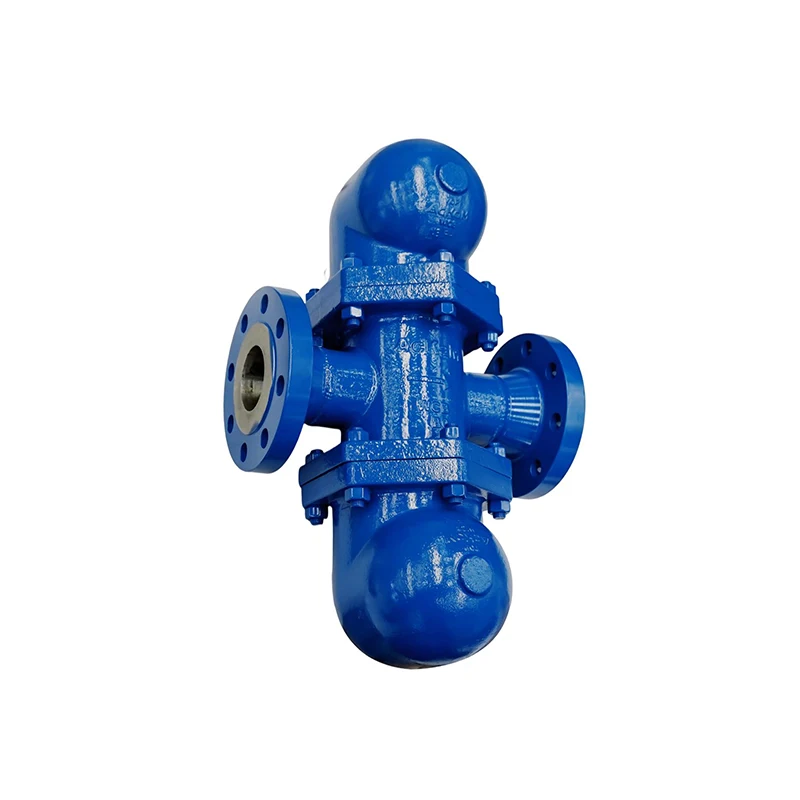
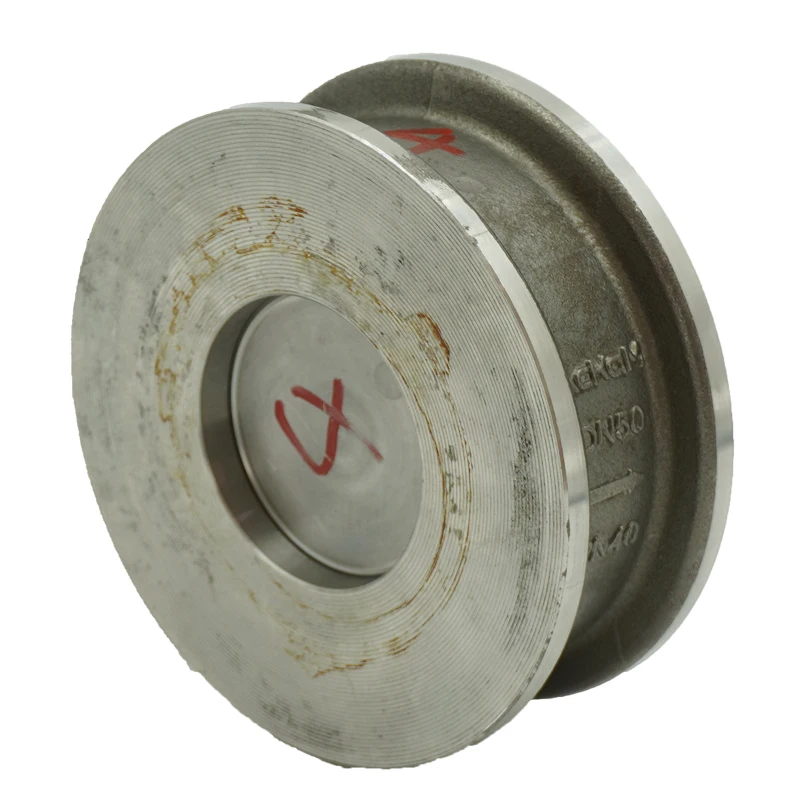
pressure reducing system for auxiliary steam
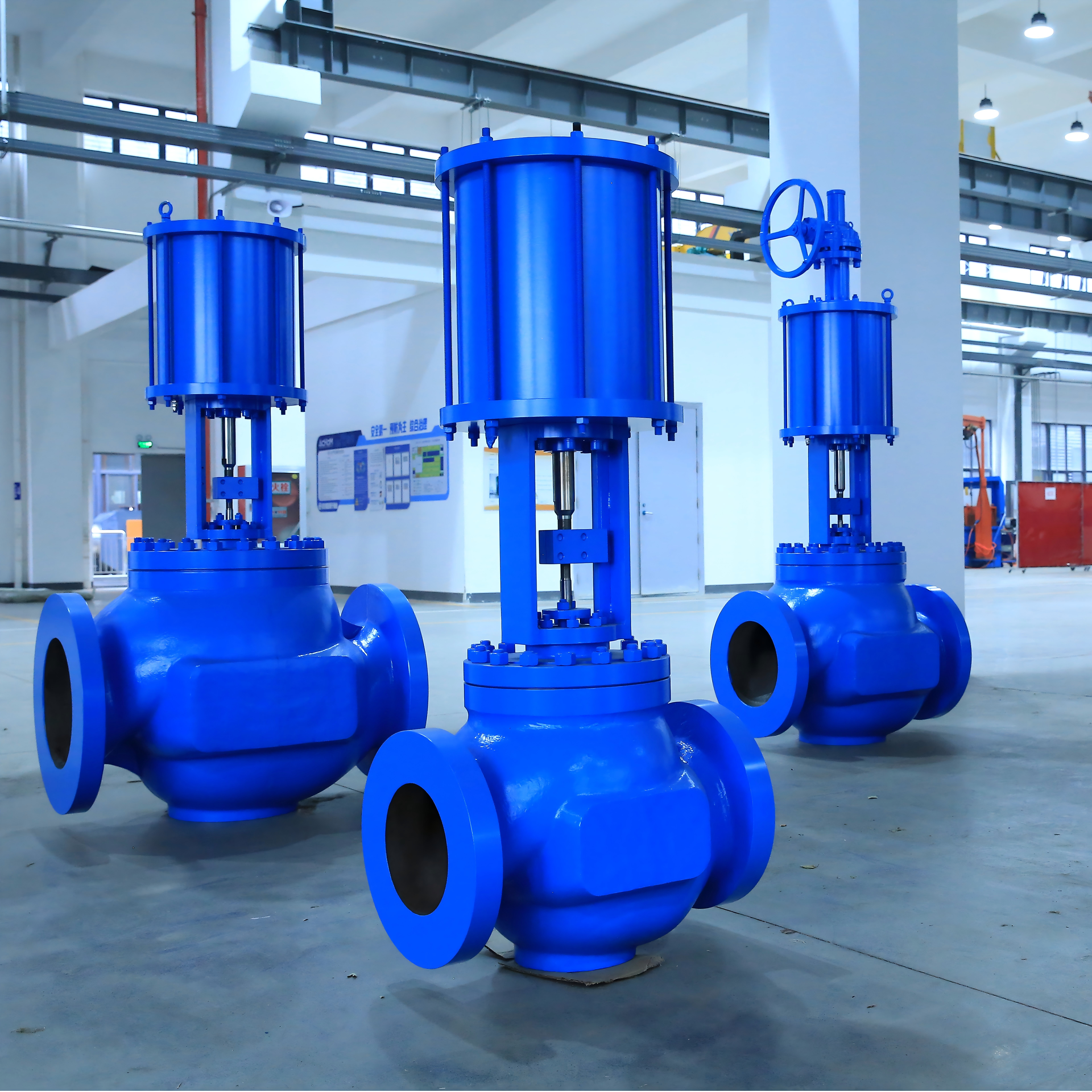
A pressure reducing system for auxiliary steam represents a critical component in modern industrial operations, designed to safely and efficiently reduce high-pressure steam to lower, more manageable pressure levels for various auxiliary applications. This sophisticated system serves as the backbone for numerous industrial processes, ensuring optimal steam distribution throughout facilities while maintaining safety standards and operational efficiency. The pressure reducing system for auxiliary steam incorporates advanced engineering principles to deliver consistent performance across diverse industrial environments. At its core, the system functions by automatically controlling steam pressure through precision-engineered valves and monitoring equipment that respond instantaneously to pressure fluctuations. The main functions encompass pressure regulation, temperature control, condensate management, and safety protection mechanisms that work cohesively to maintain stable steam conditions. Technologically, these systems feature state-of-the-art control mechanisms including electronic actuators, digital pressure sensors, and automated feedback loops that ensure precise pressure maintenance within predetermined parameters. The pressure reducing system for auxiliary steam utilizes robust materials resistant to high temperatures and corrosive environments, incorporating stainless steel components and specialized sealing technologies that guarantee long-term reliability. Modern installations integrate smart monitoring capabilities, allowing real-time data collection and remote system management through advanced SCADA interfaces. Applications span across multiple industries including power generation facilities, chemical processing plants, pharmaceutical manufacturing, food production, and commercial heating systems. In power plants, the pressure reducing system for auxiliary steam supports turbine gland sealing, building heating, and process heating requirements. Chemical facilities rely on these systems for reactor heating, distillation processes, and equipment sterilization. The versatility of pressure reducing systems extends to hospitals for sterilization equipment, hotels for heating and laundry operations, and manufacturing plants for various production processes requiring controlled steam conditions.