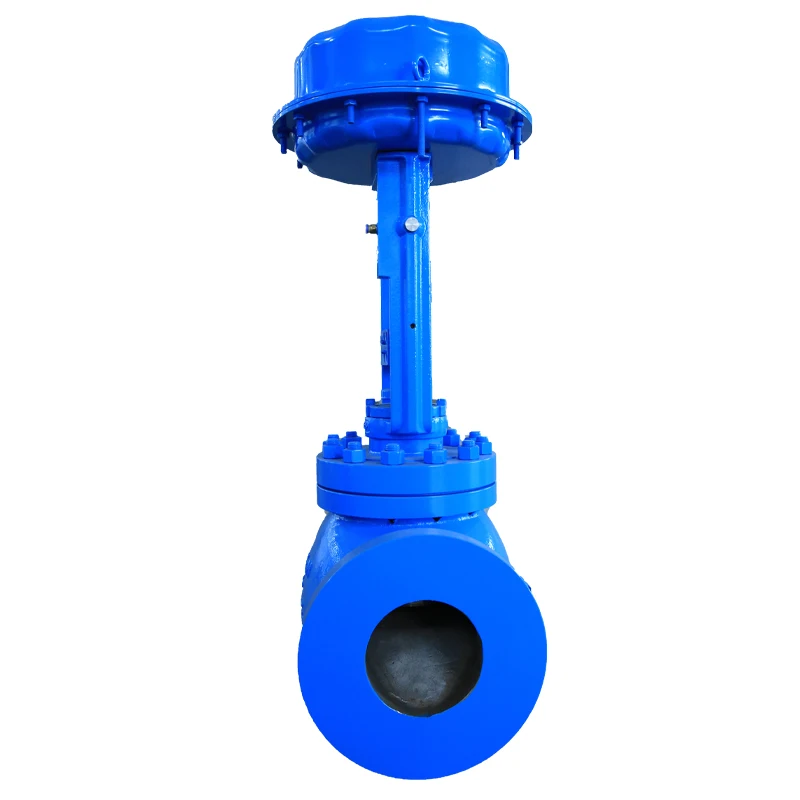
pressure reducing system for stable
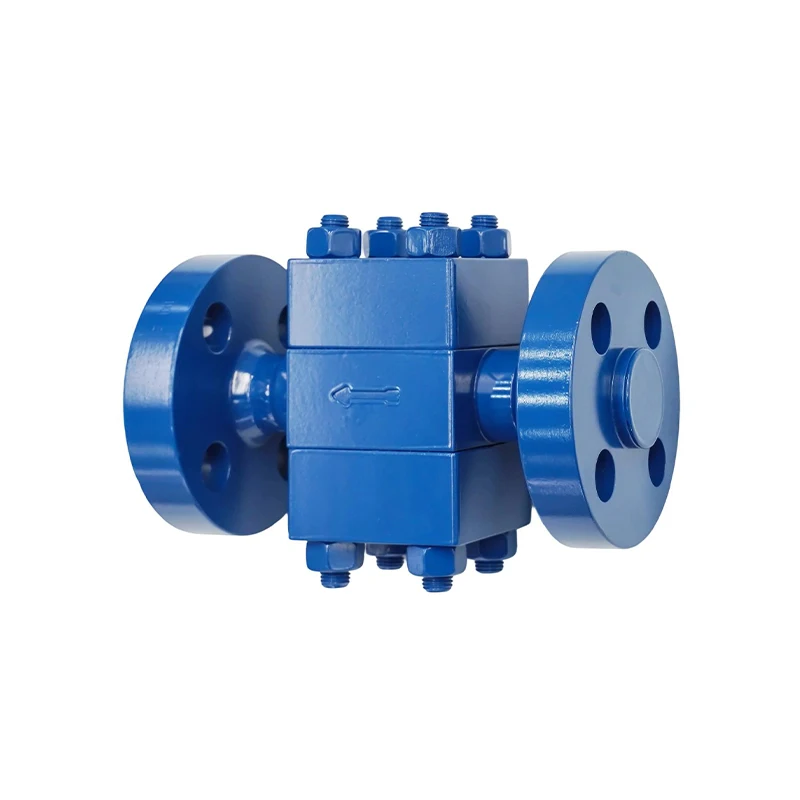
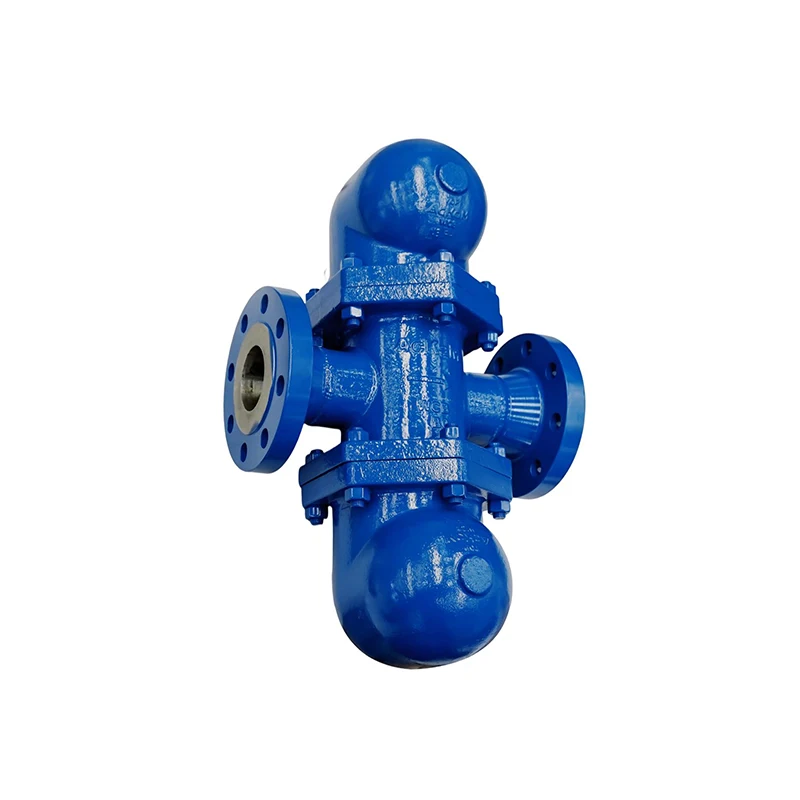
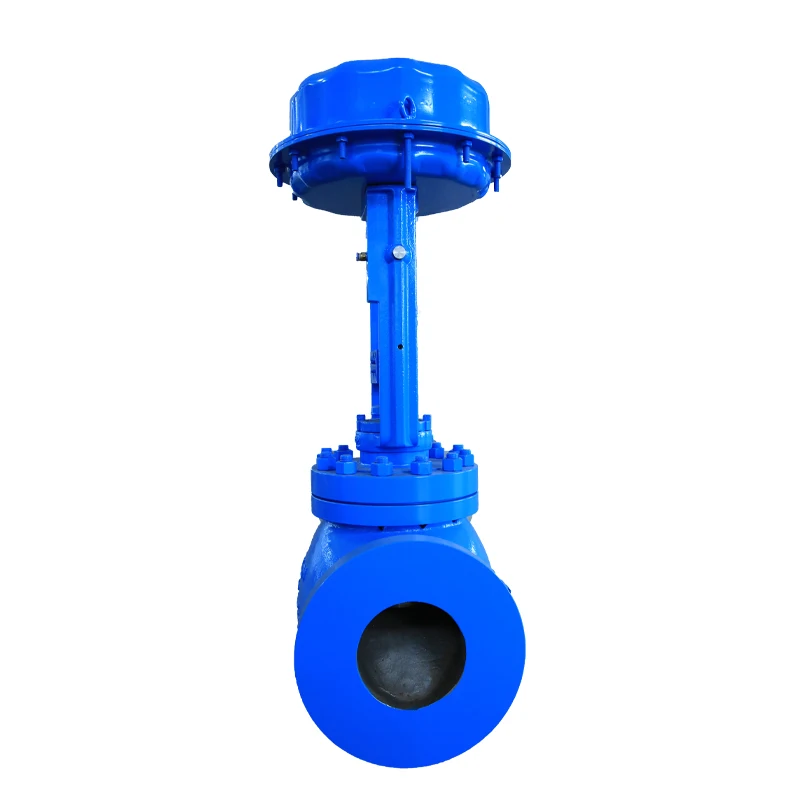
A pressure reducing system for stable represents a critical infrastructure component designed to maintain optimal pressure levels within stable environments, particularly in agricultural and equestrian facilities. This sophisticated system automatically monitors and adjusts water pressure to ensure consistent delivery throughout the stable complex, preventing both excessive pressure that could damage equipment and insufficient pressure that might compromise water availability. The pressure reducing system for stable incorporates advanced valve technology, pressure sensors, and control mechanisms that work together to create a reliable water distribution network. The system typically consists of a main pressure reducing valve, bypass mechanisms, pressure gauges, and automated control units that continuously monitor system performance. These components integrate seamlessly to provide stable water pressure regardless of fluctuations in the municipal water supply or varying demand patterns within the facility. The pressure reducing system for stable serves multiple functions including protecting downstream plumbing fixtures, preventing water hammer effects, reducing maintenance costs, and ensuring consistent water flow to drinking systems, washing stations, and fire suppression equipment. Modern systems feature digital controls that allow operators to set precise pressure parameters and receive alerts when adjustments are needed. The technology incorporates fail-safe mechanisms that maintain operation even during power outages, ensuring continuous water availability for animal welfare. Installation flexibility allows the pressure reducing system for stable to accommodate various facility sizes, from small private stables to large commercial equestrian centers. The system's modular design enables expansion as facilities grow, while its robust construction ensures reliable performance in demanding stable environments where dust, moisture, and temperature variations are common challenges.