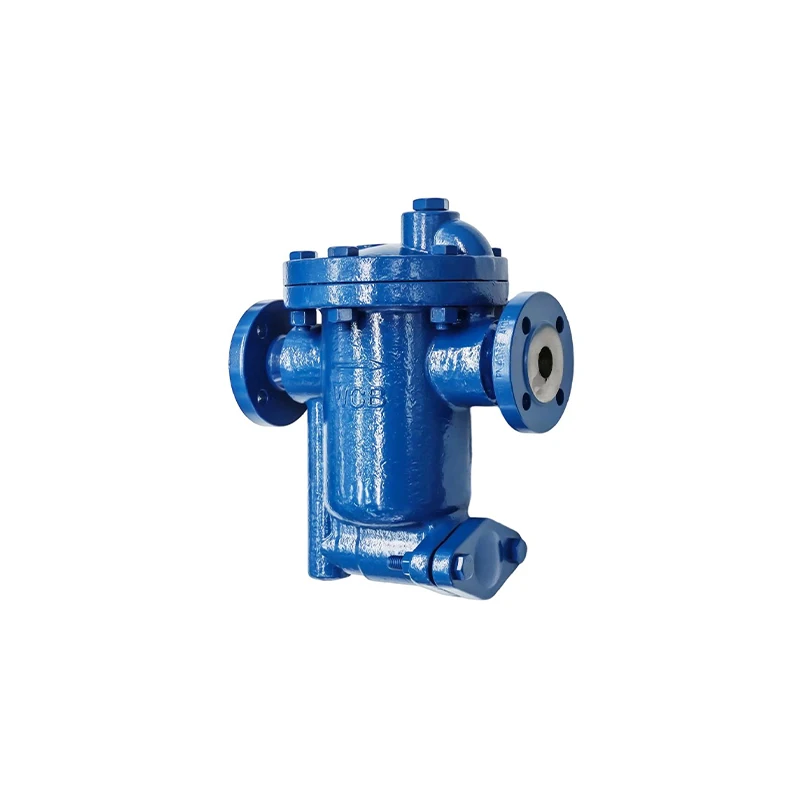
Steam Ejection Systems: Revolutionary Industrial Vacuum Technology Solutions

All Categories

Get a Free Quote

Our representative will contact you soon.
Email
Name
Company Name
Message
0/1000

steam ejection

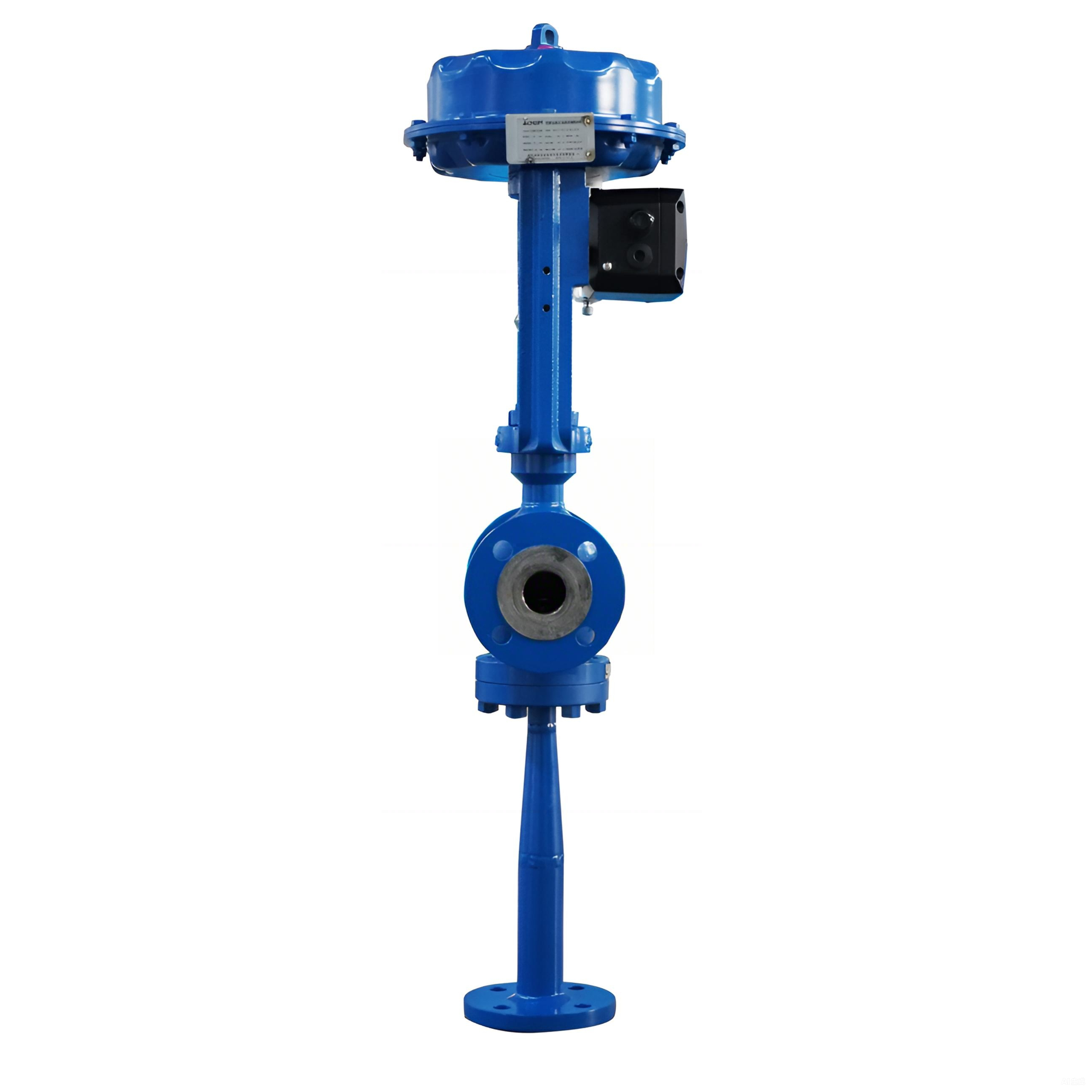
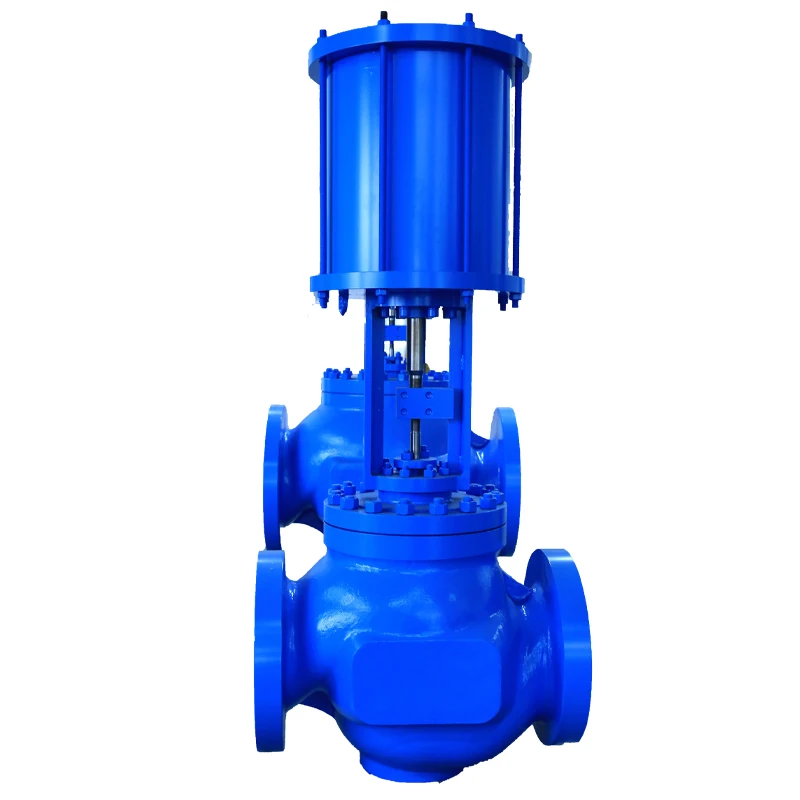
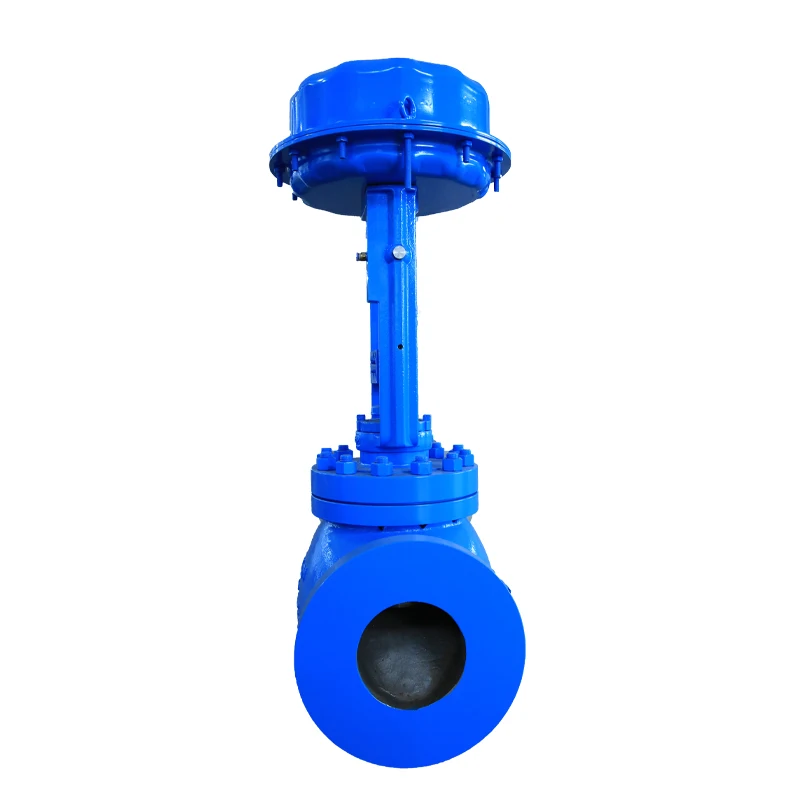
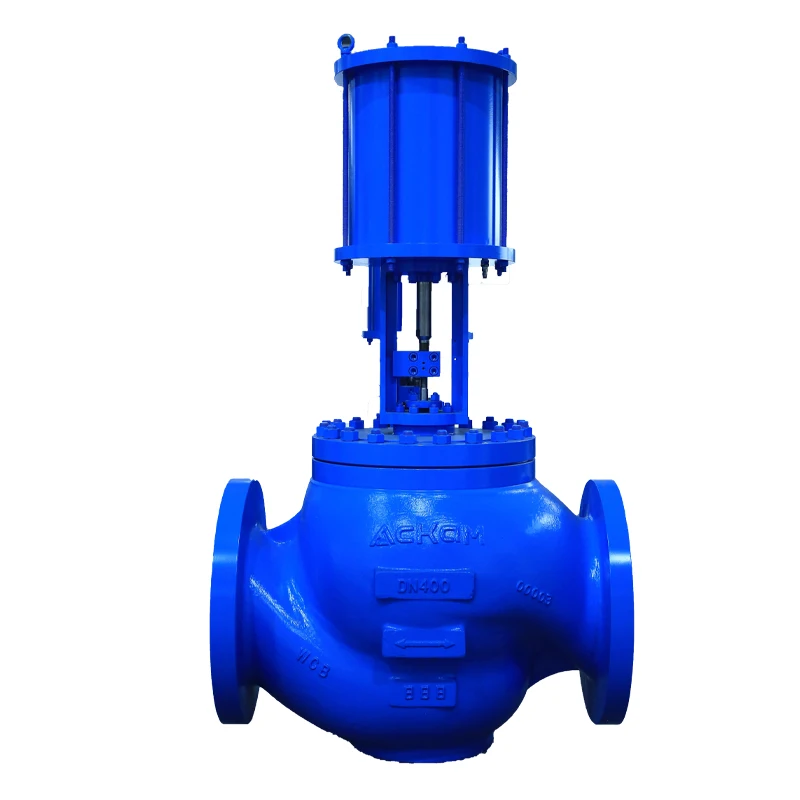
Steam ejection represents a revolutionary vacuum technology that utilizes the power of high-pressure steam to create vacuum conditions in various industrial processes. This innovative system operates on the principle of momentum transfer, where high-velocity steam jets entrain and remove gases, vapors, and non-condensable substances from enclosed spaces. The steam ejection mechanism consists of a converging-diverging nozzle design that accelerates steam to supersonic velocities, creating a powerful suction effect that draws materials through the system. The main functions of steam ejection include vacuum creation, gas compression, and material handling in industrial environments. This technology excels in removing air and other gases from process vessels, maintaining consistent vacuum levels, and handling corrosive or hazardous materials that would damage conventional mechanical pumps. The technological features of steam ejection systems include robust construction with no moving parts, simple operation requiring minimal maintenance, and exceptional reliability in harsh operating conditions. These systems can handle wide temperature ranges, corrosive atmospheres, and abrasive materials without performance degradation. Steam ejection finds extensive applications across multiple industries including chemical processing, petroleum refining, power generation, food processing, and pharmaceutical manufacturing. In chemical plants, steam ejection systems maintain vacuum conditions for distillation columns, evaporators, and crystallizers. The petroleum industry utilizes these systems for vacuum distillation processes and vapor recovery operations. Power plants employ steam ejection for condenser air removal and turbine gland sealing. Food processing facilities use this technology for vacuum drying, concentration processes, and packaging operations. The pharmaceutical sector benefits from steam ejection in freeze-drying applications, solvent recovery, and maintaining sterile environments. The versatility and reliability of steam ejection make it an indispensable technology for modern industrial operations requiring consistent vacuum performance.

New Product Releases

Steam ejection offers numerous compelling advantages that make it the preferred choice for industrial vacuum applications across diverse sectors. The primary benefit lies in its exceptional reliability, as steam ejection systems contain no moving parts, eliminating mechanical wear and reducing maintenance requirements significantly. This design characteristic translates into substantial cost savings for facility operators who no longer need to worry about bearing replacements, rotor balancing, or seal maintenance that plague conventional vacuum pumps. The operational simplicity of steam ejection systems ensures consistent performance with minimal operator intervention, allowing personnel to focus on other critical tasks while maintaining optimal vacuum conditions. Another significant advantage involves the system's ability to handle corrosive materials and harsh operating environments without degradation. Unlike mechanical pumps that suffer from chemical attack and erosion, steam ejection units withstand exposure to acids, alkalis, and abrasive particles without compromising performance or requiring frequent component replacements. This durability extends equipment lifespan and reduces total ownership costs substantially. Steam ejection systems demonstrate remarkable flexibility in handling varying load conditions, automatically adjusting to process demands without manual intervention or complex control systems. The technology excels in applications involving condensable vapors, effectively removing steam, solvents, and other vapors while maintaining stable vacuum levels throughout the process cycle. Energy efficiency represents another compelling advantage, as steam ejection utilizes existing plant steam supplies, integrating seamlessly with facility utilities and reducing overall energy consumption compared to electrically-driven alternatives. The inherently safe operation of steam ejection systems eliminates risks associated with mechanical failures, reducing insurance costs and improving workplace safety ratings. Installation flexibility allows steam ejection units to be positioned remotely from process equipment, reducing noise levels in work areas and enabling centralized maintenance strategies. The scalability of steam ejection technology accommodates everything from laboratory applications to massive industrial installations, providing consistent performance across all size ranges. Emergency backup capabilities ensure continued operation during power outages, maintaining critical vacuum conditions when electrical systems fail. These comprehensive advantages position steam ejection as the optimal solution for demanding industrial vacuum applications.

Practical Tips

Soaring to New Heights: AcKaM Industrial Surges in Billion-Dollar Market with 200% H1 Sales Growth

04

Nov

Soaring to New Heights: AcKaM Industrial Surges in Billion-Dollar Market with 200% H1 Sales Growth

View More
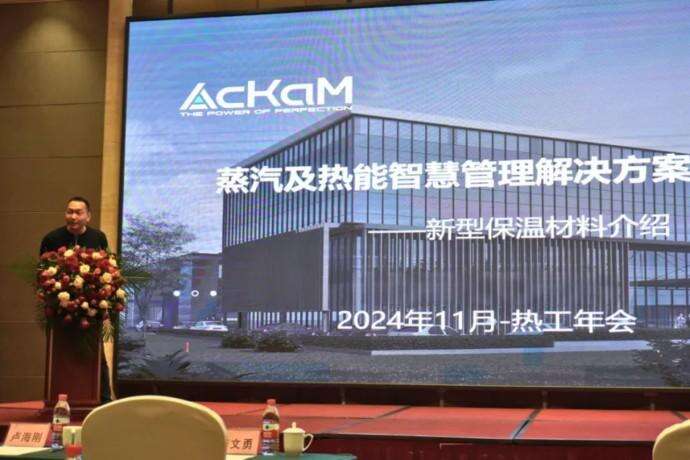
Innovation in Thermal Insulation Technology! AcKaM Delivers Keynote Speech at 2024 National Thermal Engineering Conference

05

Nov

Innovation in Thermal Insulation Technology! AcKaM Delivers Keynote Speech at 2024 National Thermal Engineering Conference

View More
AcKaM: Riding the Trillion-Yuan Wave to Pioneer Innovation

04

Nov

AcKaM: Riding the Trillion-Yuan Wave to Pioneer Innovation

View More

Get a Free Quote

Our representative will contact you soon.
Email
Name
Company Name
Message
0/1000

steam ejection

Zero Maintenance Revolutionary Design

Zero Maintenance Revolutionary Design

The revolutionary design of steam ejection systems represents a paradigm shift in industrial vacuum technology, offering unprecedented reliability through the complete elimination of moving parts. This innovative approach fundamentally changes how facilities approach maintenance planning and operational efficiency. Traditional vacuum systems require extensive maintenance schedules involving bearing lubrication, seal replacements, rotor balancing, and motor servicing, often resulting in unexpected downtime and significant maintenance costs. Steam ejection technology eliminates these concerns entirely through its static design principle, where high-velocity steam provides the motive force without any mechanical components subject to wear or failure. The absence of rotating elements means facilities can operate continuously for years without scheduled maintenance interventions, dramatically improving production reliability and reducing operational costs. This design advantage becomes particularly valuable in remote locations or hazardous environments where maintenance access is limited or dangerous. The robust construction of steam ejection systems withstands extreme operating conditions including high temperatures, corrosive atmospheres, and vibration-intensive environments that would quickly destroy conventional mechanical equipment. Facility managers appreciate the predictable operating costs associated with steam ejection, as maintenance budgets can be allocated to other critical systems rather than vacuum equipment upkeep. The elimination of mechanical wear also means consistent performance over the equipment's entire operational lifespan, unlike mechanical pumps that experience gradual performance degradation as components wear. This reliability advantage extends to reduced spare parts inventory requirements, as steam ejection systems need minimal replacement components compared to complex mechanical alternatives. The simplified design also reduces training requirements for maintenance personnel, as operation and troubleshooting procedures are straightforward and intuitive. Emergency repair situations are virtually eliminated, as the robust construction and absence of failure-prone components ensure continuous operation even under adverse conditions. This reliability translates directly into improved production efficiency and reduced total cost of ownership, making steam ejection the preferred choice for critical industrial applications where downtime is not acceptable.
Superior Corrosion Resistance Performance

Superior Corrosion Resistance Performance

Steam ejection systems deliver exceptional corrosion resistance performance that surpasses all conventional vacuum technologies, making them the ideal solution for aggressive industrial environments. This superior chemical resistance stems from the fundamental design approach where materials can be selected specifically for the process requirements without consideration for mechanical properties needed in rotating equipment. The absence of tight tolerances, precision machining, and moving parts allows steam ejection systems to be constructed from exotic alloys, ceramics, or specialized coatings that would be impractical or impossible to implement in mechanical vacuum pumps. Industries handling corrosive chemicals, acids, alkalis, or chlorinated compounds benefit tremendously from this chemical inertness, as steam ejection units maintain peak performance regardless of process fluid chemistry. The technology excels in applications involving hydrogen fluoride, sulfuric acid, hydrochloric acid, and other aggressive chemicals that rapidly destroy conventional vacuum equipment. Pharmaceutical manufacturers processing organic solvents, chemical plants handling reactive intermediates, and petrochemical facilities dealing with sour gases all rely on steam ejection's chemical compatibility for reliable operation. The corrosion resistance advantage extends beyond the primary materials to include all wetted surfaces, gaskets, and connections, ensuring complete system integrity even under the most demanding chemical exposure conditions. This chemical inertness eliminates product contamination concerns that plague mechanical systems with lubricants, seals, and metallic wear particles. Food and pharmaceutical applications particularly benefit from this contamination-free operation, maintaining product purity and regulatory compliance without compromise. The long-term economic benefits of corrosion resistance include extended equipment life, reduced replacement costs, and minimal process interruptions for equipment repairs or replacements. Facilities operating steam ejection systems in corrosive environments report operational lifespans measured in decades rather than years, providing exceptional return on investment. The ability to handle abrasive materials simultaneously with corrosive chemicals makes steam ejection uniquely suitable for challenging applications like catalyst regeneration, spent acid recovery, and waste treatment processes. This comprehensive chemical compatibility ensures consistent performance and eliminates the costly equipment failures and process contamination issues associated with chemically incompatible vacuum technologies.
Unmatched Operational Flexibility

Unmatched Operational Flexibility

Steam ejection technology provides unmatched operational flexibility that adapts seamlessly to changing process conditions and varying industrial requirements without compromising performance or efficiency. This exceptional adaptability results from the inherent design characteristics that automatically respond to process variations without complex control systems or manual adjustments. The technology handles dramatic fluctuations in gas loads, vapor compositions, and operating pressures while maintaining stable vacuum conditions throughout the process cycle. This automatic load following capability eliminates the need for sophisticated control systems and reduces operator intervention requirements significantly. Manufacturing facilities benefit from this flexibility during startup and shutdown procedures, as steam ejection systems accommodate the varying conditions without performance degradation or operational complications. The technology excels in batch processing applications where conditions change rapidly between process steps, automatically adjusting to maintain optimal vacuum levels regardless of load variations. Seasonal production changes, product mix variations, and capacity modifications are easily accommodated without equipment modifications or performance compromises. The scalability advantage allows single steam ejection designs to handle both minimum and maximum operating conditions, eliminating the need for multiple vacuum systems or complex staging arrangements. This flexibility extends to installation configurations, as steam ejection systems can be positioned remotely from process equipment, enabling optimal plant layout arrangements and reducing space requirements in congested areas. The technology accommodates both continuous and intermittent operation patterns without efficiency penalties, making it ideal for facilities with varying production schedules. Emergency operation capabilities ensure continued vacuum supply during utility interruptions, maintaining critical process conditions when other systems fail. The ability to handle multiple process streams simultaneously through manifold arrangements provides additional operational flexibility while reducing equipment costs and space requirements. Temperature variations are easily managed through steam ejection systems, as the technology operates effectively across wide temperature ranges without performance adjustments or special provisions. This thermal flexibility proves particularly valuable in processes involving temperature cycling or seasonal ambient condition changes. The inherently safe operation during abnormal conditions provides operational security that mechanical systems cannot match, automatically responding to process upsets without damage or safety concerns.

Get a Free Quote

Our representative will contact you soon.
Email
Name
Company Name
Message
0/1000