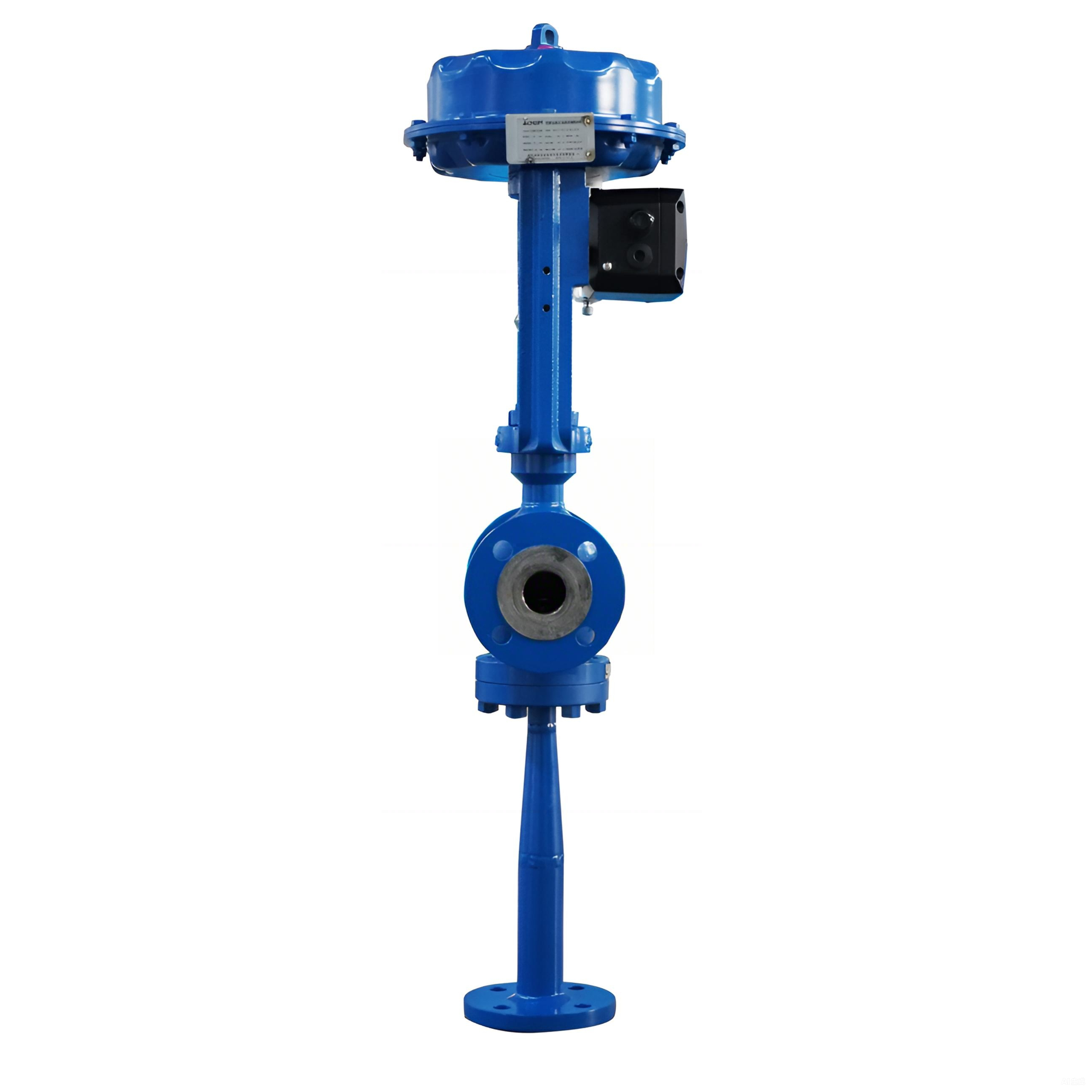
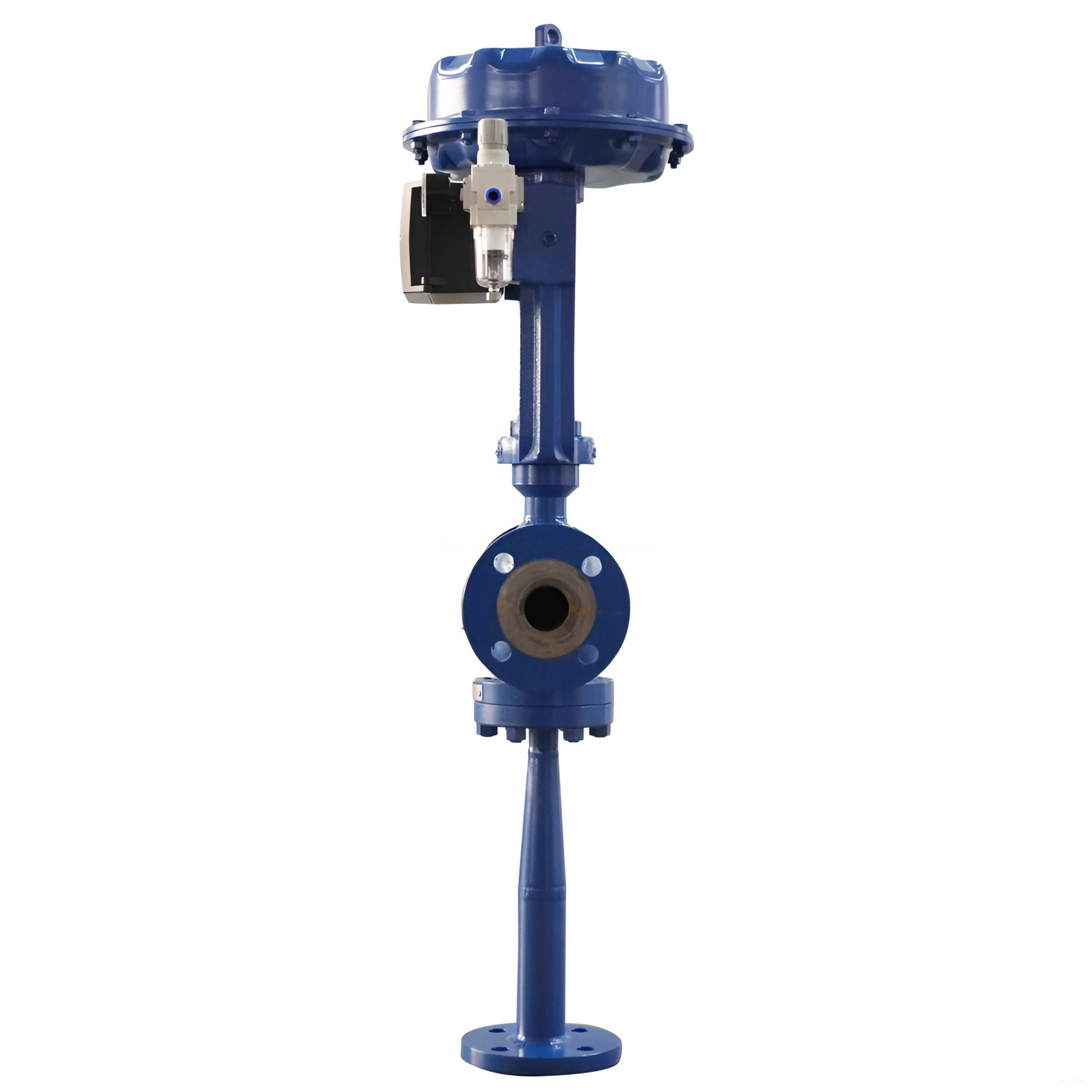
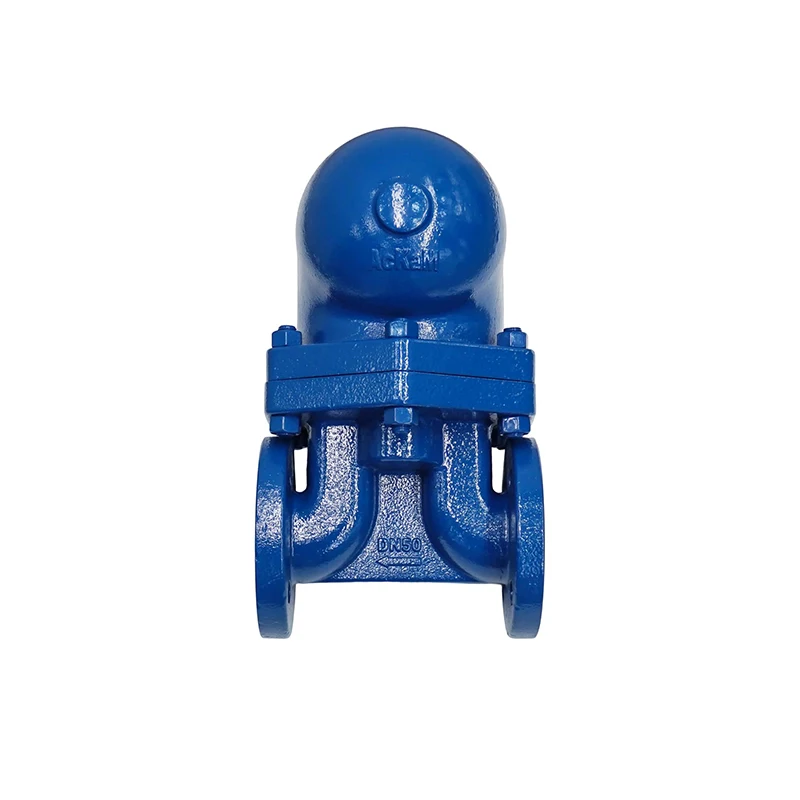
steam jet ejector vacuum system
The steam jet ejector vacuum system represents a sophisticated engineering solution designed to create and maintain vacuum conditions across diverse industrial applications. This innovative technology operates by utilizing high-pressure steam as the motive force to generate powerful suction capabilities, effectively removing gases, vapors, and non-condensable materials from enclosed systems. The steam jet ejector vacuum system functions through the fundamental principle of momentum transfer, where high-velocity steam jets entrain and compress the extracted gases before discharging them to atmosphere or condensing systems. The primary components include the steam nozzle, mixing chamber, diffuser section, and condensing unit, all precisely engineered to optimize performance efficiency. Key technological features encompass variable capacity control, multi-stage configurations for enhanced vacuum levels, and corrosion-resistant materials suitable for harsh operating environments. The system demonstrates exceptional reliability due to its simple mechanical design with no moving parts, eliminating the need for complex maintenance schedules and reducing operational downtime. Modern steam jet ejector vacuum systems incorporate advanced computational fluid dynamics in their design, ensuring optimal steam consumption rates while maximizing vacuum performance. These systems excel in handling wet gases, condensable vapors, and corrosive materials that would damage conventional mechanical vacuum pumps. The technology proves particularly effective in applications requiring continuous operation, high vacuum levels, and the ability to process large volumes of gas streams. Industrial sectors including chemical processing, petroleum refining, pharmaceutical manufacturing, and power generation extensively utilize steam jet ejector vacuum systems for their proven performance characteristics. The modular design approach allows for customized configurations tailored to specific process requirements, ensuring optimal integration with existing plant infrastructure while maintaining cost-effectiveness and operational flexibility.