Steam Jet Ejector Systems: Superior Industrial Vacuum Solutions for Maximum Efficiency

All Categories

Get a Free Quote

Our representative will contact you soon.
Email
Name
Company Name
Message
0/1000

steam jet ejector system

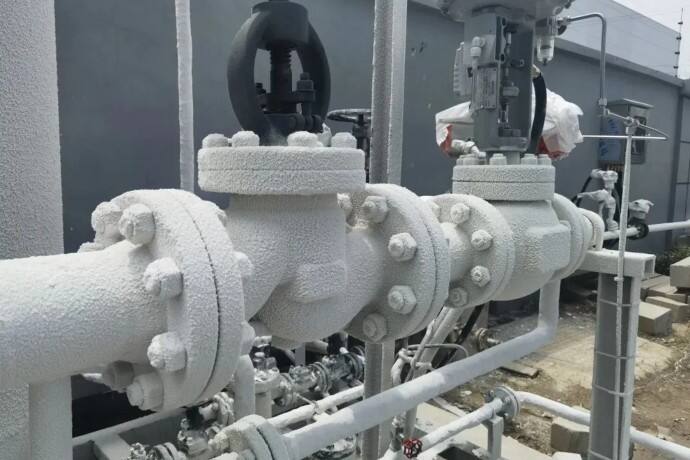
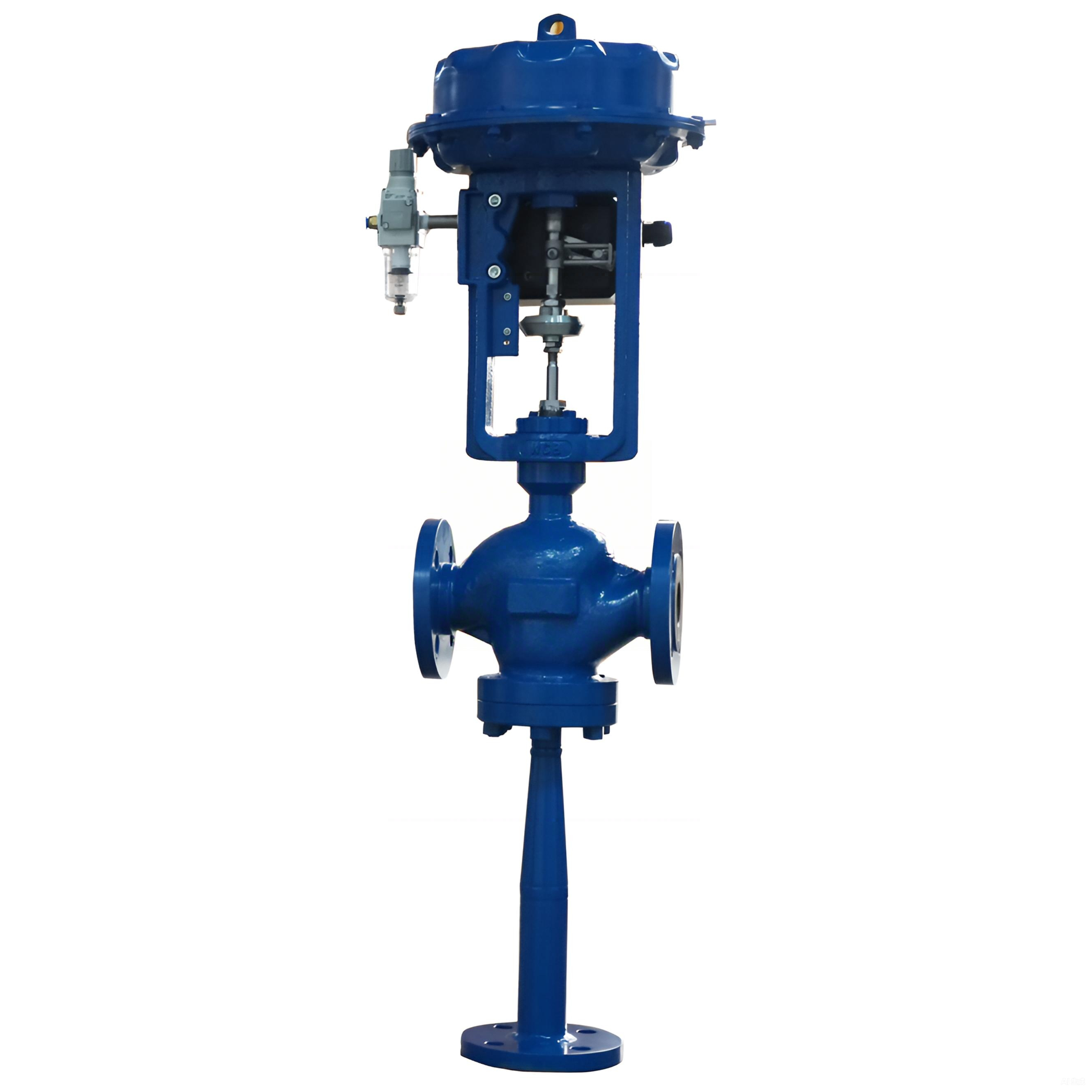
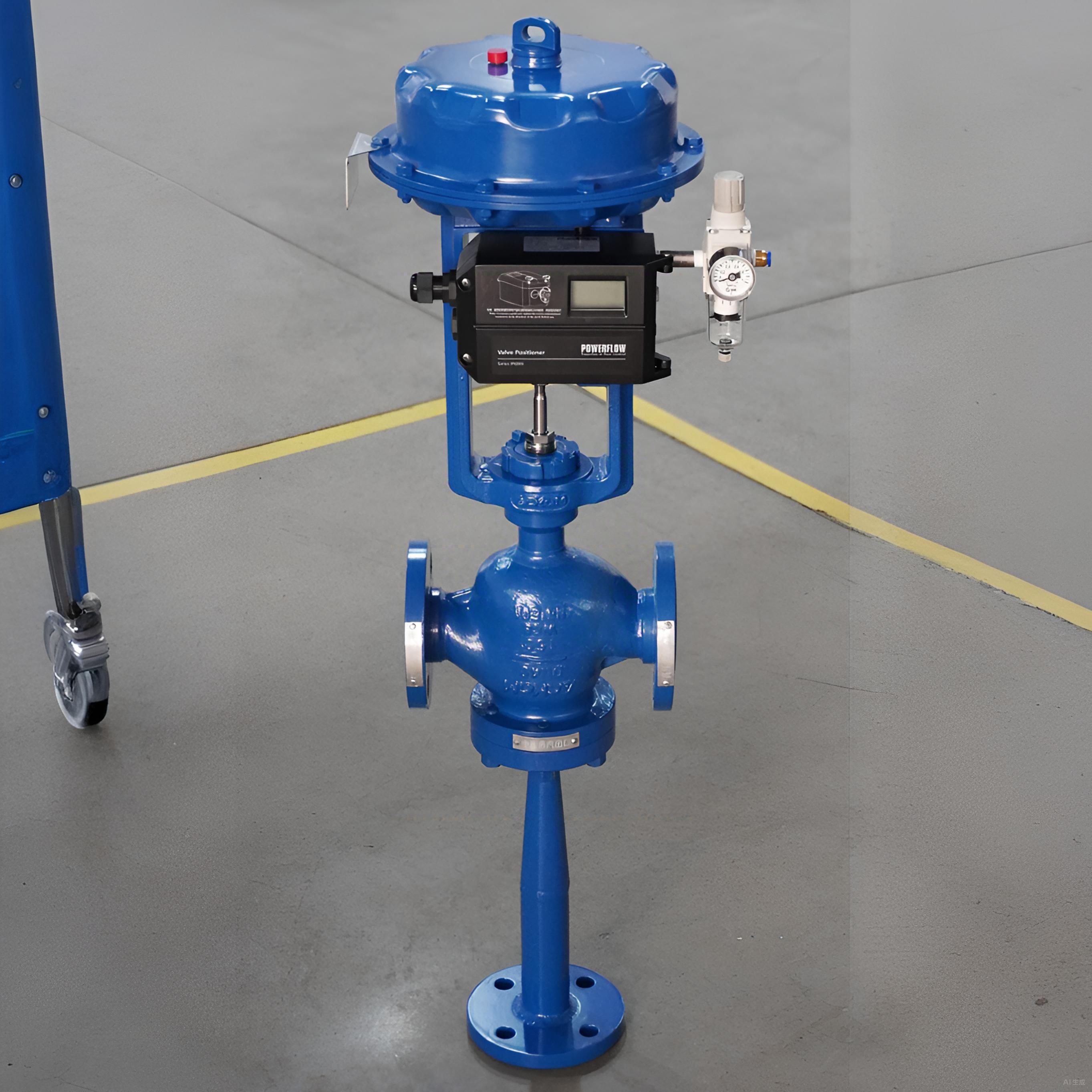
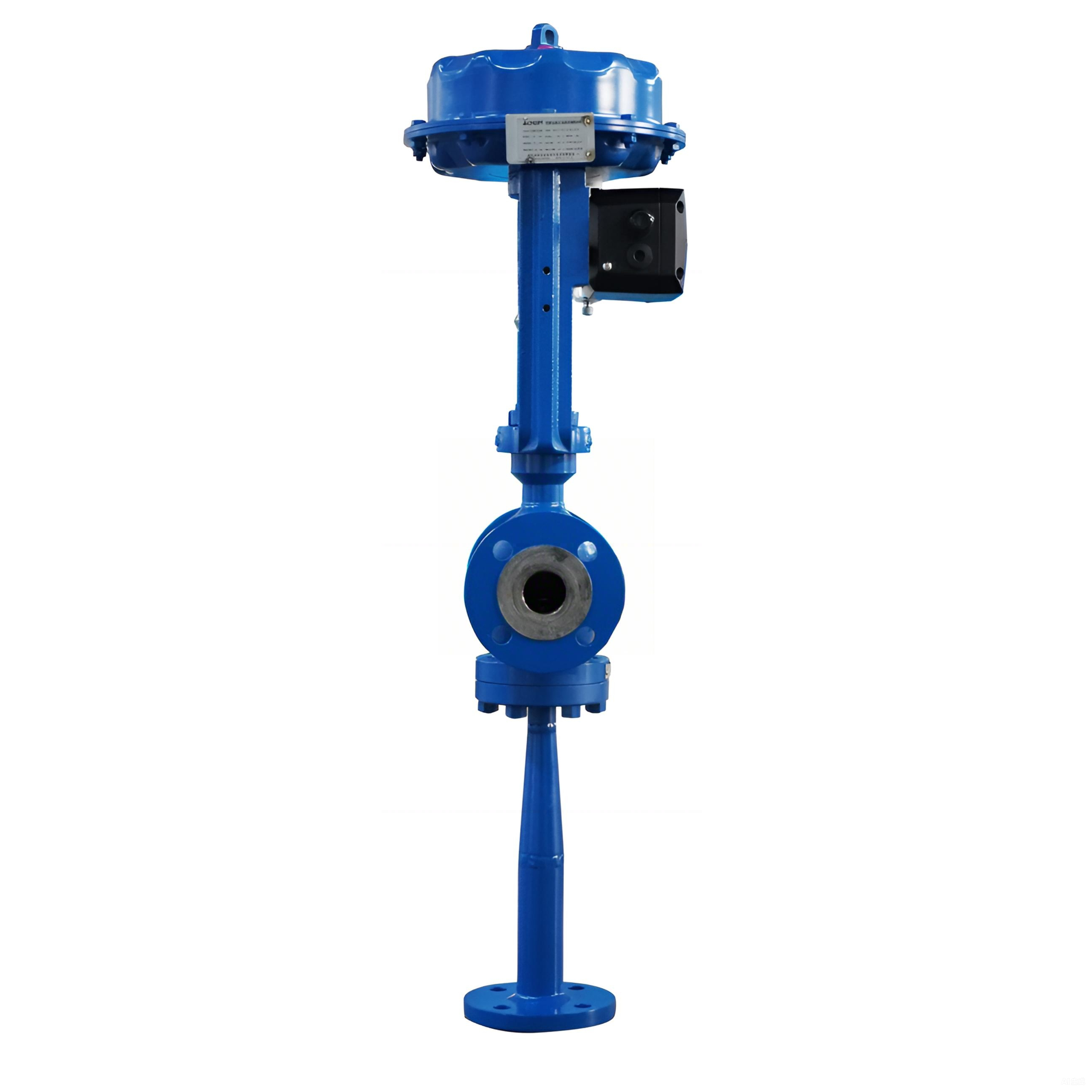
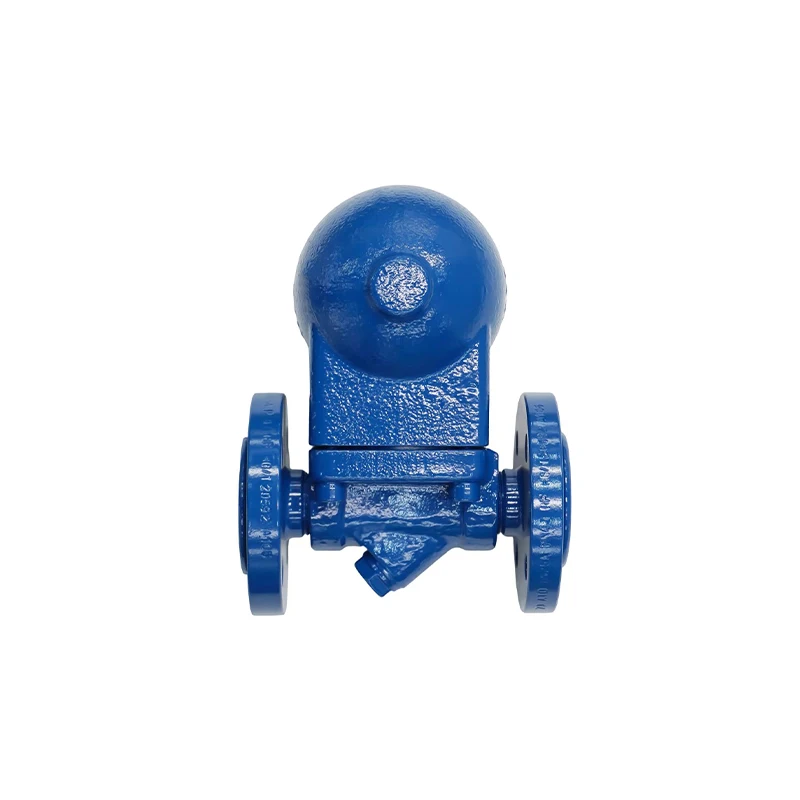
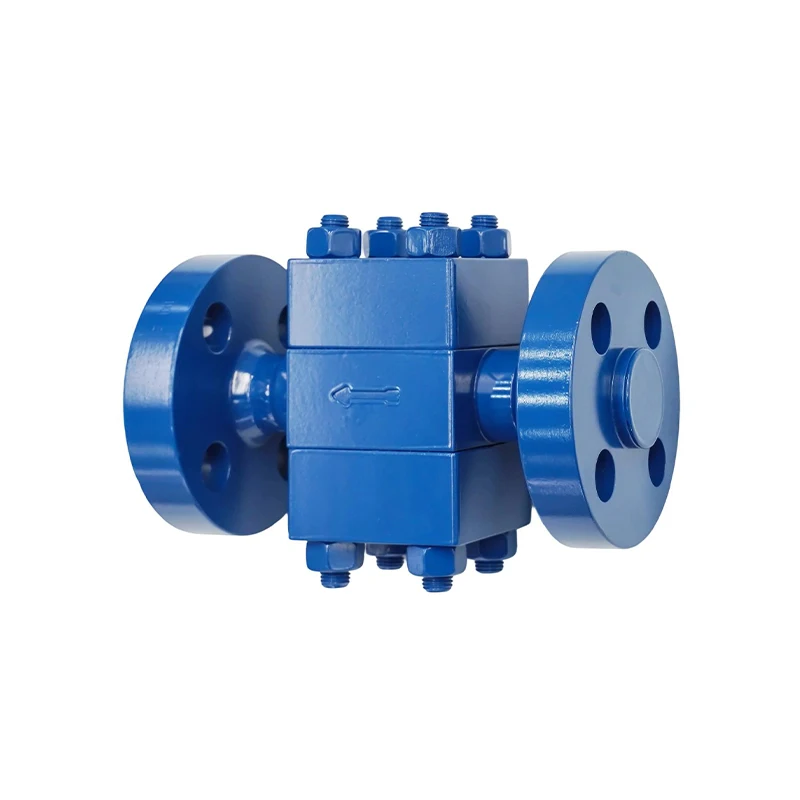
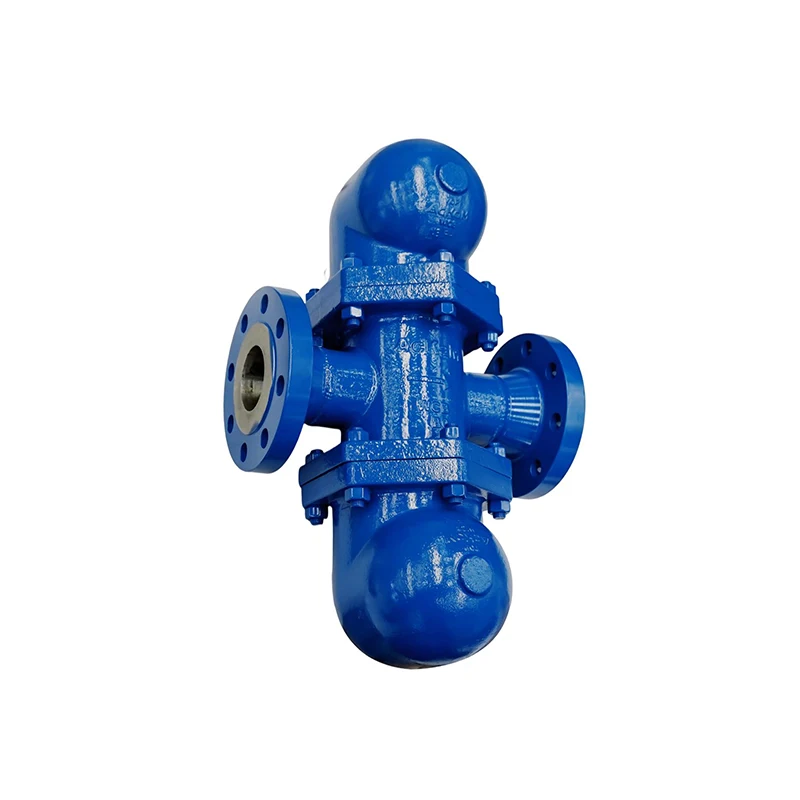
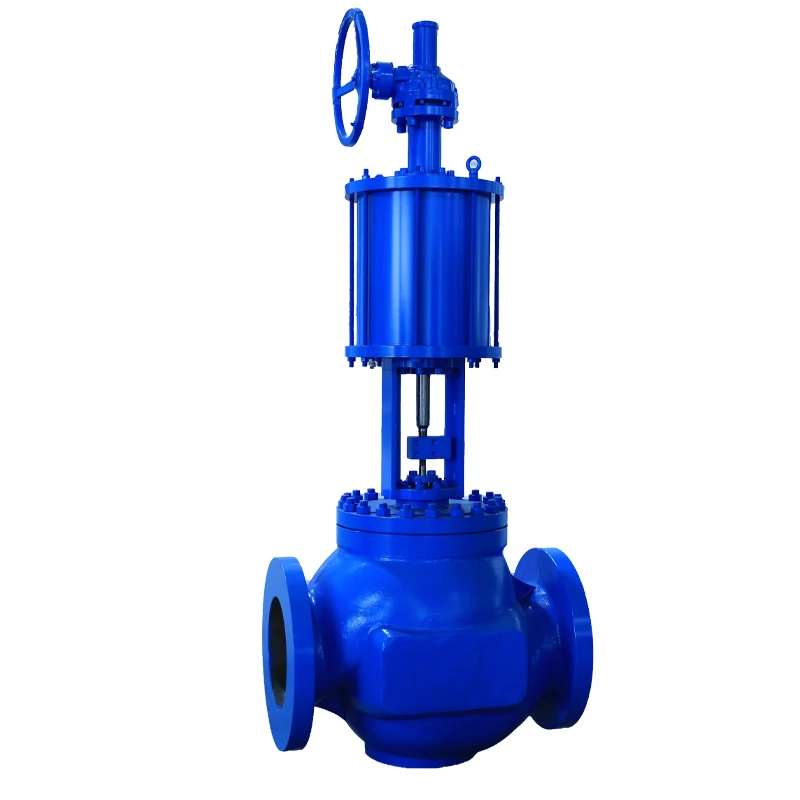
The steam jet ejector system represents a sophisticated vacuum-generating technology that harnesses the power of high-pressure steam to create effective suction capabilities across various industrial applications. This innovative system operates on the fundamental principle of fluid dynamics, utilizing the Venturi effect to convert steam energy into vacuum force. At its core, the steam jet ejector system consists of a converging-diverging nozzle design that accelerates steam to supersonic velocities, creating a low-pressure zone that efficiently removes gases, vapors, and other materials from enclosed spaces. The primary functions of this system include vacuum creation, gas compression, and material handling in demanding industrial environments. The technological features of the steam jet ejector system encompass robust construction materials, precise engineering tolerances, and adaptable configurations that accommodate diverse operational requirements. These systems demonstrate exceptional reliability in continuous operation scenarios, making them ideal for processes requiring consistent vacuum levels. The versatility of steam jet ejector systems extends to numerous applications including chemical processing, petroleum refining, power generation, pharmaceutical manufacturing, and food processing industries. In chemical plants, these systems facilitate distillation processes, solvent recovery, and reactor evacuation procedures. Petroleum refineries utilize steam jet ejector systems for crude oil processing, vacuum distillation, and catalyst regeneration operations. Power generation facilities employ these systems for condenser air removal and turbine auxiliary services. The pharmaceutical industry benefits from steam jet ejector systems in freeze-drying processes, sterile manufacturing environments, and active ingredient concentration procedures. Food processing applications include vacuum packaging, dehydration processes, and quality preservation techniques. The steam jet ejector system's ability to handle corrosive materials, high-temperature conditions, and varying load demands makes it an indispensable component in modern industrial operations where reliable vacuum generation is critical for operational success and product quality maintenance.
New Products

Steam jet ejector systems deliver remarkable operational benefits that significantly enhance industrial efficiency and reduce long-term costs for businesses across multiple sectors. These systems operate without moving mechanical parts, eliminating the maintenance requirements associated with traditional vacuum pumps and compressors. This design advantage translates directly into reduced downtime, lower maintenance expenses, and extended operational life spans that can exceed twenty years with proper care. The simplicity of construction means fewer components can fail, ensuring consistent performance and minimizing unexpected shutdowns that disrupt production schedules. Energy efficiency represents another compelling advantage, as steam jet ejector systems utilize existing steam infrastructure in most industrial facilities. This integration capability eliminates the need for additional electrical power systems, reducing overall energy consumption and operational costs. The systems efficiently convert readily available steam into powerful vacuum force, maximizing existing resource utilization while minimizing waste. Flexibility stands out as a crucial benefit, allowing operators to adjust vacuum levels and capacity requirements through simple steam pressure modifications. This adaptability enables facilities to respond quickly to changing production demands without extensive equipment modifications or replacements. The steam jet ejector system handles corrosive gases and high-temperature applications that would damage conventional vacuum equipment, protecting investments and ensuring consistent operation in challenging environments. Safety considerations favor steam jet ejector systems because they eliminate electrical hazards and reduce fire risks associated with motor-driven equipment. The absence of lubricants and moving parts prevents contamination issues critical in pharmaceutical and food processing applications. Installation costs remain lower compared to complex mechanical systems, as steam jet ejector systems require minimal supporting infrastructure and can be integrated into existing piping networks. The scalability of these systems accommodates facilities ranging from small pilot plants to large industrial complexes, providing consistent performance across various operational scales. Reliability in extreme conditions makes steam jet ejector systems ideal for remote locations where maintenance access is limited and equipment failure consequences are severe. The proven technology offers predictable performance characteristics that enable accurate process planning and consistent product quality maintenance across extended operational periods.

Latest News

Soaring to New Heights: AcKaM Industrial Surges in Billion-Dollar Market with 200% H1 Sales Growth

04

Nov

Soaring to New Heights: AcKaM Industrial Surges in Billion-Dollar Market with 200% H1 Sales Growth

View More
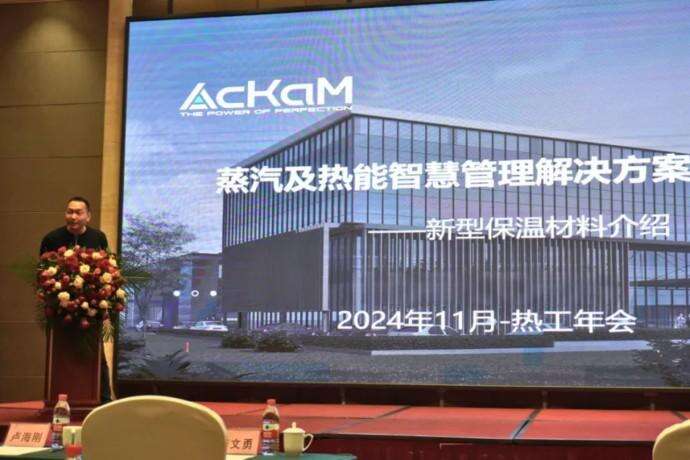
Innovation in Thermal Insulation Technology! AcKaM Delivers Keynote Speech at 2024 National Thermal Engineering Conference

05

Nov

Innovation in Thermal Insulation Technology! AcKaM Delivers Keynote Speech at 2024 National Thermal Engineering Conference

View More
AcKaM: Riding the Trillion-Yuan Wave to Pioneer Innovation

04

Nov

AcKaM: Riding the Trillion-Yuan Wave to Pioneer Innovation

View More

Get a Free Quote

Our representative will contact you soon.
Email
Name
Company Name
Message
0/1000

steam jet ejector system

Zero Moving Parts Design Ensures Maximum Reliability

Zero Moving Parts Design Ensures Maximum Reliability

The revolutionary design philosophy behind steam jet ejector systems centers on eliminating mechanical complexity through innovative engineering that relies solely on fluid dynamics principles. This zero moving parts approach fundamentally transforms industrial vacuum generation by removing common failure points that plague traditional mechanical vacuum systems. Unlike conventional pumps that depend on rotating impellers, sliding vanes, or reciprocating pistons, steam jet ejector systems achieve superior performance through carefully engineered nozzle geometries and steam flow optimization. The absence of bearings, seals, and rotating components means operators never face bearing failures, seal leakage, or mechanical wear that typically requires costly repairs and unexpected downtime. This design advantage becomes particularly valuable in continuous process industries where equipment reliability directly impacts production schedules and profit margins. The steam jet ejector system's construction utilizes robust materials selected for their resistance to thermal stress, corrosion, and mechanical fatigue, ensuring decades of trouble-free operation under demanding conditions. Manufacturing facilities benefit enormously from this reliability advantage because production planning becomes more predictable when equipment operates consistently without surprise failures. The engineering excellence extends to precise internal geometries that maintain optimal performance characteristics throughout the system's operational life, unlike mechanical systems that experience gradual performance degradation due to wear patterns. Maintenance teams appreciate the simplicity of steam jet ejector systems because routine inspections focus on external conditions rather than complex internal mechanisms requiring specialized tools and expertise. The reliability factor proves especially critical in remote installations where technical support access is limited and equipment failure consequences extend beyond immediate repair costs. Quality control processes benefit from consistent vacuum levels that steam jet ejector systems maintain without the performance variations common in aging mechanical equipment. The zero moving parts design philosophy represents a paradigm shift toward sustainable industrial equipment that prioritizes long-term operational excellence over short-term cost considerations.
Exceptional Chemical Compatibility and Temperature Resistance

Exceptional Chemical Compatibility and Temperature Resistance

Steam jet ejector systems demonstrate unparalleled chemical compatibility and temperature resistance capabilities that enable operation in the most challenging industrial environments where conventional vacuum equipment fails rapidly. The material selection process for these systems prioritizes corrosion resistance, ensuring compatibility with aggressive chemicals, acidic vapors, and caustic substances that would destroy traditional mechanical vacuum pumps within months. Advanced metallurgy options include stainless steel alloys, Hastelloy compositions, and specialized coatings that resist specific chemical attacks common in pharmaceutical, petrochemical, and specialty chemical processing applications. Temperature resistance extends from cryogenic conditions to extreme heat applications exceeding 500 degrees Celsius, providing operational flexibility unavailable with mechanical alternatives that require temperature-controlled environments for reliable operation. The steam jet ejector system's ability to handle corrosive process streams directly eliminates the need for expensive pre-treatment equipment, reducing capital costs and operational complexity while improving overall system reliability. Chemical processing facilities particularly value this compatibility because process optimization often involves corrosive intermediates that would require frequent equipment replacement using conventional vacuum technology. The temperature resistance capability enables steam jet ejector systems to operate effectively in high-temperature processes such as distillation operations, catalyst regeneration procedures, and thermal treatment applications where mechanical equipment would require extensive cooling systems and protective measures. Pharmaceutical manufacturers benefit from the chemical inertness that prevents cross-contamination between different product batches, ensuring regulatory compliance and product purity standards. The robust construction materials maintain their properties under thermal cycling conditions that cause stress fractures and premature failure in conventional equipment, extending operational life and reducing replacement costs. Petrochemical refineries utilize steam jet ejector systems for handling hydrogen sulfide, ammonia, and other corrosive compounds that rapidly degrade mechanical vacuum pumps, resulting in significant maintenance savings and improved operational reliability. The exceptional chemical compatibility eliminates concerns about material degradation that could introduce contaminants into sensitive processes, making steam jet ejector systems ideal for applications requiring absolute purity standards.
Superior Energy Efficiency Through Steam Integration

Superior Energy Efficiency Through Steam Integration

The energy efficiency advantages of steam jet ejector systems stem from their intelligent utilization of existing steam infrastructure, transforming readily available thermal energy into powerful vacuum generation while minimizing additional power requirements. Most industrial facilities already maintain steam distribution networks for heating, sterilization, and process applications, making steam jet ejector system integration seamless and cost-effective without requiring substantial electrical infrastructure investments. The thermodynamic efficiency of converting high-pressure steam energy directly into vacuum force surpasses the multi-step energy conversion processes required by electric motor-driven vacuum pumps that lose efficiency through electrical transmission, motor conversion, and mechanical operation stages. Energy optimization occurs through precise steam flow control that allows operators to match vacuum capacity with actual process demands, preventing the energy waste common in fixed-speed mechanical systems operating at partial loads. The steam jet ejector system's ability to utilize low-grade waste steam from other processes transforms previously discarded thermal energy into useful vacuum generation, improving overall facility energy utilization and reducing environmental impact. Power generation facilities particularly benefit from this integration capability because steam jet ejector systems can operate using extraction steam from turbines, improving plant thermal efficiency while providing necessary auxiliary services. The absence of electrical motor requirements eliminates power factor concerns, electrical maintenance costs, and the risk of power quality issues affecting vacuum system performance during electrical grid disturbances. Energy management becomes simplified because steam consumption correlates directly with vacuum demand, enabling precise cost allocation and process optimization based on actual thermal energy utilization rather than estimated electrical consumption patterns. Industrial facilities appreciate the load flexibility that allows steam jet ejector systems to operate efficiently across wide capacity ranges without the efficiency penalties associated with variable frequency drives and mechanical system turndown limitations. The energy efficiency extends to reduced cooling requirements because steam jet ejector systems operate without generating the heat loads characteristic of motor-driven equipment, decreasing facility air conditioning demands and improving overall energy balance. Long-term operational costs decrease significantly through steam energy utilization that often costs less than equivalent electrical power, especially in facilities with efficient steam generation capabilities and existing distribution infrastructure.

Get a Free Quote

Our representative will contact you soon.
Email
Name
Company Name
Message
0/1000