Steam Ejector Applications: Industrial Vacuum Solutions and Process Engineering

All Categories

Get a Free Quote

Our representative will contact you soon.
Email
Name
Company Name
Message
0/1000

the steam ejector is used to

The steam ejector is used to create vacuum systems and handle various industrial processes with remarkable efficiency and reliability. This sophisticated piece of equipment operates on the fundamental principle of converting steam energy into kinetic energy to generate suction and move gases, vapors, or liquids through industrial systems. The steam ejector is used to accomplish tasks that would otherwise require expensive mechanical pumps or complex machinery, making it an essential component in numerous manufacturing and processing facilities worldwide. The primary function of the steam ejector is used to create and maintain vacuum conditions in industrial applications. By utilizing high-pressure steam as the motive force, these devices can achieve vacuum levels ranging from moderate to deep vacuum, depending on the specific design and configuration. The steam ejector is used to remove non-condensable gases from condensers, evacuate air from process vessels, and handle corrosive or toxic materials safely. The technological features that make the steam ejector valuable include its simple construction with no moving parts, which translates to minimal maintenance requirements and exceptional durability. The steam ejector is used to operate continuously for extended periods without the mechanical wear associated with rotating equipment. These units typically consist of a steam nozzle, suction chamber, mixing section, and diffuser, all designed to optimize momentum transfer between the high-velocity steam jet and the entrained medium. Industrial applications where the steam ejector is used to provide solutions span across petrochemical plants, power generation facilities, pharmaceutical manufacturing, food processing, and marine industries. In power plants, the steam ejector is used to maintain condenser vacuum, improving overall thermal efficiency. Chemical processing facilities rely on steam ejectors for distillation column operations, reactor evacuation, and handling hazardous materials. The versatility of the steam ejector is used to address diverse operational requirements, from simple air removal to complex multi-stage vacuum systems that achieve extremely low absolute pressures for specialized manufacturing processes.
Popular Products

The steam ejector offers numerous compelling advantages that make it an preferred choice for industrial vacuum and fluid handling applications. The steam ejector is used to eliminate the need for complex mechanical systems, providing a cost-effective solution that reduces both initial investment and ongoing operational expenses. Unlike mechanical vacuum pumps that require regular maintenance, lubrication, and component replacement, the steam ejector is used to deliver consistent performance with minimal upkeep requirements. The absence of moving parts means there are no bearings to lubricate, no seals to replace, and no motors to service, resulting in significantly lower maintenance costs and reduced downtime. The steam ejector is used to handle corrosive, toxic, or explosive gases safely, as there are no mechanical components that could be damaged by aggressive chemicals or create ignition sources. This capability makes the steam ejector particularly valuable in chemical processing plants where safety is paramount. The robust construction allows the steam ejector to operate reliably in harsh environments, withstanding temperature fluctuations, vibrations, and chemical exposure that might damage sensitive mechanical equipment. Energy efficiency represents another significant advantage where the steam ejector is used to leverage existing steam infrastructure in industrial facilities. Many plants already generate steam for various processes, making the steam ejector an economical choice that utilizes available energy resources without requiring additional electrical power or fuel consumption. The steam ejector is used to provide variable capacity operation simply by adjusting steam pressure, offering operational flexibility that mechanical pumps cannot match without complex control systems. Installation simplicity is another benefit where the steam ejector is used to replace complicated mechanical systems. These units can be installed quickly with standard piping connections, requiring no special foundations, electrical connections, or sophisticated control systems. The steam ejector is used to start up instantly without warm-up periods or complex startup procedures, providing immediate vacuum when needed. The reliability factor cannot be overstated, as the steam ejector is used to operate continuously for months or years without intervention. This dependability is crucial in process industries where unexpected equipment failures can result in costly production shutdowns. The steam ejector is used to provide consistent performance across varying load conditions, maintaining stable vacuum levels even when process demands fluctuate. Environmental benefits also favor the steam ejector, as it produces no noise pollution and generates minimal environmental impact compared to electrically powered alternatives.

Latest News

Soaring to New Heights: AcKaM Industrial Surges in Billion-Dollar Market with 200% H1 Sales Growth

04

Nov

Soaring to New Heights: AcKaM Industrial Surges in Billion-Dollar Market with 200% H1 Sales Growth

View More
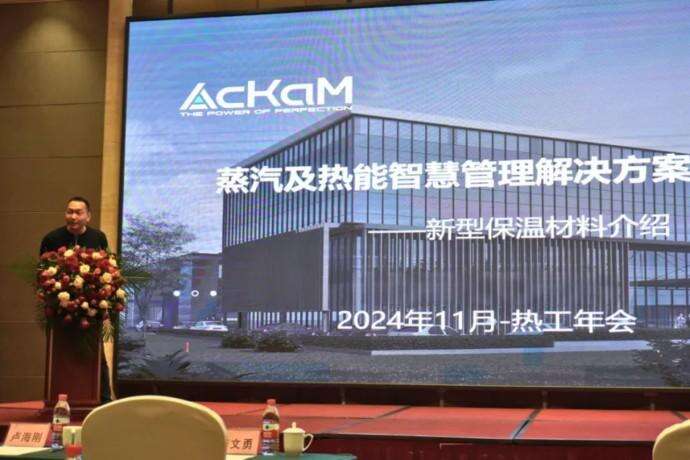
Innovation in Thermal Insulation Technology! AcKaM Delivers Keynote Speech at 2024 National Thermal Engineering Conference

05

Nov

Innovation in Thermal Insulation Technology! AcKaM Delivers Keynote Speech at 2024 National Thermal Engineering Conference

View More
AcKaM: Riding the Trillion-Yuan Wave to Pioneer Innovation

04

Nov

AcKaM: Riding the Trillion-Yuan Wave to Pioneer Innovation

View More

Get a Free Quote

Our representative will contact you soon.
Email
Name
Company Name
Message
0/1000

the steam ejector is used to

Maintenance-Free Operation with Zero Moving Parts

Maintenance-Free Operation with Zero Moving Parts

The steam ejector is used to provide unparalleled operational reliability through its ingenious design that eliminates all moving mechanical components. This fundamental advantage sets the steam ejector apart from conventional vacuum pumps and fluid handling equipment that rely on complex rotating assemblies, reciprocating mechanisms, or sliding components. The steam ejector is used to achieve this maintenance-free operation through its simple yet effective construction, consisting entirely of stationary elements including the steam nozzle, suction chamber, mixing zone, and discharge diffuser. The absence of moving parts means there are no bearings to wear out, no seals to deteriorate, no impellers to balance, and no motors to burn out. Industries that implement the steam ejector experience dramatic reductions in maintenance costs, as there are no scheduled maintenance intervals requiring equipment shutdown, no replacement parts to stock, and no specialized maintenance personnel needed for complex mechanical repairs. The steam ejector is used to operate continuously for years without any maintenance intervention beyond occasional inspection and cleaning. This reliability translates directly into improved plant availability and reduced operational costs. Manufacturing facilities report maintenance savings of up to 80 percent compared to mechanical alternatives when the steam ejector is used to replace conventional vacuum systems. The simplicity also means that plant operators require minimal training to understand and operate these systems effectively. Emergency repairs and unexpected failures become virtually non-existent when the steam ejector is used to handle critical process applications. The robust design withstands operational stresses, temperature cycling, and process upsets that would damage delicate mechanical equipment. Industries processing corrosive materials particularly benefit from this design, as the steam ejector is used to eliminate the seal and bearing failures that plague mechanical pumps in aggressive chemical environments. The economic impact of this maintenance-free operation compounds over time, as facilities avoid the hidden costs associated with unplanned downtime, emergency repairs, and productivity losses that result from mechanical equipment failures.
Superior Chemical Resistance and Safety Performance

Superior Chemical Resistance and Safety Performance

The steam ejector is used to provide exceptional safety and chemical resistance capabilities that make it indispensable in hazardous and corrosive industrial environments. Unlike mechanical pumps with rubber seals, metal bearings, and lubricants that can be attacked by aggressive chemicals, the steam ejector is used to handle the most challenging substances without component degradation or safety risks. The all-metal construction allows the steam ejector to be fabricated from specialized alloys that resist specific chemical attacks, including stainless steel, Hastelloy, Inconel, or other exotic materials tailored to particular applications. Chemical processing plants rely on the steam ejector to handle hydrogen chloride, ammonia, sulfuric acid vapors, and other substances that would quickly destroy mechanical equipment. The steam ejector is used to eliminate the risk of chemical leakage through shaft seals or gaskets, as there are no dynamic sealing points where aggressive chemicals could escape into the environment or contaminate lubricating oils. This containment capability is crucial for environmental compliance and worker safety in pharmaceutical, petrochemical, and specialty chemical manufacturing facilities. Explosive or flammable atmospheres benefit from the steam ejector because it generates no sparks, creates no electrical hazards, and produces no hot surfaces that could serve as ignition sources. The steam ejector is used to safely evacuate volatile organic compounds, hydrogen gas, and other explosive mixtures without the fire risks associated with electric motors or mechanical friction. Process safety management programs favor the steam ejector because it eliminates multiple failure modes that could result in chemical releases or safety incidents. The inherent safety design means the steam ejector cannot experience mechanical failures that might cause sudden pressure surges, equipment rupture, or loss of containment. Toxic material handling becomes significantly safer when the steam ejector is used to create and maintain vacuum conditions, as there are no mechanical seals that could fail and allow dangerous substances to escape. Emergency shutdown procedures are simplified, as the steam ejector stops operating immediately when steam supply is interrupted, providing fail-safe operation that enhances overall process safety and regulatory compliance.
Energy Efficiency and Operational Flexibility

Energy Efficiency and Operational Flexibility

The steam ejector is used to deliver outstanding energy efficiency and operational flexibility that provides significant advantages over mechanical alternatives in appropriate applications. The energy efficiency stems from the steam ejector's ability to utilize existing steam infrastructure that most industrial facilities already maintain for heating, sterilization, and other process requirements. Rather than requiring additional electrical power or dedicated energy sources, the steam ejector is used to leverage this available energy resource, often utilizing lower-pressure steam that might otherwise be vented or condensed without productive use. This approach maximizes overall plant energy efficiency by extracting useful work from steam before it completes its thermodynamic cycle. The steam ejector is used to provide variable capacity operation simply by modulating steam pressure or flow rate, offering precise control over vacuum levels and gas handling capacity without the complexity of variable frequency drives or mechanical throttling systems. Process operators can adjust performance instantly to match changing production requirements, seasonal variations, or product mix changes. The operational flexibility extends to startup and shutdown procedures, where the steam ejector is used to begin operation immediately upon steam admission without warm-up periods, priming sequences, or complex initialization procedures that mechanical equipment requires. This instant-start capability proves invaluable during process upsets, emergency conditions, or batch operations where rapid response is essential. Load following characteristics allow the steam ejector to automatically adjust to varying suction loads without operator intervention or sophisticated control systems. The steam ejector is used to handle wide variations in gas composition, temperature, and flow rates that might cause mechanical pumps to surge, cavitate, or operate inefficiently. Multi-stage configurations enable the steam ejector to achieve very low absolute pressures while maintaining high efficiency across the entire operating range. Energy recovery opportunities exist where the steam ejector discharge can be used for heating applications, preheating feedwater, or other thermal processes, further improving overall energy utilization. The absence of electrical power requirements means the steam ejector continues operating during power outages, providing emergency vacuum capability for critical safety systems or process shutdown procedures that protect equipment and maintain safe operating conditions.

Get a Free Quote

Our representative will contact you soon.
Email
Name
Company Name
Message
0/1000