Steam Ejector Vacuum Systems: Reliable, Efficient Industrial Vacuum Solutions

All Categories

Get a Free Quote

Our representative will contact you soon.
Email
Name
Company Name
Message
0/1000

steam ejector vacuum system

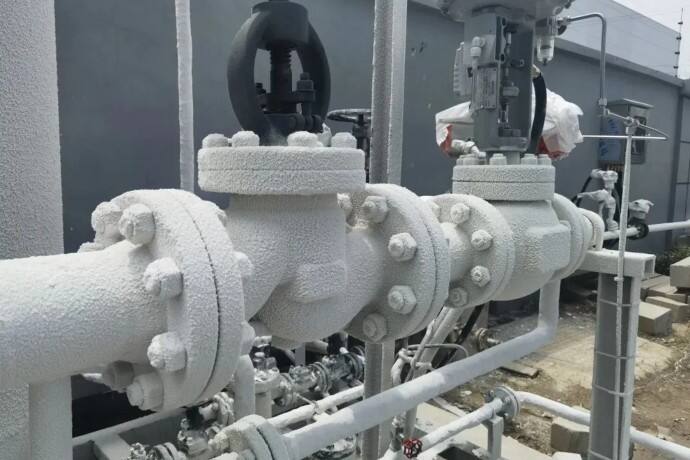
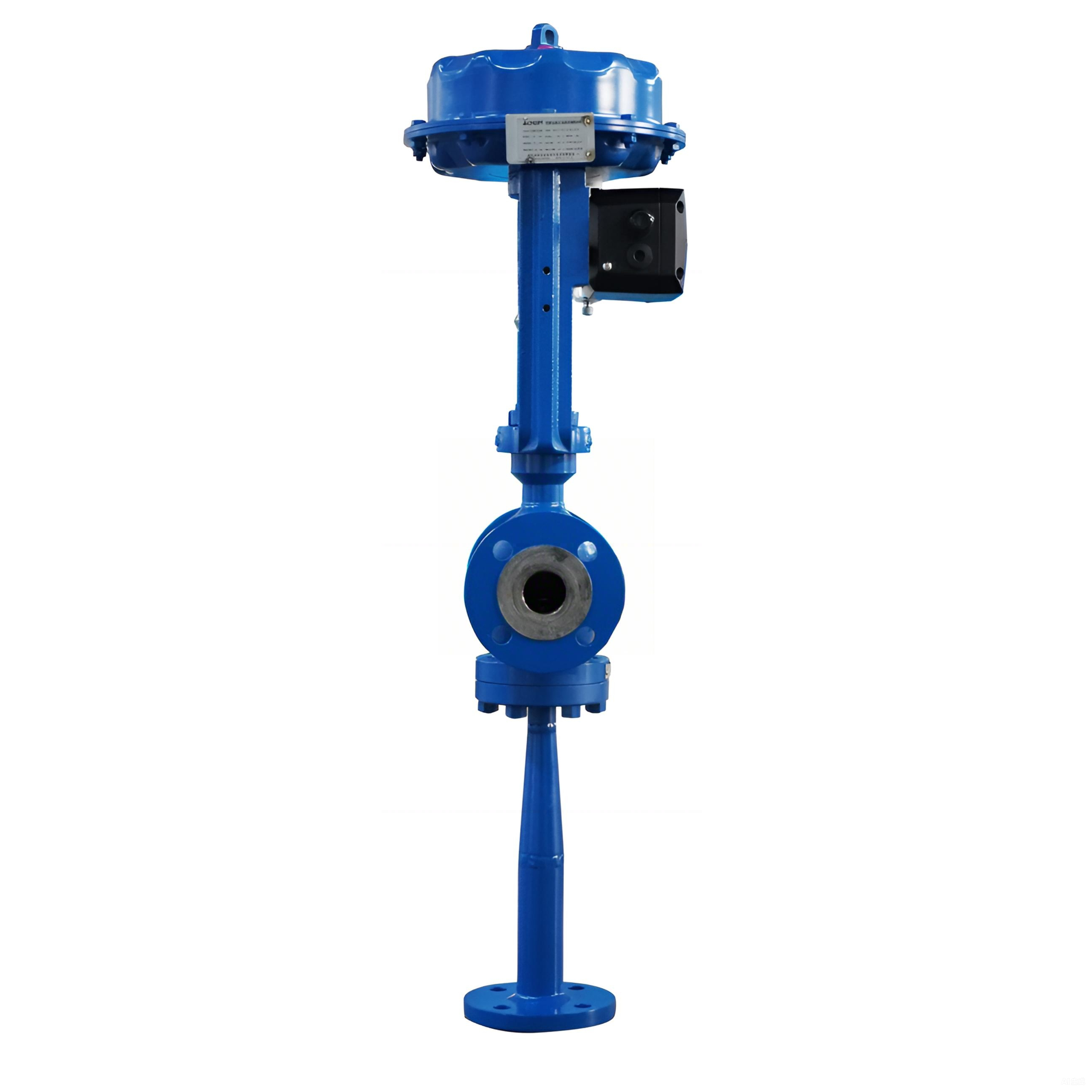
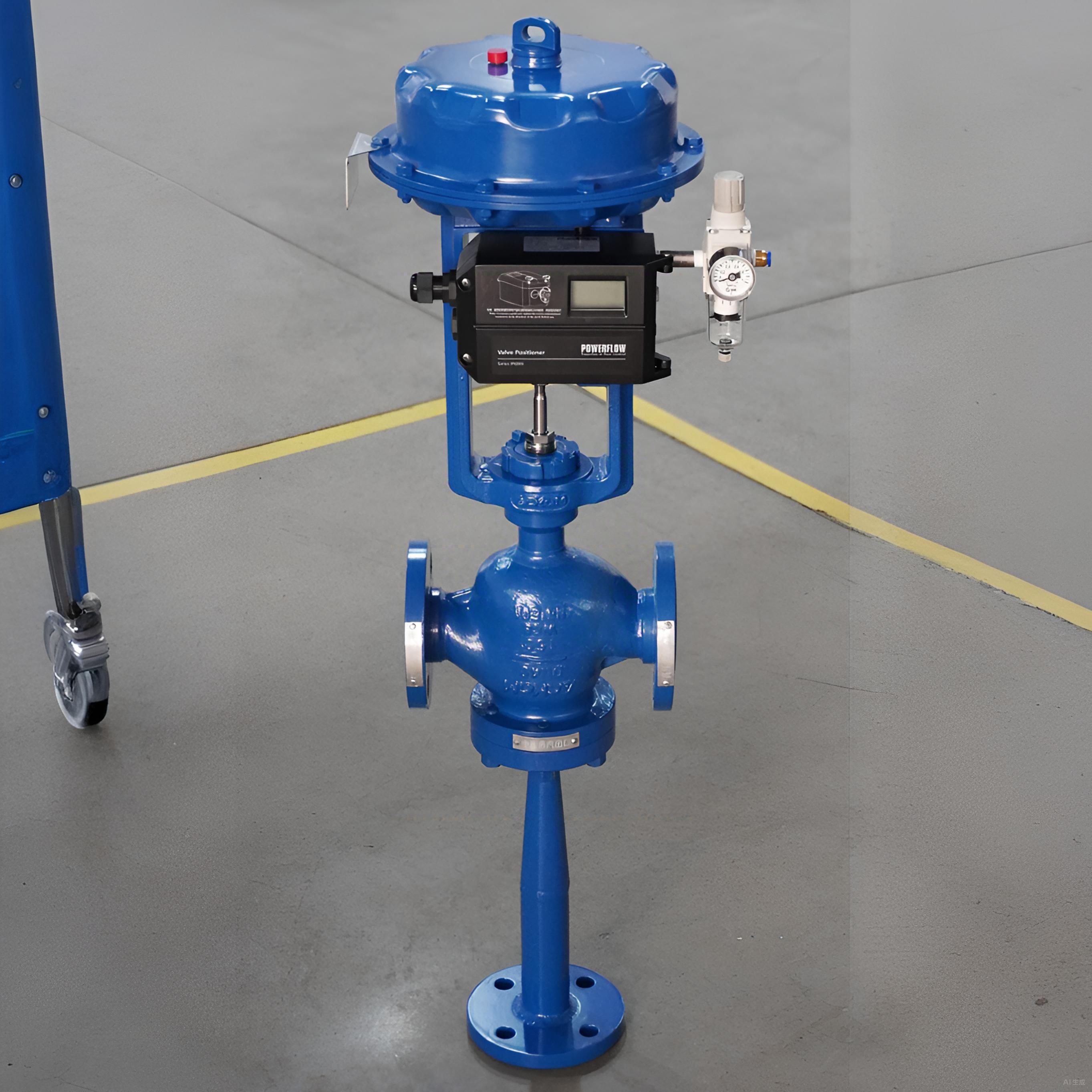
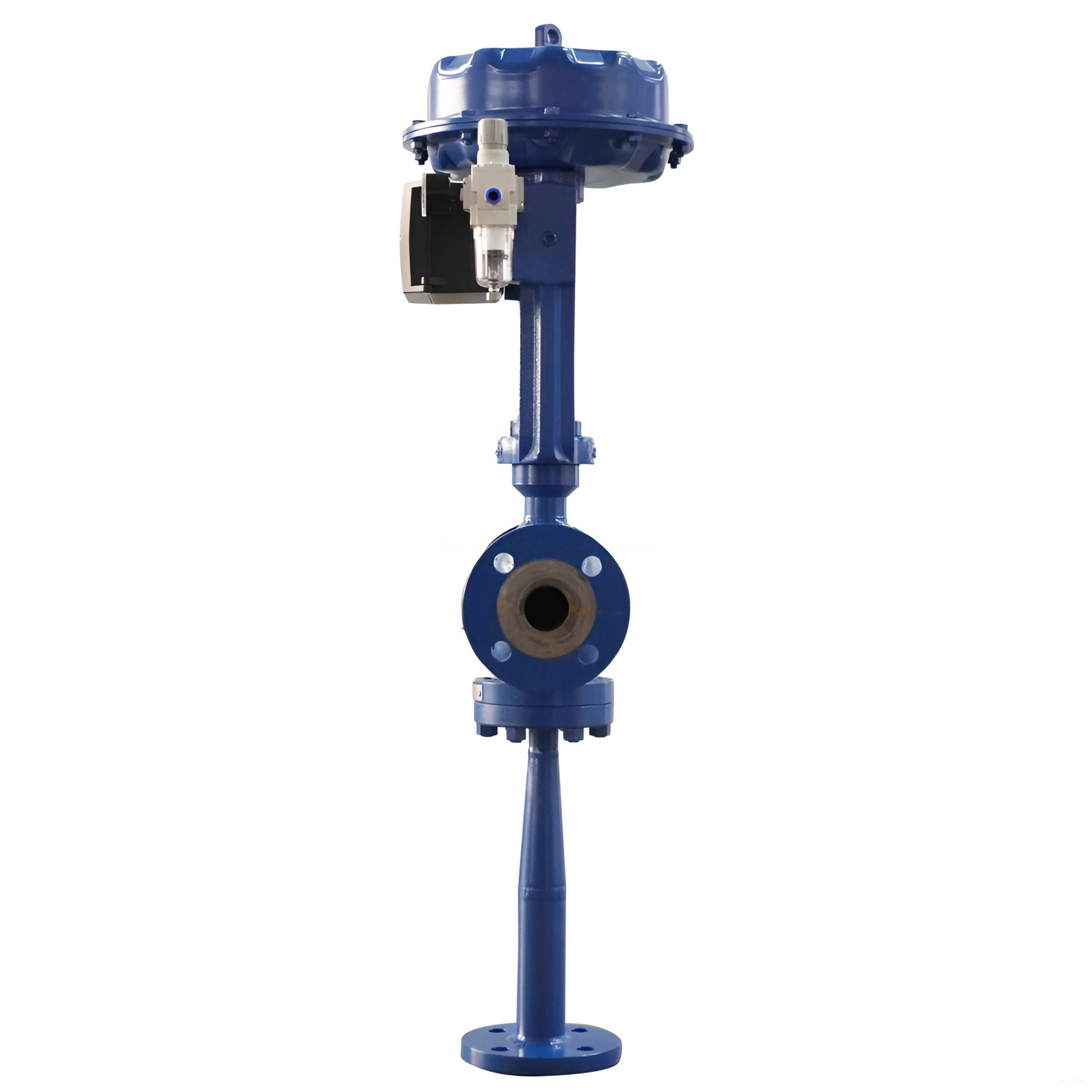
A steam ejector vacuum system represents a highly efficient and reliable method for creating and maintaining vacuum conditions across diverse industrial applications. This sophisticated technology harnesses the power of high-pressure steam to generate vacuum through the Venturi effect, eliminating the need for mechanical pumps or complex electrical components. The steam ejector vacuum system operates by directing pressurized steam through specially designed nozzles, creating a high-velocity jet that entrains air and other gases from the evacuated space. As the steam expands and accelerates through the ejector, it creates a low-pressure zone that effectively draws out atmospheric gases, achieving remarkable vacuum levels. The primary functions of a steam ejector vacuum system encompass vacuum creation, gas removal, and pressure maintenance across various industrial processes. These systems excel in applications requiring continuous operation, handling corrosive gases, and managing high-temperature environments where traditional vacuum pumps might fail. Key technological features include multiple-stage configurations that progressively increase vacuum levels, intercondensers that enhance efficiency by removing steam between stages, and robust construction materials that withstand harsh operating conditions. The steam ejector vacuum system finds extensive applications in petroleum refining, chemical processing, power generation, food processing, and pharmaceutical manufacturing. In refineries, these systems facilitate crude oil distillation and vacuum distillation processes. Chemical plants utilize steam ejector vacuum systems for distillation columns, crystallization processes, and solvent recovery operations. Power plants employ them for condenser air removal and turbine vacuum maintenance. The food industry benefits from these systems in freeze-drying, concentration processes, and packaging applications. Pharmaceutical companies rely on steam ejector vacuum systems for sterile processing, solvent recovery, and active ingredient purification. The versatility and reliability of steam ejector vacuum systems make them indispensable in industries where consistent vacuum performance directly impacts product quality and operational efficiency.
New Product Recommendations

Steam ejector vacuum systems deliver exceptional advantages that make them superior choices for industrial vacuum applications. These systems operate with remarkable simplicity, containing no moving mechanical parts that require regular maintenance or replacement. This design characteristic translates to significantly reduced maintenance costs and extended operational lifespans compared to traditional mechanical vacuum pumps. The absence of rotating components eliminates the risk of mechanical failure, ensuring continuous operation even in demanding industrial environments. Steam ejector vacuum systems demonstrate outstanding reliability under extreme conditions, including high temperatures, corrosive atmospheres, and contaminated gas streams that would quickly damage conventional pumps. The robust construction and materials used in these systems enable them to handle aggressive chemicals, acidic vapors, and particulate-laden gases without degradation or performance loss. Energy efficiency represents another compelling advantage, as steam ejector vacuum systems utilize readily available plant steam, often from waste heat recovery systems or existing boiler capacity. This integration with existing steam infrastructure eliminates the need for additional electrical power consumption associated with mechanical pumps, resulting in substantial energy cost savings. The scalability of steam ejector vacuum systems allows for easy capacity adjustments by modifying steam pressure or adding additional stages, providing flexible solutions that adapt to changing process requirements. These systems excel in applications requiring deep vacuum levels, achieving pressures as low as 1 mmHg absolute through multi-stage configurations. The instantaneous startup capability of steam ejector vacuum systems eliminates lengthy warm-up periods, enabling rapid response to process demands and improved operational flexibility. Safety benefits include the elimination of electrical hazards in explosive atmospheres, as these systems operate purely on steam pressure without electrical components in the vacuum zone. The self-cleaning action of high-velocity steam jets prevents fouling and contamination buildup, maintaining consistent performance over extended periods. Cost-effectiveness extends beyond initial installation, as steam ejector vacuum systems require minimal spare parts inventory and can operate for years without major overhauls. The environmental benefits include reduced noise levels compared to mechanical pumps and the ability to condense and recover valuable solvents or chemicals from the evacuated gases. These systems also demonstrate exceptional versatility in handling varying gas compositions and flow rates without performance degradation.

Tips And Tricks

Soaring to New Heights: AcKaM Industrial Surges in Billion-Dollar Market with 200% H1 Sales Growth

04

Nov

Soaring to New Heights: AcKaM Industrial Surges in Billion-Dollar Market with 200% H1 Sales Growth

View More
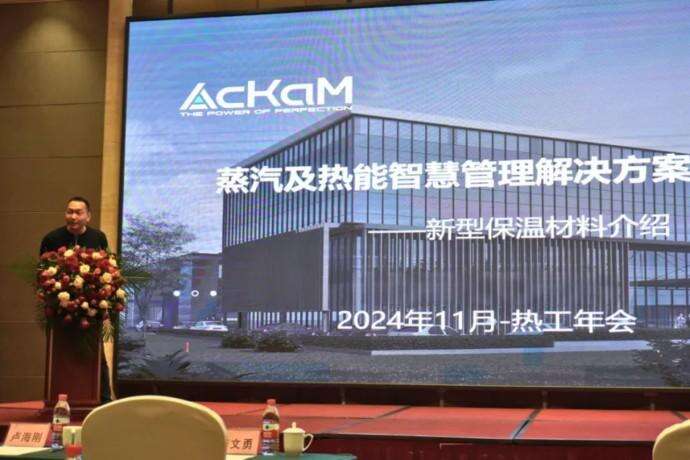
Innovation in Thermal Insulation Technology! AcKaM Delivers Keynote Speech at 2024 National Thermal Engineering Conference

05

Nov

Innovation in Thermal Insulation Technology! AcKaM Delivers Keynote Speech at 2024 National Thermal Engineering Conference

View More
AcKaM: Riding the Trillion-Yuan Wave to Pioneer Innovation

04

Nov

AcKaM: Riding the Trillion-Yuan Wave to Pioneer Innovation

View More

Get a Free Quote

Our representative will contact you soon.
Email
Name
Company Name
Message
0/1000

steam ejector vacuum system

Maintenance-Free Operation with Superior Reliability

Maintenance-Free Operation with Superior Reliability

The steam ejector vacuum system stands out in industrial applications due to its revolutionary maintenance-free design that eliminates the common operational challenges associated with traditional mechanical vacuum pumps. Unlike conventional systems that rely on rotating components, bearings, seals, and complex mechanical assemblies, the steam ejector vacuum system operates with zero moving parts, creating an inherently reliable solution that significantly reduces operational disruptions and maintenance expenses. This innovative design approach means that facilities can achieve continuous vacuum performance without the typical concerns of mechanical wear, lubrication requirements, or component replacement schedules that plague traditional pumping systems. The absence of mechanical components translates to exceptional longevity, with many steam ejector vacuum systems operating effectively for decades with minimal intervention. This reliability proves particularly valuable in critical industrial processes where vacuum system failures can result in costly production shutdowns, product quality issues, or safety concerns. The robust construction typically features corrosion-resistant materials such as stainless steel or specialized alloys that withstand harsh chemical environments, high temperatures, and aggressive process conditions that would quickly degrade mechanical pumps. Industries processing corrosive chemicals, handling high-temperature applications, or operating in contaminated environments benefit tremendously from this durability. The maintenance-free operation extends beyond the primary ejector components to include simplified auxiliary systems, as steam ejector vacuum systems require fewer control systems, monitoring devices, and safety interlocks compared to mechanical alternatives. This simplicity reduces the overall system complexity, minimizing potential failure points and reducing the technical expertise required for operation. Additionally, the predictable performance characteristics of steam ejector vacuum systems enable accurate process planning and consistent product quality, as operators can rely on stable vacuum levels without the performance variations common in aging mechanical pumps. The economic impact of this reliability extends throughout the facility lifecycle, from reduced maintenance labor costs and spare parts inventory to improved production uptime and product quality consistency.
Energy Efficiency Through Steam Integration

Energy Efficiency Through Steam Integration

Steam ejector vacuum systems deliver remarkable energy efficiency by seamlessly integrating with existing plant steam infrastructure, transforming what might otherwise be waste energy into productive vacuum generation capability. This integration represents a fundamental advantage over electric-driven mechanical pumps, as steam ejector vacuum systems can utilize low-pressure steam, waste steam, or steam from combined heat and power systems that would otherwise be vented or condensed without productive use. The thermodynamic efficiency of these systems becomes particularly apparent when considering the total energy balance of industrial facilities, where steam generation often serves multiple purposes including heating, processing, and now vacuum creation. Modern steam ejector vacuum systems incorporate advanced design features such as inter-stage condensers that maximize steam utilization efficiency by condensing steam between ejector stages, reducing the total steam consumption while maintaining optimal vacuum performance. These condensers not only improve energy efficiency but also enable the recovery of high-quality condensate that can be returned to the boiler system, further enhancing overall plant efficiency. The energy optimization extends to variable operating conditions, as steam ejector vacuum systems can efficiently handle fluctuating vacuum demands by adjusting steam pressure or utilizing multiple parallel ejectors that can be brought online as needed. This operational flexibility prevents energy waste associated with oversized systems running at partial capacity. Furthermore, the elimination of electrical power requirements for the primary vacuum generation removes the associated electrical infrastructure costs, including motor controls, variable frequency drives, and electrical safety systems. The energy efficiency advantages become even more pronounced in facilities with existing steam generation capacity, where the marginal cost of steam for vacuum generation is significantly lower than the cost of electrical power for mechanical pumps. Environmental benefits accompany these energy efficiencies, as reduced electrical consumption translates to lower carbon emissions, particularly in regions where electrical power generation relies on fossil fuels. The steam ejector vacuum system also enables more effective utilization of renewable energy sources when steam generation incorporates biomass, solar thermal, or other sustainable energy inputs.
Versatile Performance Across Demanding Applications

Versatile Performance Across Demanding Applications

The steam ejector vacuum system demonstrates exceptional versatility in handling the most challenging industrial applications where conventional vacuum pumps struggle or fail entirely. This versatility stems from the unique operational characteristics that enable these systems to process corrosive gases, handle high-temperature applications, manage contaminated streams, and maintain consistent performance across widely varying operating conditions. Unlike mechanical pumps that suffer degradation when exposed to aggressive chemicals or particulates, steam ejector vacuum systems actually benefit from the continuous steam flow that provides a self-cleaning action, preventing fouling and maintaining optimal performance even when processing dirty or contaminated gases. This capability proves invaluable in chemical processing applications where reactive gases, acid vapors, or solvent streams would quickly damage mechanical pump components, seals, and lubricants. The temperature tolerance of steam ejector vacuum systems far exceeds that of conventional pumps, enabling direct connection to high-temperature processes without the need for intermediate cooling systems or heat exchangers that add complexity and reduce efficiency. This high-temperature capability makes steam ejector vacuum systems ideal for applications such as distillation columns, evaporators, and drying processes where maintaining elevated temperatures throughout the vacuum system improves process efficiency and product quality. The scalability of steam ejector vacuum systems allows for precise matching of vacuum capacity to process requirements through multi-stage configurations, parallel ejector arrangements, or variable steam pressure control. This flexibility enables a single system design to accommodate varying production rates, seasonal demand changes, or process modifications without requiring complete system replacement. The deep vacuum capability of properly designed steam ejector vacuum systems reaches levels that challenge even the most sophisticated mechanical pumps, with multi-stage systems achieving absolute pressures below 1 mmHg while maintaining stable operation. Process integration benefits include the ability to handle non-condensable gases effectively, manage varying gas compositions without performance degradation, and provide instantaneous response to changing vacuum demands. The chemical compatibility of steam ejector vacuum systems extends to virtually any process gas, as the system materials can be selected to match specific application requirements, and the steam provides a buffer between process gases and system components.

Get a Free Quote

Our representative will contact you soon.
Email
Name
Company Name
Message
0/1000