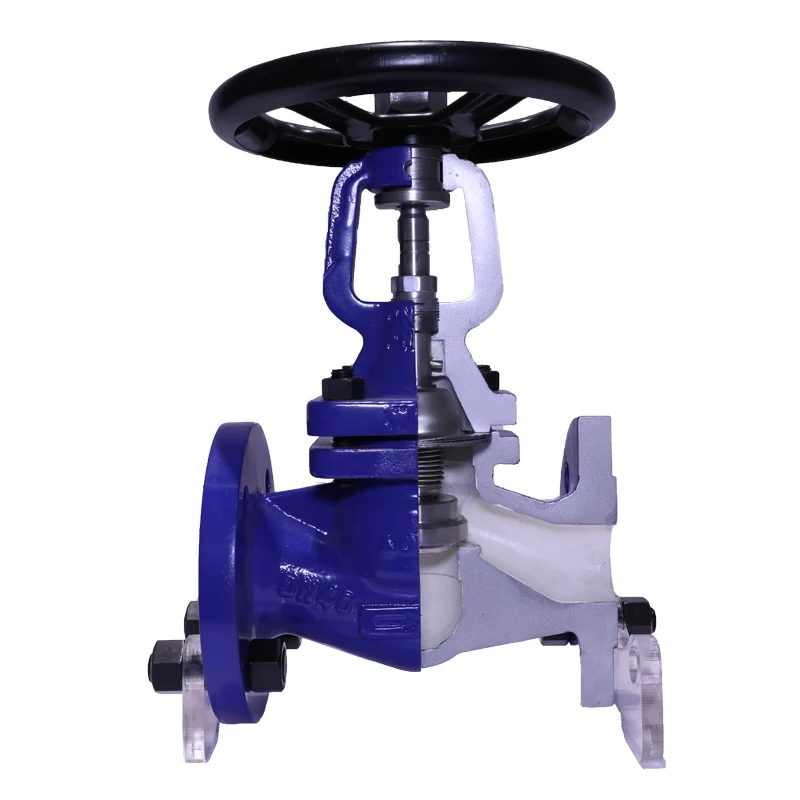
Steam Air Ejector Systems: Industrial Vacuum Solutions with Zero Moving Parts

All Categories

Get a Free Quote

Our representative will contact you soon.
Email
Name
Company Name
Message
0/1000

steam air ejector

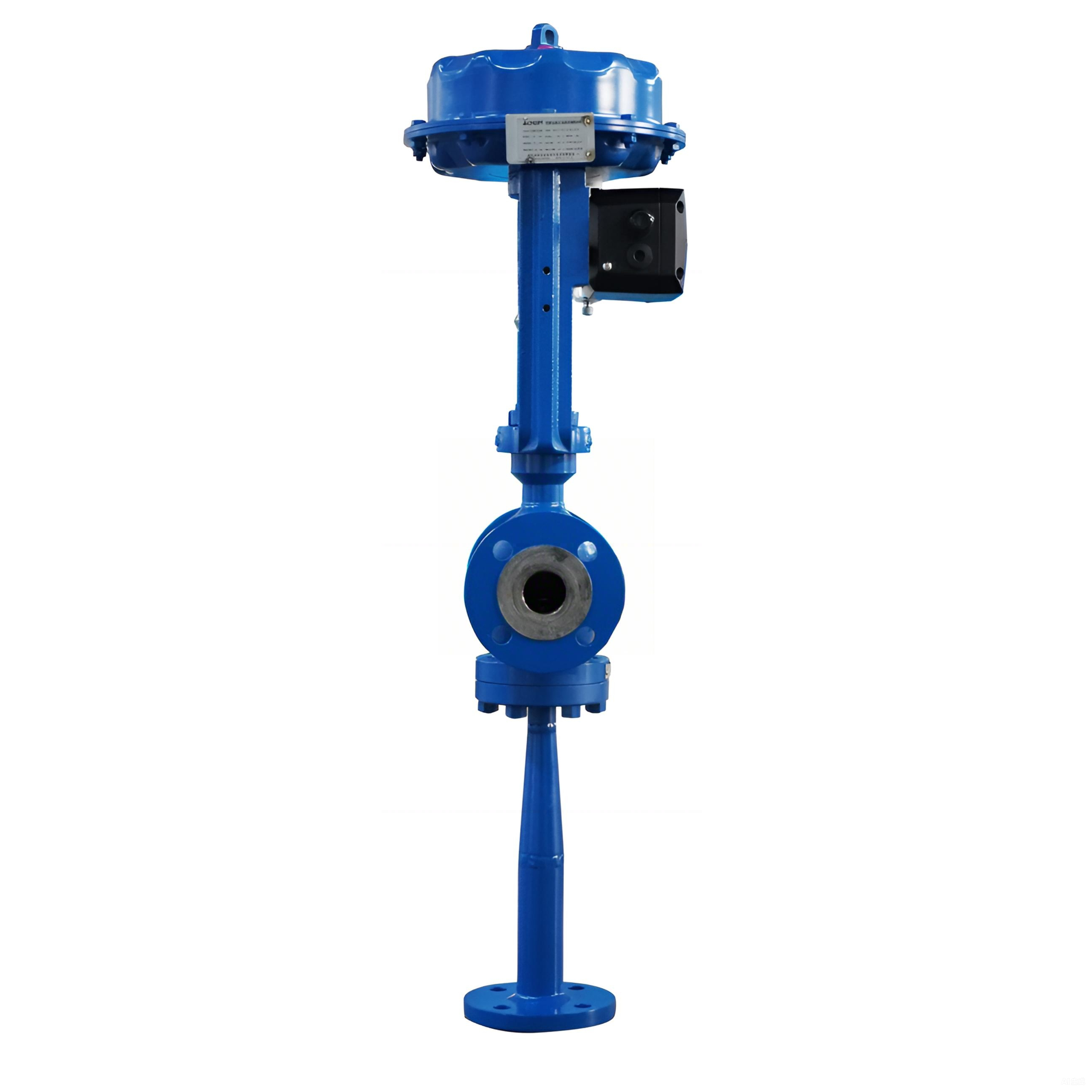
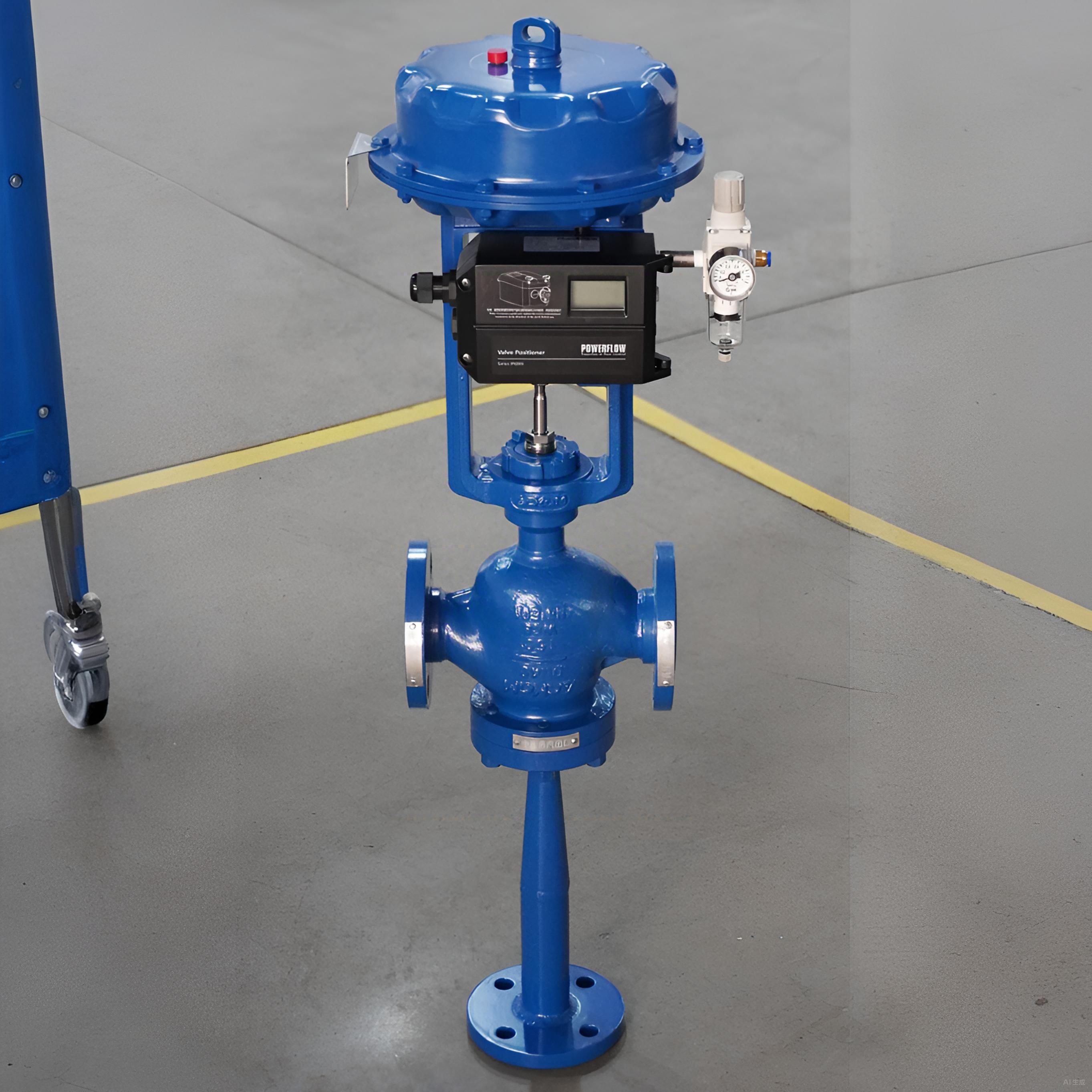
The steam air ejector stands as a critical component in industrial vacuum systems, utilizing high-pressure steam to create powerful suction capabilities. This robust device operates on the venturi principle, where pressurized steam flows through specially designed nozzles to generate vacuum conditions by entraining air and non-condensable gases. The steam air ejector consists of several key components including the steam nozzle, suction chamber, diffuser, and condensing section, all engineered to maximize efficiency and performance. The primary function of a steam air ejector involves removing air and gases from closed systems, particularly in applications where maintaining vacuum conditions is essential. These systems excel in handling large volumes of air while maintaining consistent vacuum levels, making them indispensable in power generation facilities, chemical processing plants, and various manufacturing operations. The technological features of steam air ejectors include their ability to handle varying loads, operate continuously without mechanical wear, and function effectively across different temperature ranges. Unlike mechanical vacuum pumps, steam air ejectors contain no moving parts, which significantly reduces maintenance requirements and operational complexity. The design incorporates multiple stages when deeper vacuum levels are required, with each stage progressively increasing the vacuum depth. Modern steam air ejector systems often integrate advanced control mechanisms that automatically adjust steam flow rates based on system demands, optimizing energy consumption while maintaining desired vacuum levels. The versatility of these systems extends to their ability to handle corrosive gases and vapors that would damage conventional mechanical pumps. Applications span across diverse industries including petroleum refining, where steam air ejectors remove non-condensable gases from distillation columns, and in power plants where they maintain condenser vacuum for optimal turbine efficiency. The reliability and durability of steam air ejectors make them particularly valuable in continuous operation environments where downtime must be minimized.

New Product Recommendations

Steam air ejectors offer numerous compelling advantages that make them the preferred choice for industrial vacuum applications across multiple sectors. The most significant benefit lies in their exceptional reliability, as these systems contain absolutely no moving parts, eliminating mechanical wear and the associated maintenance challenges that plague traditional vacuum pumps. This design characteristic translates directly into reduced operational costs, as facilities can operate steam air ejectors continuously for years without requiring major repairs or component replacements. The absence of mechanical components also means these systems can handle aggressive chemicals, corrosive vapors, and high-temperature gases that would quickly damage conventional pumping equipment. Energy efficiency represents another major advantage, particularly when waste steam or low-pressure steam is readily available on-site. Steam air ejectors can effectively utilize existing steam infrastructure, converting what might otherwise be waste energy into productive vacuum generation. This capability provides substantial cost savings compared to electrically driven alternatives, especially in facilities where steam is already being produced for other processes. The operational flexibility of steam air ejectors exceeds that of mechanical systems, as they can instantly respond to varying load conditions without complex startup procedures or warm-up periods. When vacuum demand increases, operators simply adjust steam flow rates to achieve the required performance levels immediately. This responsiveness proves invaluable in processes where vacuum requirements fluctuate throughout operational cycles. Installation and maintenance simplicity further enhance the economic appeal of steam air ejectors. These systems require minimal foundation work, no electrical connections for the ejector itself, and straightforward piping connections for steam supply and discharge. The maintenance routine typically involves only periodic inspection of nozzles and cleaning of internal surfaces, tasks that can be completed quickly without specialized technical expertise. Environmental considerations also favor steam air ejectors, as they produce no direct emissions and can operate using renewable steam sources. The longevity of these systems often exceeds twenty years with proper maintenance, providing exceptional return on investment compared to mechanical alternatives that may require replacement every five to ten years. Additionally, steam air ejectors can be easily modified or upgraded to handle changing process requirements, offering scalability that mechanical systems cannot match.

Tips And Tricks

Soaring to New Heights: AcKaM Industrial Surges in Billion-Dollar Market with 200% H1 Sales Growth

04

Nov

Soaring to New Heights: AcKaM Industrial Surges in Billion-Dollar Market with 200% H1 Sales Growth

View More
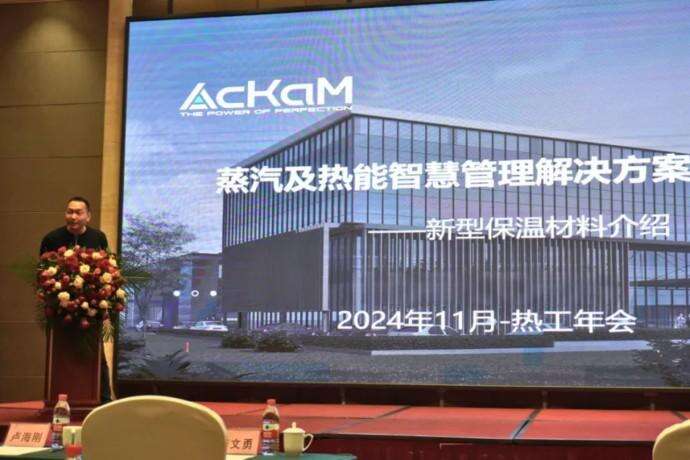
Innovation in Thermal Insulation Technology! AcKaM Delivers Keynote Speech at 2024 National Thermal Engineering Conference

05

Nov

Innovation in Thermal Insulation Technology! AcKaM Delivers Keynote Speech at 2024 National Thermal Engineering Conference

View More
AcKaM: Riding the Trillion-Yuan Wave to Pioneer Innovation

04

Nov

AcKaM: Riding the Trillion-Yuan Wave to Pioneer Innovation

View More

Get a Free Quote

Our representative will contact you soon.
Email
Name
Company Name
Message
0/1000

steam air ejector

Zero Maintenance Moving Parts Design

Zero Maintenance Moving Parts Design

The revolutionary design philosophy behind steam air ejectors centers on their complete absence of moving mechanical components, establishing them as the most reliable vacuum generation solution available in industrial applications today. This fundamental design advantage stems from the physics-based operation that relies entirely on steam velocity and pressure differentials to create vacuum conditions, eliminating every potential point of mechanical failure that plagues traditional vacuum systems. Unlike rotary pumps, reciprocating pumps, or other mechanical vacuum devices that depend on precisely machined moving parts, bearings, seals, and lubrication systems, the steam air ejector operates through fluid dynamics principles alone. The internal structure consists of carefully engineered static components including steam nozzles, mixing chambers, and diffuser sections, all manufactured from robust materials selected for their corrosion resistance and thermal stability. This design philosophy delivers unprecedented operational reliability, as there are simply no components to wear out, break down, or require periodic replacement due to mechanical stress or fatigue. The implications for industrial operations are profound, as facilities can install steam air ejectors and expect decades of continuous service without the costly downtime associated with mechanical pump failures. Maintenance requirements reduce to simple visual inspections and occasional cleaning of internal surfaces, tasks that can be scheduled during planned shutdowns rather than forcing unexpected production interruptions. The economic impact extends beyond maintenance savings to include reduced spare parts inventory, eliminated lubrication costs, and decreased maintenance labor requirements. Furthermore, this design enables steam air ejectors to handle the most challenging industrial environments, including high-temperature applications, corrosive atmospheres, and processes involving abrasive particles that would quickly destroy mechanical vacuum equipment. The reliability advantage becomes even more pronounced in remote installations or critical processes where vacuum system failure could result in significant production losses or safety concerns, making steam air ejectors the clear choice for mission-critical applications.
Exceptional Chemical and Temperature Resistance

Exceptional Chemical and Temperature Resistance

Steam air ejectors demonstrate unmatched versatility in handling aggressive chemicals and extreme temperature conditions that would rapidly deteriorate or completely destroy conventional mechanical vacuum systems. This exceptional resistance capability stems from their robust construction using specialized materials and their operational principle that never brings sensitive mechanical components into contact with process gases or vapors. The internal surfaces of steam air ejectors can be manufactured from a wide range of corrosion-resistant materials including stainless steel alloys, exotic metals like Hastelloy or Inconel, and even non-metallic materials such as ceramics or specialized plastics, depending on the specific chemical environment they will encounter. This material flexibility enables steam air ejectors to handle virtually any industrial process stream, from highly acidic vapors in chemical processing to alkaline gases in metal finishing operations. The absence of seals, gaskets, or lubricated surfaces eliminates common failure points where aggressive chemicals typically attack conventional vacuum systems. Temperature resistance represents another critical advantage, as steam air ejectors can operate effectively with process gases at temperatures that would damage or destroy mechanical pump components. The all-metal construction and lack of temperature-sensitive elements like elastomeric seals or precision-machined clearances mean these systems can handle inlet gases at several hundred degrees Fahrenheit without performance degradation. This capability proves invaluable in applications such as distillation column overhead systems, reactor vessel evacuation, and heat treatment processes where high-temperature gas removal is essential. The chemical resistance extends to handling explosive or toxic vapors that pose safety risks with mechanical systems, as the steam air ejector operation inherently dilutes and condenses many hazardous compounds. Additionally, the system can be designed with explosion-proof considerations and equipped with appropriate safety systems to handle dangerous process streams. The long-term durability when exposed to harsh chemicals means lower total cost of ownership, as facilities avoid frequent equipment replacement cycles and the associated capital expenses that characterize mechanical systems operating in challenging environments.
Instant Response and Load Flexibility

Instant Response and Load Flexibility

The operational responsiveness of steam air ejectors surpasses all mechanical alternatives through their ability to instantly adjust performance based on changing process demands without any startup delays, warm-up periods, or complex control sequences. This immediate response capability derives from the fundamental physics of steam flow, where adjusting steam pressure or flow rate instantly translates into proportional changes in vacuum generation capacity. Unlike mechanical vacuum pumps that require time to reach operating speed, stabilize internal pressures, and achieve thermal equilibrium, steam air ejectors respond within seconds to control input changes. This characteristic proves invaluable in processes where vacuum requirements fluctuate rapidly or unpredictably, such as batch processing operations, distillation systems with varying feed rates, or emergency vacuum applications. The load flexibility extends across an impressive operational range, typically allowing steam air ejectors to maintain effective vacuum levels while handling air leakage rates that vary by factors of ten or more. This adaptability eliminates the need for complex multiple-pump arrangements or variable-speed drive systems required with mechanical alternatives. Process engineers can design steam air ejector systems with significant capacity margins, knowing that the units will automatically adjust to actual operating conditions without wasting energy or compromising performance. The control systems for steam air ejectors can be remarkably simple, often requiring only basic pressure controllers and steam flow regulation valves to maintain desired vacuum levels across wide operating ranges. Advanced installations may incorporate sophisticated control algorithms that optimize steam consumption while maintaining process requirements, but even basic control schemes provide excellent performance stability. The ability to quickly shut down and restart steam air ejectors proves particularly valuable during process upsets or emergency conditions, as operators can immediately stop vacuum generation by closing steam valves and resume operation just as quickly when conditions normalize. This operational flexibility extends to maintenance scheduling, as steam air ejectors can be taken offline and returned to service without the lengthy procedures required for mechanical systems. The instant response capability also enables steam air ejectors to serve as backup systems for mechanical pumps, automatically engaging when primary systems fail and providing seamless continuity of vacuum service until repairs can be completed.

Get a Free Quote

Our representative will contact you soon.
Email
Name
Company Name
Message
0/1000