Steam Ejector Vacuum Systems: Industrial Vacuum Solutions with Zero Moving Parts

All Categories

Get a Free Quote

Our representative will contact you soon.
Email
Name
Company Name
Message
0/1000

steam ejector vacuum

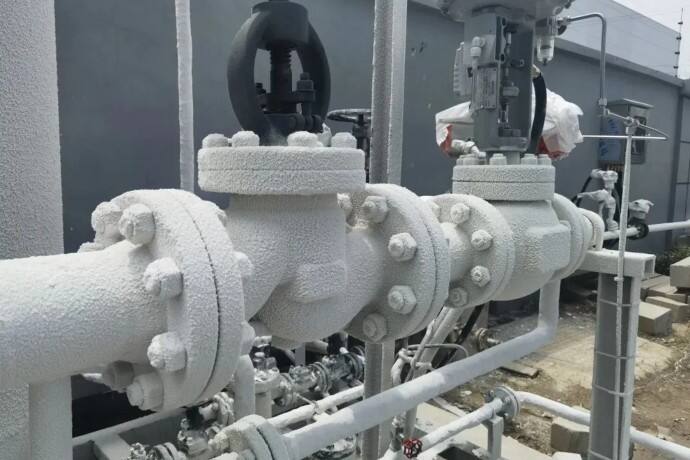
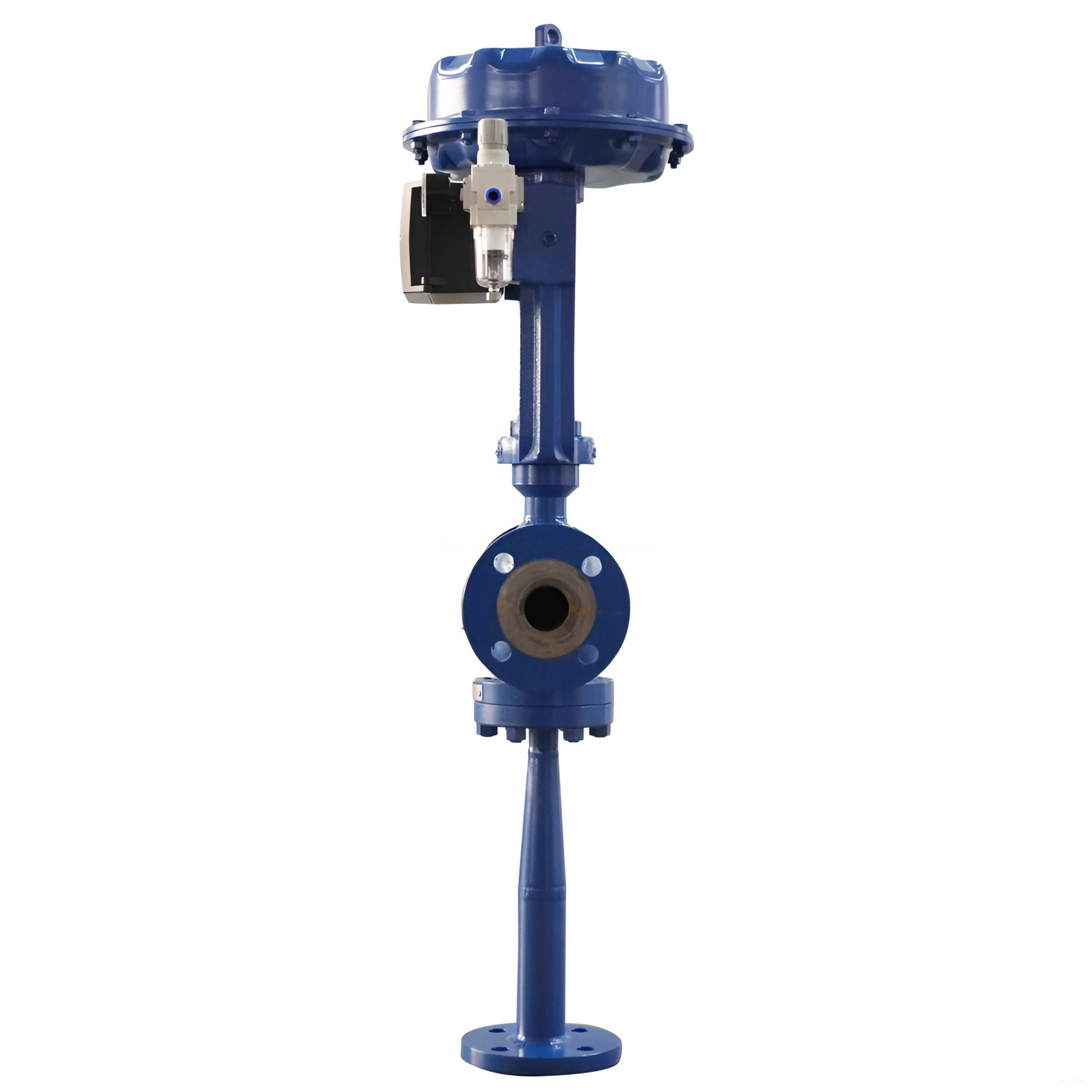
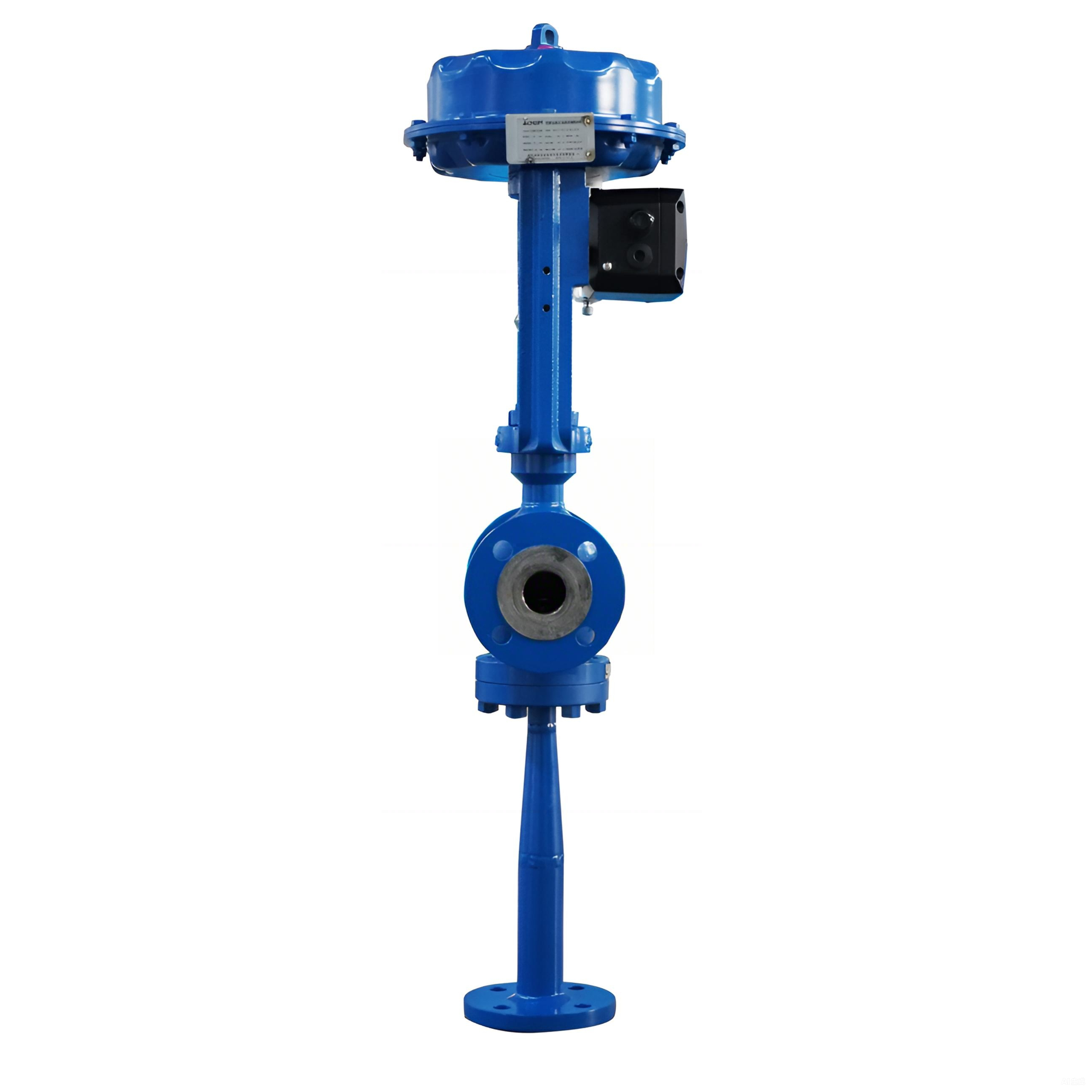
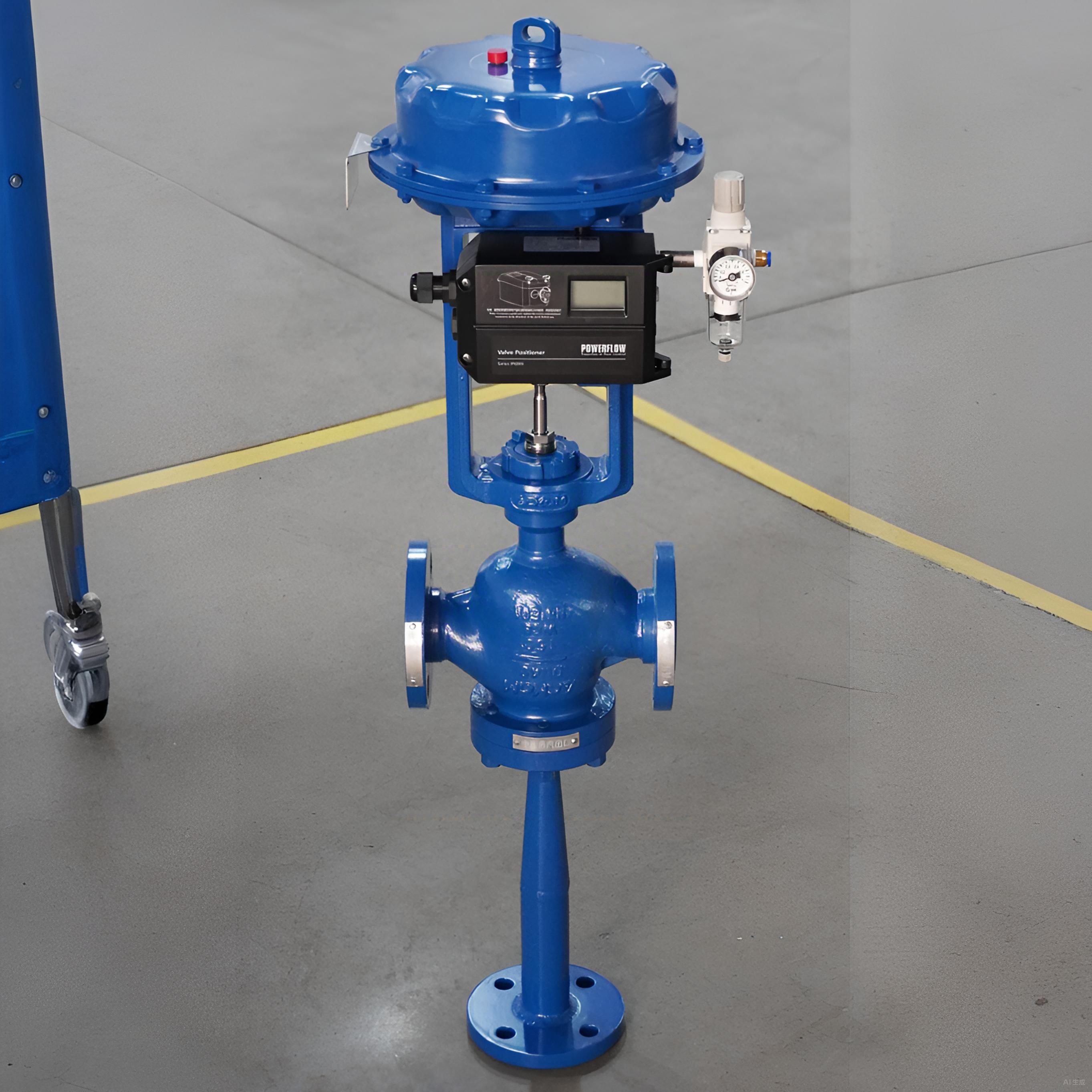
A steam ejector vacuum represents a sophisticated industrial solution that harnesses the power of steam to create powerful vacuum conditions across diverse manufacturing environments. This innovative technology operates on the venturi principle, where high-pressure steam flows through precisely engineered nozzles to generate substantial suction forces. The steam ejector vacuum system eliminates the need for traditional mechanical pumps, offering a robust alternative that excels in challenging industrial applications. The fundamental mechanism involves directing pressurized steam through converging-diverging nozzles, creating high-velocity jets that entrain air and other gases from the process vessel. This entrainment action produces the desired vacuum effect while maintaining consistent performance levels. Modern steam ejector vacuum systems incorporate multiple stages to achieve deeper vacuum levels, with each stage contributing to enhanced overall efficiency. The technology proves particularly valuable in chemical processing, where corrosive gases and high temperatures would damage conventional vacuum equipment. Steam ejector vacuum units demonstrate exceptional reliability due to their simple construction with no moving parts, reducing maintenance requirements significantly. The absence of mechanical components eliminates wear-related failures, ensuring continuous operation even under demanding conditions. These systems handle a wide range of gases and vapors, including those that might be corrosive, toxic, or contain particulates that would compromise other vacuum technologies. The steam ejector vacuum design allows for easy customization to meet specific process requirements, accommodating various capacity needs and vacuum levels. Industrial facilities benefit from the inherent safety features of steam ejector vacuum systems, as they operate without electrical components in hazardous areas. The technology adapts seamlessly to existing steam infrastructure, making integration straightforward for facilities with established steam generation capabilities.

Popular Products

Steam ejector vacuum systems deliver remarkable operational benefits that directly translate to improved productivity and reduced operational costs for industrial facilities. The primary advantage lies in their exceptional durability, as these systems contain no moving mechanical parts that require regular replacement or maintenance. This characteristic eliminates the frequent downtime associated with traditional vacuum pumps, ensuring continuous production schedules remain uninterrupted. The steam ejector vacuum technology excels in handling aggressive chemicals and high-temperature applications where conventional pumps would fail rapidly. Industries dealing with corrosive gases find these systems invaluable, as the robust construction materials resist chemical attack while maintaining consistent vacuum performance. Energy efficiency represents another significant benefit, particularly in facilities with readily available steam supplies. The steam ejector vacuum utilizes existing steam infrastructure, converting thermal energy directly into vacuum power without requiring additional electrical systems or complex control mechanisms. Maintenance costs decrease substantially compared to mechanical alternatives, as the simple design requires only periodic inspection and cleaning rather than component replacement. The steam ejector vacuum system operates reliably across wide temperature ranges, maintaining performance stability even when processing conditions fluctuate significantly. Safety considerations make these systems particularly attractive for hazardous environments, as they eliminate electrical spark risks and operate safely in explosive atmospheres. The technology handles varying gas compositions without performance degradation, accommodating process changes that might compromise other vacuum solutions. Installation flexibility allows for both horizontal and vertical mounting configurations, adapting to space constraints and piping arrangements. The steam ejector vacuum responds quickly to process demands, providing rapid vacuum recovery after system disturbances. Operating costs remain predictable and low, as the primary consumable is steam, which many industrial facilities generate continuously for other processes. The technology scales effectively from small laboratory applications to large industrial installations, maintaining proportional performance characteristics across different sizes. Noise levels remain significantly lower than mechanical vacuum systems, contributing to improved workplace environments. The steam ejector vacuum demonstrates exceptional longevity, with properly maintained systems operating effectively for decades without major component replacement.

Practical Tips

Soaring to New Heights: AcKaM Industrial Surges in Billion-Dollar Market with 200% H1 Sales Growth

04

Nov

Soaring to New Heights: AcKaM Industrial Surges in Billion-Dollar Market with 200% H1 Sales Growth

View More
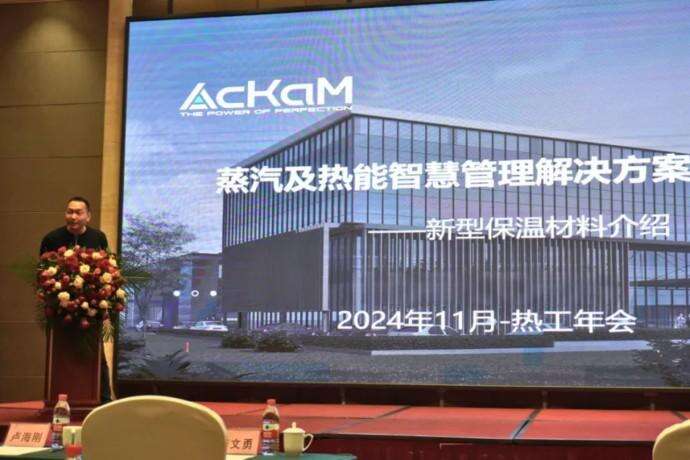
Innovation in Thermal Insulation Technology! AcKaM Delivers Keynote Speech at 2024 National Thermal Engineering Conference

05

Nov

Innovation in Thermal Insulation Technology! AcKaM Delivers Keynote Speech at 2024 National Thermal Engineering Conference

View More
AcKaM: Riding the Trillion-Yuan Wave to Pioneer Innovation

04

Nov

AcKaM: Riding the Trillion-Yuan Wave to Pioneer Innovation

View More

Get a Free Quote

Our representative will contact you soon.
Email
Name
Company Name
Message
0/1000

steam ejector vacuum

Zero Moving Parts Engineering Excellence

Zero Moving Parts Engineering Excellence

The steam ejector vacuum achieves superior reliability through its revolutionary no-moving-parts design, fundamentally changing how industrial vacuum systems operate and maintain their performance over time. This engineering approach eliminates the primary failure points that plague traditional mechanical vacuum pumps, where bearings, seals, and rotating components create maintenance headaches and unexpected downtime. The steam ejector vacuum system relies entirely on fluid dynamics principles, using carefully designed nozzles and diffusers to create powerful vacuum conditions without any mechanical intervention. This design philosophy means that facilities can expect years of uninterrupted operation without the costly bearing replacements, seal failures, or rotor rebuilds that characterize conventional vacuum technology. The absence of moving parts also eliminates vibration issues that often require expensive foundation work and create noise pollution in industrial environments. Maintenance personnel appreciate the simplicity, as routine care involves only visual inspections and occasional cleaning rather than complex mechanical adjustments or precision alignments. The steam ejector vacuum continues operating effectively even when process conditions become challenging, as there are no delicate mechanical components to suffer damage from temperature fluctuations, chemical exposure, or contamination. This robust design approach proves particularly valuable in continuous process industries where unexpected equipment failures can result in significant production losses and safety concerns. The engineering excellence extends to the materials selection, where the steam ejector vacuum components can be manufactured from specialized alloys that resist specific chemical attacks while maintaining structural integrity under demanding operating conditions. Quality control becomes more straightforward, as the manufacturing process focuses on precise machining and assembly rather than complex mechanical tolerances and dynamic balancing requirements. The long-term economic benefits compound over time, as facilities avoid the escalating costs associated with aging mechanical equipment while maintaining consistent vacuum performance throughout the system's operational lifetime.
Superior Chemical Resistance and High-Temperature Performance

Superior Chemical Resistance and High-Temperature Performance

The steam ejector vacuum excels in the most demanding chemical processing environments, where traditional vacuum equipment fails due to corrosive attack or thermal degradation, making it the preferred choice for industries handling aggressive chemicals and extreme temperatures. This exceptional chemical resistance stems from the ability to construct steam ejector vacuum systems using specialized materials such as hastelloy, inconel, or other corrosion-resistant alloys that withstand exposure to acids, bases, and organic solvents that would quickly destroy conventional vacuum pumps. The high-temperature capability allows the steam ejector vacuum to operate effectively with process streams reaching several hundred degrees, maintaining vacuum performance where mechanical pumps would suffer thermal damage or require expensive cooling systems. Chemical processing facilities benefit enormously from this capability, as they can implement vacuum distillation and evaporation processes without worrying about equipment degradation from contact with reactive chemicals. The steam ejector vacuum handles chlorinated compounds, sulfur-containing gases, and other aggressive chemicals that cause rapid deterioration in elastomeric seals and metallic components of traditional vacuum systems. Pharmaceutical manufacturing operations find particular value in this chemical resistance, as the steam ejector vacuum can process solvents and active pharmaceutical ingredients without risk of contamination or equipment failure that might compromise product quality or safety. The temperature tolerance extends beyond just the process gases, as the steam ejector vacuum can utilize high-pressure steam at elevated temperatures to achieve enhanced vacuum performance while maintaining structural integrity. This thermal capability proves essential in petrochemical applications where vacuum distillation columns operate at temperatures that would require extensive cooling systems for mechanical vacuum pumps. The combination of chemical resistance and temperature tolerance eliminates the need for expensive protective measures such as scrubbing systems, heat exchangers, or barrier fluids that add complexity and cost to traditional vacuum installations. Food processing industries leverage this capability for concentration processes involving acidic fruit juices or other corrosive food products, ensuring equipment longevity while maintaining sanitary conditions essential for food safety compliance.
Seamless Integration with Existing Steam Infrastructure

Seamless Integration with Existing Steam Infrastructure

The steam ejector vacuum offers unparalleled integration advantages for industrial facilities with established steam generation systems, transforming existing thermal infrastructure into powerful vacuum capability without requiring extensive modifications or additional utility installations. This integration benefit represents significant capital savings, as facilities can leverage their current steam boilers, distribution networks, and condensate return systems to power comprehensive vacuum operations across multiple process areas. The steam ejector vacuum connects directly to existing steam headers through standard piping connections, eliminating the need for electrical power installations, control panels, or specialized foundation work required by mechanical vacuum systems. Facilities with combined heat and power systems find particular value in this integration, as the steam ejector vacuum effectively utilizes steam that might otherwise be vented or condensed without productive use, improving overall energy utilization efficiency. The technology accommodates various steam pressures commonly found in industrial facilities, with steam ejector vacuum designs optimized for specific pressure ranges to maximize performance while minimizing steam consumption. Process engineers appreciate the operational flexibility, as steam ejector vacuum systems can operate intermittently without the warm-up periods or standby power consumption associated with mechanical alternatives. The integration extends to control systems, where the steam ejector vacuum responds directly to steam supply pressure variations, providing automatic load matching that adapts vacuum performance to process demands without complex control algorithms. Maintenance coordination becomes simpler, as steam ejector vacuum service requirements align with existing steam system maintenance schedules, allowing facilities to optimize their maintenance resources and minimize disruption to production operations. The condensate from steam ejector vacuum operations returns to the boiler feedwater system, recovering both thermal energy and treated water that represents significant operating cost savings in facilities with high-quality water requirements. Steam distribution modifications remain minimal, typically requiring only the addition of pressure reducing stations or steam traps to optimize performance for specific vacuum applications. The reliability of steam ejector vacuum systems matches that of the underlying steam infrastructure, providing vacuum capability that scales with the facility's steam generation capacity and maintains consistent performance as long as adequate steam supply remains available.
Get a Free Quote

Our representative will contact you soon.
Email
Name
Company Name
Message
0/1000