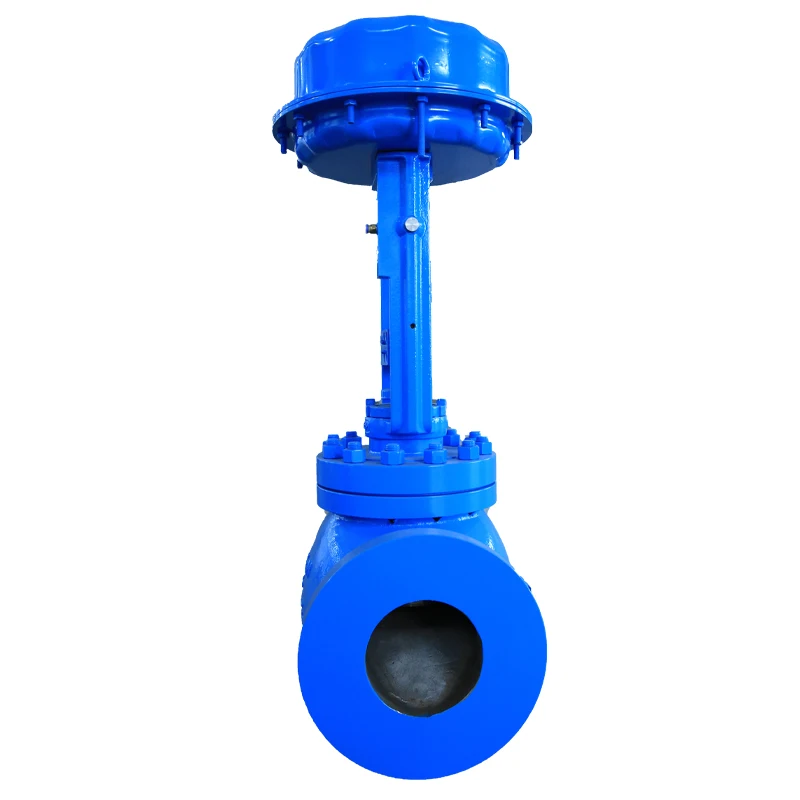
Steam Ejector Applications: Reliable Vacuum Generation for Industrial Processes

All Categories

Get a Free Quote

Our representative will contact you soon.
Email
Name
Company Name
Message
0/1000

steam ejector is used to

A steam ejector is used to create vacuum conditions and handle various industrial processes through the power of high-pressure steam. This innovative technology operates on the venturi principle, where high-velocity steam creates a low-pressure zone that draws in gases, vapors, or liquids from connected systems. The steam ejector is used to achieve reliable vacuum generation without mechanical moving parts, making it an essential component in numerous industrial applications. The fundamental operation involves injecting high-pressure motive steam through a converging-diverging nozzle, creating a high-velocity jet that entrains the process fluid. This mixture then passes through a diffuser section where kinetic energy converts back to pressure energy. The steam ejector is used to maintain consistent vacuum levels across diverse operating conditions, demonstrating exceptional reliability and durability. Key technological features include corrosion-resistant materials, precise nozzle geometry, and optimized diffuser design that maximizes efficiency. The steam ejector is used to handle corrosive gases, condensable vapors, and non-condensable gases with equal effectiveness. Temperature tolerance ranges from cryogenic conditions to high-temperature applications, while pressure ratios can exceed 100:1 in multi-stage configurations. Modern steam ejectors incorporate advanced computational fluid dynamics in their design, ensuring optimal performance characteristics. The steam ejector is used to provide variable capacity control through steam pressure modulation, offering operational flexibility. Maintenance requirements remain minimal due to the absence of mechanical components, reducing operational costs significantly. Applications span chemical processing, petroleum refining, power generation, pharmaceutical manufacturing, and food processing industries. The steam ejector is used to create vacuum for distillation columns, evaporators, crystallizers, and drying systems. Environmental benefits include reduced energy consumption compared to mechanical vacuum pumps and elimination of lubricating oils that could contaminate processes.

Popular Products

The steam ejector is used to deliver numerous practical benefits that make it superior to conventional vacuum-generating equipment. First, operational reliability stands as the most significant advantage because the steam ejector contains no moving mechanical parts that wear out or require frequent replacement. This design eliminates the risk of mechanical failure, reducing unexpected downtime and maintenance costs substantially. The steam ejector is used to operate continuously for years without major servicing, providing consistent performance that manufacturing facilities depend upon. Energy efficiency represents another crucial benefit, as the steam ejector utilizes existing plant steam supplies effectively. Unlike electric motor-driven vacuum pumps that consume substantial electrical power, the steam ejector transforms available steam energy into vacuum generation. This approach reduces overall energy costs while maximizing existing infrastructure utilization. The steam ejector is used to handle extreme operating conditions that would damage conventional equipment. Temperature resistance allows operation from sub-zero conditions up to several hundred degrees Celsius without performance degradation. Corrosion resistance becomes particularly valuable when processing aggressive chemicals or acidic compounds that would rapidly deteriorate metal pumps. The steam ejector is used to process mixtures containing solids, liquids, and gases simultaneously without clogging or damage. Installation simplicity provides immediate cost savings and faster project completion. The steam ejector requires minimal foundation work, simple piping connections, and basic instrumentation compared to complex mechanical systems requiring electrical power, control panels, and sophisticated monitoring equipment. Operating flexibility allows capacity adjustment through steam pressure variation, enabling process optimization without equipment replacement. The steam ejector is used to start and stop instantly without warm-up periods or shutdown procedures. Maintenance costs remain exceptionally low because internal inspection requires simple disassembly, and replacement parts consist mainly of nozzles and diffusers. The steam ejector is used to eliminate contamination risks associated with lubricating oils, sealing fluids, or mechanical wear particles that could compromise product purity. Environmental benefits include reduced noise levels compared to mechanical compressors and elimination of refrigerants or harmful working fluids. Long-term reliability ensures decades of trouble-free operation with minimal intervention.

Latest News

Soaring to New Heights: AcKaM Industrial Surges in Billion-Dollar Market with 200% H1 Sales Growth

04

Nov

Soaring to New Heights: AcKaM Industrial Surges in Billion-Dollar Market with 200% H1 Sales Growth

View More
Innovation in Thermal Insulation Technology! AcKaM Delivers Keynote Speech at 2024 National Thermal Engineering Conference

05

Nov

Innovation in Thermal Insulation Technology! AcKaM Delivers Keynote Speech at 2024 National Thermal Engineering Conference

View More
AcKaM: Riding the Trillion-Yuan Wave to Pioneer Innovation

04

Nov

AcKaM: Riding the Trillion-Yuan Wave to Pioneer Innovation

View More

Get a Free Quote

Our representative will contact you soon.
Email
Name
Company Name
Message
0/1000

steam ejector is used to

Zero Mechanical Moving Parts Design

Zero Mechanical Moving Parts Design

The steam ejector is used to achieve unparalleled reliability through its innovative design that completely eliminates mechanical moving parts, setting it apart from traditional vacuum-generating equipment. This fundamental design principle means there are no rotating impellers, reciprocating pistons, sliding vanes, or complex mechanical assemblies that typically require regular maintenance, lubrication, and eventual replacement. The steam ejector operates purely on fluid dynamics principles, using high-velocity steam jets to create vacuum conditions without any physical contact between moving components. This absence of mechanical wear points translates directly into exceptional operational longevity, with many installations operating continuously for decades without major repairs or component replacements. The steam ejector is used to eliminate the most common sources of equipment failure in industrial settings, including bearing wear, seal deterioration, impeller erosion, and motor burnout. Manufacturing facilities benefit enormously from this reliability because unplanned downtime becomes virtually non-existent, allowing production schedules to remain consistent and predictable. The steam ejector requires no lubrication systems, eliminating the ongoing costs and environmental concerns associated with oil changes, filter replacements, and waste oil disposal. Additionally, the absence of sealing systems means there are no opportunities for process contamination or atmospheric leakage that could compromise product quality or worker safety. Maintenance personnel appreciate the simplicity because troubleshooting becomes straightforward when problems do occur, typically involving only flow blockages or surface erosion that can be easily identified and corrected. The steam ejector is used to provide peace of mind for plant operators who can focus on core production activities rather than equipment monitoring and maintenance scheduling. This reliability advantage becomes particularly valuable in remote locations, hazardous environments, or critical processes where equipment failure could result in significant safety risks or economic losses. The long-term cost benefits compound over time as facilities avoid the cumulative expenses associated with spare parts inventory, maintenance labor, and production interruptions that plague mechanical vacuum systems.

Superior Chemical and Temperature Resistance

Superior Chemical and Temperature Resistance

The steam ejector is used to handle the most challenging industrial environments where extreme temperatures and aggressive chemicals would quickly destroy conventional vacuum equipment. This exceptional resistance capability stems from the steam ejector's construction using specialized materials and its unique operating principle that minimizes material stress and chemical contact. Unlike mechanical pumps with multiple material interfaces, seals, and lubricants that create vulnerability points, the steam ejector presents a continuous, chemically-resistant surface to process fluids. The steam ejector is used to process highly corrosive substances including strong acids, caustic solutions, chlorinated compounds, and other aggressive chemicals that would rapidly corrode metal impellers or deteriorate rubber seals in traditional equipment. Temperature resistance extends from cryogenic applications below -100°C to high-temperature processes exceeding 400°C, maintaining consistent performance across this entire range. The steam ejector achieves this broad temperature capability through thermal expansion accommodation in its design and material selection that prevents stress cracking or dimensional changes that could affect performance. Metallurgical options include stainless steel grades, exotic alloys, and even ceramic materials for the most demanding applications, ensuring compatibility with virtually any process chemistry. The steam ejector is used to eliminate the contamination risks associated with lubricating oils, hydraulic fluids, or seal materials that could migrate into process streams and compromise product purity. This contamination-free operation becomes critical in pharmaceutical manufacturing, food processing, and semiconductor production where even trace impurities can render products unusable. The internal surfaces can be electropolished or specially coated to further enhance chemical resistance and cleanability for sanitary applications. The steam ejector is used to maintain its performance characteristics even when handling process streams containing suspended solids, crystallizing compounds, or polymerizing materials that would clog or damage mechanical equipment. Recovery from temporary process upsets becomes simple because the steam ejector can be easily flushed or steam-cleaned without disassembly. This chemical and temperature versatility allows a single steam ejector design to serve multiple applications within a facility, reducing spare parts inventory and maintenance training requirements while providing operational flexibility for changing process conditions.
Instant Response and Variable Capacity Control

Instant Response and Variable Capacity Control

The steam ejector is used to provide immediate response to changing process conditions, offering unmatched operational flexibility through its ability to start, stop, and vary capacity instantly without warm-up periods or complex control sequences. This responsive characteristic becomes invaluable in processes requiring precise vacuum control or rapid adjustment to changing production demands. Unlike mechanical vacuum pumps that require startup procedures, speed controllers, and gradual capacity changes, the steam ejector responds immediately to steam pressure variations, allowing operators to fine-tune vacuum levels in real-time. The steam ejector is used to eliminate the lag time associated with motor acceleration, pump evacuation, and system stabilization that can delay process startup by minutes or hours. Production efficiency improves significantly because batch processes can begin immediately when vacuum conditions are required, and continuous processes can adjust quickly to product changeovers or quality requirements. The steam ejector achieves variable capacity through simple steam pressure modulation using standard control valves and instrumentation, avoiding the complexity and expense of variable frequency drives, inlet throttling, or bypass systems required by mechanical alternatives. This control method provides linear capacity response across the operating range, enabling precise vacuum regulation that enhances product quality and process optimization. The steam ejector is used to handle sudden process upsets or emergency conditions without damage, simply requiring increased steam flow to restore normal operation. Turndown ratios can exceed 10:1 in properly designed systems, accommodating wide variations in process gas loads without efficiency penalties. The steam ejector maintains high efficiency across its operating range because the fundamental venturi principle scales naturally with flow rates, unlike mechanical systems that suffer efficiency losses at reduced capacity. Remote control capability becomes straightforward because only steam supply valves require automation, eliminating the electrical infrastructure and control complexity associated with motor-driven equipment. The steam ejector is used to provide backup vacuum capability during power outages or emergencies when mechanical systems would fail completely. Parallel operation of multiple steam ejectors offers redundancy and capacity multiplication without complex synchronization requirements. The instant response capability proves particularly valuable in safety-critical applications where rapid vacuum generation could prevent equipment damage or personnel injury, such as emergency depressurization systems or containment isolation procedures.

Get a Free Quote

Our representative will contact you soon.
Email
Name
Company Name
Message
0/1000