Steam Jet Ejector Working: Complete Guide to Industrial Vacuum Technology Solutions

All Categories

Get a Free Quote

Our representative will contact you soon.
Email
Name
Company Name
Message
0/1000

steam jet ejector working

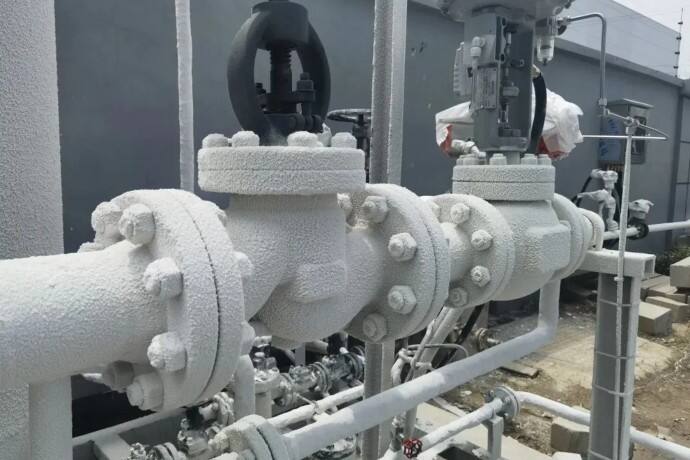
Steam jet ejector working represents a sophisticated vacuum creation technology that harnesses the power of high-pressure steam to generate substantial suction forces without requiring mechanical moving parts. This innovative system operates on the venturi principle, where pressurized steam flows through a specially designed nozzle at extremely high velocities, creating a low-pressure zone that effectively draws in gases, vapors, and non-condensable materials from connected systems. The steam jet ejector working mechanism involves multiple stages of compression and expansion, making it exceptionally effective for industrial vacuum applications. The primary function of steam jet ejector working systems centers on creating and maintaining vacuum conditions in various industrial processes, including distillation, evaporation, crystallization, and chemical processing operations. These systems excel at handling large volumes of gases and vapors while maintaining consistent performance levels across diverse operating conditions. The technological features of steam jet ejector working include robust construction using corrosion-resistant materials, precise nozzle geometry for optimal steam expansion, and integrated condensing systems that recover steam for reuse. Modern steam jet ejector working designs incorporate advanced computational fluid dynamics optimization to maximize efficiency and minimize steam consumption. Applications span numerous industries, including petroleum refining, chemical manufacturing, pharmaceutical production, food processing, and power generation. Steam jet ejector working systems prove particularly valuable in processes requiring deep vacuum levels, handling of corrosive gases, or operations in hazardous environments where mechanical pumps might pose safety risks. The versatility of steam jet ejector working makes it suitable for continuous operation in demanding industrial environments, providing reliable vacuum generation with minimal maintenance requirements and exceptional durability under extreme conditions.
New Product Recommendations

Steam jet ejector working delivers numerous practical benefits that make it an attractive choice for industrial vacuum applications across multiple sectors. The primary advantage of steam jet ejector working lies in its simplicity and reliability, as these systems contain no mechanical moving parts that could wear out or require frequent replacement, resulting in significantly reduced maintenance costs and extended operational lifespans. This mechanical simplicity means steam jet ejector working systems can operate continuously for years without major service interruptions, providing exceptional value for manufacturing facilities that depend on consistent vacuum performance. The robust construction of steam jet ejector working equipment enables it to handle corrosive gases and aggressive chemicals that would quickly damage conventional mechanical vacuum pumps, making it ideal for chemical processing and pharmaceutical manufacturing applications. Steam jet ejector working systems demonstrate superior performance in high-temperature environments where mechanical pumps would struggle or fail completely, allowing them to maintain vacuum levels even when processing hot gases or vapors directly from distillation columns or evaporators. The operational flexibility of steam jet ejector working extends to its ability to handle varying loads and compositions without performance degradation, automatically adjusting to changing process conditions without operator intervention. Energy efficiency represents another significant advantage of steam jet ejector working, particularly in facilities where steam is readily available as a byproduct of other processes, effectively utilizing waste steam that would otherwise be vented to atmosphere. The initial investment for steam jet ejector working systems typically costs less than comparable mechanical vacuum equipment, while the absence of electrical motors, gearboxes, and complex control systems further reduces both installation and operational expenses. Safety benefits of steam jet ejector working include elimination of electrical hazards in explosive atmospheres and reduced fire risks associated with mechanical equipment, making these systems particularly valuable in petrochemical facilities and other hazardous environments. The environmental advantages of steam jet ejector working include the ability to integrate with steam recovery systems, reducing overall plant emissions while maximizing energy utilization efficiency throughout industrial operations.

Latest News

Soaring to New Heights: AcKaM Industrial Surges in Billion-Dollar Market with 200% H1 Sales Growth

04

Nov

Soaring to New Heights: AcKaM Industrial Surges in Billion-Dollar Market with 200% H1 Sales Growth

View More
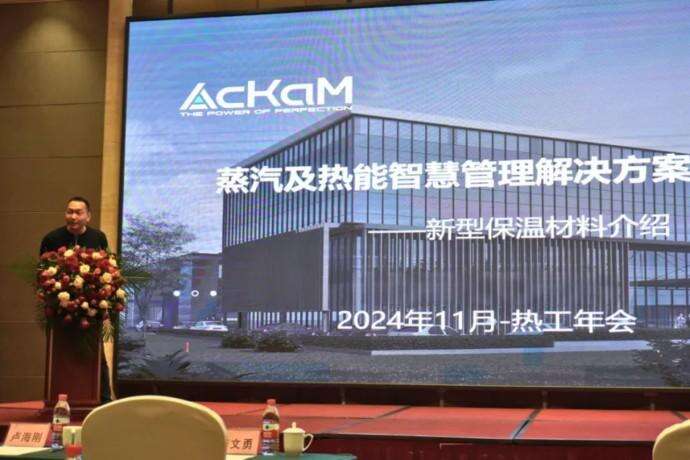
Innovation in Thermal Insulation Technology! AcKaM Delivers Keynote Speech at 2024 National Thermal Engineering Conference

05

Nov

Innovation in Thermal Insulation Technology! AcKaM Delivers Keynote Speech at 2024 National Thermal Engineering Conference

View More
AcKaM: Riding the Trillion-Yuan Wave to Pioneer Innovation

04

Nov

AcKaM: Riding the Trillion-Yuan Wave to Pioneer Innovation

View More

Get a Free Quote

Our representative will contact you soon.
Email
Name
Company Name
Message
0/1000

steam jet ejector working

Superior Corrosion Resistance and Chemical Compatibility

Superior Corrosion Resistance and Chemical Compatibility

Steam jet ejector working systems excel in environments where chemical compatibility and corrosion resistance are paramount concerns for industrial operators. Unlike mechanical vacuum pumps that utilize seals, gaskets, and moving components susceptible to chemical attack, steam jet ejector working equipment can be constructed entirely from specialized alloys and corrosion-resistant materials tailored to specific process requirements. This fundamental advantage of steam jet ejector working becomes particularly evident in chemical processing facilities, pharmaceutical manufacturing plants, and petrochemical refineries where aggressive chemicals, acids, and solvents are routinely handled. The static design of steam jet ejector working eliminates the vulnerability points common in mechanical systems, where rotating shafts and dynamic seals often fail when exposed to corrosive media. Engineers can select materials for steam jet ejector working construction based on the exact chemical composition of process streams, ensuring compatibility with even the most aggressive substances including concentrated acids, caustic solutions, and organic solvents. The internal surfaces of steam jet ejector working systems can be lined with specialized coatings or constructed from exotic alloys such as Hastelloy, Inconel, or duplex stainless steels, providing exceptional resistance to both general and localized corrosion mechanisms. This material flexibility allows steam jet ejector working to maintain performance integrity over extended periods, even when processing highly corrosive vapors that would rapidly degrade alternative vacuum technologies. The absence of lubricants in steam jet ejector working eliminates contamination risks that plague mechanical systems, ensuring product purity in sensitive applications such as pharmaceutical synthesis or food processing operations. Maintenance advantages of corrosion-resistant steam jet ejector working include extended service intervals, reduced replacement part costs, and eliminated concerns about seal leakage or bearing contamination that frequently plague mechanical alternatives in corrosive service conditions.
Exceptional High-Temperature Performance Capabilities

Exceptional High-Temperature Performance Capabilities

Steam jet ejector working demonstrates unmatched performance capabilities in high-temperature applications where conventional mechanical vacuum equipment would fail or operate with severely compromised efficiency. The operating principle of steam jet ejector working actually benefits from elevated temperatures, as higher steam temperatures increase the driving force available for vacuum generation, making these systems particularly well-suited for processes involving hot gases, vapors, or elevated ambient conditions. Traditional mechanical vacuum pumps suffer from thermal expansion issues, lubricant degradation, and seal failure when exposed to high temperatures, whereas steam jet ejector working systems thrive in these conditions without performance penalties. The thermal design of steam jet ejector working allows for operation with process streams at temperatures exceeding 200°C without requiring external cooling systems or temperature reduction equipment, significantly simplifying installation requirements and reducing capital costs. This high-temperature capability of steam jet ejector working proves invaluable in distillation applications, where hot vapors must be continuously removed from separation columns, or in drying processes where heated air streams require vacuum assistance for moisture removal. The thermal mass and heat capacity of steam jet ejector working systems provide excellent thermal stability, preventing performance fluctuations that commonly affect mechanical pumps during temperature cycling or thermal transients. Manufacturing facilities benefit from the ability of steam jet ejector working to handle thermal shock conditions without damage, making these systems ideal for batch processes involving rapid temperature changes or emergency shutdown scenarios. The materials selection for high-temperature steam jet ejector working applications can include refractory alloys and ceramic components that maintain structural integrity and dimensional stability under extreme thermal conditions. Integration advantages of high-temperature steam jet ejector working include direct connection to hot process streams without intermediate heat exchangers, reducing system complexity and eliminating potential heat transfer bottlenecks that could limit overall process efficiency.
Unmatched Reliability and Low Maintenance Operation

Unmatched Reliability and Low Maintenance Operation

Steam jet ejector working systems provide unparalleled operational reliability through their inherently simple design that eliminates virtually all maintenance-intensive components found in mechanical vacuum equipment. The fundamental advantage of steam jet ejector working lies in its static construction, containing no rotating parts, bearings, seals, or motors that require regular servicing, lubrication, or replacement, resulting in maintenance costs that are typically 70-80% lower than comparable mechanical systems. This reliability benefit of steam jet ejector working translates directly into increased uptime and reduced production interruptions, making these systems particularly valuable for continuous process operations where equipment downtime can cost thousands of dollars per hour. The robust construction of steam jet ejector working equipment enables operation in harsh industrial environments where vibration, temperature extremes, and contamination would quickly degrade mechanical alternatives, providing consistent performance over decades of service life. Predictive maintenance requirements for steam jet ejector working are minimal, typically limited to periodic inspection of nozzle geometry and steam supply systems, eliminating the complex monitoring and diagnostic equipment required for mechanical pump maintenance programs. The absence of wear components in steam jet ejector working means that performance degradation occurs gradually over extended periods, providing ample warning before service is required and allowing maintenance to be scheduled during planned outages rather than emergency repairs. Spare parts inventory requirements for steam jet ejector working are significantly reduced compared to mechanical systems, as the primary components are simple nozzles and diffusers that can often be manufactured locally rather than requiring specialized factory replacement parts. The operational simplicity of steam jet ejector working extends to control systems, which typically require only basic steam pressure regulation rather than complex variable frequency drives, soft starters, and protection systems needed for mechanical equipment. Remote operation capabilities of steam jet ejector working systems are enhanced by the elimination of electrical components in hazardous areas, allowing for simple pneumatic or hydraulic control systems that provide reliable operation in explosive atmospheres where electrical equipment would require expensive certification and protection systems.

Get a Free Quote

Our representative will contact you soon.
Email
Name
Company Name
Message
0/1000