Steam Trap for Indirect Heating - Energy Efficient Condensate Management Solutions

All Categories

Get a Free Quote

Our representative will contact you soon.
Email
Name
Company Name
Message
0/1000

steam trap for indirect heating

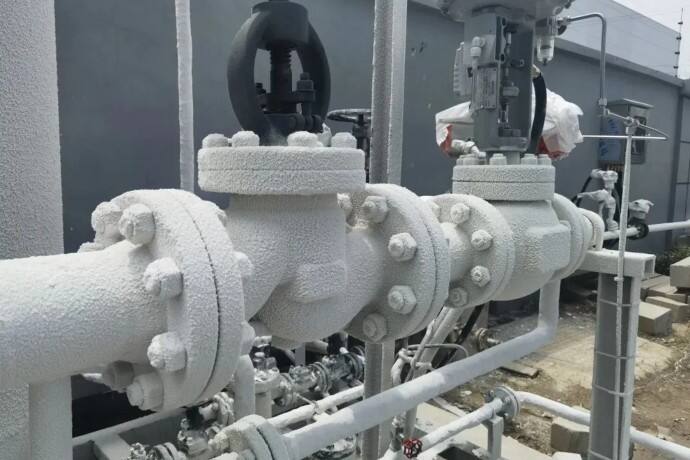
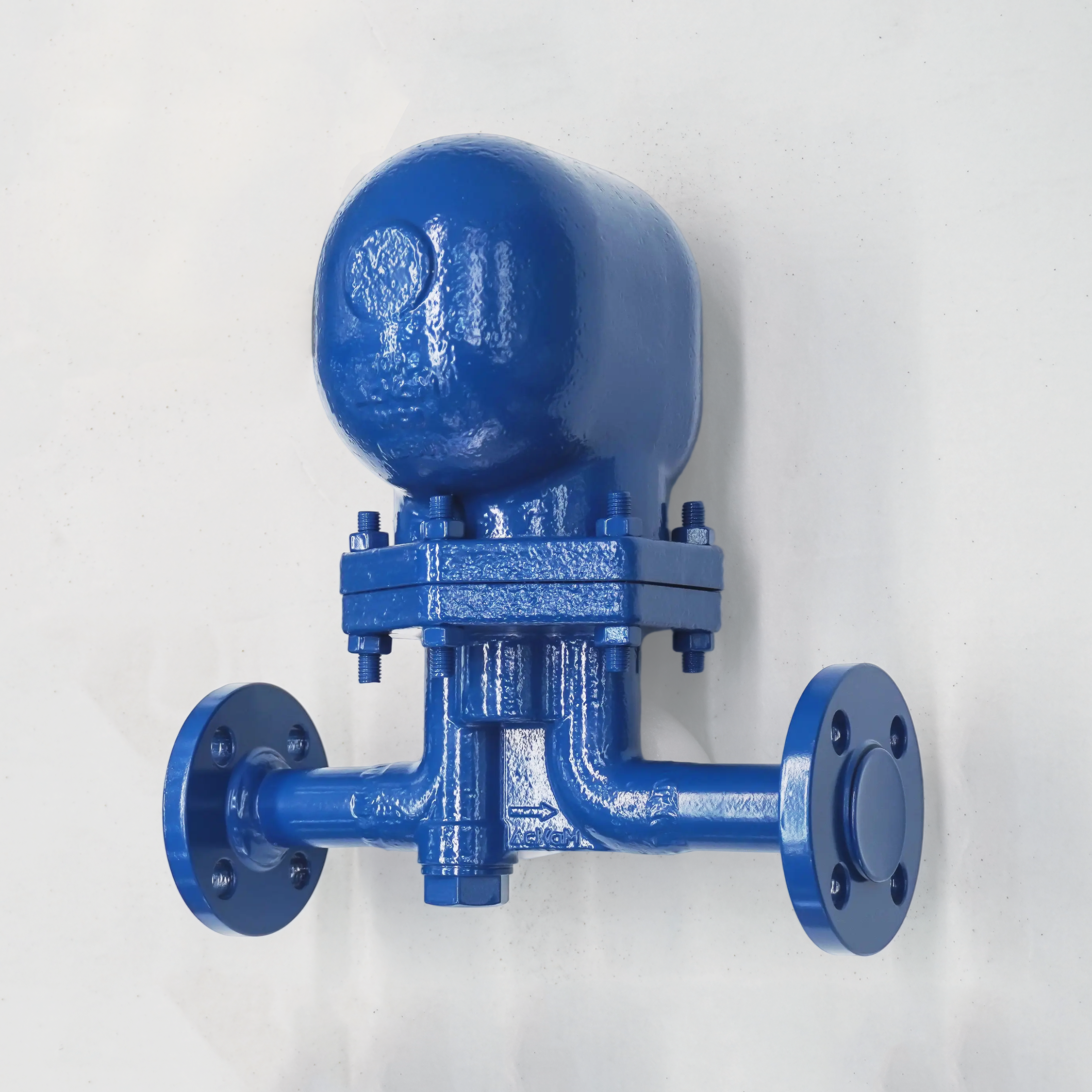
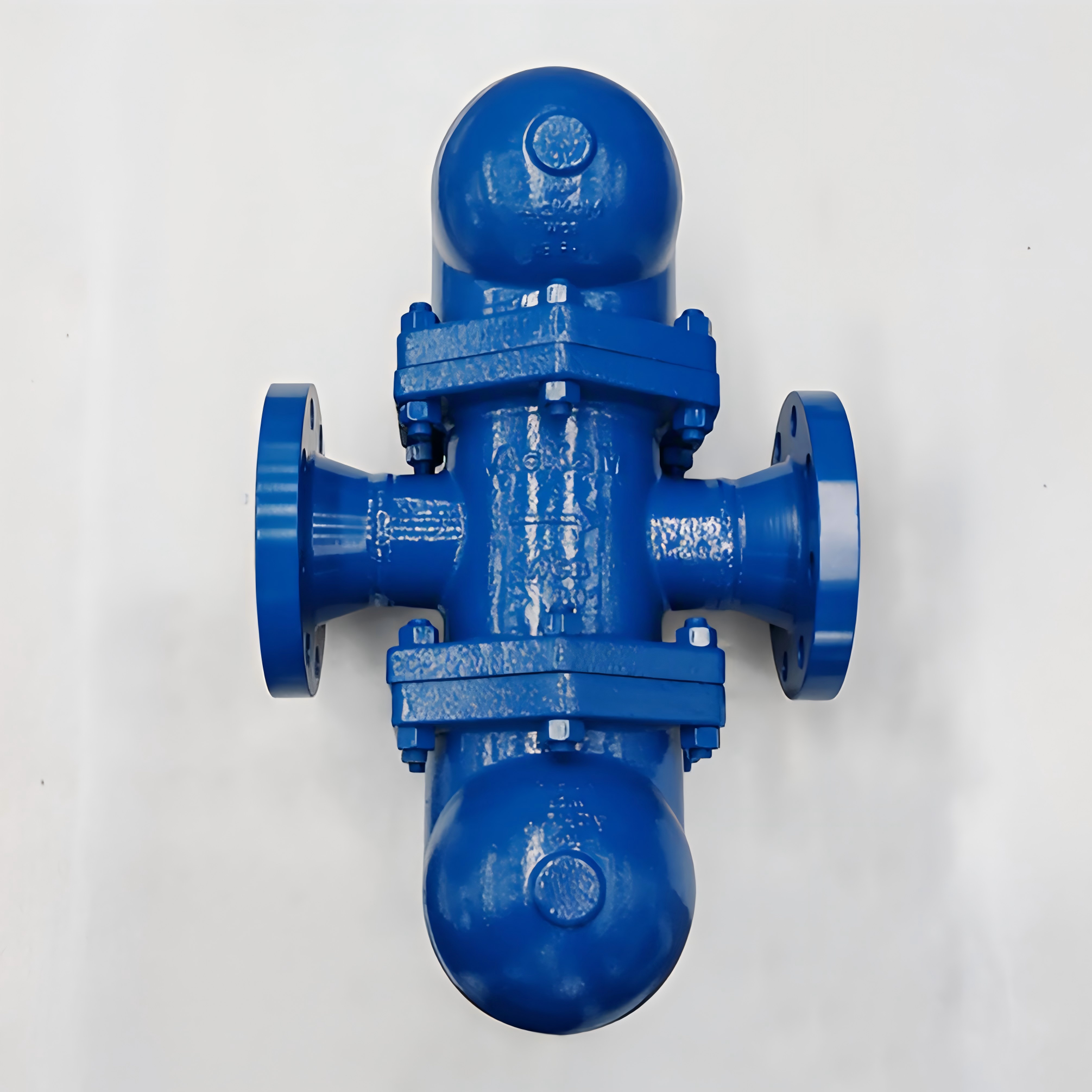
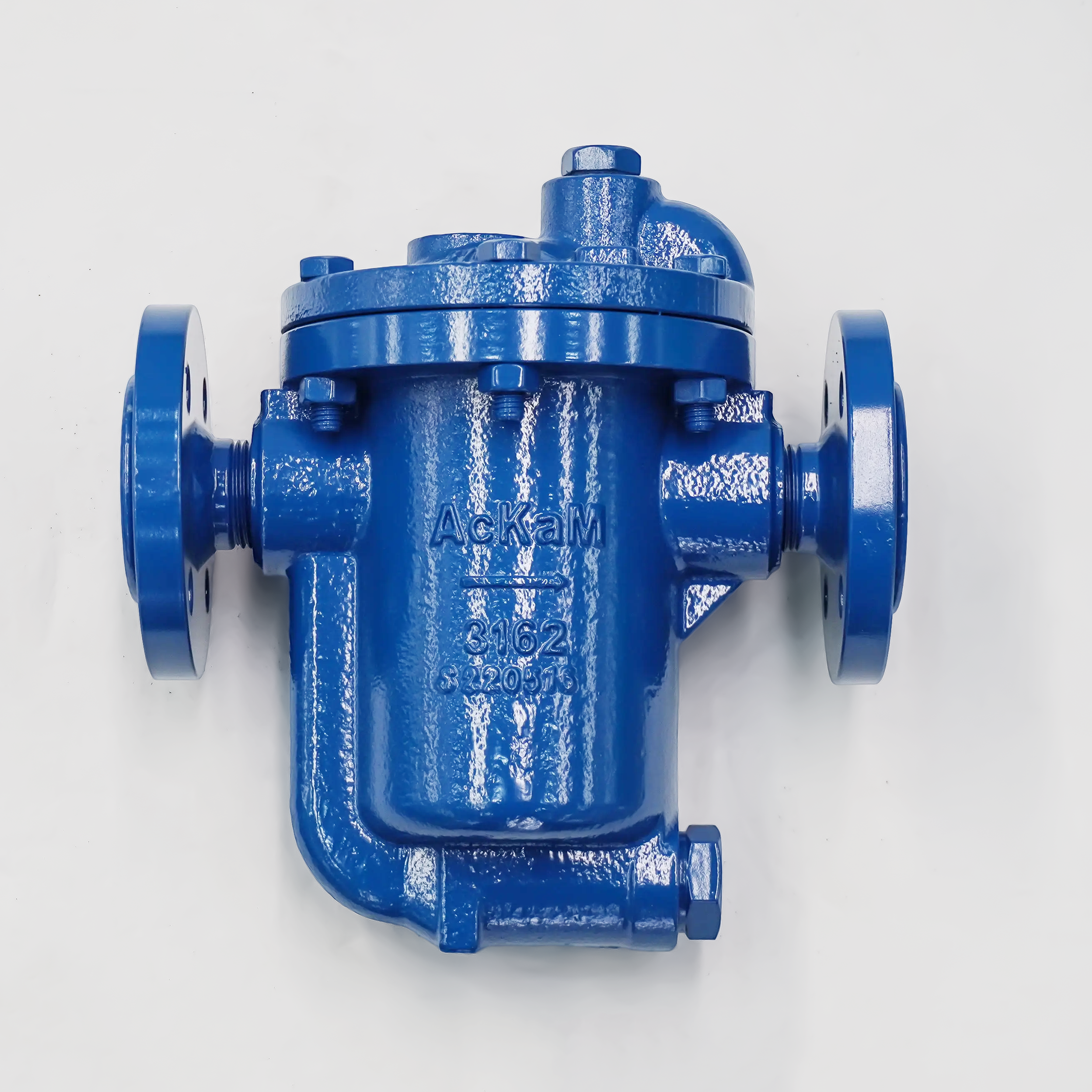
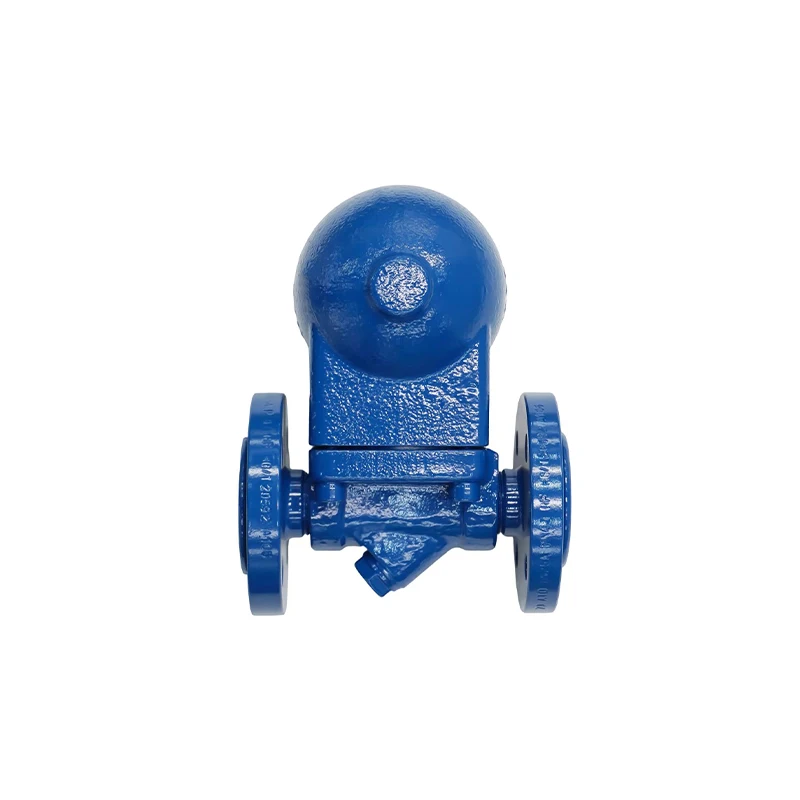
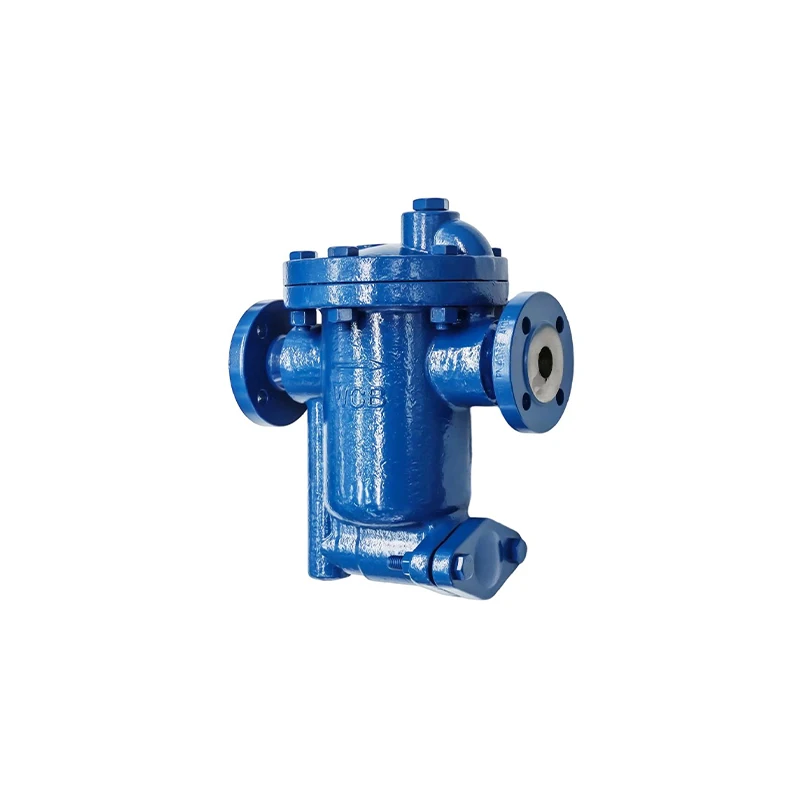
A steam trap for indirect heating represents a crucial component in industrial heating systems, designed to remove condensate while preventing steam loss in applications where steam provides heat through heat exchangers, coils, or jacketed vessels. This specialized device operates within closed-loop systems where steam transfers thermal energy through a barrier without direct contact with the product being heated. The steam trap for indirect heating maintains optimal heat transfer efficiency by ensuring continuous condensate removal while preserving valuable steam within the system. These devices incorporate advanced thermodynamic principles to distinguish between steam and condensate, automatically opening to discharge water while closing to retain steam vapor. The primary function centers on maintaining consistent temperature control throughout indirect heating processes, whether in food processing, chemical manufacturing, pharmaceutical production, or HVAC applications. Modern steam traps for indirect heating feature robust construction materials including stainless steel, cast iron, and specialized alloys to withstand varying pressure conditions and corrosive environments. The technological framework includes float mechanisms, thermostatic elements, or inverted bucket designs, each tailored to specific operational requirements. Installation typically occurs at the lowest point of heat exchangers or heating coils to facilitate gravity-assisted condensate drainage. The steam trap for indirect heating prevents water hammer, protects equipment from corrosion, and eliminates air pockets that could compromise heat transfer effectiveness. These systems operate across diverse temperature ranges, from low-pressure applications at 15 PSI to high-pressure industrial processes exceeding 600 PSI. Proper sizing and selection of steam traps for indirect heating directly impacts energy efficiency, operational costs, and equipment longevity, making them essential investments for any facility utilizing steam-based heating systems.

New Product Releases

The steam trap for indirect heating delivers significant operational benefits that translate directly into cost savings and improved system performance for industrial facilities. Energy efficiency stands as the primary advantage, as these devices prevent steam loss that would otherwise result in wasted fuel costs and reduced heating capacity. By maintaining optimal steam pressure and temperature within heating coils and heat exchangers, facilities can achieve consistent product quality while minimizing energy consumption. The automated operation of steam traps for indirect heating eliminates the need for manual valve adjustments, reducing labor costs and human error while ensuring round-the-clock system optimization. Equipment protection represents another critical benefit, as proper condensate removal prevents corrosion, erosion, and thermal shock that can damage expensive heat exchangers and heating elements. The steam trap for indirect heating extends equipment lifespan by maintaining dry steam conditions and preventing water hammer that could cause catastrophic system failures. Process control advantages include consistent temperature maintenance, faster heat-up times, and uniform heat distribution throughout the heating medium. These devices enable precise temperature regulation essential for quality-sensitive applications in pharmaceuticals, food processing, and chemical manufacturing. Maintenance requirements remain minimal compared to alternative condensate management systems, as steam traps for indirect heating operate without electrical connections or complex control systems. The self-regulating nature of these devices means they automatically adjust to varying load conditions, making them suitable for applications with fluctuating heating demands. Safety improvements result from reduced risk of steam leaks, pressure buildup, and equipment failures that could endanger personnel or damage facilities. Environmental benefits include reduced emissions from improved fuel efficiency and decreased water consumption through effective condensate recovery. The steam trap for indirect heating supports sustainable operations by maximizing energy utilization and minimizing waste. Cost-effectiveness becomes apparent through reduced utility bills, lower maintenance expenses, extended equipment life, and improved production efficiency. Return on investment typically occurs within 12-24 months, making steam traps for indirect heating an economically sound choice for facilities seeking operational improvements and cost reduction.

Latest News

Soaring to New Heights: AcKaM Industrial Surges in Billion-Dollar Market with 200% H1 Sales Growth

04

Nov

Soaring to New Heights: AcKaM Industrial Surges in Billion-Dollar Market with 200% H1 Sales Growth

View More
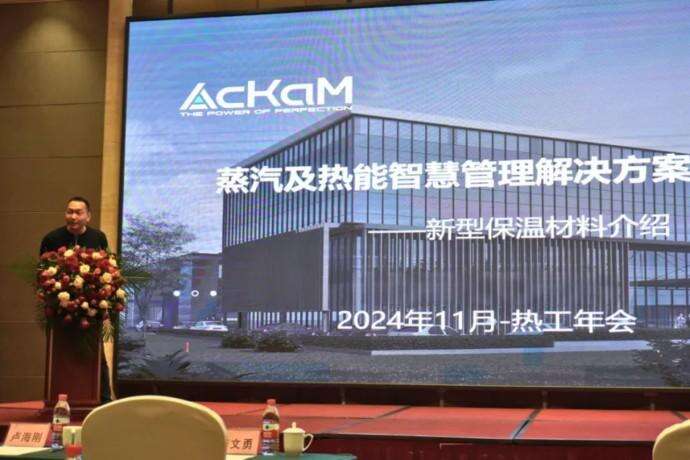
Innovation in Thermal Insulation Technology! AcKaM Delivers Keynote Speech at 2024 National Thermal Engineering Conference

05

Nov

Innovation in Thermal Insulation Technology! AcKaM Delivers Keynote Speech at 2024 National Thermal Engineering Conference

View More
AcKaM: Riding the Trillion-Yuan Wave to Pioneer Innovation

04

Nov

AcKaM: Riding the Trillion-Yuan Wave to Pioneer Innovation

View More

Get a Free Quote

Our representative will contact you soon.
Email
Name
Company Name
Message
0/1000

steam trap for indirect heating

Advanced Condensate Management Technology

Advanced Condensate Management Technology

The steam trap for indirect heating incorporates sophisticated condensate management technology that revolutionizes how industrial facilities handle steam system efficiency. This advanced technology utilizes precision-engineered internal components that respond instantly to temperature and pressure variations, ensuring optimal condensate removal while maintaining steam integrity. The thermodynamic mechanism within the steam trap for indirect heating operates on the principle of temperature differential detection, where the device automatically opens when condensate temperature drops below steam temperature, allowing water discharge while preventing steam escape. This intelligent operation eliminates the guesswork associated with manual condensate management and provides consistent results regardless of operator expertise. The technology features modulating capabilities that adjust discharge rates based on actual condensate formation, preventing both under-drainage that could flood heat exchangers and over-drainage that wastes energy. Advanced steam traps for indirect heating incorporate multi-stage filtration systems that remove debris and contaminants from condensate before discharge, protecting downstream equipment and maintaining system cleanliness. The precision manufacturing of internal components ensures reliable operation across wide temperature and pressure ranges, typically from -40°F to 800°F and pressures up to 600 PSI. Stainless steel construction with specialized surface treatments provides corrosion resistance and extends operational life beyond 20 years under normal conditions. The compact design allows installation in confined spaces while maintaining full functionality, making these devices suitable for retrofitting existing systems without major modifications. Advanced steam traps for indirect heating feature quick-response characteristics that minimize temperature fluctuations during startup and load changes, ensuring consistent heating performance. The technology includes built-in venting capabilities that automatically remove air and non-condensable gases that could impair heat transfer efficiency. Modern designs incorporate fail-safe mechanisms that default to the closed position during component failure, preventing catastrophic steam loss while allowing maintenance scheduling. This advanced condensate management technology transforms steam system operation from reactive maintenance to proactive efficiency optimization.
Energy Efficiency Optimization

Energy Efficiency Optimization

Energy efficiency optimization represents the cornerstone benefit of implementing steam traps for indirect heating, delivering measurable improvements in fuel consumption, operational costs, and environmental impact. These devices maximize heat transfer effectiveness by maintaining optimal steam conditions within heating systems, ensuring that every BTU of energy generates maximum heating output. The steam trap for indirect heating prevents energy waste through live steam discharge, a common problem that can account for 10-30% of total fuel costs in facilities without proper condensate management. By maintaining dry steam conditions, these devices ensure heat exchangers operate at design efficiency, maximizing temperature differential and heat transfer coefficients. The automatic operation eliminates energy losses associated with manual condensate draining, where operators often leave valves partially open to prevent flooding, resulting in continuous steam waste. Steam traps for indirect heating optimize energy utilization by maintaining proper steam velocity and pressure throughout the heating circuit, preventing pressure drops that reduce heating effectiveness. The precise condensate removal prevents subcooling that occurs when water accumulates in heating coils, ensuring steam temperatures remain at design levels for optimal heat transfer. Energy savings typically range from 15-25% in facilities that upgrade from manual condensate management to automated steam traps for indirect heating. The devices contribute to energy efficiency by eliminating water hammer and thermal shock that can damage equipment and create inefficiencies requiring additional energy input to compensate for reduced performance. Advanced steam traps for indirect heating incorporate energy recovery features that utilize flash steam from high-temperature condensate, capturing additional thermal energy that would otherwise be lost to atmosphere. The consistent operation maintains stable heating patterns that allow boiler systems to operate more efficiently, reducing cycling frequency and improving overall plant energy utilization. These devices support energy management initiatives by providing reliable performance data that enables optimization of steam generation and distribution systems. The steam trap for indirect heating reduces standby losses by maintaining proper system pressure and preventing unnecessary steam generation during low-demand periods. Long-term energy savings compound over time, as properly functioning steam traps maintain their efficiency throughout their operational life, typically 15-20 years, providing sustained benefits.
Maintenance-Free Reliability

Maintenance-Free Reliability

Maintenance-free reliability distinguishes steam traps for indirect heating as superior solutions for industrial condensate management, offering unparalleled operational continuity with minimal service requirements. The robust mechanical design eliminates dependency on external power sources, control systems, or regular maintenance interventions that plague alternative condensate management technologies. Steam traps for indirect heating utilize simple yet effective mechanical principles that ensure consistent operation without the complexity of electronic controls, sensors, or programmable logic controllers that require periodic calibration and replacement. The self-contained operation means these devices function reliably in harsh industrial environments where electrical systems might fail due to moisture, vibration, or electromagnetic interference. Constructed from high-grade materials including stainless steel, cast iron, and specialty alloys, steam traps for indirect heating resist corrosion, erosion, and thermal cycling that typically cause premature failure in lesser-quality devices. The precision manufacturing ensures tight tolerances and smooth operation of internal components, reducing wear and extending service life beyond typical industrial equipment standards. Advanced steam traps for indirect heating feature hardened seating surfaces and corrosion-resistant trim that maintain tight shutoff capabilities throughout the device lifecycle, preventing steam leakage that could compromise system efficiency. The simple mechanical operation means troubleshooting becomes straightforward, with most issues identifiable through basic visual inspection or simple performance tests that maintenance personnel can perform without specialized training. Modular design allows for component replacement without removing the entire steam trap for indirect heating from the system, minimizing downtime and reducing maintenance costs. The devices operate effectively in contaminated environments where debris, scale, or chemical deposits might affect other types of equipment, thanks to robust internal designs that accommodate normal industrial contaminants. Self-cleaning action during normal operation prevents buildup of deposits that could impair function, eliminating the need for periodic disassembly and cleaning. Steam traps for indirect heating maintain consistent performance characteristics throughout their service life, avoiding the performance degradation common in electronic or complex mechanical systems. The reliable operation reduces unexpected downtime, prevents emergency maintenance calls, and supports predictable maintenance scheduling that aligns with planned facility shutdowns, minimizing operational disruptions and associated costs.
Get a Free Quote

Our representative will contact you soon.
Email
Name
Company Name
Message
0/1000