Float Trap Valve: Advanced Steam System Condensate Removal Solutions

All Categories

Get a Free Quote

Our representative will contact you soon.
Email
Name
Company Name
Message
0/1000

float trap valve

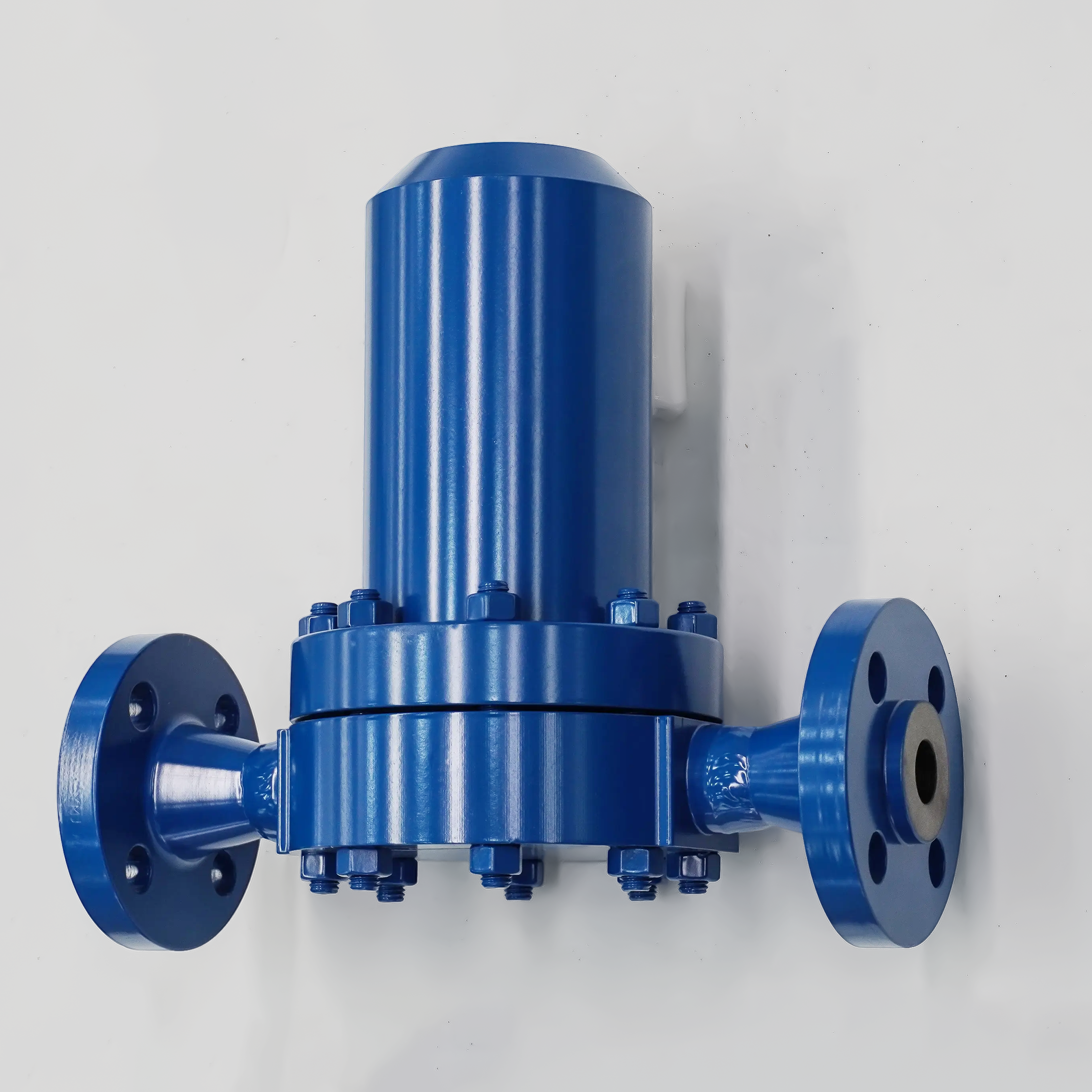
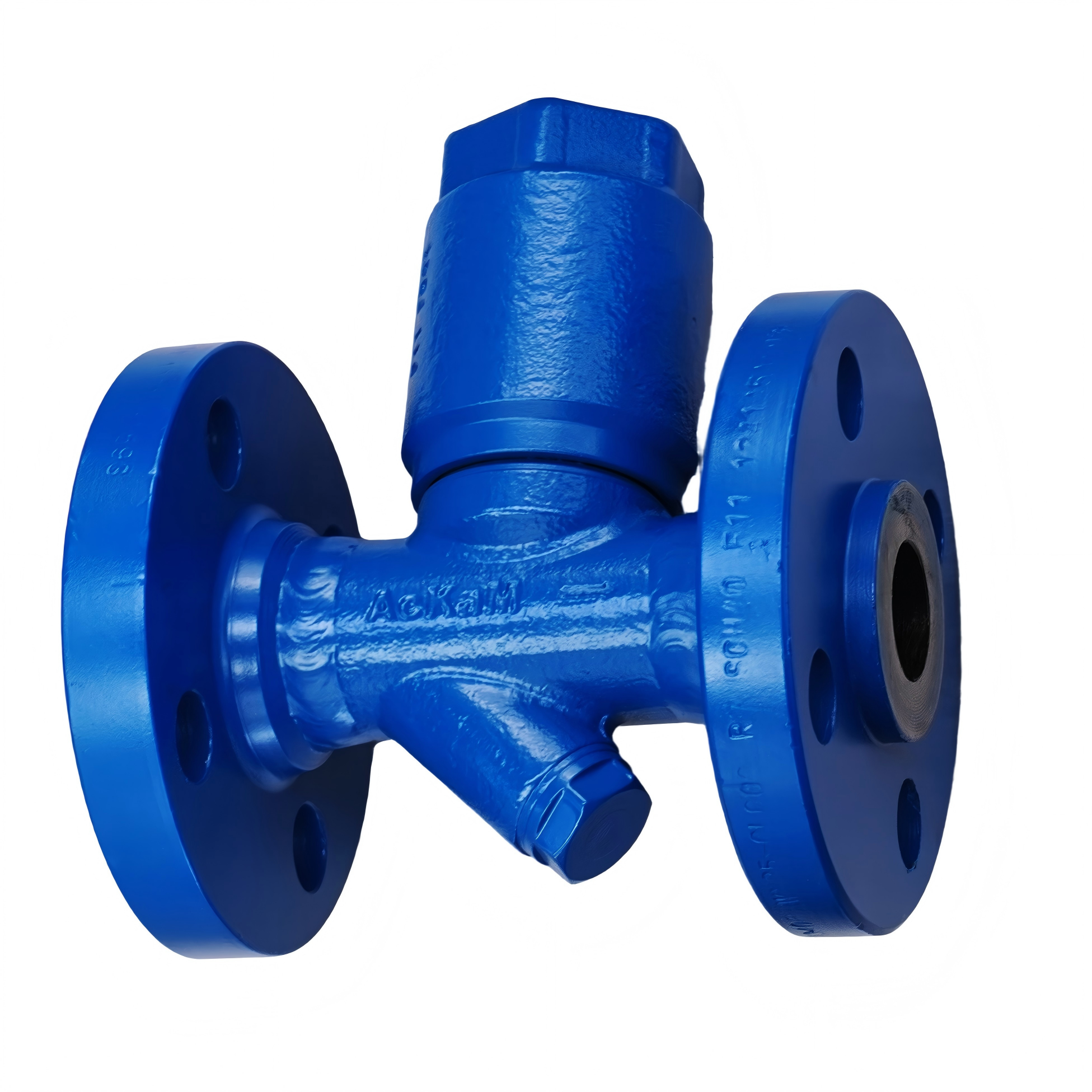
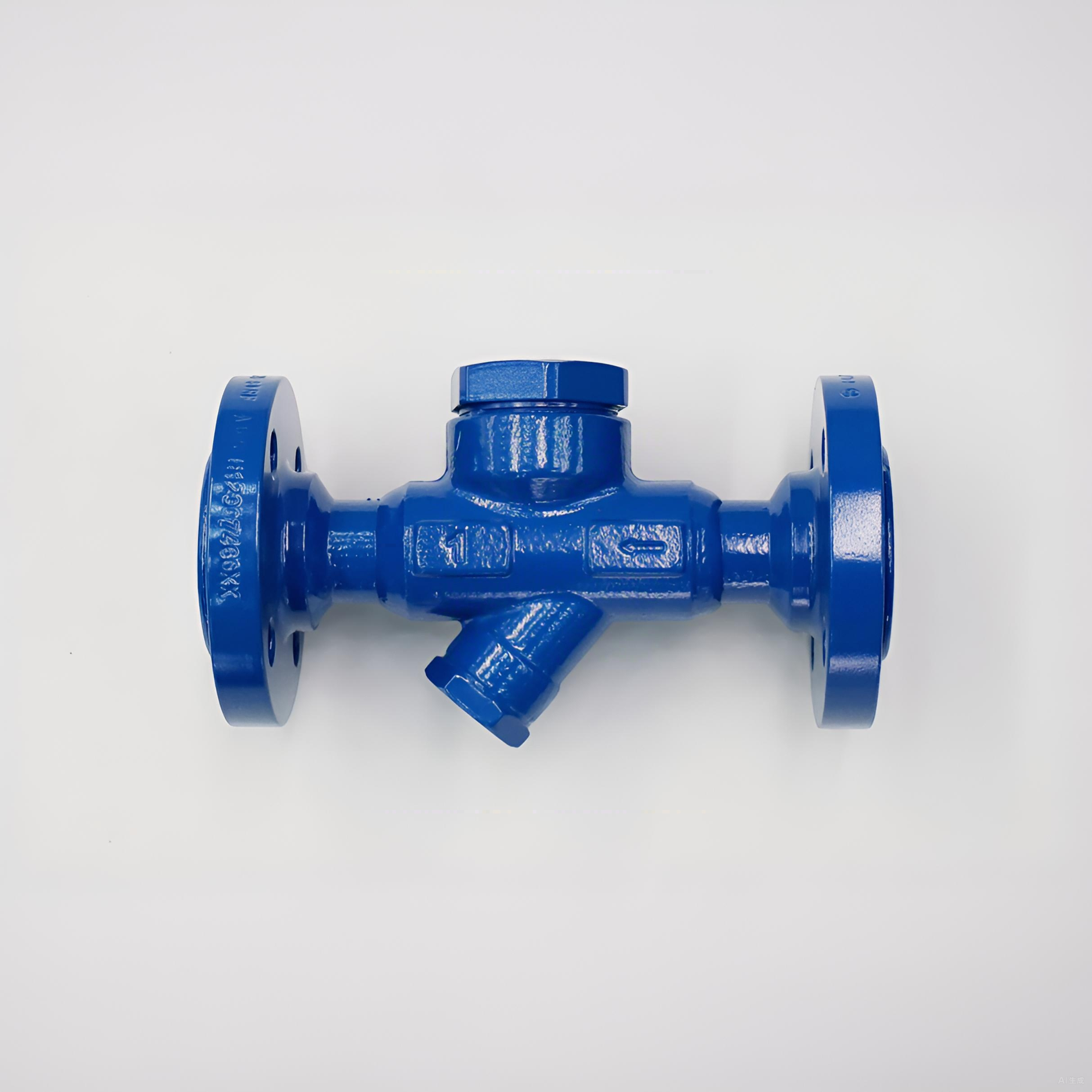
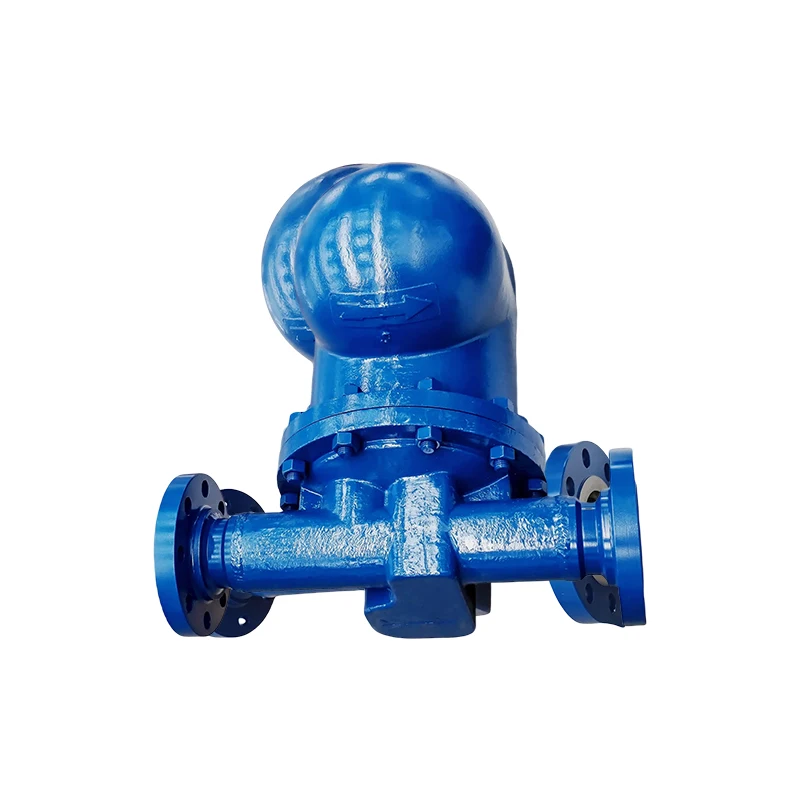
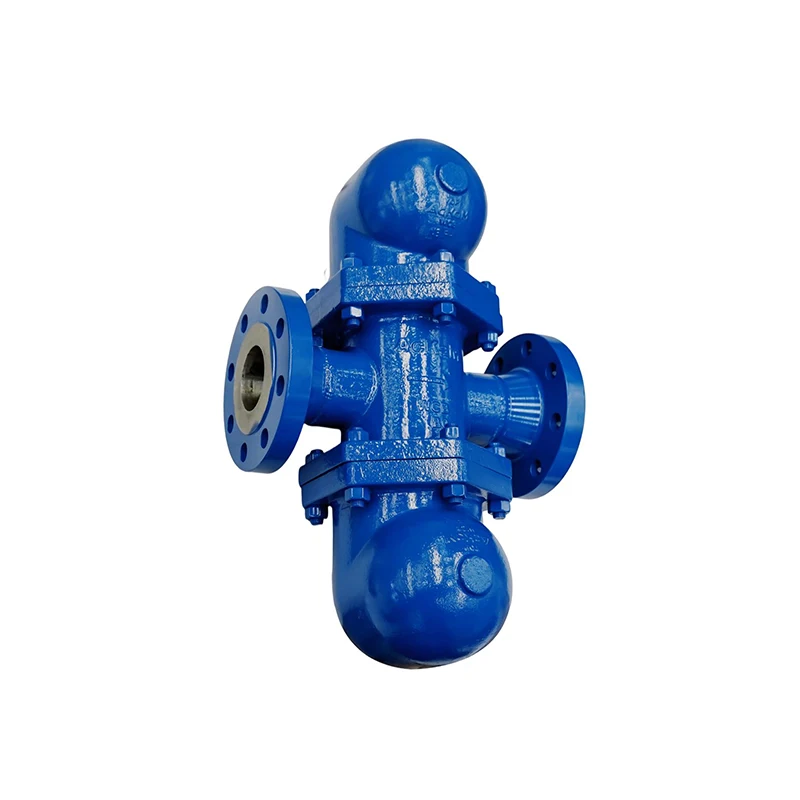
The float trap valve represents a sophisticated steam system component designed to automatically remove condensate while preventing steam loss in industrial applications. This mechanical device operates through a buoyancy-based mechanism that responds to liquid levels within the trap body. The float trap valve consists of a spherical or cylindrical float connected to a valve mechanism that opens and closes based on condensate accumulation. When condensate enters the trap chamber, the rising liquid level causes the float to rise, subsequently opening the discharge valve to expel the accumulated water. As condensate drains and the liquid level drops, the float descends, closing the valve to prevent steam escape. The float trap valve excels in continuous condensate removal applications where consistent drainage is essential for optimal system performance. These devices handle varying condensate loads effectively, making them suitable for process heating equipment, heat exchangers, and steam distribution networks. The float trap valve design incorporates corrosion-resistant materials such as stainless steel or cast iron to withstand harsh operating conditions. Advanced models feature modulating capabilities that adjust discharge rates according to condensate flow variations. The float trap valve mechanism operates independently of temperature fluctuations, relying solely on liquid level changes for activation. This characteristic ensures reliable performance across diverse operating conditions. Installation flexibility allows the float trap valve to function in various orientations, though vertical mounting typically provides optimal results. Maintenance requirements remain minimal due to the robust construction and simple operating principles. The float trap valve technology has evolved to include features such as integrated strainers, blow-down capabilities, and diagnostic ports for enhanced serviceability. Modern float trap valve designs incorporate energy-efficient principles that maximize steam retention while ensuring complete condensate evacuation, contributing to overall system efficiency and reduced operating costs.

New Products

The float trap valve offers numerous practical benefits that make it an excellent choice for steam system applications. These devices provide continuous condensate removal without interruption, ensuring your steam system operates at peak efficiency throughout the day. Unlike intermittent-operating traps, the float trap valve responds immediately to condensate presence, eliminating the risk of water backup that can damage equipment or reduce heat transfer effectiveness. The automatic operation eliminates the need for manual intervention, reducing labor costs and minimizing the potential for human error in system management. Energy savings represent a significant advantage of the float trap valve, as these devices prevent valuable steam from escaping while efficiently removing condensate. This dual capability helps reduce fuel consumption and lower operational expenses over time. The float trap valve handles varying condensate loads with ease, automatically adjusting its discharge rate to match changing system demands. This adaptability makes it ideal for applications where condensate production fluctuates throughout operating cycles. Durability stands as another key strength of the float trap valve, with robust construction materials and simple mechanical design ensuring long service life with minimal maintenance requirements. The absence of complex electronic components or external power sources enhances reliability and reduces potential failure points. Installation versatility allows the float trap valve to fit into existing piping systems with minimal modifications, making retrofits straightforward and cost-effective. The compact design occupies minimal space while delivering maximum performance, particularly valuable in crowded mechanical rooms or tight installation areas. Temperature independence means the float trap valve operates consistently regardless of steam temperature variations, providing reliable performance across diverse operating conditions. The modulating capability of advanced float trap valve models ensures optimal condensate removal while preserving steam, maximizing system efficiency. Maintenance simplicity reduces downtime and service costs, as most float trap valve designs allow for easy inspection and component replacement without extensive disassembly. These combined advantages make the float trap valve a smart investment for facilities seeking reliable, efficient, and cost-effective condensate management solutions.

Tips And Tricks

Soaring to New Heights: AcKaM Industrial Surges in Billion-Dollar Market with 200% H1 Sales Growth

04

Nov

Soaring to New Heights: AcKaM Industrial Surges in Billion-Dollar Market with 200% H1 Sales Growth

View More
Innovation in Thermal Insulation Technology! AcKaM Delivers Keynote Speech at 2024 National Thermal Engineering Conference

05

Nov

Innovation in Thermal Insulation Technology! AcKaM Delivers Keynote Speech at 2024 National Thermal Engineering Conference

View More
AcKaM: Riding the Trillion-Yuan Wave to Pioneer Innovation

04

Nov

AcKaM: Riding the Trillion-Yuan Wave to Pioneer Innovation

View More

Get a Free Quote

Our representative will contact you soon.
Email
Name
Company Name
Message
0/1000

float trap valve

Continuous Condensate Removal Technology

Continuous Condensate Removal Technology

The float trap valve revolutionizes condensate management through its continuous removal technology, setting it apart from intermittent-operating alternatives in the market. This advanced capability ensures that condensate never accumulates to problematic levels within your steam system, maintaining optimal heat transfer efficiency and preventing water hammer damage. The continuous operation principle of the float trap valve means that as soon as condensate enters the trap chamber, the buoyant float begins responding to the rising liquid level. This immediate response eliminates the waiting periods associated with other trap types, ensuring that condensate removal occurs in real-time as it forms. The significance of this continuous removal cannot be overstated, particularly in applications where consistent heat transfer is critical for process quality and equipment longevity. Traditional intermittent traps create cycles of condensate accumulation and discharge, leading to temperature fluctuations that can affect product quality and system stability. The float trap valve eliminates these fluctuations by maintaining steady condensate levels, resulting in more consistent process temperatures and improved overall system performance. This technology proves especially valuable in heat exchangers, where condensate buildup can significantly reduce heat transfer coefficients and increase energy consumption. By ensuring continuous removal, the float trap valve maintains optimal heat exchanger performance, reducing fuel costs and improving process efficiency. The continuous removal capability also prevents the formation of corrosive carbonic acid that can develop when condensate remains stagnant in the system. This protection extends equipment life and reduces maintenance costs associated with corrosion damage. Additionally, the float trap valve technology eliminates the risk of steam binding that can occur with other trap types when condensate accumulates faster than the discharge mechanism can handle. This reliability ensures uninterrupted steam system operation, preventing costly production delays and equipment damage that can result from condensate-related failures.
Energy Efficiency and Steam Conservation

Energy Efficiency and Steam Conservation

The float trap valve delivers exceptional energy efficiency through its intelligent steam conservation design, making it an environmentally responsible and cost-effective solution for industrial facilities. This remarkable efficiency stems from the trap's ability to distinguish between condensate and steam with precision, ensuring that valuable steam remains in the system while unwanted condensate is promptly removed. The float trap valve mechanism operates on density differences between steam and condensate, with the float responding only to liquid accumulation while remaining unaffected by steam presence. This selective response prevents the steam loss that commonly occurs with less sophisticated trap designs, translating directly into reduced fuel consumption and lower operating costs. Energy conservation becomes particularly significant in large-scale industrial operations where steam loss can represent substantial financial losses over time. The float trap valve technology addresses this concern by incorporating tight-sealing valve mechanisms that prevent steam leakage when the trap is in the closed position. Advanced sealing materials and precision-machined valve seats ensure minimal steam loss even under high-pressure conditions, maximizing the return on your steam generation investment. The efficiency benefits extend beyond simple steam conservation to include improved system heat balance and reduced cycling of steam generation equipment. By maintaining optimal steam distribution throughout the system, the float trap valve helps boilers operate more efficiently, reducing fuel consumption and emissions while extending equipment life. The modulating capability of modern float trap valve designs further enhances efficiency by adjusting discharge rates to match actual condensate loads, preventing unnecessary energy loss during periods of low condensate production. This intelligent operation results in measurable energy savings that can significantly impact operational budgets, particularly in facilities with extensive steam distribution networks. Environmental benefits accompany the economic advantages, as reduced fuel consumption translates to lower carbon emissions and smaller environmental footprints. The float trap valve thus supports both financial and sustainability objectives, making it an ideal choice for forward-thinking organizations committed to responsible resource management and operational excellence.
Versatile Application and Installation Flexibility

Versatile Application and Installation Flexibility

The float trap valve demonstrates remarkable versatility in application scope and installation flexibility, making it suitable for an extensive range of industrial processes and system configurations. This adaptability stems from the fundamental design principles that allow the float trap valve to function effectively across diverse operating conditions, pressure ranges, and installation orientations. The versatility begins with the float trap valve's ability to handle varying condensate loads without performance degradation, accommodating applications from light condensate removal in small heat exchangers to heavy-duty drainage in large process equipment. This load-handling capability makes the float trap valve an excellent choice for facilities with diverse steam applications, allowing standardization on a single trap type across multiple systems. Installation flexibility represents another crucial advantage, as the float trap valve can be mounted in various orientations to accommodate space constraints and piping configurations. While vertical installation typically provides optimal performance, horizontal and angled mounting options ensure that the float trap valve can fit into virtually any system layout without compromising functionality. This flexibility proves invaluable during retrofits where existing piping configurations may limit trap placement options. The float trap valve adapts to different pressure and temperature ranges, making it suitable for both low-pressure heating applications and high-pressure process steam systems. This broad operating range eliminates the need for multiple trap types in facilities with varying steam conditions, simplifying inventory management and maintenance procedures. Connection options further enhance installation flexibility, with threaded, flanged, and welded end configurations available to match existing piping systems. The compact design of most float trap valve models allows installation in confined spaces where larger trap types would be impractical, making it ideal for crowded mechanical rooms and equipment areas with limited access. Maintenance accessibility receives careful consideration in float trap valve design, with service-friendly features that facilitate inspection and component replacement without extensive disassembly. This serviceability reduces maintenance time and costs while minimizing system downtime during service intervals. The versatility extends to specialized applications such as marine systems, pharmaceutical processes, and food production facilities where specific material certifications and sanitary design features may be required, with float trap valve manufacturers offering configurations to meet these demanding requirements.


Get a Free Quote

Our representative will contact you soon.
Email
Name
Company Name
Message
0/1000