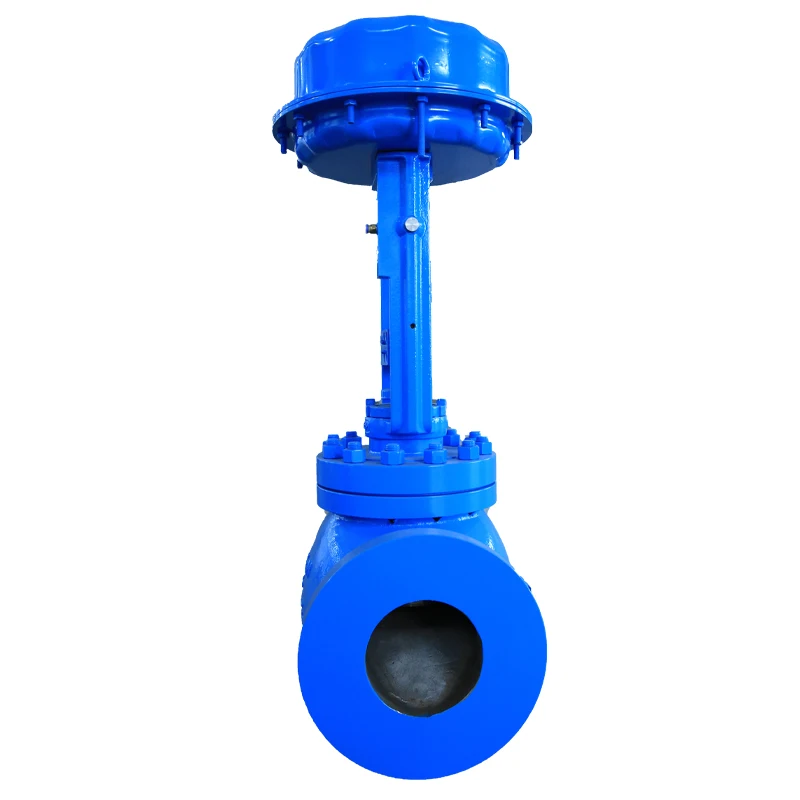
Advanced Automated Steam Trap Systems - Superior Efficiency & Intelligent Control

All Categories

Get a Free Quote

Our representative will contact you soon.
Email
Name
Company Name
Message
0/1000

automated steam trap

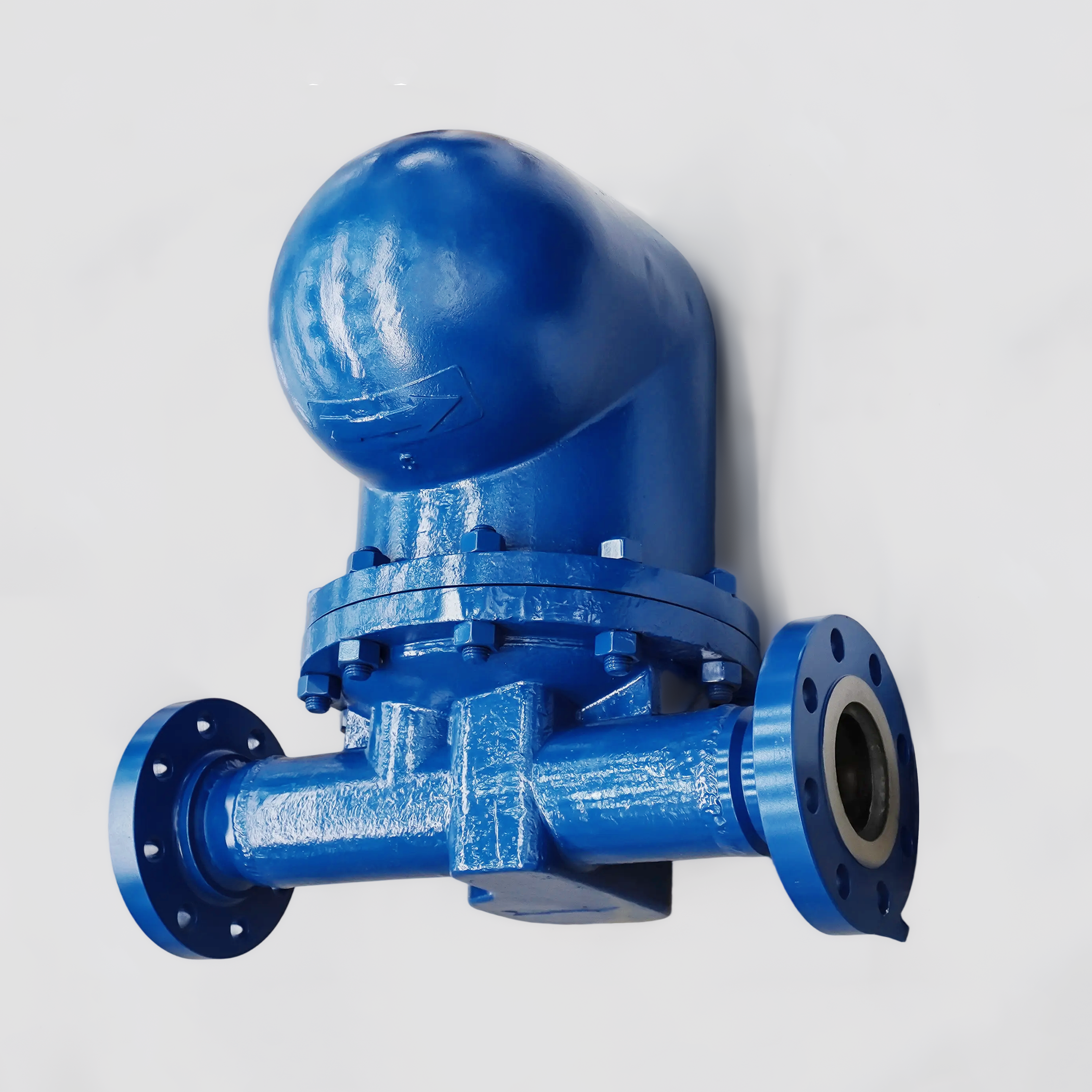
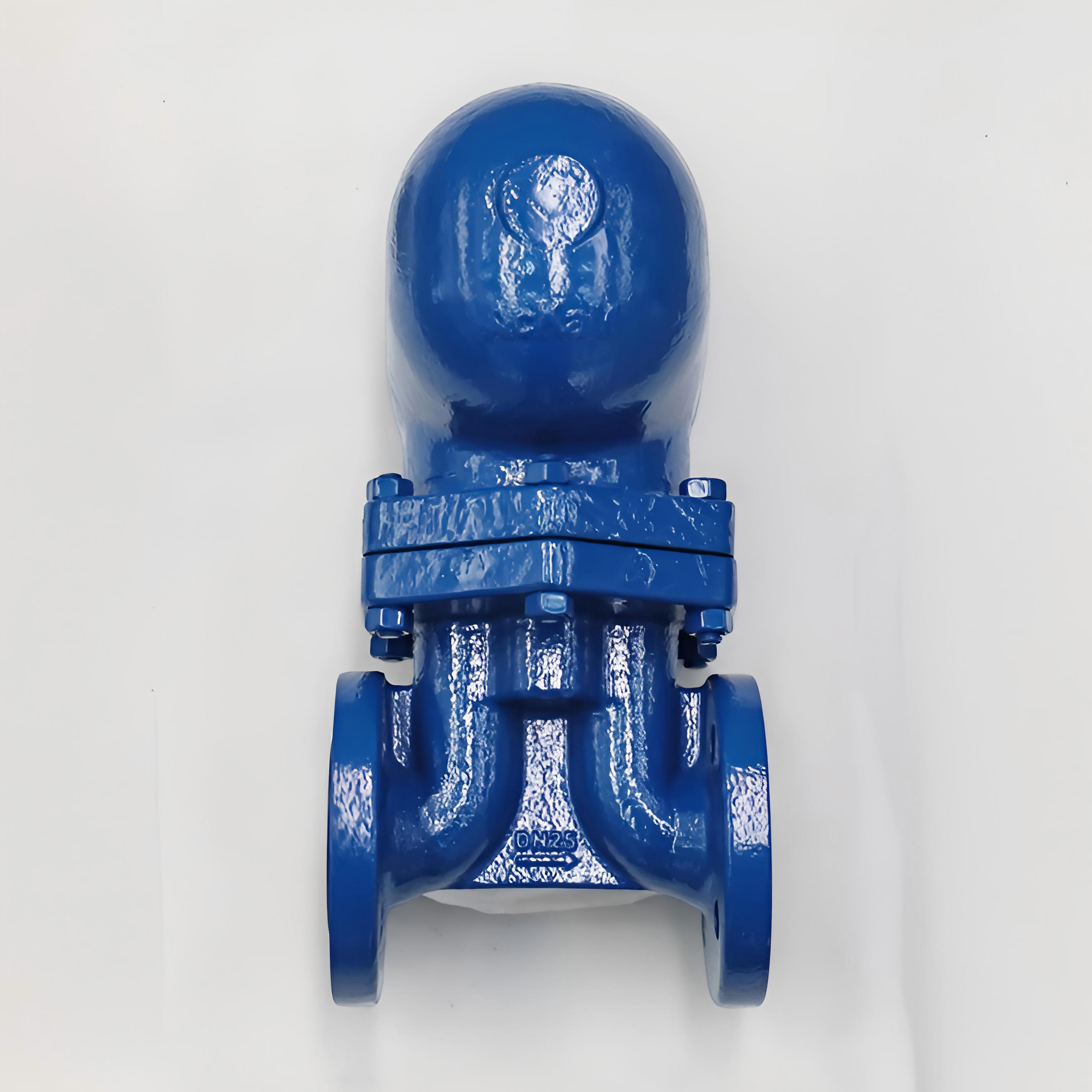
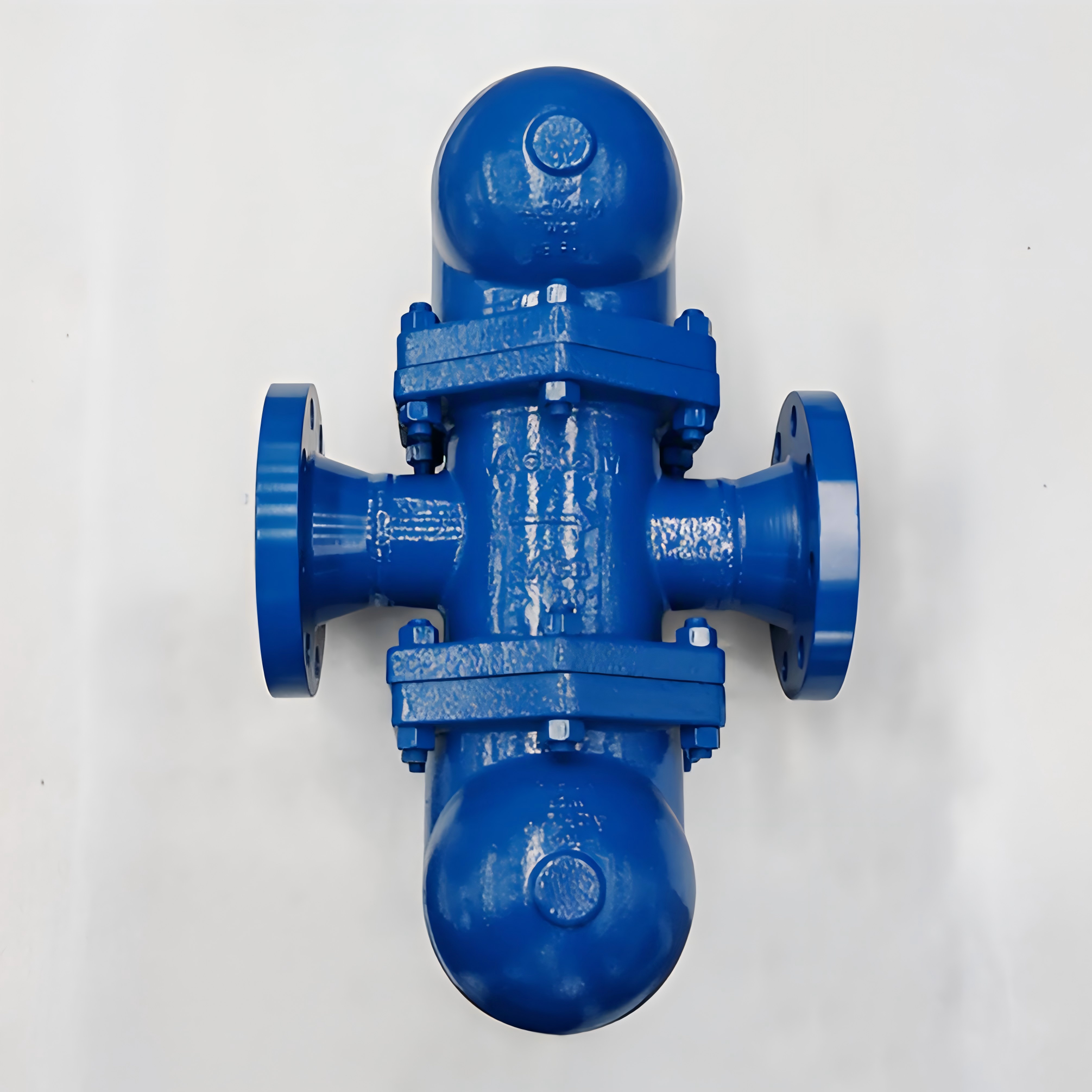
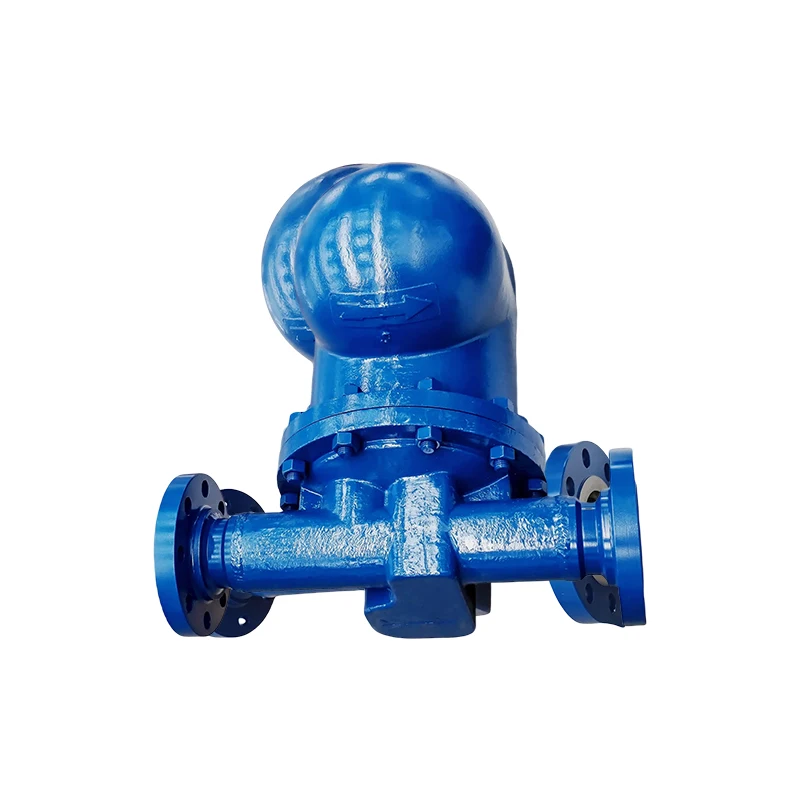
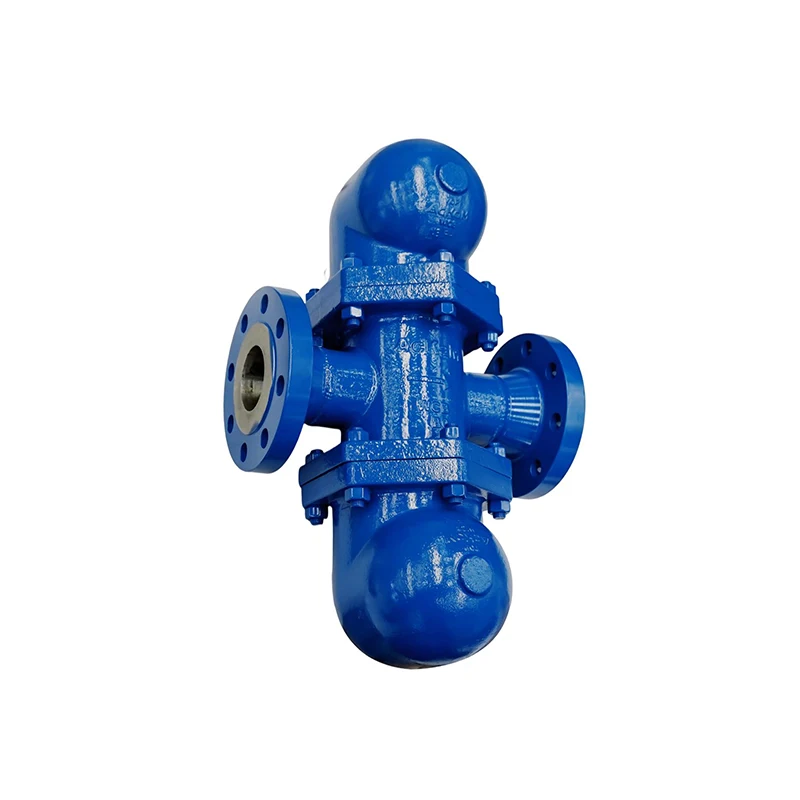
The automated steam trap represents a revolutionary advancement in steam system technology, designed to efficiently remove condensate, air, and non-condensable gases while preventing valuable steam loss. This sophisticated device operates through intelligent automation mechanisms that continuously monitor steam conditions and respond accordingly without manual intervention. Unlike traditional steam traps that rely on basic thermodynamic principles, the automated steam trap incorporates advanced sensors and control systems to optimize performance across varying operational conditions. The primary function centers on maintaining optimal steam system efficiency by automatically detecting the presence of condensate and facilitating its immediate removal through precisely timed discharge cycles. These devices utilize cutting-edge temperature and pressure sensing technology to differentiate between steam and condensate, ensuring accurate operation regardless of load fluctuations or system pressure variations. The automated steam trap features robust construction materials including stainless steel components and corrosion-resistant alloys that withstand harsh industrial environments and aggressive condensate conditions. Advanced sealing mechanisms prevent internal leakage while maintaining long-term reliability under continuous operation. The integration of smart control electronics enables real-time monitoring and diagnostic capabilities, providing operators with valuable insights into system performance and maintenance requirements. Applications span across diverse industries including chemical processing, pharmaceutical manufacturing, food production, textile operations, and power generation facilities. In chemical plants, these devices ensure precise temperature control during critical reaction processes while preventing contamination from condensate accumulation. Pharmaceutical facilities benefit from the sterile operation and consistent performance that maintains product quality standards. Food processing applications leverage the hygienic design and reliable condensate removal to support stringent safety requirements. The automated steam trap delivers superior performance in heating systems, process equipment, and distribution networks where consistent steam quality directly impacts operational efficiency and product outcomes.

New Product Releases

The automated steam trap delivers exceptional energy efficiency by eliminating steam waste through precise condensate detection and removal capabilities. Traditional traps often experience steam blow-through during operation, resulting in significant energy losses that directly impact operational costs. The automated system prevents this wastage by utilizing advanced sensing technology that accurately distinguishes between steam and condensate phases, ensuring steam remains within the system while efficiently evacuating unwanted liquids. This precision translates into substantial cost savings for facilities, particularly those with extensive steam networks where even minor improvements yield significant financial benefits. Maintenance requirements decrease dramatically compared to conventional alternatives, as the automated steam trap incorporates self-diagnostic features that monitor internal components and operational parameters continuously. These intelligent systems alert maintenance teams to potential issues before failures occur, enabling proactive maintenance scheduling that prevents unexpected downtime and costly emergency repairs. The reduced maintenance burden allows technical staff to focus on other critical tasks while ensuring optimal system performance. Operational reliability reaches new standards through robust design elements and advanced control mechanisms that adapt to changing system conditions automatically. The automated steam trap responds instantaneously to load variations, pressure fluctuations, and temperature changes without manual adjustments or operator intervention. This adaptability ensures consistent performance across diverse operating scenarios, from startup conditions to full-load operations and everything between. Enhanced safety features protect both equipment and personnel by preventing dangerous pressure buildups and maintaining stable system conditions. The automated controls eliminate human error factors that sometimes compromise traditional trap operations, creating a safer working environment while improving overall system integrity. Installation flexibility accommodates various piping configurations and space constraints, making these devices suitable for both new construction projects and retrofit applications. The compact design and versatile mounting options simplify integration into existing systems without extensive modifications. Remote monitoring capabilities enable centralized control room oversight of multiple automated steam trap installations throughout large facilities, providing comprehensive system visibility and control from a single location. This centralization improves response times to operational changes and facilitates coordinated system optimization strategies that maximize overall efficiency.

Latest News

Soaring to New Heights: AcKaM Industrial Surges in Billion-Dollar Market with 200% H1 Sales Growth

04

Nov

Soaring to New Heights: AcKaM Industrial Surges in Billion-Dollar Market with 200% H1 Sales Growth

View More
Innovation in Thermal Insulation Technology! AcKaM Delivers Keynote Speech at 2024 National Thermal Engineering Conference

05

Nov

Innovation in Thermal Insulation Technology! AcKaM Delivers Keynote Speech at 2024 National Thermal Engineering Conference

View More
AcKaM: Riding the Trillion-Yuan Wave to Pioneer Innovation

04

Nov

AcKaM: Riding the Trillion-Yuan Wave to Pioneer Innovation

View More

Get a Free Quote

Our representative will contact you soon.
Email
Name
Company Name
Message
0/1000

automated steam trap

Advanced Sensor Technology for Unparalleled Accuracy

Advanced Sensor Technology for Unparalleled Accuracy

The automated steam trap incorporates state-of-the-art sensor technology that revolutionizes condensate management through unprecedented accuracy and reliability. Multiple sensor types work in harmony to create a comprehensive monitoring system that continuously evaluates steam conditions with remarkable precision. Temperature sensors utilize high-resolution thermocouples or resistance temperature detectors that respond within milliseconds to thermal changes, enabling the system to detect the exact moment when steam begins condensing. Pressure transducers monitor system pressure fluctuations and provide critical data for optimizing discharge timing based on current operating conditions. Flow sensors add another layer of intelligence by measuring condensate accumulation rates and predicting optimal removal intervals. This multi-sensor approach eliminates the guesswork associated with traditional steam trap operations and ensures consistent performance regardless of external variables. The sensor integration creates a feedback loop that continuously refines operational parameters, learning from system behavior patterns to improve future performance. Advanced signal processing algorithms analyze sensor data in real-time, filtering out noise and environmental interference that might compromise accuracy in industrial settings. The sensors feature robust construction with protective housings that withstand extreme temperatures, corrosive environments, and mechanical vibrations common in industrial applications. Calibration procedures utilize automated routines that maintain sensor accuracy over extended operational periods without requiring frequent manual adjustments. The sensor system communicates seamlessly with central control units through digital protocols that ensure reliable data transmission even in electrically noisy environments. Redundant sensor configurations provide backup capabilities that maintain system functionality even if individual sensors experience failures. This reliability ensures continuous operation and prevents costly system shutdowns that could impact production schedules. The advanced sensor technology enables predictive maintenance capabilities by monitoring component wear patterns and performance degradation trends, allowing maintenance teams to schedule interventions before failures occur. This proactive approach significantly reduces unexpected downtime and extends equipment lifespan while maintaining optimal performance throughout the operational cycle.
Intelligent Control System for Optimal Performance

Intelligent Control System for Optimal Performance

The intelligent control system represents the brain of the automated steam trap, orchestrating all operational functions through sophisticated algorithms and decision-making processes that optimize performance continuously. This advanced control architecture processes multiple input streams simultaneously, including temperature readings, pressure measurements, flow rates, and historical performance data to make informed decisions about condensate removal timing and duration. Machine learning capabilities enable the system to adapt to specific installation characteristics and operational patterns, becoming more efficient over time as it learns from experience. The control system maintains detailed operational logs that track performance metrics, energy consumption, and maintenance indicators, providing valuable insights for system optimization and troubleshooting. Programmable logic controllers execute complex control sequences that coordinate valve operations, sensor readings, and communication functions with millisecond precision. The system features multiple operating modes that accommodate different operational scenarios, from startup sequences that handle initial system charging to steady-state operations and emergency shutdown procedures. Safety interlocks prevent dangerous operating conditions by monitoring critical parameters and initiating protective actions automatically when necessary. The intelligent control system integrates seamlessly with building management systems and industrial control networks through standard communication protocols including Ethernet, Modbus, and fieldbus connections. Remote programming capabilities allow system technicians to adjust operational parameters, update control logic, and perform diagnostic procedures from centralized locations without requiring physical access to individual units. Real-time monitoring dashboards provide comprehensive system visibility through intuitive graphical interfaces that display current operating status, performance trends, and alert notifications. The control system maintains operational continuity during power interruptions through battery backup systems and non-volatile memory that preserves critical settings and operational data. Diagnostic routines continuously monitor system health and component performance, identifying potential issues before they impact operations and providing detailed troubleshooting guidance to maintenance personnel. The intelligent control system enables coordinated operation of multiple automated steam trap installations throughout large facilities, optimizing overall system performance through synchronized control strategies that maximize energy efficiency and minimize operational costs.
Superior Energy Efficiency and Cost Reduction

Superior Energy Efficiency and Cost Reduction

The automated steam trap delivers exceptional energy efficiency that translates directly into substantial cost reductions for industrial facilities through multiple mechanisms that optimize steam utilization and minimize waste. Traditional steam traps often lose significant amounts of live steam through blow-through incidents and inefficient condensate removal cycles, but the automated system eliminates these losses through precise control and accurate phase detection. Energy savings typically range from fifteen to thirty percent compared to conventional alternatives, with larger facilities experiencing even greater benefits due to scale effects and system optimization opportunities. The precise condensate removal prevents steam hammer conditions that damage piping systems and equipment, eliminating costly repairs and extending infrastructure lifespan significantly. Reduced maintenance requirements contribute to overall cost efficiency by minimizing labor expenses, replacement part costs, and system downtime that impacts production schedules. The automated steam trap operates with remarkable consistency across varying load conditions, maintaining optimal efficiency during peak demand periods when energy costs are highest and during low-load scenarios where traditional traps often perform poorly. Advanced control algorithms optimize discharge cycles based on real-time conditions rather than fixed intervals, ensuring condensate removal occurs only when necessary and preventing excessive cycling that wastes energy. The system monitors energy consumption continuously and provides detailed reporting that helps facility managers identify additional optimization opportunities and track performance improvements over time. Integration with facility energy management systems enables coordinated optimization strategies that align steam trap operations with broader energy efficiency initiatives and demand response programs. The automated steam trap supports sustainability goals by reducing carbon footprint through improved energy efficiency and decreased steam generation requirements. Return on investment typically occurs within twelve to eighteen months for most installations, with ongoing operational savings continuing throughout the equipment lifecycle. Facility-wide installations of automated steam trap systems create synergistic effects that compound individual unit benefits through coordinated operation and system-level optimization strategies. The consistent performance and reliability reduce insurance premiums and regulatory compliance costs by maintaining safer operating conditions and preventing incidents that could result in penalties or legal liabilities. Long-term cost benefits include extended equipment lifespan, reduced infrastructure replacement requirements, and improved process efficiency that enhances product quality and production throughput.

Get a Free Quote

Our representative will contact you soon.
Email
Name
Company Name
Message
0/1000