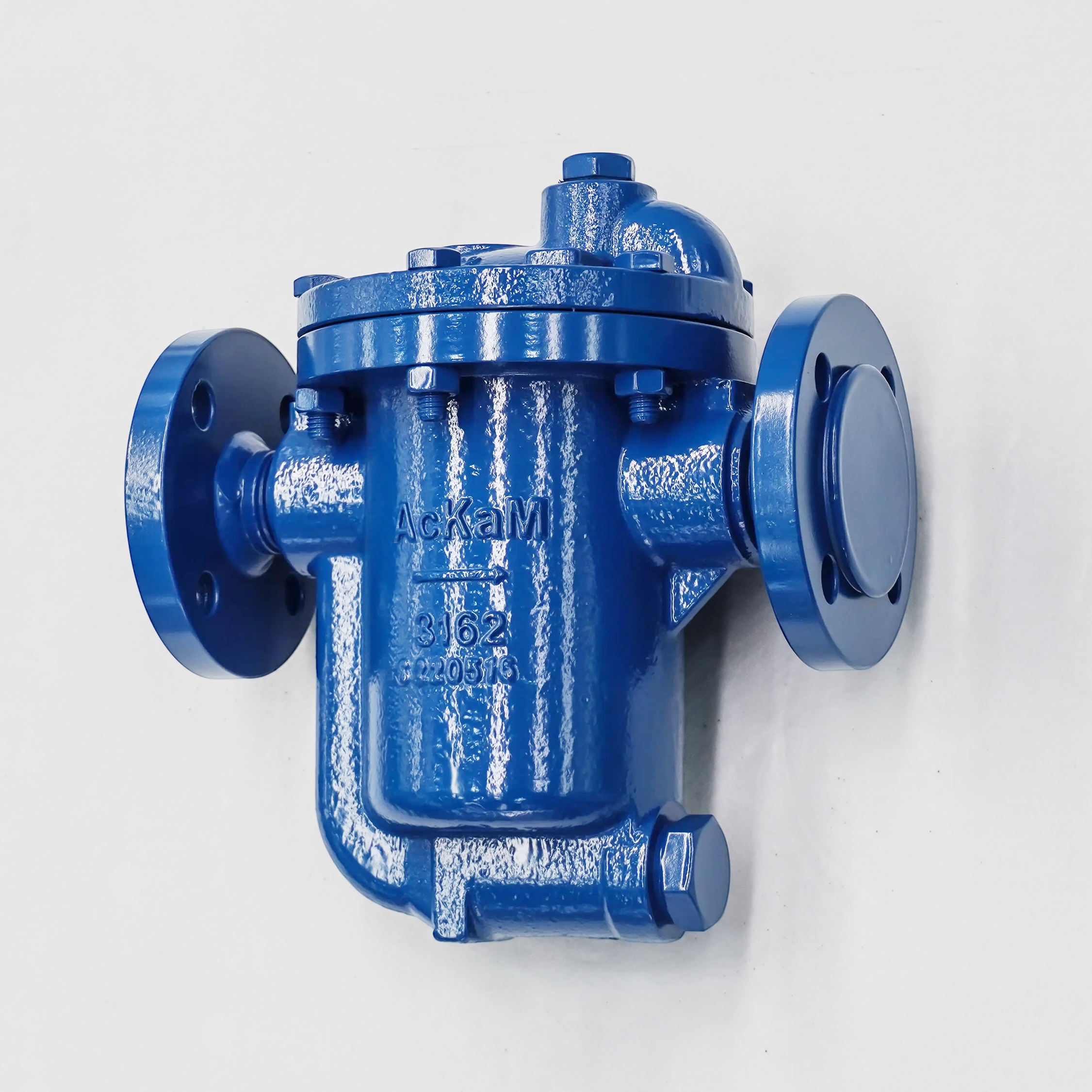
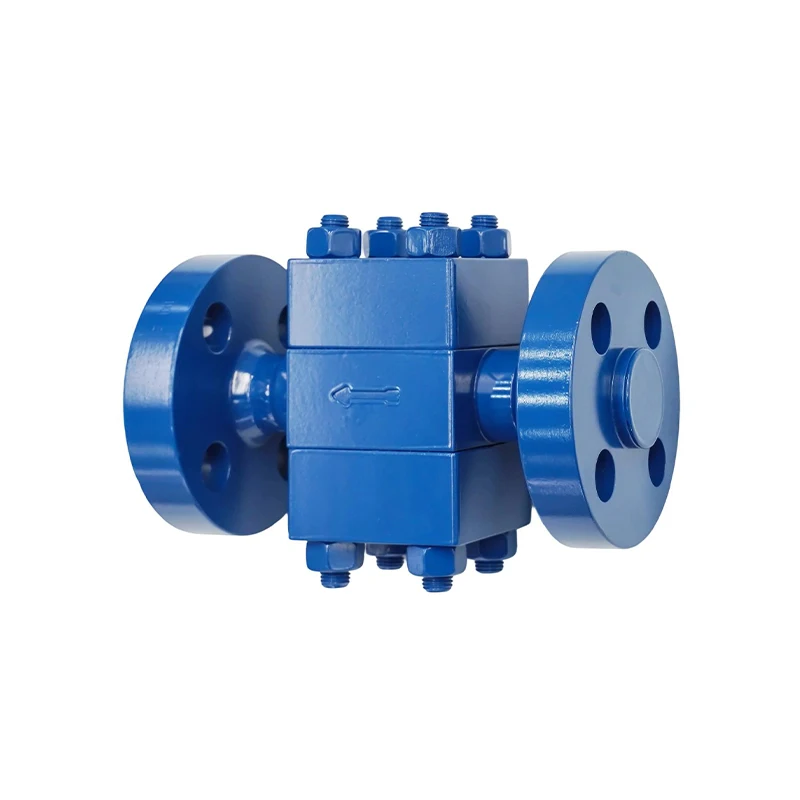
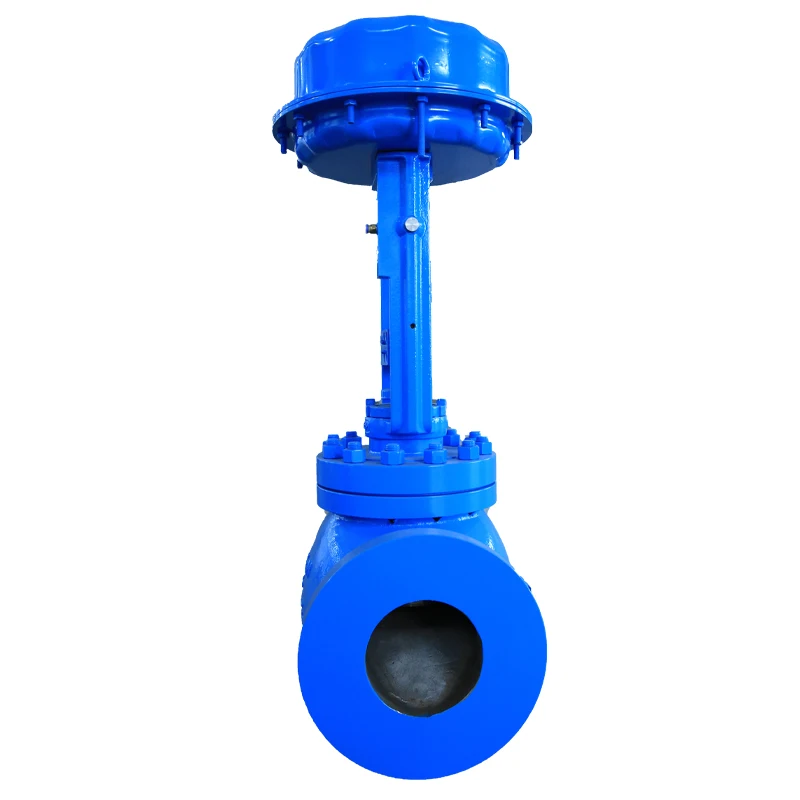
steam trap for paper machine
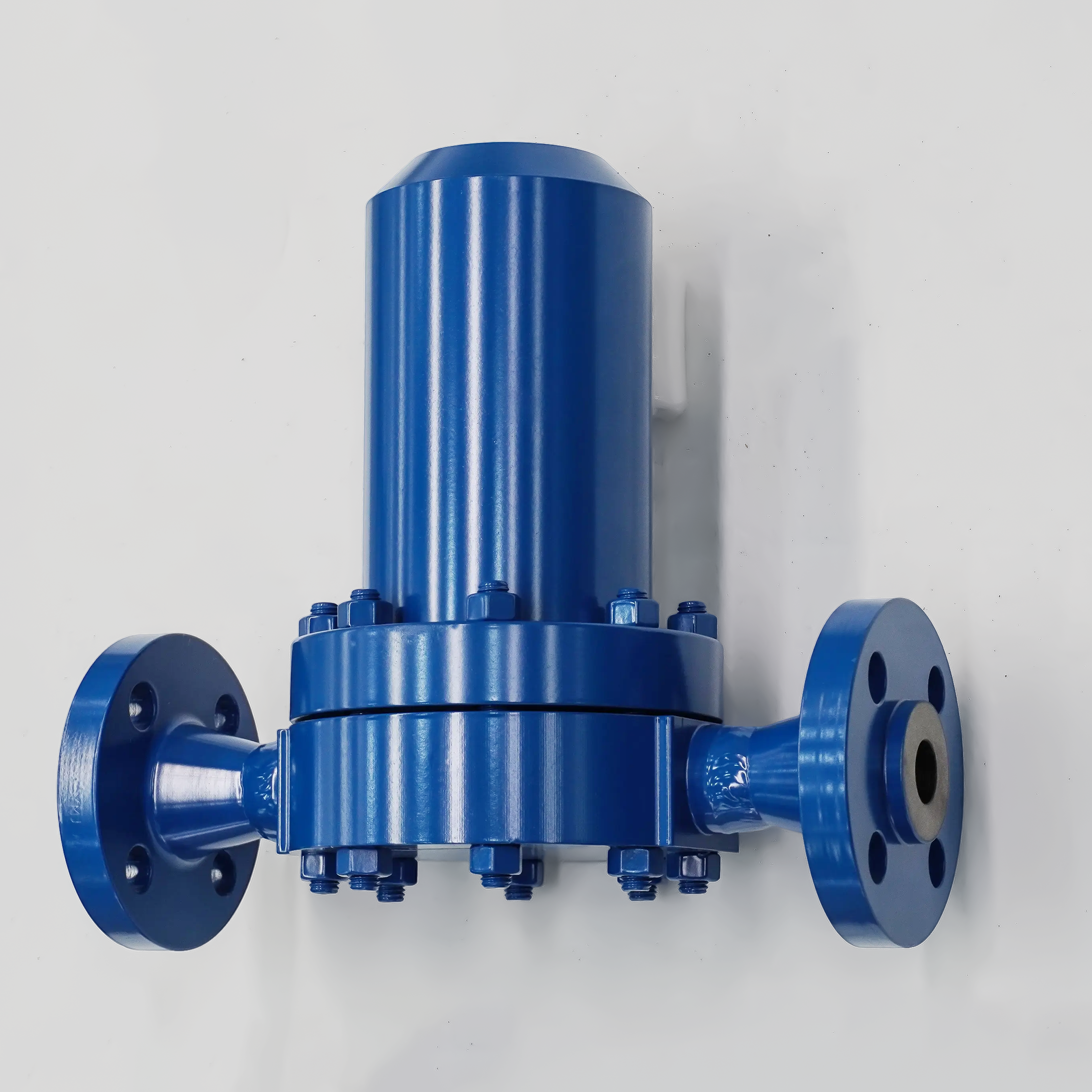
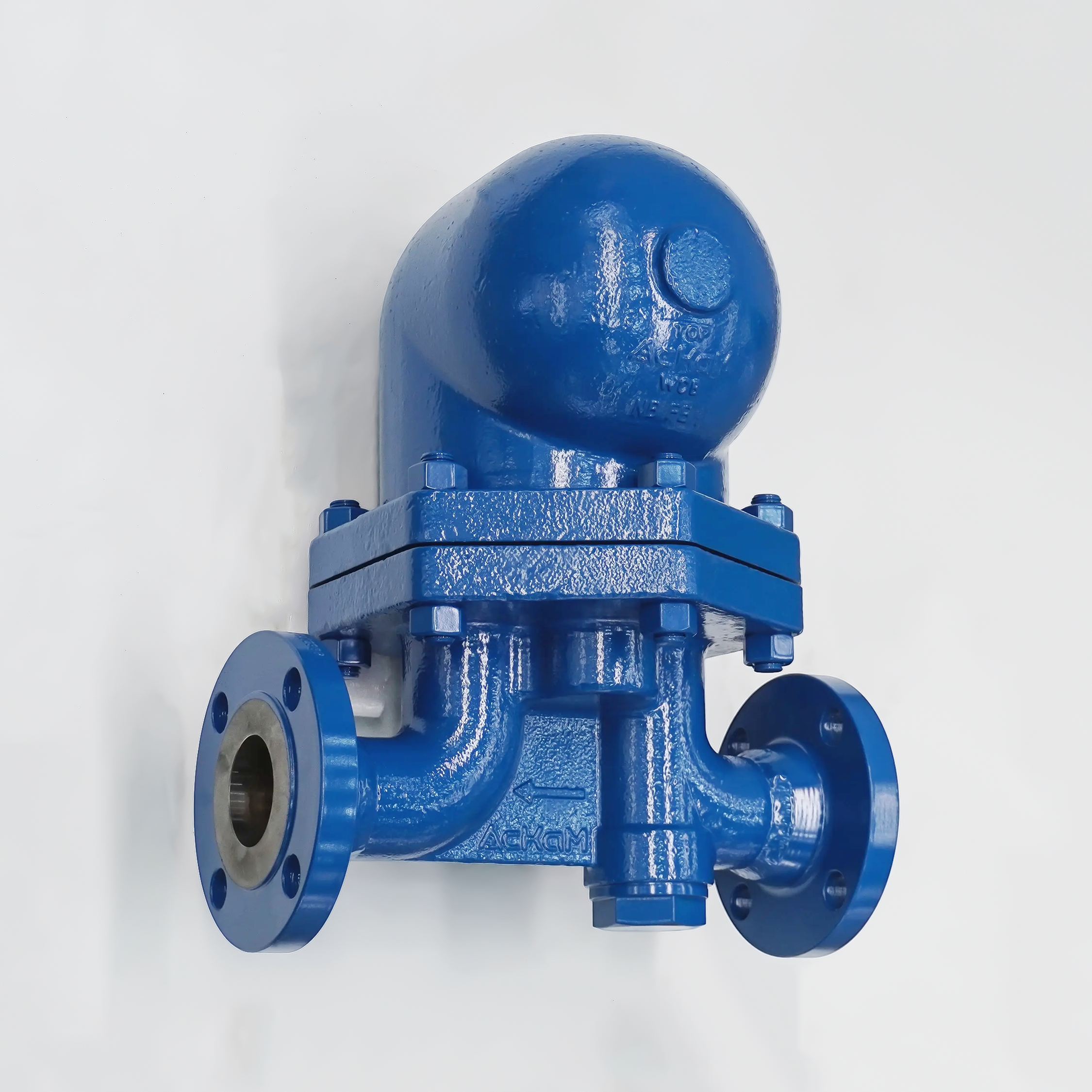
A steam trap for paper machine represents a critical component in the paper manufacturing process, serving as an automatic valve designed to discharge condensate while preventing the escape of live steam. This specialized equipment operates continuously within paper production facilities to maintain optimal thermal efficiency and ensure consistent product quality. The primary function of a steam trap for paper machine involves removing condensed water from steam systems while retaining valuable steam energy for heating processes. Modern steam traps utilize advanced thermodynamic principles to distinguish between steam and condensate, automatically opening to release water while closing to prevent steam loss. The technological features of contemporary steam trap for paper machine models include robust construction materials resistant to corrosive paper mill environments, precise temperature sensing mechanisms, and self-regulating discharge capabilities. These devices incorporate stainless steel components, advanced sealing technologies, and corrosion-resistant coatings to withstand harsh chemical conditions typical in paper manufacturing. Applications of steam trap for paper machine extend throughout various production stages, including pulp digesting, paper drying cylinders, heating systems, and process water heating. The equipment plays a vital role in maintaining consistent temperatures during paper formation, ensuring proper moisture removal, and optimizing energy consumption. Additionally, steam trap for paper machine installations help prevent water hammer damage, reduce maintenance costs, and extend equipment lifespan. The integration of smart monitoring systems allows operators to track performance metrics, detect malfunctions early, and schedule preventive maintenance. Environmental benefits include reduced steam consumption, lower fuel costs, and decreased emissions through improved energy efficiency. Quality control improvements result from consistent temperature management, reduced contamination risks, and enhanced production reliability throughout the paper manufacturing process.