Complete Guide to 3 Types of Steam Traps: Mechanical, Thermostatic & Thermodynamic Solutions

All Categories

Get a Free Quote

Our representative will contact you soon.
Email
Name
Company Name
Message
0/1000

3 types of steam traps

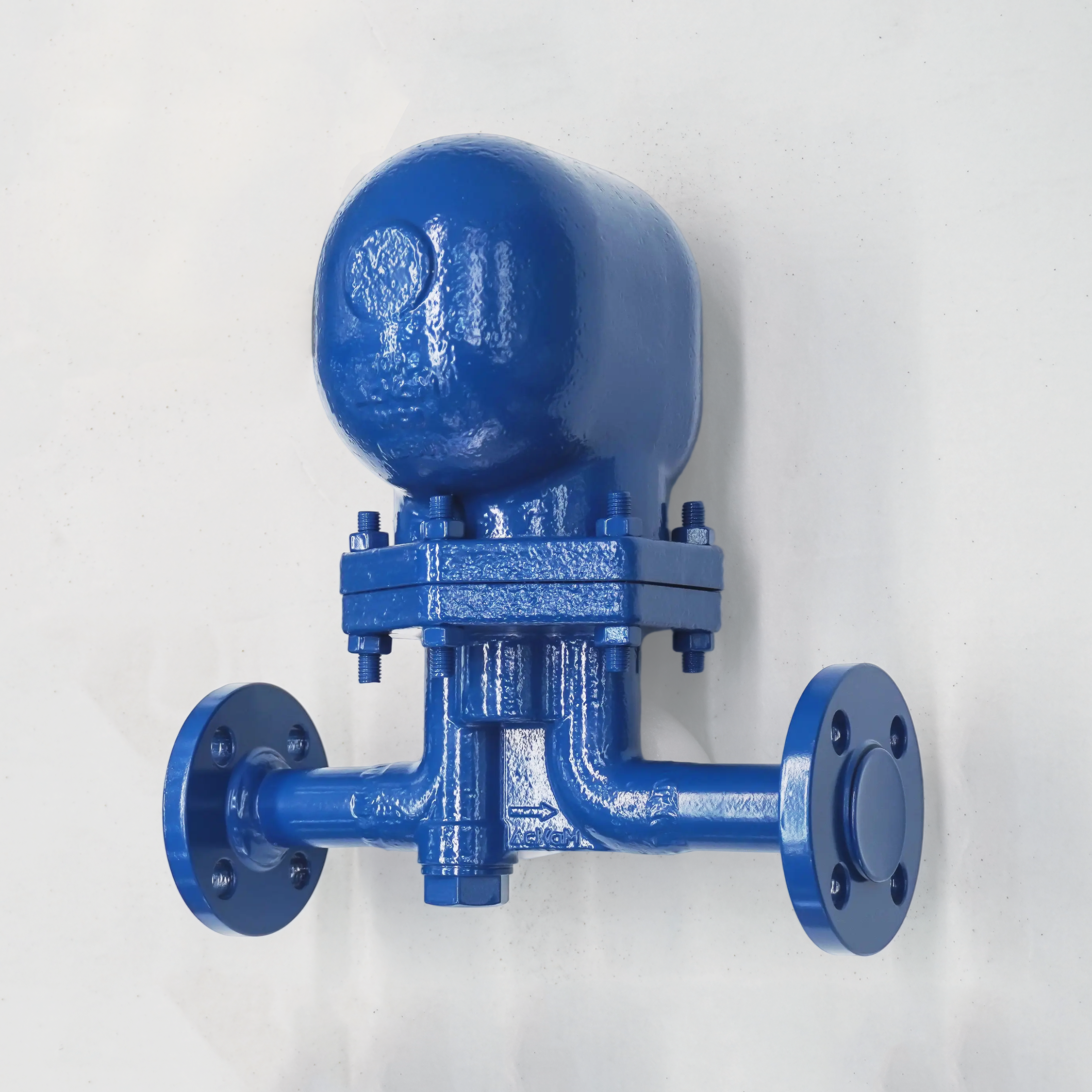
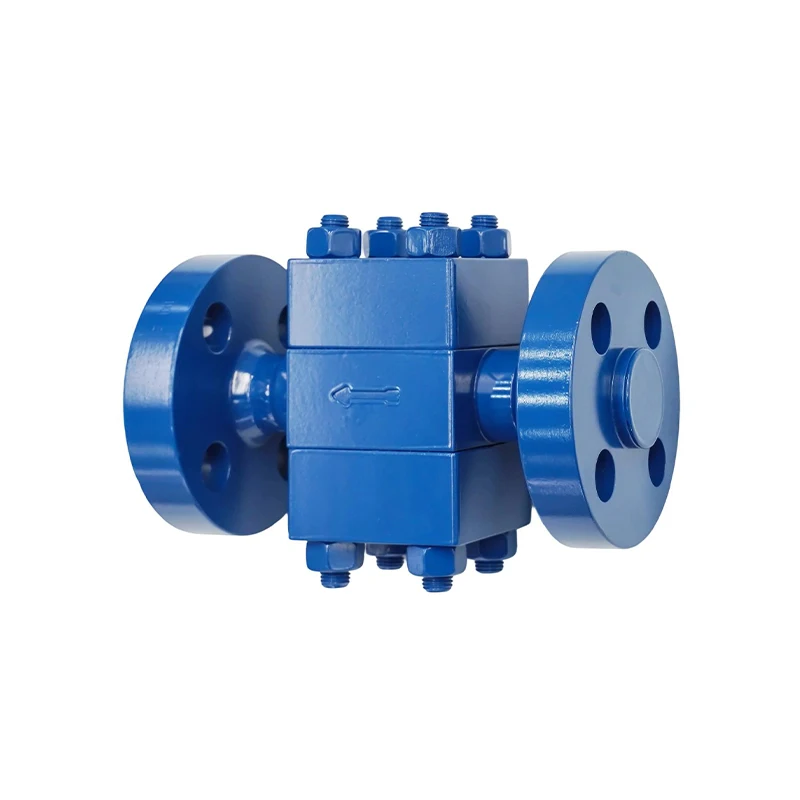
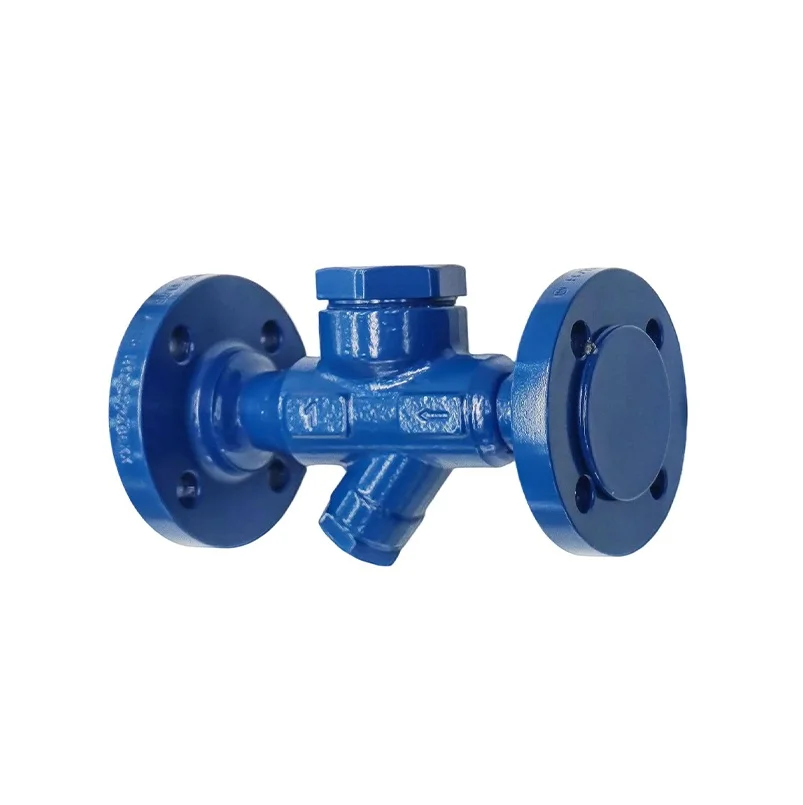
Steam traps are essential components in steam systems that automatically discharge condensate, air, and other non-condensable gases while preventing steam loss. Understanding the 3 types of steam traps is crucial for optimizing steam system efficiency and reducing operational costs. These three primary categories include mechanical steam traps, thermostatic steam traps, and thermodynamic steam traps, each designed with distinct operating principles and specific applications. Mechanical steam traps operate based on the density difference between steam and condensate, utilizing float mechanisms or inverted bucket designs to control discharge. The float-type mechanical trap employs a spherical float that rises with condensate accumulation, opening the valve to release liquid while automatically closing when steam approaches. Inverted bucket traps function through a bucket that becomes buoyant when steam enters, closing the discharge valve until condensate fills the chamber. Thermostatic steam traps respond to temperature variations between steam and condensate, using bimetallic elements, bellows, or liquid-filled capsules that expand and contract with temperature changes. These traps remain closed at steam temperature and open as the condensate cools below saturation temperature. The bimetallic type uses two different metals with varying expansion rates, while bellows-type traps contain volatile liquid that vaporizes at specific temperatures. Thermodynamic steam traps utilize the velocity and pressure differences of steam and condensate flow, featuring a simple disc mechanism that responds to dynamic pressure changes. When high-velocity steam passes under the disc, it creates low pressure that holds the disc closed, while slower-moving condensate allows the disc to open for discharge. Each of the 3 types of steam traps serves specific industrial applications, from heating systems and process equipment to steam distribution networks, ensuring optimal performance across diverse operating conditions and pressure ranges.

Popular Products

The 3 types of steam traps offer distinct advantages that make them indispensable for efficient steam system operation and energy conservation. Mechanical steam traps provide exceptional reliability and continuous operation, automatically adjusting to varying load conditions without external power requirements. These traps deliver precise condensate removal at steam temperature, maximizing heat transfer efficiency and preventing water hammer damage that can destroy expensive equipment. Their robust construction ensures long service life with minimal maintenance requirements, reducing operational costs and system downtime. Float-type mechanical traps handle large condensate loads effectively, making them ideal for process applications where consistent drainage is critical. Inverted bucket designs resist dirt and debris contamination, operating reliably even in challenging industrial environments where other trap types might fail. Thermostatic steam traps excel in applications requiring air venting capabilities, automatically releasing trapped air during system startup and operation. This feature prevents air binding that reduces heat transfer efficiency and creates cold spots in heating equipment. These traps provide energy savings by subcooling condensate before discharge, extracting additional heat energy that would otherwise be lost. Their compact design allows installation in tight spaces where larger mechanical traps cannot fit, offering flexibility in system design and retrofitting existing installations. Thermostatic traps respond quickly to load changes, opening and closing rapidly to maintain optimal system performance under varying operating conditions. Thermodynamic steam traps offer the advantage of simplicity with only one moving part, the disc, resulting in exceptional durability and reduced maintenance requirements. Their compact, lightweight construction makes them cost-effective for multiple installation points throughout large steam systems. These traps handle superheated steam effectively without damage, operating reliably across wide pressure ranges from vacuum to high-pressure applications. The 3 types of steam traps collectively provide solutions for every steam application, from low-pressure heating systems to high-pressure industrial processes. Their automatic operation eliminates the need for manual valve adjustments, reducing labor costs and human error while maintaining consistent system performance. Proper selection among the 3 types of steam traps ensures optimal energy efficiency, equipment protection, and operational reliability, delivering significant return on investment through reduced fuel consumption and extended equipment life.

Tips And Tricks

Soaring to New Heights: AcKaM Industrial Surges in Billion-Dollar Market with 200% H1 Sales Growth

04

Nov

Soaring to New Heights: AcKaM Industrial Surges in Billion-Dollar Market with 200% H1 Sales Growth

View More
Innovation in Thermal Insulation Technology! AcKaM Delivers Keynote Speech at 2024 National Thermal Engineering Conference

05

Nov

Innovation in Thermal Insulation Technology! AcKaM Delivers Keynote Speech at 2024 National Thermal Engineering Conference

View More
AcKaM: Riding the Trillion-Yuan Wave to Pioneer Innovation

04

Nov

AcKaM: Riding the Trillion-Yuan Wave to Pioneer Innovation

View More

Get a Free Quote

Our representative will contact you soon.
Email
Name
Company Name
Message
0/1000

3 types of steam traps

Superior Condensate Management with Mechanical Steam Traps

Superior Condensate Management with Mechanical Steam Traps

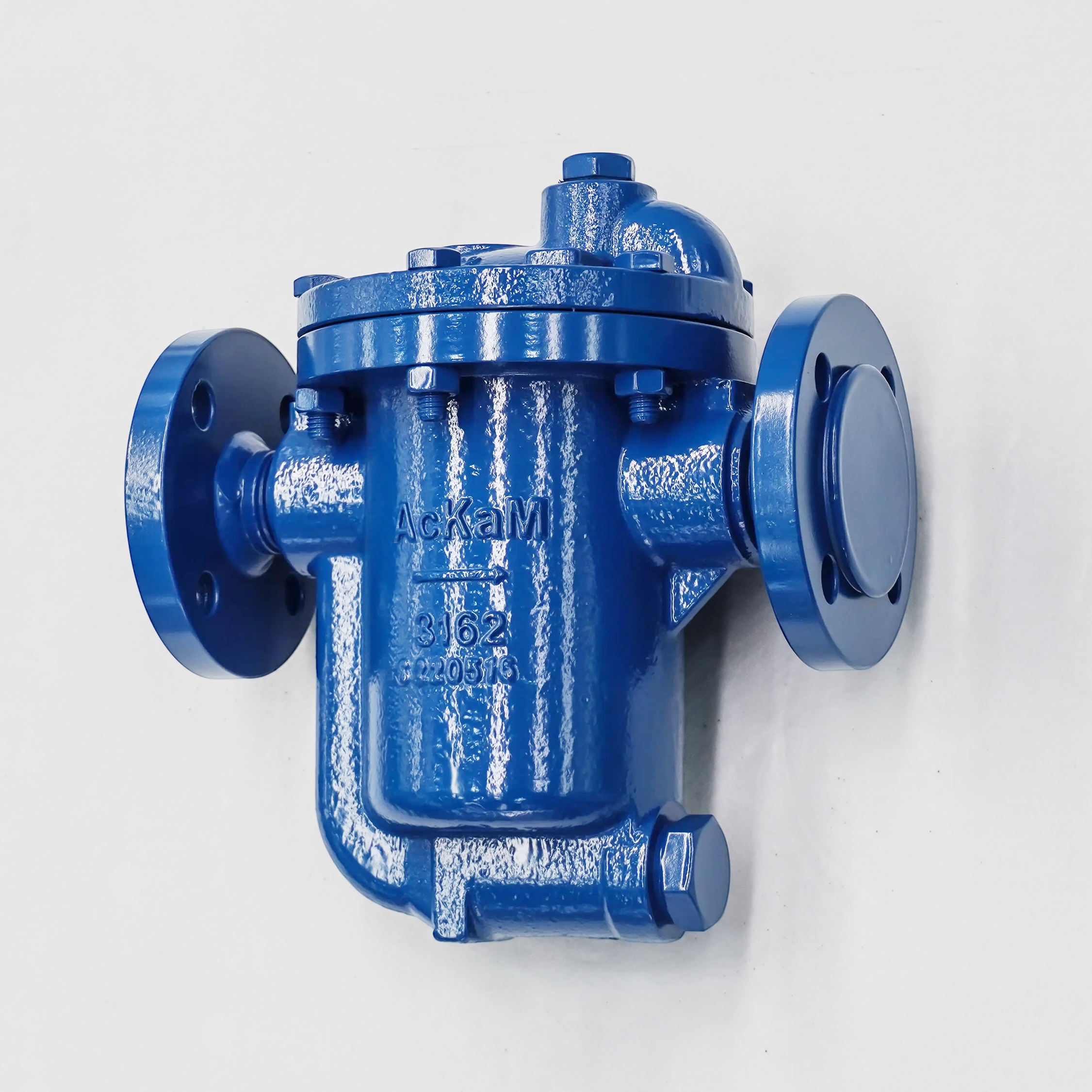
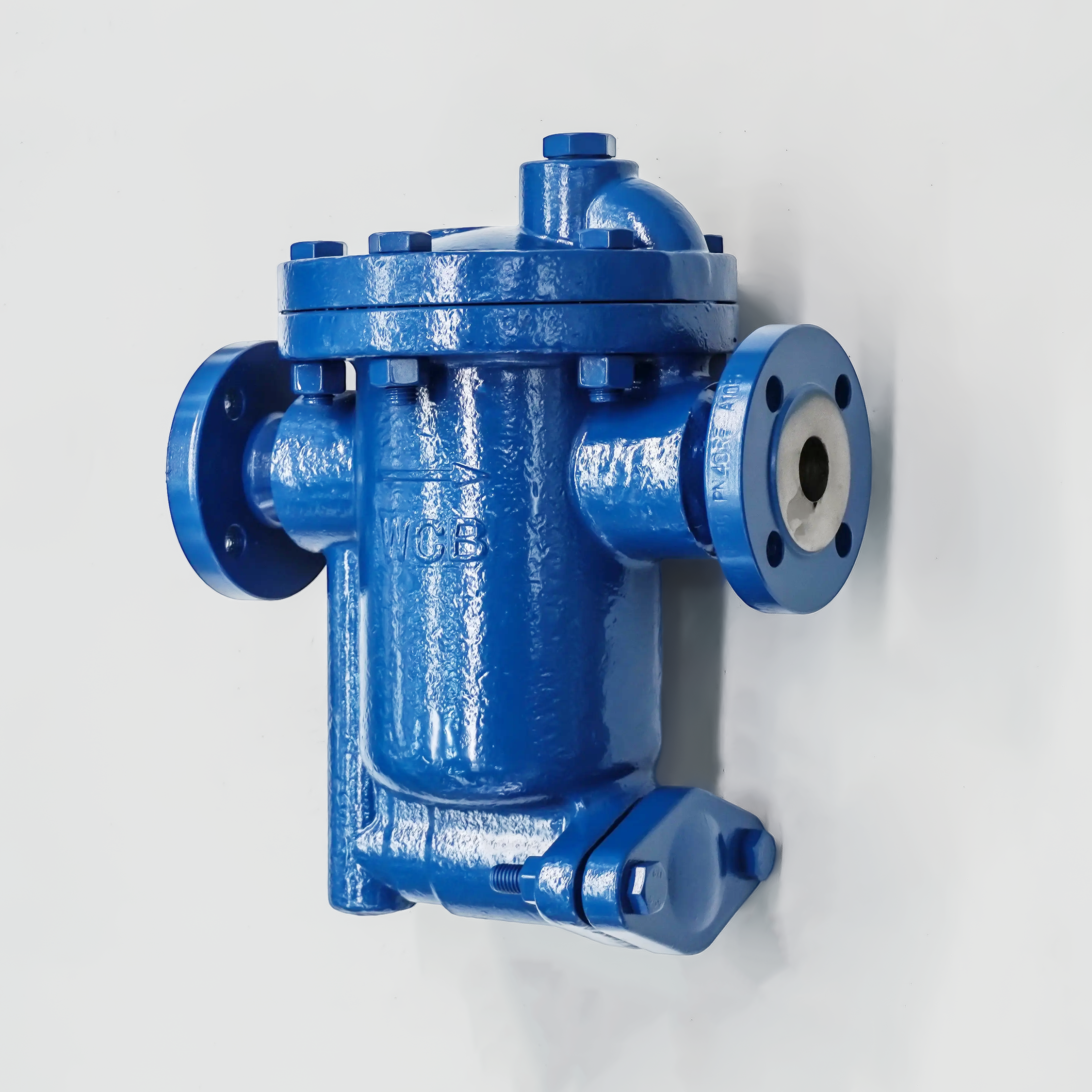
Mechanical steam traps represent the pinnacle of condensate management technology among the 3 types of steam traps, delivering unmatched performance in high-capacity applications where reliable liquid removal is paramount. These sophisticated devices operate on the fundamental principle of density difference between steam and condensate, utilizing precision-engineered float or inverted bucket mechanisms that respond instantly to changing fluid conditions. The float-type mechanical trap features a stainless steel spherical float that maintains perfect buoyancy control, rising and falling with condensate levels to provide modulating discharge that matches system demands exactly. This continuous modulation capability ensures condensate never accumulates to levels that could impair heat transfer or cause equipment damage, while simultaneously preventing any steam loss that would waste valuable energy. The inverted bucket design offers exceptional contamination resistance, with its unique operating principle that relies on steam buoyancy rather than delicate sealing surfaces. When steam enters the bucket chamber, it becomes buoyant and rises, mechanically closing the discharge valve through a simple lever mechanism that requires no springs or complex linkages prone to failure. As condensate accumulates and steam condenses, the bucket loses buoyancy and drops, opening the valve for immediate discharge. This robust design handles dirt, scale, and debris that would compromise other trap types, making mechanical steam traps ideal for industrial applications where water quality may be poor or maintenance access is limited. The thermal efficiency benefits of mechanical steam traps are substantial, as they discharge condensate at steam temperature, maximizing heat recovery and system efficiency. Unlike other trap types that require subcooling, mechanical traps capture and utilize every BTU of available energy, reducing fuel consumption and operational costs significantly. Installation versatility is another key advantage, with mechanical steam traps available in horizontal and vertical orientations to accommodate any piping configuration or space constraint, ensuring optimal performance regardless of installation challenges.
Energy Optimization Through Advanced Thermostatic Steam Trap Technology

Energy Optimization Through Advanced Thermostatic Steam Trap Technology

Thermostatic steam traps revolutionize energy management among the 3 types of steam traps by incorporating intelligent temperature-sensing technology that delivers exceptional fuel savings and system optimization. These innovative devices utilize precision-engineered thermostatic elements including bimetallic strips, liquid-filled bellows, or balanced pressure capsules that respond accurately to temperature variations between steam and condensate phases. The bimetallic element consists of two dissimilar metals with different thermal expansion coefficients bonded together, creating a curved deflection proportional to temperature change that operates the valve mechanism with remarkable precision. This technology ensures the trap remains tightly sealed at steam temperature, preventing valuable steam loss while opening promptly as condensate temperature drops below saturation point. Liquid-filled bellows designs contain specially formulated alcohol mixtures with boiling points slightly below steam temperature, creating vapor pressure that keeps the valve closed during steam presence and contracts as condensate cools to allow discharge. The energy savings potential of thermostatic steam traps is extraordinary, as they naturally subcool condensate before discharge, extracting sensible heat that would otherwise be lost to the atmosphere or condensate return system. This subcooling effect can recover 10-15% additional energy from each pound of condensate, translating to substantial fuel cost reductions in large steam systems. Air elimination capability sets thermostatic steam traps apart from other options among the 3 types of steam traps, automatically venting trapped air during system startup and continuous operation. Air accumulation reduces heat transfer efficiency dramatically, creating cold spots and uneven heating that compromises process quality and equipment performance. Thermostatic traps continuously remove this air, maintaining optimal heat transfer and preventing the formation of carbonic acid that causes corrosion damage to expensive piping and equipment. The compact design advantage of thermostatic steam traps enables installation in restricted spaces where larger mechanical or thermodynamic traps cannot fit, providing flexibility for retrofitting existing systems or optimizing new installations. Response speed is exceptional, with modern thermostatic elements opening and closing within seconds of temperature change, ensuring rapid adaptation to varying load conditions and maintaining consistent system performance across all operating scenarios.
Unmatched Reliability and Versatility with Thermodynamic Steam Trap Systems

Unmatched Reliability and Versatility with Thermodynamic Steam Trap Systems

Thermodynamic steam traps deliver unparalleled reliability and operational versatility among the 3 types of steam traps, featuring revolutionary disc technology that operates without temperature or density sensing mechanisms while maintaining exceptional performance across extreme operating conditions. The thermodynamic operating principle utilizes fluid dynamics and pressure differentials created by steam and condensate flow velocities, employing a precision-machined disc that responds to dynamic pressure changes rather than static conditions. When high-velocity steam flows under the disc, it creates a venturi effect that generates low pressure above the disc, holding it firmly closed against the valve seat through differential pressure force. This unique mechanism prevents steam loss even under varying pressure conditions, as higher steam velocity actually increases the closing force proportionally. As condensate accumulates and flow velocity decreases, the pressure differential diminishes, allowing the disc to lift and discharge condensate efficiently. The single moving part design represents the ultimate in mechanical simplicity among all 3 types of steam traps, eliminating complex linkages, springs, floats, or thermostatic elements that can wear, corrode, or require frequent maintenance. This simplicity translates directly to exceptional reliability, with thermodynamic traps often operating maintenance-free for years in applications where other trap types require regular service. The disc construction utilizes hardened stainless steel with precision-lapped sealing surfaces that resist wear and maintain tight shutoff capabilities even after millions of operating cycles. Pressure range versatility is unmatched, with thermodynamic steam traps operating effectively from full vacuum to over 600 PSI, making them suitable for the broadest range of applications among the 3 types of steam traps. Superheated steam handling capability sets these traps apart, as the thermodynamic operating principle actually improves with superheat degree, unlike mechanical or thermostatic designs that may be damaged by excessive temperature. Installation orientation flexibility allows horizontal, vertical, or angled mounting without performance degradation, simplifying piping design and reducing installation costs. The compact, lightweight construction enables multiple installations throughout large steam distribution systems at minimal cost, providing comprehensive condensate removal with exceptional economic efficiency. Freeze resistance is superior to other trap designs, as the simple disc mechanism can withstand ice formation without damage, automatically resuming normal operation when conditions return to normal operating parameters.


Get a Free Quote

Our representative will contact you soon.
Email
Name
Company Name
Message
0/1000