High-Performance Steam Trap for Pipeline - Automatic Condensate Removal & Energy Efficiency Solutions

All Categories

Get a Free Quote

Our representative will contact you soon.
Email
Name
Company Name
Message
0/1000

steam trap for pipeline

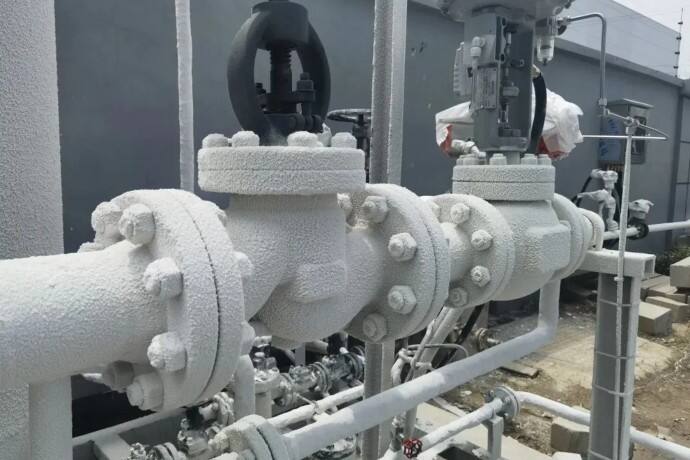
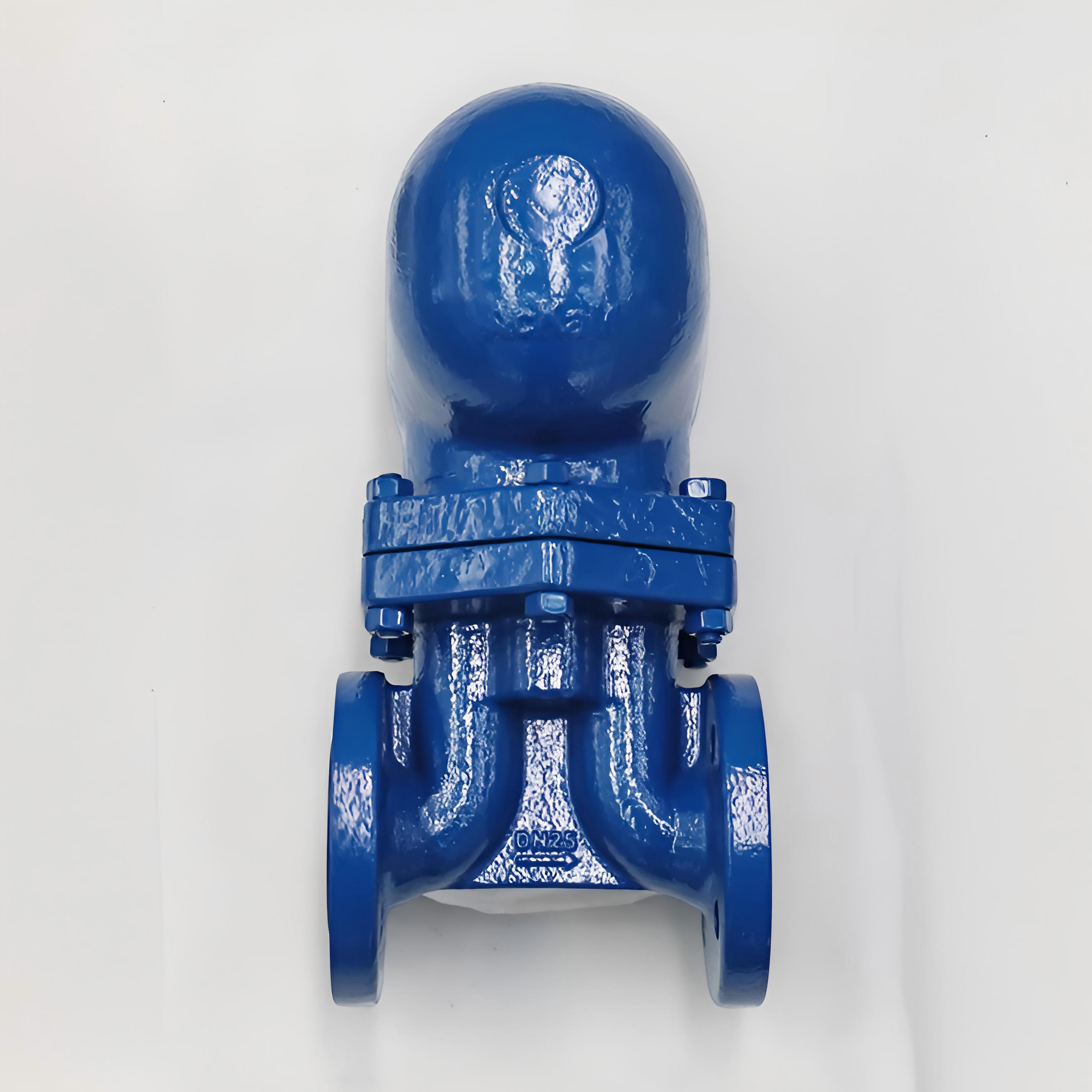
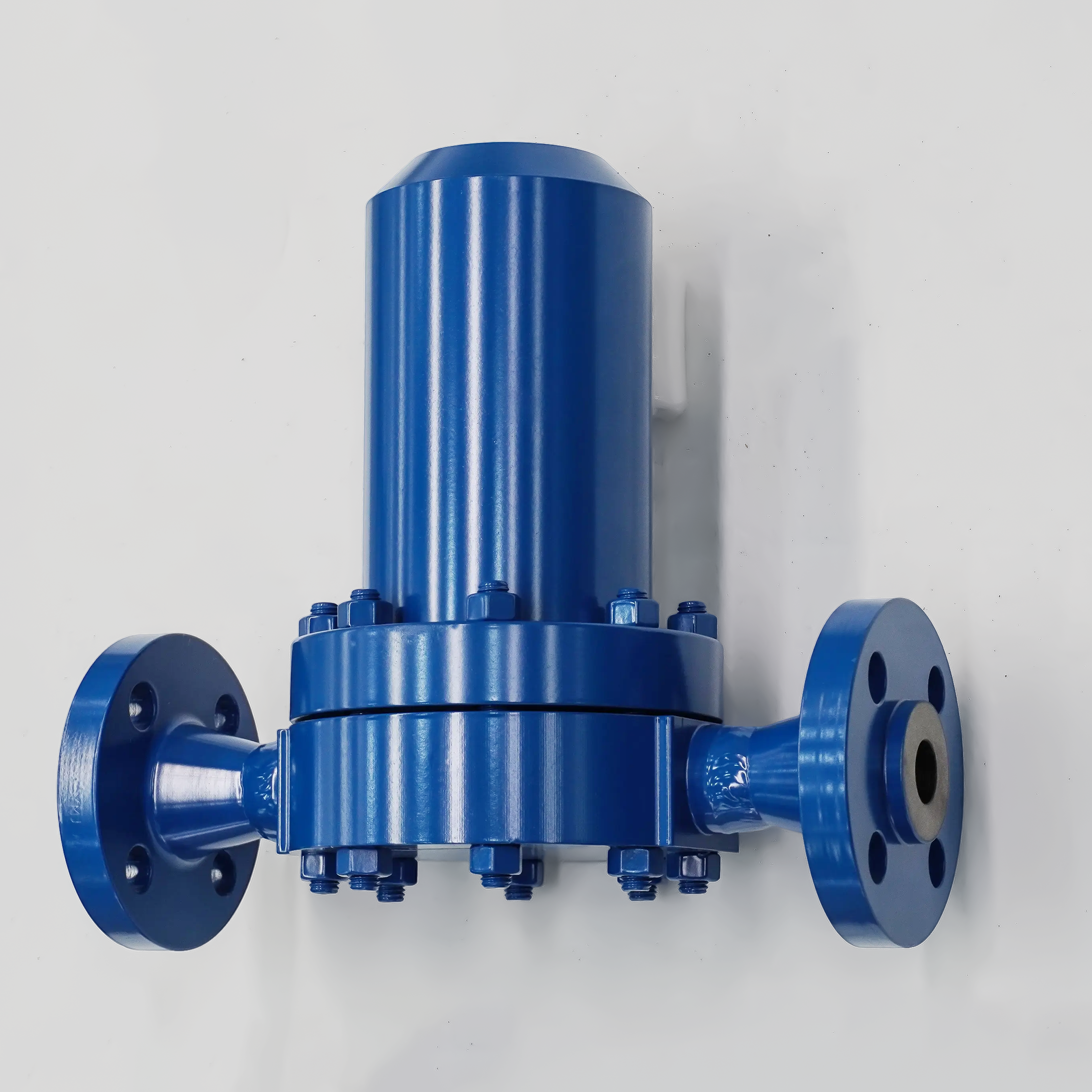
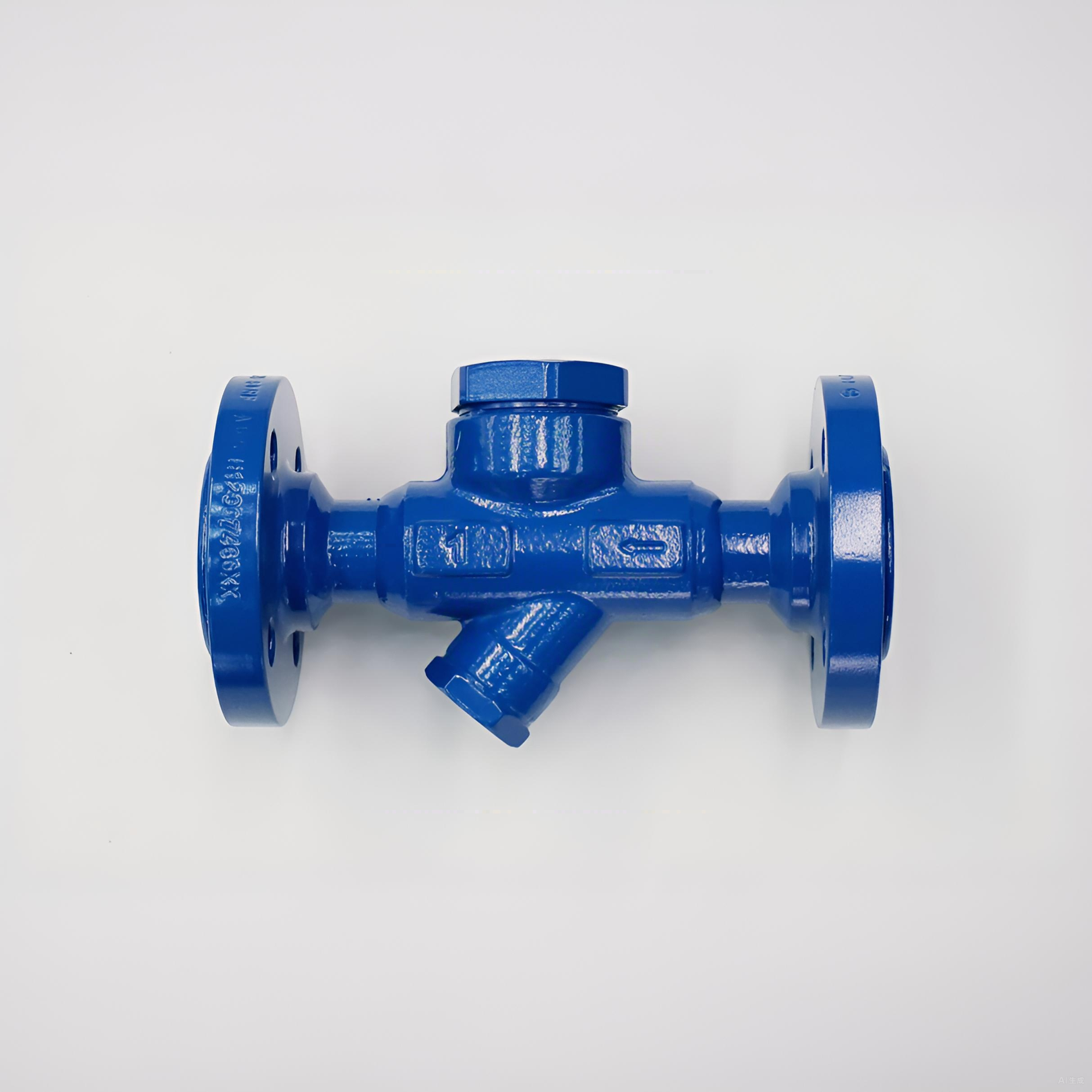
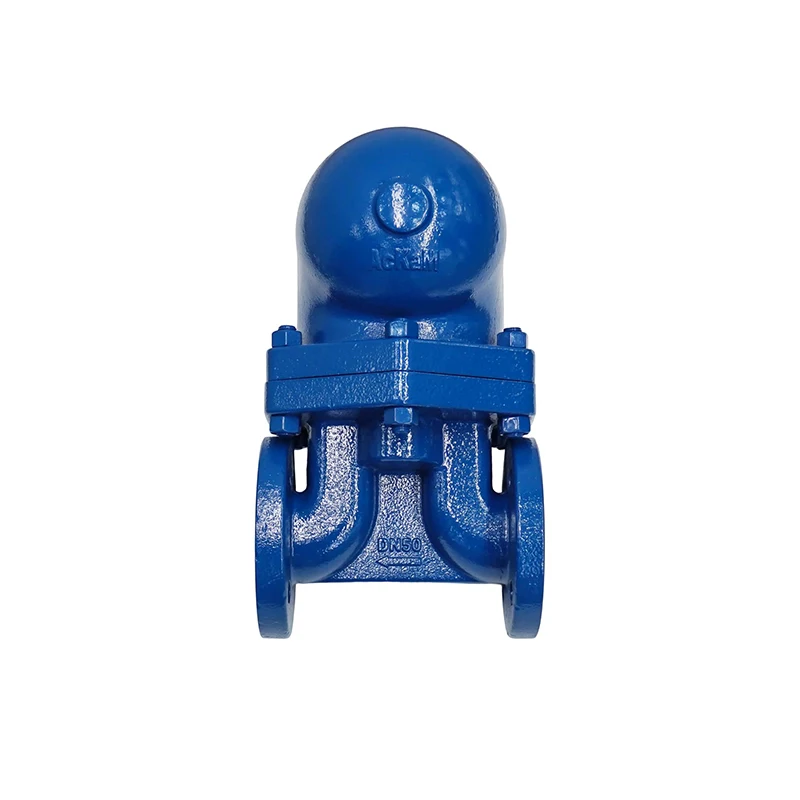
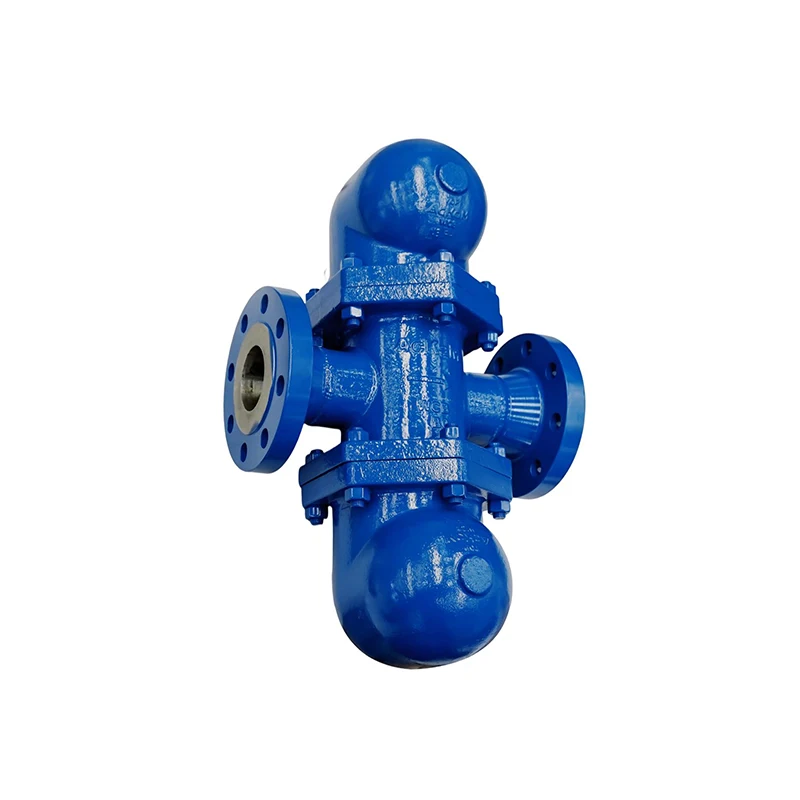
A steam trap for pipeline represents a critical mechanical device designed to automatically discharge condensate water, non-condensable gases, and air from steam systems while preventing the escape of live steam. This essential component maintains optimal steam system efficiency by ensuring that only steam reaches its intended destination within industrial pipelines. The steam trap for pipeline operates on fundamental thermodynamic principles, utilizing temperature and pressure differentials to distinguish between steam and condensate. When steam condenses within the pipeline, it transforms into water that must be removed to prevent system damage and maintain peak performance. The device features sophisticated internal mechanisms that respond to changes in fluid characteristics, automatically opening to discharge unwanted condensate and closing to retain valuable steam. Modern steam trap for pipeline units incorporate advanced materials and engineering designs that withstand extreme operating conditions, including high pressures and temperatures commonly found in industrial applications. These devices play a vital role in energy conservation by preventing steam waste, which directly translates to reduced fuel consumption and lower operational costs. The steam trap for pipeline system includes various types such as mechanical, thermostatic, and thermodynamic variants, each engineered for specific applications and operating parameters. Installation typically occurs at strategic points throughout the pipeline network where condensate naturally accumulates, such as low points, equipment outlets, and before control valves. The automatic operation eliminates the need for manual intervention, reducing labor costs and ensuring consistent system performance. Regular maintenance and monitoring of steam trap for pipeline units ensure long-term reliability and optimal energy efficiency, making them indispensable components in steam distribution networks across industries ranging from manufacturing and processing to power generation and building heating systems.

New Product Releases

The steam trap for pipeline delivers substantial operational benefits that directly impact industrial efficiency and cost management. First, these devices significantly enhance energy conservation by preventing valuable steam from escaping the system unnecessarily. When steam trap for pipeline units function correctly, they maintain system pressure and temperature, ensuring that heating processes receive the full energy content of the steam. This conservation translates into measurable fuel savings, as boilers require less energy to replace lost steam. Additionally, the automatic condensate removal prevents water hammer, a dangerous phenomenon that occurs when condensate accumulates and creates pressure surges within the pipeline. Water hammer can cause severe damage to pipes, fittings, and connected equipment, leading to costly repairs and production downtime. The steam trap for pipeline eliminates this risk by continuously removing condensate before it can accumulate to dangerous levels. Furthermore, these devices improve heat transfer efficiency by ensuring that heating surfaces remain in contact with steam rather than condensate. Water has significantly lower heat transfer properties compared to steam, so removing condensate allows equipment to operate at designed capacity. The steam trap for pipeline also prevents corrosion within the system by removing condensate that can cause internal pipe deterioration when combined with dissolved gases. This protection extends equipment lifespan and reduces maintenance requirements. Operational reliability represents another key advantage, as modern steam trap for pipeline units operate automatically without requiring constant monitoring or manual adjustment. This automation reduces labor costs and ensures consistent performance even during unmanned periods. The devices also contribute to safety by maintaining proper system pressures and preventing the accumulation of condensate that could lead to equipment failure. Environmental benefits include reduced emissions from improved fuel efficiency and decreased waste steam release. Finally, the steam trap for pipeline provides excellent return on investment through energy savings, reduced maintenance costs, extended equipment life, and improved process reliability, making it an essential component for any industrial steam system seeking optimal performance and cost-effectiveness.

Tips And Tricks

Soaring to New Heights: AcKaM Industrial Surges in Billion-Dollar Market with 200% H1 Sales Growth

04

Nov

Soaring to New Heights: AcKaM Industrial Surges in Billion-Dollar Market with 200% H1 Sales Growth

View More
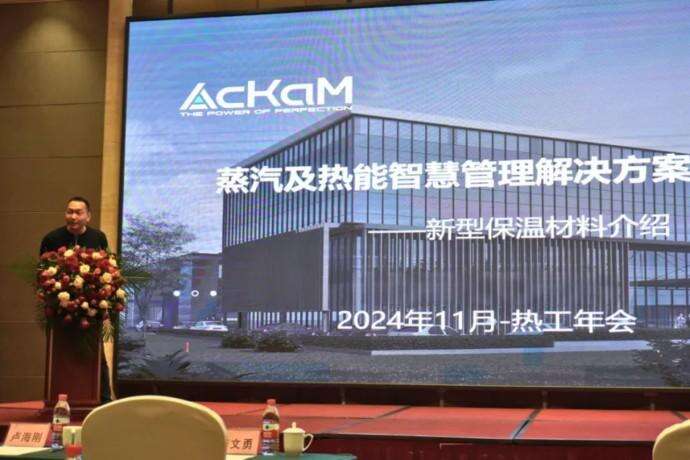
Innovation in Thermal Insulation Technology! AcKaM Delivers Keynote Speech at 2024 National Thermal Engineering Conference

05

Nov

Innovation in Thermal Insulation Technology! AcKaM Delivers Keynote Speech at 2024 National Thermal Engineering Conference

View More
AcKaM: Riding the Trillion-Yuan Wave to Pioneer Innovation

04

Nov

AcKaM: Riding the Trillion-Yuan Wave to Pioneer Innovation

View More

Get a Free Quote

Our representative will contact you soon.
Email
Name
Company Name
Message
0/1000

steam trap for pipeline

Advanced Automatic Condensate Management Technology

Advanced Automatic Condensate Management Technology

The steam trap for pipeline incorporates sophisticated automatic condensate management technology that revolutionizes steam system efficiency and reliability. This innovative feature utilizes precision-engineered internal mechanisms that respond instantaneously to changes in fluid properties, automatically distinguishing between valuable steam and unwanted condensate. The technology employs advanced thermodynamic principles, utilizing temperature and pressure differentials to create reliable switching actions that open and close the trap at precisely the right moments. When condensate enters the steam trap for pipeline, specialized sensing elements detect the lower temperature and different density characteristics compared to steam, triggering the opening mechanism to discharge the water while preventing steam loss. This automatic operation eliminates human error and ensures consistent performance regardless of varying system conditions or operator experience levels. The technology features rapid response times that prevent condensate accumulation, which could otherwise lead to system inefficiencies, water hammer damage, or equipment corrosion. Modern steam trap for pipeline units incorporate fail-safe designs that default to safe operating positions during maintenance or unexpected conditions, protecting the entire steam system from potential damage. The automatic condensate management system also includes built-in air venting capabilities that remove non-condensable gases that can impede heat transfer and create operational problems. This comprehensive approach ensures that the steam trap for pipeline maintains optimal system performance while minimizing energy waste and operational costs. The technology adapts to varying load conditions automatically, providing consistent condensate removal whether the system operates at full capacity or reduced loads. This adaptability makes the steam trap for pipeline suitable for diverse industrial applications where steam demand fluctuates throughout operational cycles. Additionally, the automatic features reduce maintenance requirements by eliminating the need for manual adjustments and providing self-regulating operation that maintains peak efficiency over extended periods, delivering exceptional value and reliability for industrial steam applications.
Superior Energy Efficiency and Cost Reduction Capabilities

Superior Energy Efficiency and Cost Reduction Capabilities

The steam trap for pipeline delivers exceptional energy efficiency and cost reduction capabilities that provide substantial economic benefits for industrial operations. This advanced device prevents energy waste by ensuring that valuable steam remains within the system while efficiently removing condensate and non-condensable gases that reduce system performance. The energy conservation achieved through proper steam trap for pipeline operation directly translates to reduced fuel consumption, as boilers require significantly less energy to maintain system pressure and temperature when steam losses are minimized. Studies demonstrate that properly functioning steam trap for pipeline units can reduce energy consumption by 15-25 percent compared to systems with malfunctioning or absent traps, resulting in substantial annual savings for high-volume steam users. The cost reduction extends beyond fuel savings to include reduced water treatment expenses, as less makeup water is required when condensate is properly returned to the boiler system. The steam trap for pipeline also prevents costly equipment damage by eliminating water hammer conditions that can destroy pipes, valves, and connected machinery, avoiding expensive repairs and production downtime. Furthermore, the device improves process efficiency by maintaining optimal heat transfer conditions, allowing manufacturing equipment to operate at designed capacity and reducing production time requirements. The enhanced heat transfer achieved through effective condensate removal means that heating processes complete faster and more consistently, improving product quality and throughput. Long-term cost benefits include extended equipment lifespan due to reduced corrosion and mechanical stress, lower maintenance requirements from automatic operation, and improved system reliability that minimizes unexpected shutdowns. The steam trap for pipeline also contributes to regulatory compliance by reducing emissions and improving environmental performance, potentially avoiding costly penalties or remediation requirements. Return on investment for steam trap for pipeline installations typically occurs within 12-18 months through combined energy savings, reduced maintenance costs, and improved operational efficiency, making these devices essential components for cost-conscious industrial operations seeking to optimize their steam systems while maintaining reliable performance and meeting sustainability objectives.
Robust Durability and Versatile Industrial Applications

Robust Durability and Versatile Industrial Applications

The steam trap for pipeline demonstrates exceptional durability and versatile application capabilities that make it suitable for demanding industrial environments across diverse sectors. Constructed from high-grade materials including stainless steel, carbon steel, and specialized alloys, these devices withstand extreme operating conditions including high pressures up to 1000 psi and temperatures exceeding 800 degrees Fahrenheit. The robust construction ensures reliable operation in corrosive environments, chemical processing facilities, and high-vibration applications where lesser equipment would fail prematurely. Advanced manufacturing techniques and quality control processes guarantee that each steam trap for pipeline meets stringent industry standards and provides consistent performance over extended operational periods. The versatile design accommodates various pipeline configurations, connection types, and mounting orientations, making installation possible in virtually any steam system layout. Different steam trap for pipeline models are available to match specific application requirements, including units designed for continuous operation in power plants, intermittent service in heating systems, and specialized applications in food processing or pharmaceutical manufacturing. The devices perform effectively across wide pressure and temperature ranges, automatically adjusting to varying system conditions without requiring manual recalibration or operator intervention. This adaptability makes the steam trap for pipeline suitable for seasonal facilities, variable production environments, and systems with fluctuating steam demands. The durability extends to internal components that resist wear from high-velocity steam flow, thermal cycling, and chemical exposure commonly encountered in industrial applications. Comprehensive testing procedures ensure that each steam trap for pipeline maintains specified performance parameters throughout its operational life, providing predictable service and minimizing unexpected failures. The versatile mounting options include flanged, threaded, and welded connections that accommodate existing pipeline infrastructure without requiring extensive modifications. Additionally, the compact design allows installation in space-constrained locations while maintaining full functionality and serviceability. The steam trap for pipeline proves equally effective in new construction projects and retrofit applications, providing facility managers with flexible solutions for steam system optimization regardless of existing infrastructure constraints or operational requirements.

Get a Free Quote

Our representative will contact you soon.
Email
Name
Company Name
Message
0/1000