Professional Steam Trap Applications: Advanced Solutions for Industrial Efficiency

All Categories

Get a Free Quote

Our representative will contact you soon.
Email
Name
Company Name
Message
0/1000

steam trap applications

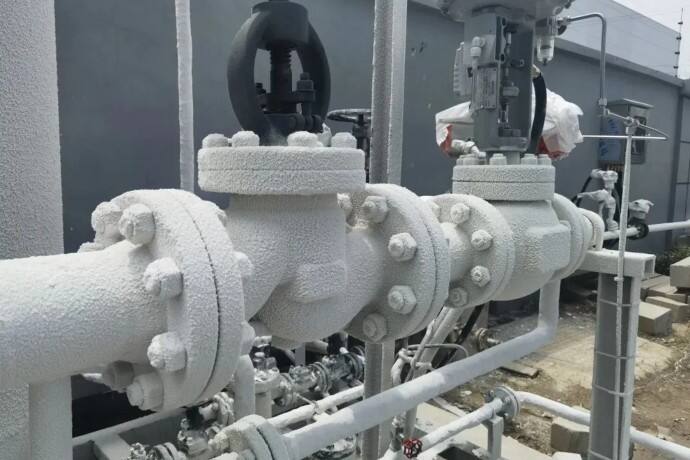
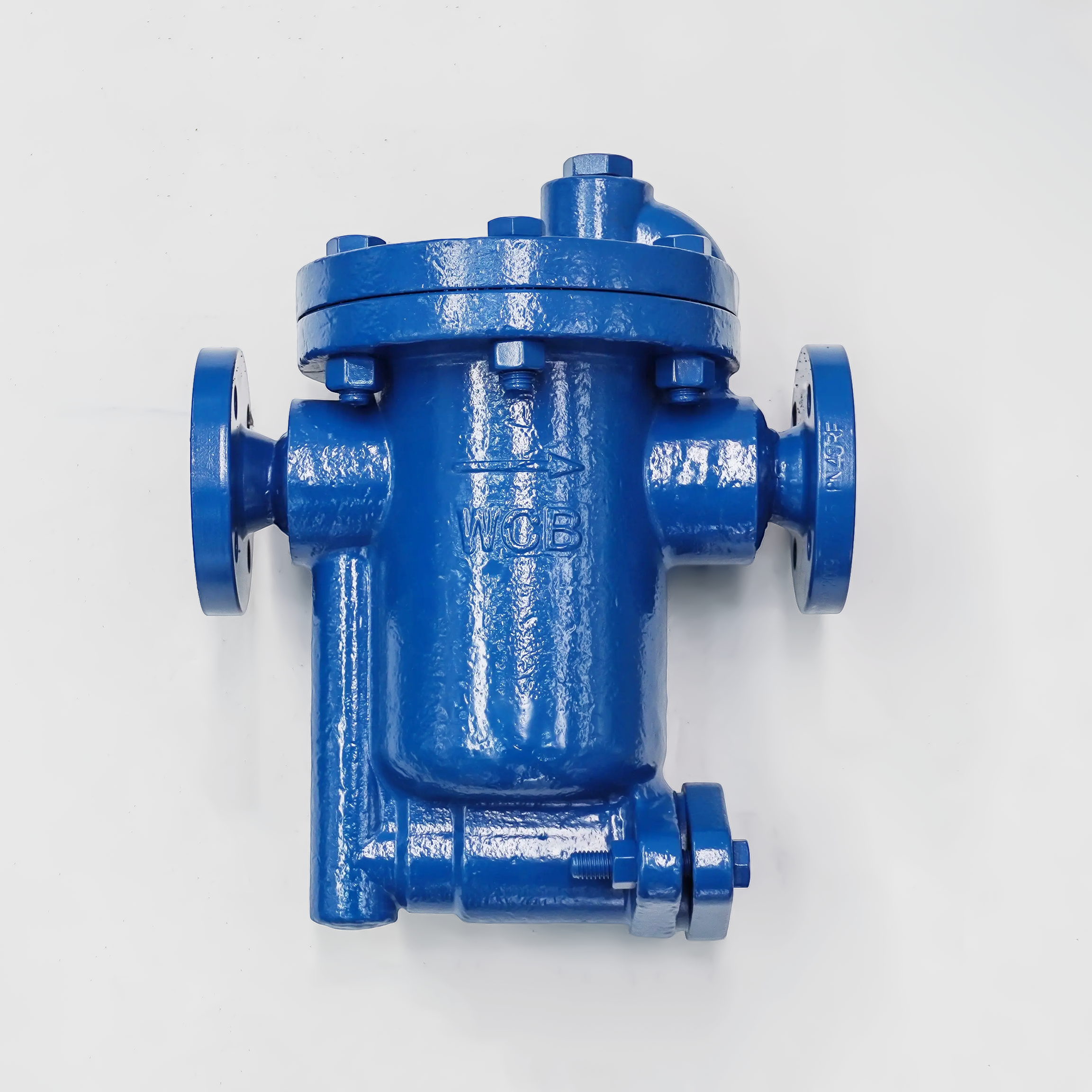
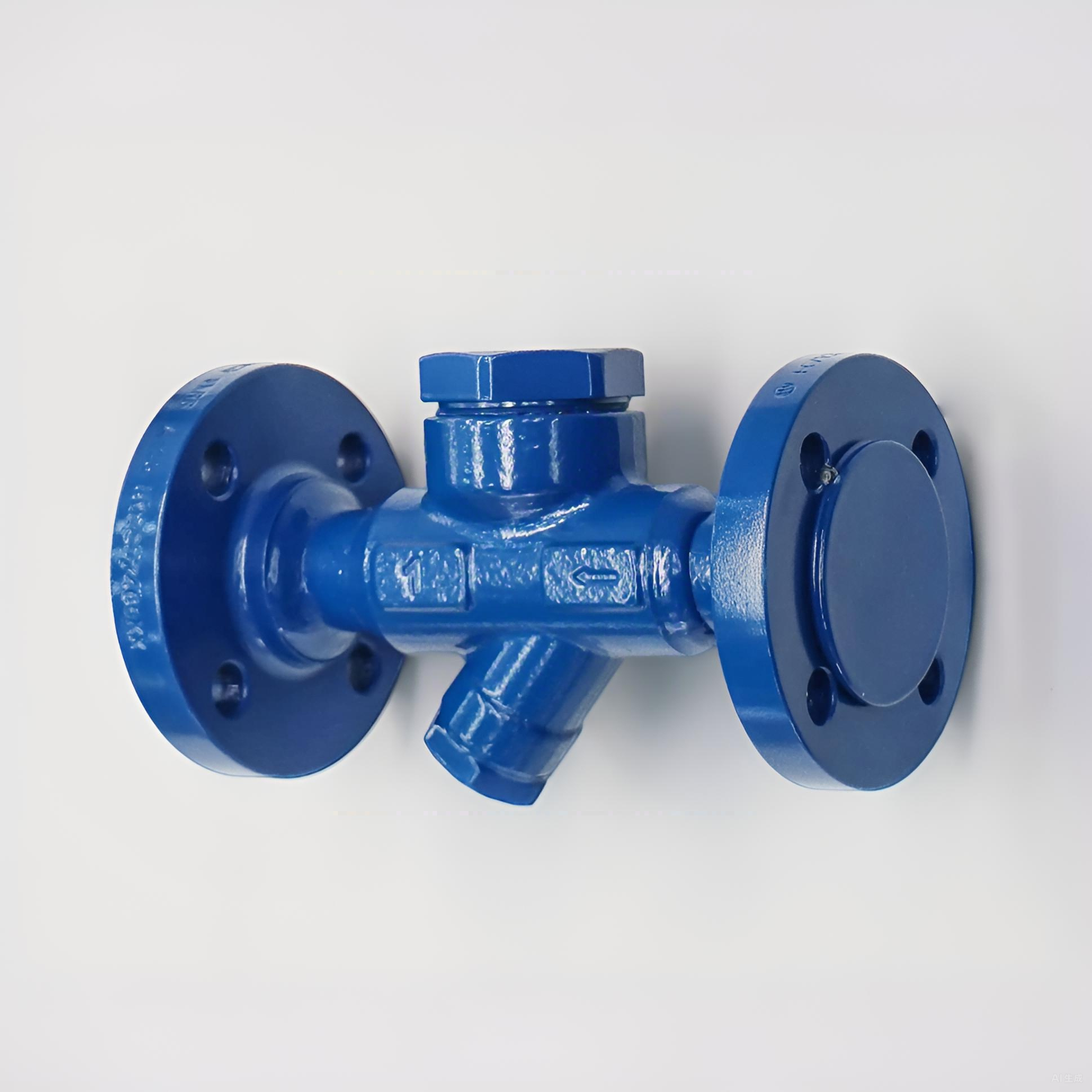
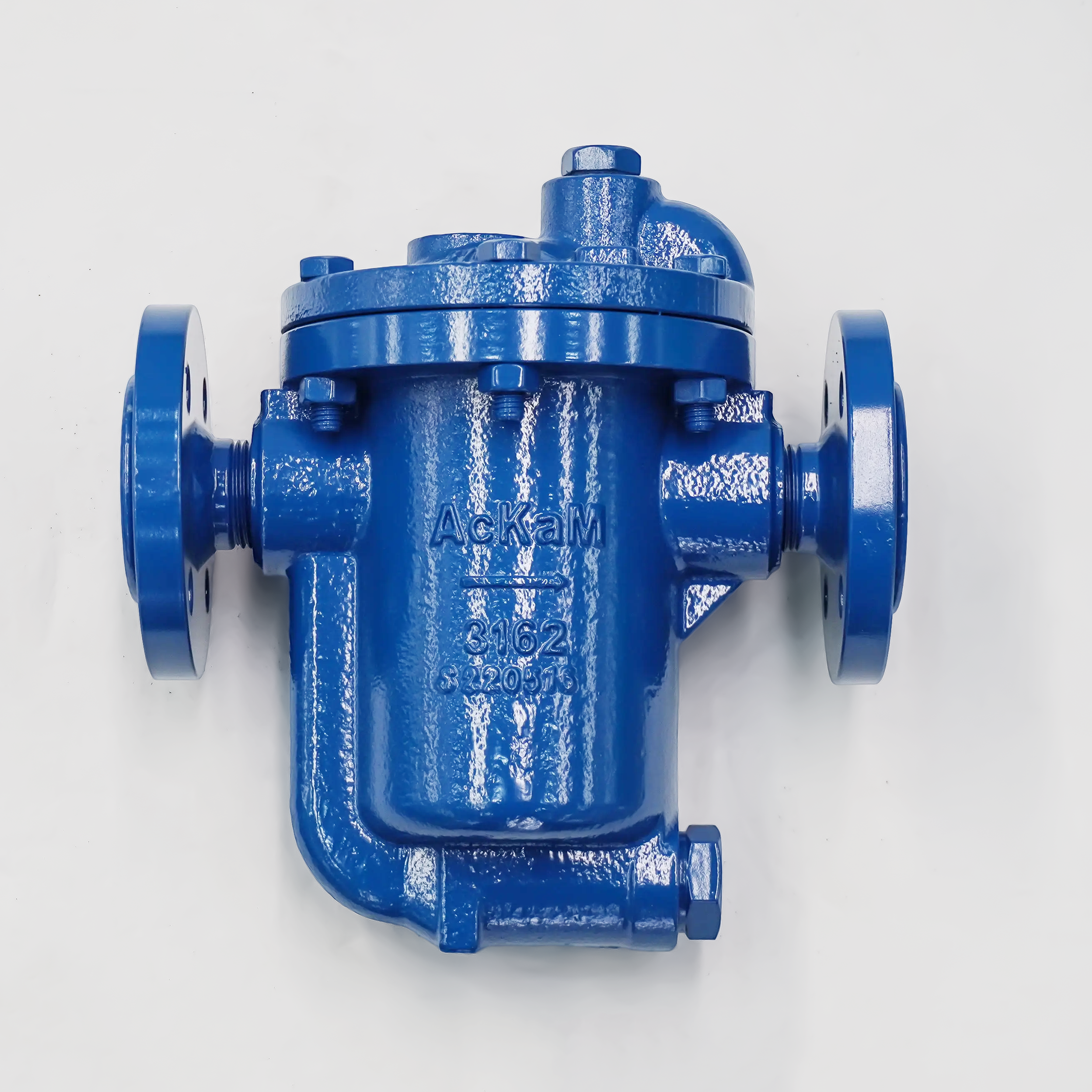
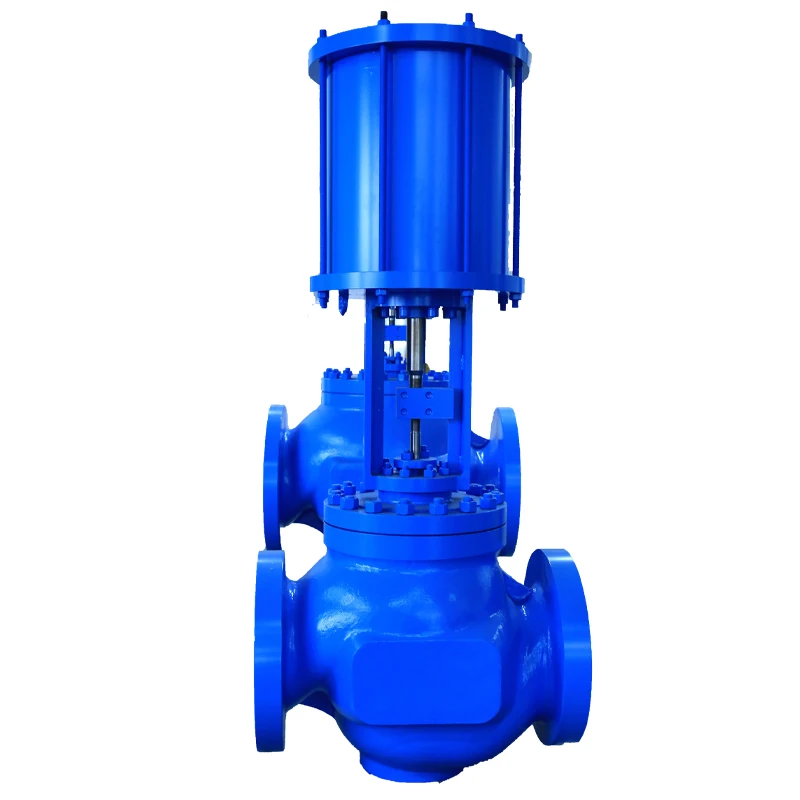
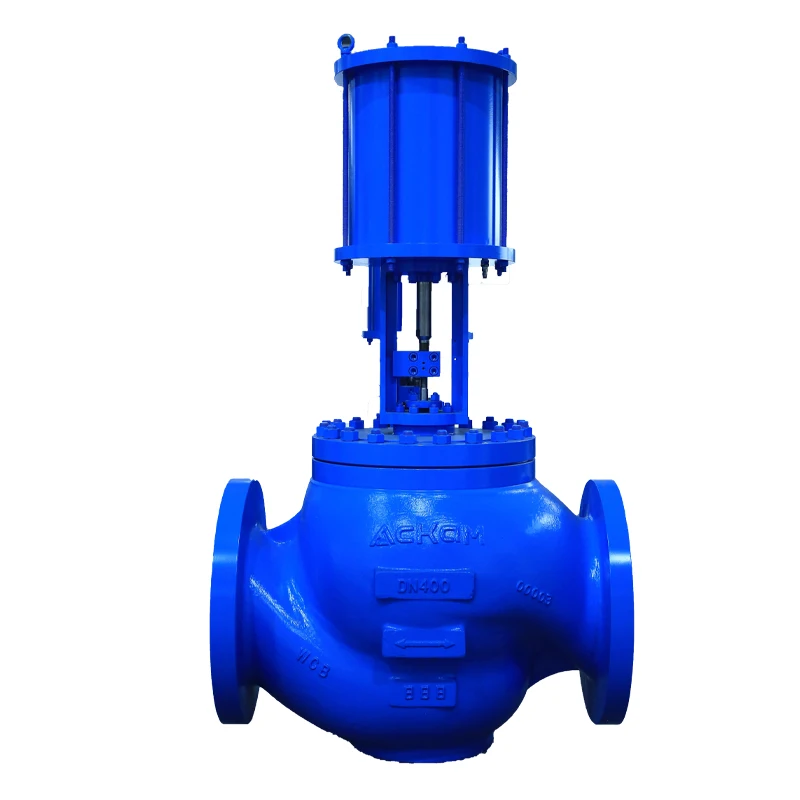
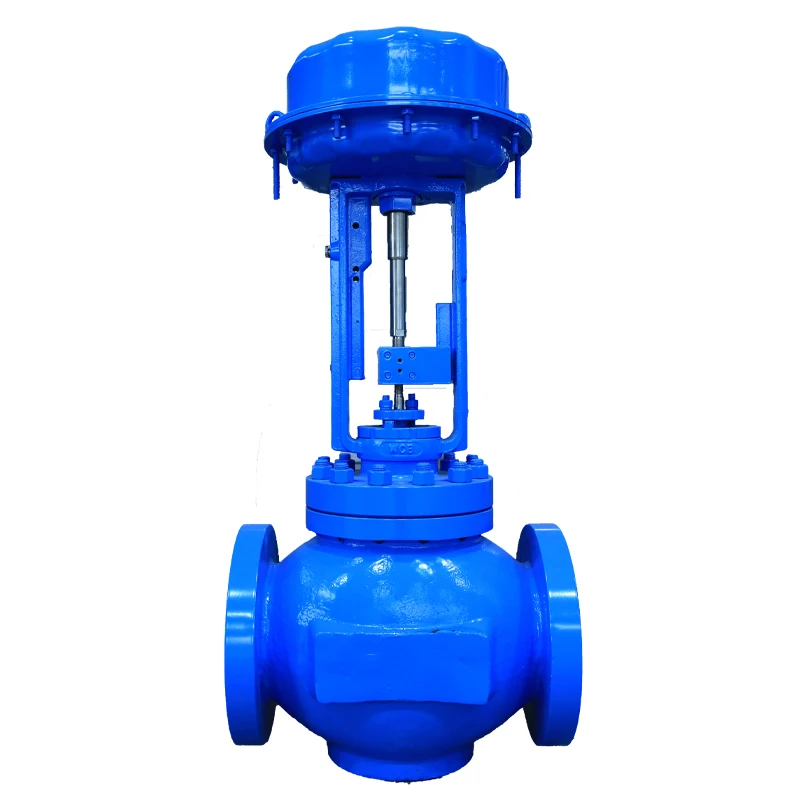
Steam trap applications represent critical components in industrial steam systems, serving as automatic valves that remove condensate, air, and non-condensable gases while preventing steam loss. These sophisticated devices operate through various mechanisms including thermostatic, mechanical, and thermodynamic principles to maintain optimal system performance. The primary function of steam trap applications involves distinguishing between steam and condensate, allowing liquid water to pass through while retaining valuable steam within the system. Modern steam trap applications incorporate advanced materials and precision engineering to withstand extreme temperatures and pressures commonly found in industrial environments. The technological features of contemporary steam trap applications include corrosion-resistant components, self-cleaning mechanisms, and enhanced sealing capabilities that extend operational lifespan. These applications find extensive use across manufacturing facilities, power generation plants, chemical processing units, food production facilities, and HVAC systems. The versatility of steam trap applications enables their integration into diverse industrial processes where steam heating, sterilization, or power generation occurs. Key technological advancements in steam trap applications include improved response times, reduced maintenance requirements, and enhanced energy efficiency ratings. The selection of appropriate steam trap applications depends on specific operational parameters such as pressure differentials, temperature ranges, and condensate loads. Installation considerations for steam trap applications encompass proper sizing, positioning, and accessibility for routine maintenance procedures. Quality steam trap applications feature robust construction materials including stainless steel, carbon steel, and specialized alloys designed to resist thermal stress and chemical corrosion. The operational efficiency of steam trap applications directly impacts overall system performance, energy consumption, and production costs, making their proper selection and maintenance essential for industrial success.
Popular Products

Steam trap applications deliver substantial cost savings through improved energy efficiency and reduced steam waste throughout industrial operations. By automatically removing condensate while retaining steam, these applications prevent energy losses that occur when valuable steam escapes through manual drain valves or faulty equipment. The financial benefits of implementing quality steam trap applications include lower fuel consumption, reduced boiler workload, and decreased operational expenses over extended periods. Enhanced productivity represents another significant advantage, as steam trap applications maintain consistent temperature profiles and prevent water hammer incidents that disrupt manufacturing processes. These applications eliminate the need for constant manual monitoring and adjustment, allowing personnel to focus on core production activities while ensuring optimal steam system performance. Reliability improvements result from the automatic operation of steam trap applications, which respond instantly to changing system conditions without human intervention. This immediate response capability prevents condensate backup, reduces corrosion risks, and maintains equipment longevity throughout the steam distribution network. Environmental benefits emerge from the reduced fuel consumption associated with efficient steam trap applications, contributing to lower carbon emissions and supporting corporate sustainability initiatives. The maintenance advantages of modern steam trap applications include self-cleaning mechanisms that minimize buildup of debris and contaminants, extending service intervals and reducing downtime. Safety enhancements provided by steam trap applications include prevention of water hammer, reduction of thermal stress on piping systems, and elimination of hazardous manual drainage procedures. Quality steam trap applications offer superior temperature control precision, enabling manufacturers to maintain strict product specifications and reduce waste from temperature variations. The scalability of steam trap applications allows for easy expansion of steam systems without compromising efficiency or requiring extensive modifications to existing infrastructure. Long-term durability ensures consistent performance over many years of operation, providing excellent return on investment through reduced replacement costs and minimal maintenance requirements. Modern steam trap applications incorporate diagnostic capabilities that enable predictive maintenance strategies, preventing unexpected failures and optimizing replacement scheduling based on actual performance data rather than arbitrary time intervals.

Tips And Tricks

Soaring to New Heights: AcKaM Industrial Surges in Billion-Dollar Market with 200% H1 Sales Growth

04

Nov

Soaring to New Heights: AcKaM Industrial Surges in Billion-Dollar Market with 200% H1 Sales Growth

View More
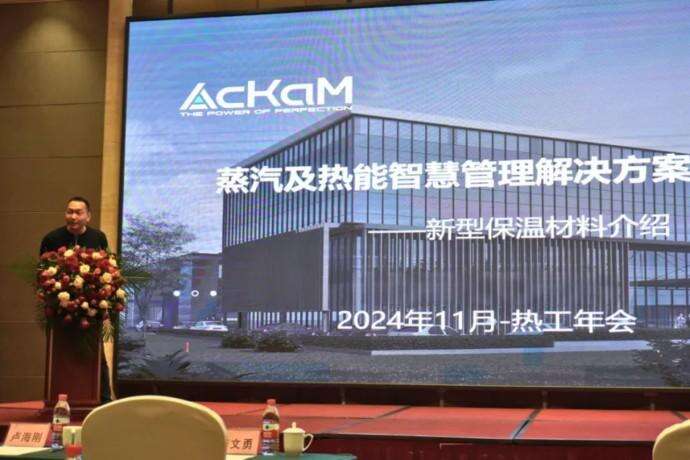
Innovation in Thermal Insulation Technology! AcKaM Delivers Keynote Speech at 2024 National Thermal Engineering Conference

05

Nov

Innovation in Thermal Insulation Technology! AcKaM Delivers Keynote Speech at 2024 National Thermal Engineering Conference

View More
AcKaM: Riding the Trillion-Yuan Wave to Pioneer Innovation

04

Nov

AcKaM: Riding the Trillion-Yuan Wave to Pioneer Innovation

View More

Get a Free Quote

Our representative will contact you soon.
Email
Name
Company Name
Message
0/1000

steam trap applications

Advanced Thermodynamic Efficiency Technology

Advanced Thermodynamic Efficiency Technology

Steam trap applications utilize cutting-edge thermodynamic principles to achieve unprecedented levels of energy efficiency in industrial steam systems. The sophisticated design of these applications incorporates precision-engineered components that respond instantly to temperature and pressure variations, ensuring optimal condensate removal while preventing valuable steam loss. This advanced technology operates through multiple detection mechanisms that distinguish between liquid and vapor phases with exceptional accuracy, eliminating the guesswork associated with manual drainage systems. The thermodynamic efficiency of modern steam trap applications results from years of research and development focused on maximizing heat transfer while minimizing energy waste. These applications feature specialized valve mechanisms that create tight seals when steam is present while opening precisely when condensate accumulates, maintaining perfect balance between drainage and steam retention. The engineering excellence behind these steam trap applications includes computational fluid dynamics optimization that ensures smooth flow patterns and eliminates turbulence that could compromise performance. Temperature-sensitive elements within these applications provide rapid response to changing thermal conditions, adjusting operation automatically to maintain peak efficiency across varying load conditions. The materials used in constructing these steam trap applications undergo rigorous testing to ensure they maintain their thermodynamic properties under extreme operating conditions, including high pressure differentials and temperature cycling. This technological advancement translates directly into reduced energy costs for industrial facilities, as the improved efficiency prevents steam waste that traditionally accounts for significant portions of heating expenses. The precision engineering of these steam trap applications extends beyond basic functionality to include features such as anti-freeze protection and fail-safe mechanisms that maintain operation even under adverse conditions, ensuring consistent energy savings throughout the year.
Intelligent Diagnostic and Monitoring Capabilities

Intelligent Diagnostic and Monitoring Capabilities

Modern steam trap applications incorporate sophisticated diagnostic systems that revolutionize maintenance practices and operational oversight in industrial facilities. These intelligent monitoring capabilities utilize advanced sensor technology to continuously assess performance parameters, detecting potential issues before they develop into costly failures. The diagnostic features of contemporary steam trap applications include real-time performance monitoring, predictive maintenance alerts, and comprehensive data logging that enables facility managers to optimize system performance based on actual operating conditions rather than theoretical assumptions. Integration with digital control systems allows these steam trap applications to communicate performance data directly to centralized monitoring stations, providing instant visibility into system-wide operation and enabling rapid response to changing conditions. The intelligent design of these applications includes self-diagnostic routines that automatically test functionality during operation, identifying worn components or developing problems that require attention. This proactive approach to maintenance significantly reduces unexpected downtime and extends the operational lifespan of steam trap applications while maintaining peak efficiency levels. The monitoring capabilities extend to include leak detection systems that identify steam losses immediately, preventing energy waste and potential safety hazards associated with escaping steam. Data analytics integration enables these steam trap applications to learn from operational patterns, optimizing their performance based on historical data and predicting future maintenance requirements with remarkable accuracy. The diagnostic information provided by these applications includes detailed performance metrics, operational statistics, and trend analysis that support informed decision-making regarding system optimization and maintenance scheduling. Remote monitoring capabilities allow maintenance teams to assess the status of steam trap applications from central locations, reducing the time and labor required for routine inspections while improving overall system reliability. These intelligent steam trap applications contribute to Industry 4.0 initiatives by providing the connectivity and data transparency necessary for smart manufacturing environments.
Superior Durability and Corrosion Resistance

Superior Durability and Corrosion Resistance

Premium steam trap applications feature exceptional durability characteristics that ensure reliable performance in the most demanding industrial environments. The construction materials used in these applications undergo specialized treatments and selection processes to withstand extreme temperatures, aggressive chemicals, and mechanical stress that commonly occur in industrial steam systems. Advanced metallurgy employed in manufacturing these steam trap applications includes corrosion-resistant alloys, protective coatings, and precision machining that creates components capable of operating effectively for decades under continuous use. The engineering approach to durability encompasses not only material selection but also design optimization that eliminates stress concentration points and potential failure modes through careful analysis of operating conditions. These robust steam trap applications incorporate redundant sealing systems and backup mechanisms that maintain functionality even when primary components experience wear or damage, ensuring uninterrupted operation during critical production periods. The corrosion resistance features of these applications extend beyond basic material properties to include specialized surface treatments that create protective barriers against chemical attack from condensate contaminants and system additives. Quality assurance processes for these steam trap applications include extensive testing under accelerated aging conditions, thermal cycling, and chemical exposure scenarios that simulate years of operational stress in compressed timeframes. The mechanical design of durable steam trap applications incorporates features such as replaceable wear components, accessible service points, and modular construction that facilitates maintenance while extending overall system lifespan. Field performance data consistently demonstrates that high-quality steam trap applications maintain their operational characteristics significantly longer than standard alternatives, providing superior return on investment through reduced replacement frequency and maintenance costs. The durability advantages of these applications become particularly evident in challenging environments such as chemical processing facilities, where exposure to corrosive substances and extreme operating conditions test the limits of equipment performance. Environmental resistance features ensure these steam trap applications continue operating effectively despite exposure to moisture, temperature extremes, and vibration that commonly affect industrial equipment, maintaining consistent performance throughout their extended service life.

Get a Free Quote

Our representative will contact you soon.
Email
Name
Company Name
Message
0/1000