steam trap in pharmaceutical
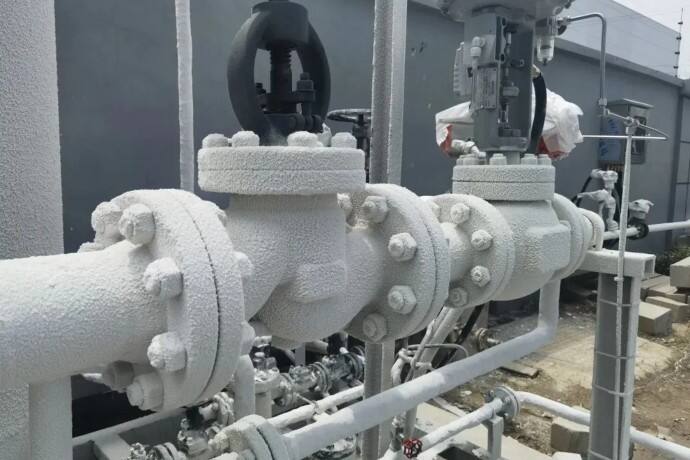
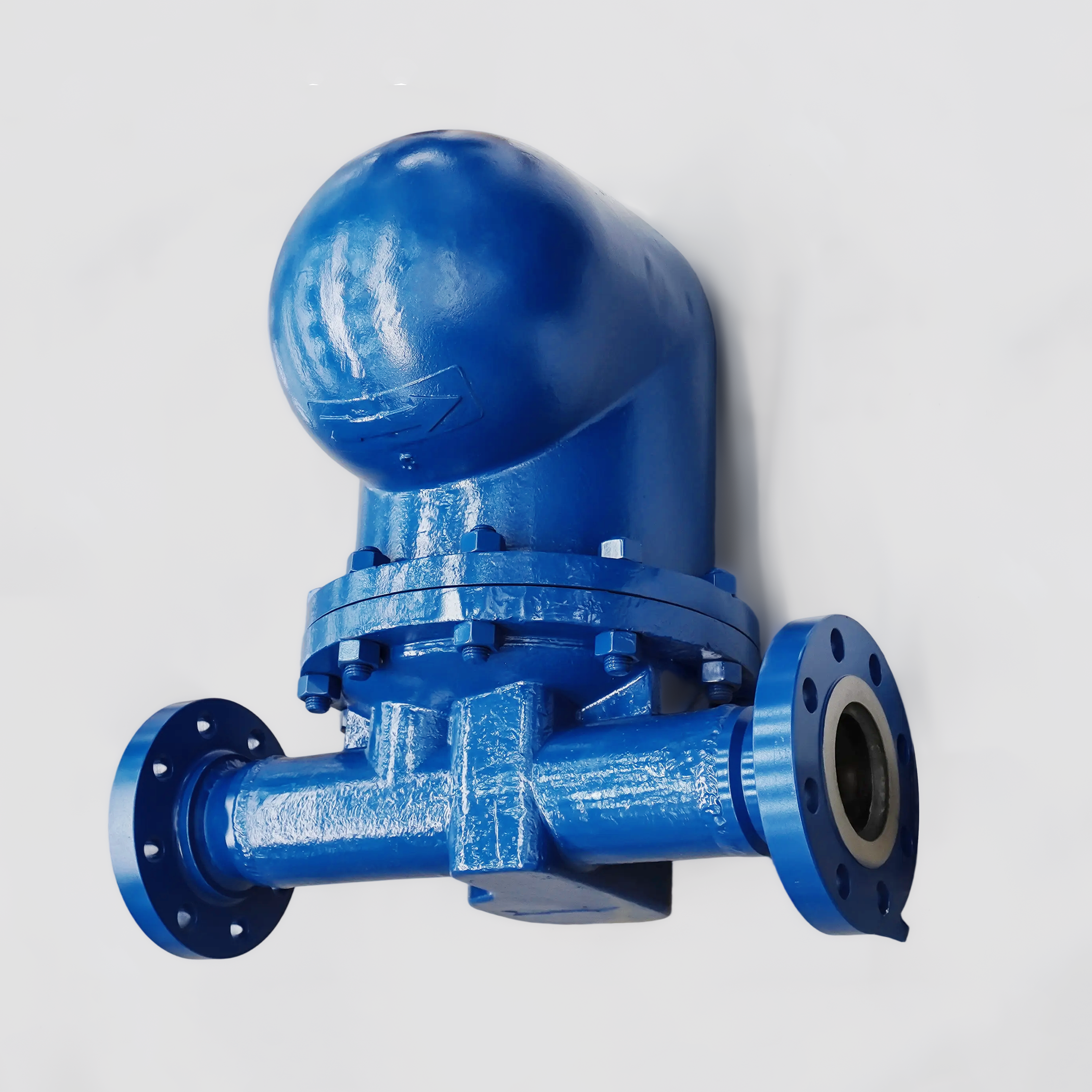
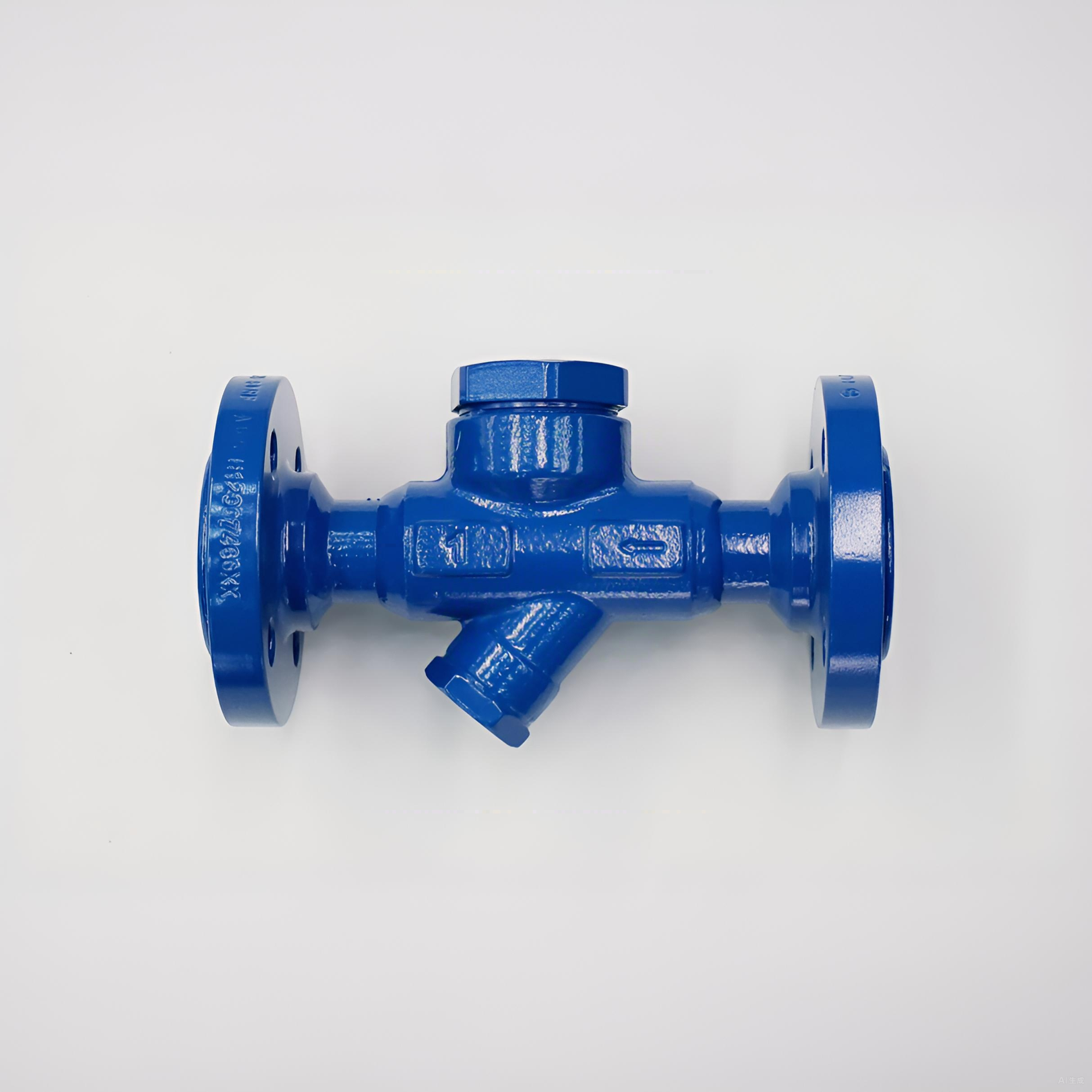
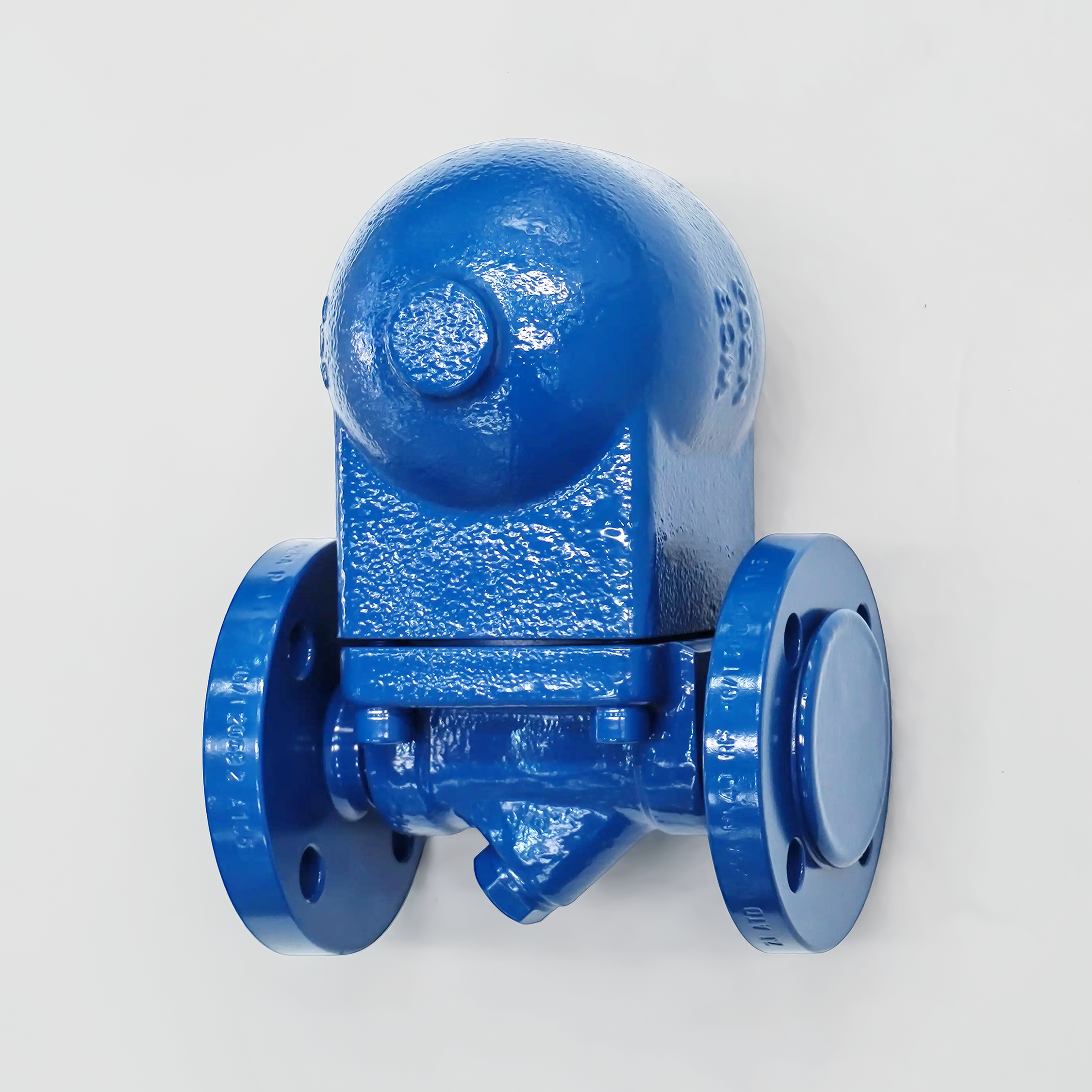
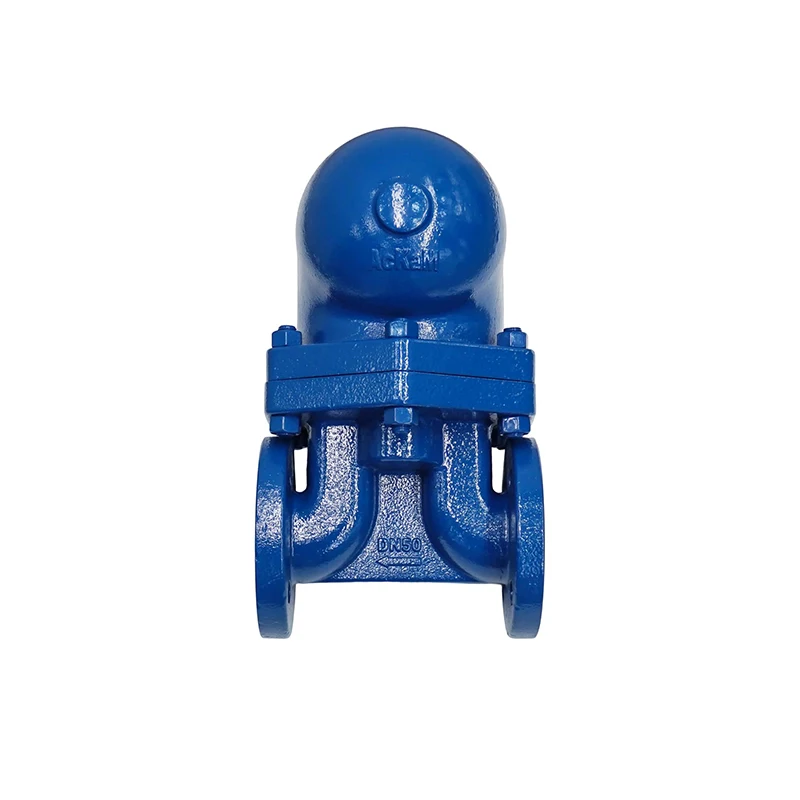
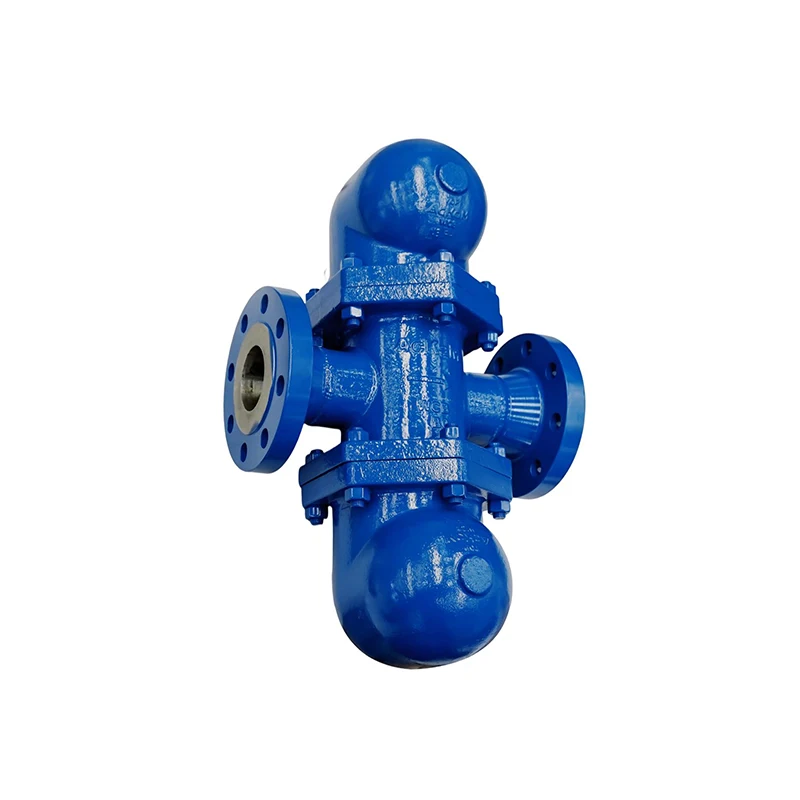
Steam traps in pharmaceutical manufacturing represent critical components that ensure optimal steam system performance while maintaining the stringent quality standards required in drug production. These specialized devices automatically discharge condensate, air, and non-condensable gases from steam lines while preventing valuable steam loss. In pharmaceutical applications, steam trap in pharmaceutical systems must meet exceptionally high purity requirements, as any contamination could compromise product integrity and patient safety. The pharmaceutical industry relies heavily on clean steam for sterilization processes, equipment heating, and facility climate control, making reliable condensate removal essential for continuous operations. Modern steam trap in pharmaceutical installations feature corrosion-resistant materials such as stainless steel 316L, which provides excellent chemical compatibility and prevents contamination. These devices operate through various mechanisms including thermostatic, mechanical, and thermodynamic principles, each suited for specific pharmaceutical processes. Temperature control accuracy is paramount in pharmaceutical manufacturing, where even minor variations can affect product quality or regulatory compliance. Steam trap in pharmaceutical systems help maintain precise temperature control by ensuring efficient heat transfer and preventing water hammer that could damage sensitive equipment. The condensate removal process also prevents bacterial growth that could occur in stagnant water, supporting Good Manufacturing Practice requirements. Advanced steam trap in pharmaceutical designs incorporate features like test ports for validation, easy maintenance access, and fail-safe operation modes. These devices must withstand frequent cleaning cycles using aggressive sanitizing agents while maintaining leak-tight performance. Proper steam trap in pharmaceutical selection considers factors such as steam pressure, condensate load, and installation environment. Regular monitoring and maintenance of these systems ensure consistent performance and help pharmaceutical manufacturers meet strict regulatory requirements while optimizing energy efficiency and reducing operational costs.