Premium Boiler Steam Trap Systems - Energy Efficient Condensate Removal Solutions

All Categories

Get a Free Quote

Our representative will contact you soon.
Email
Name
Company Name
Message
0/1000

boiler steam trap

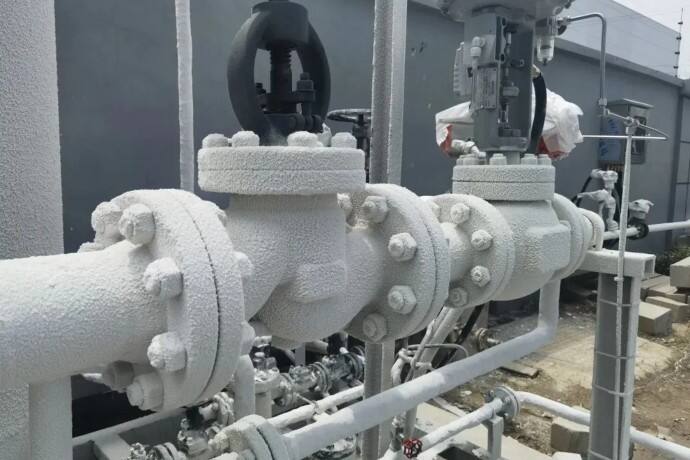
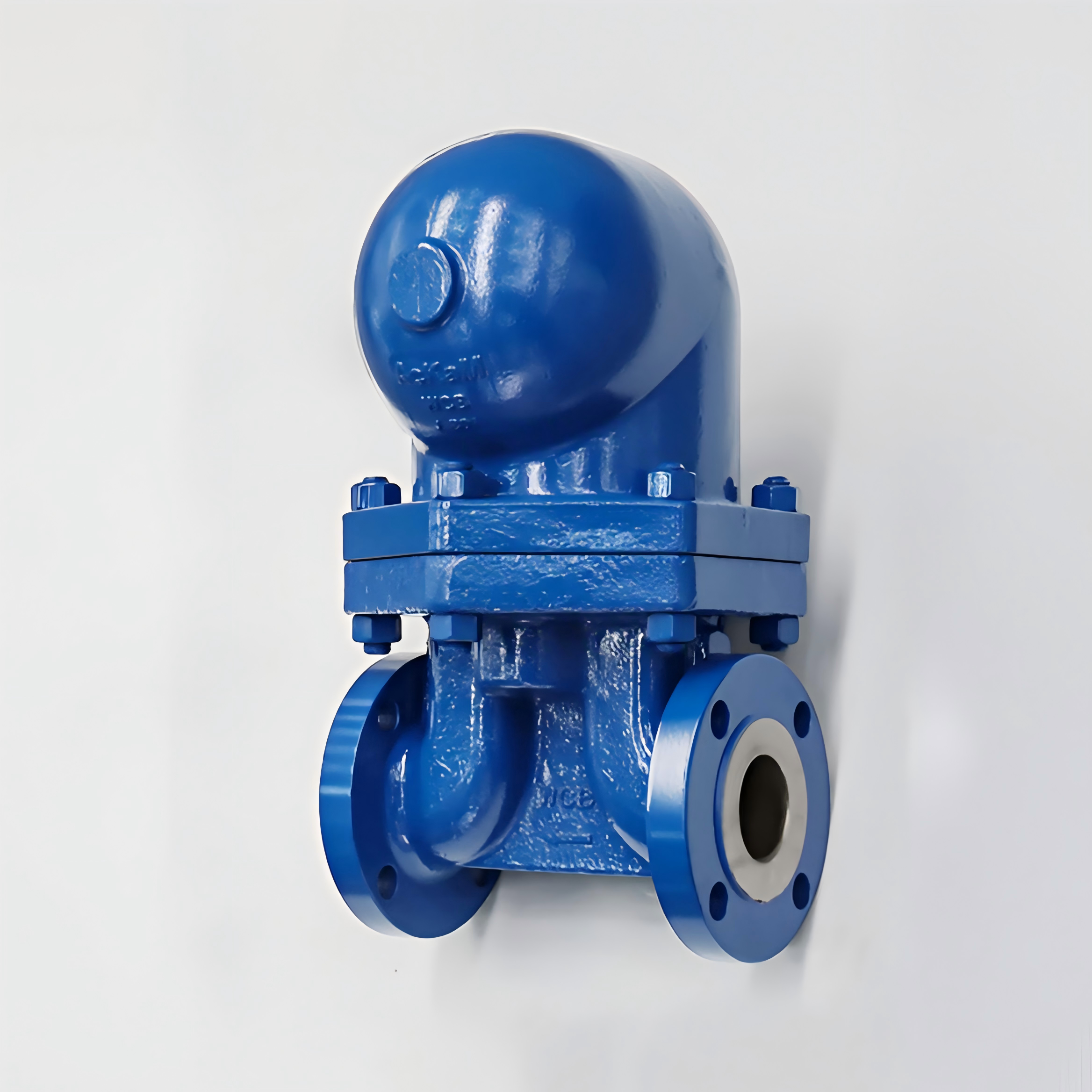
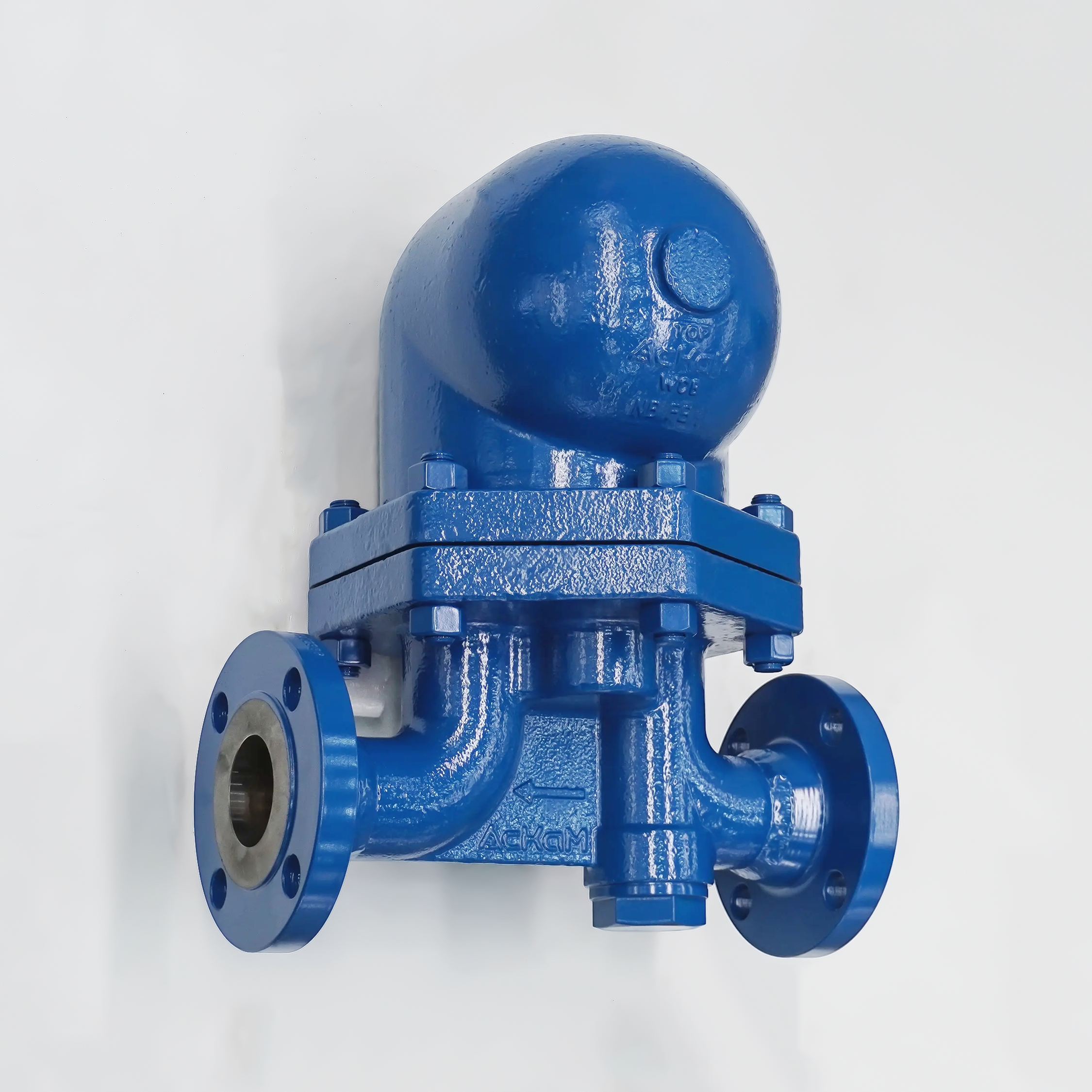
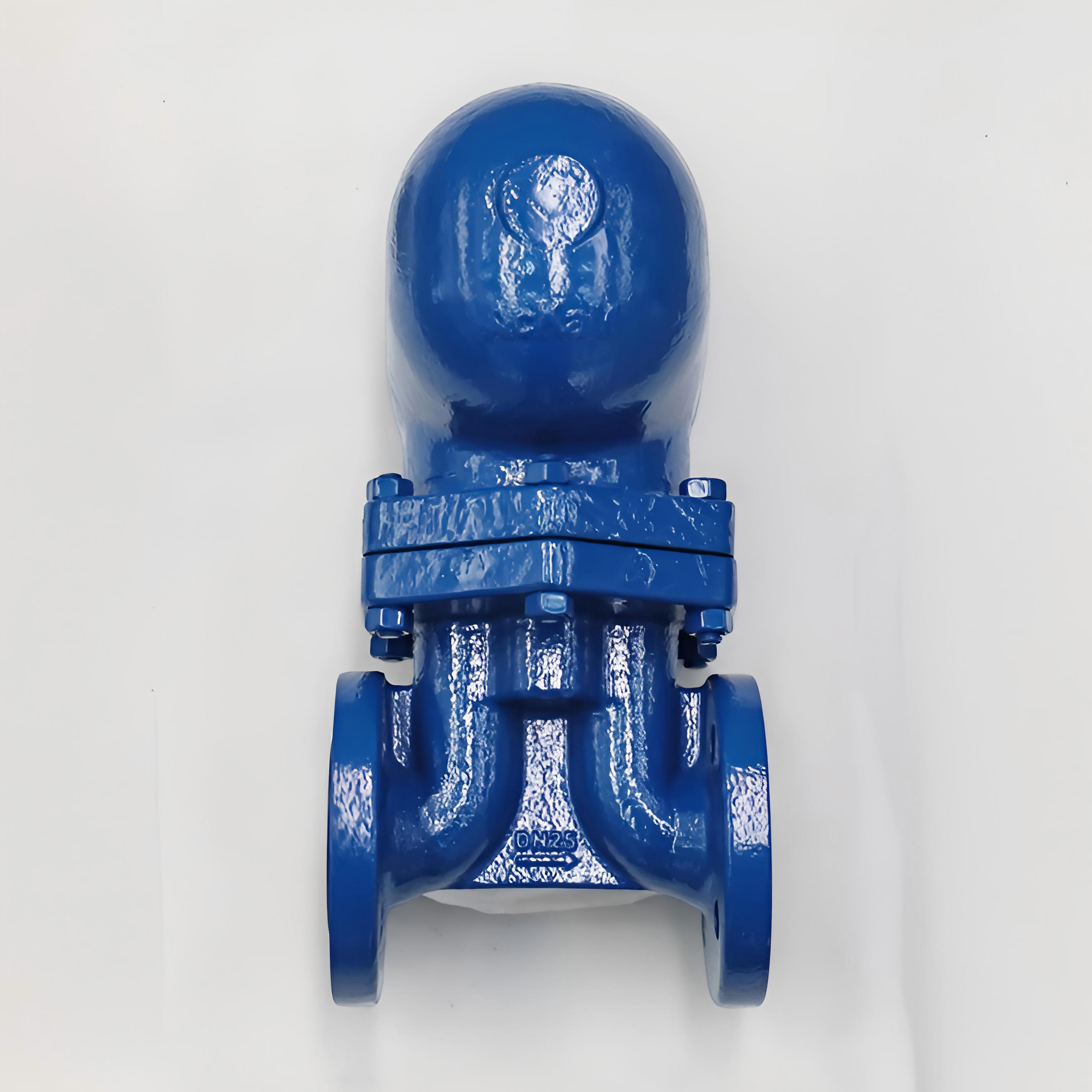
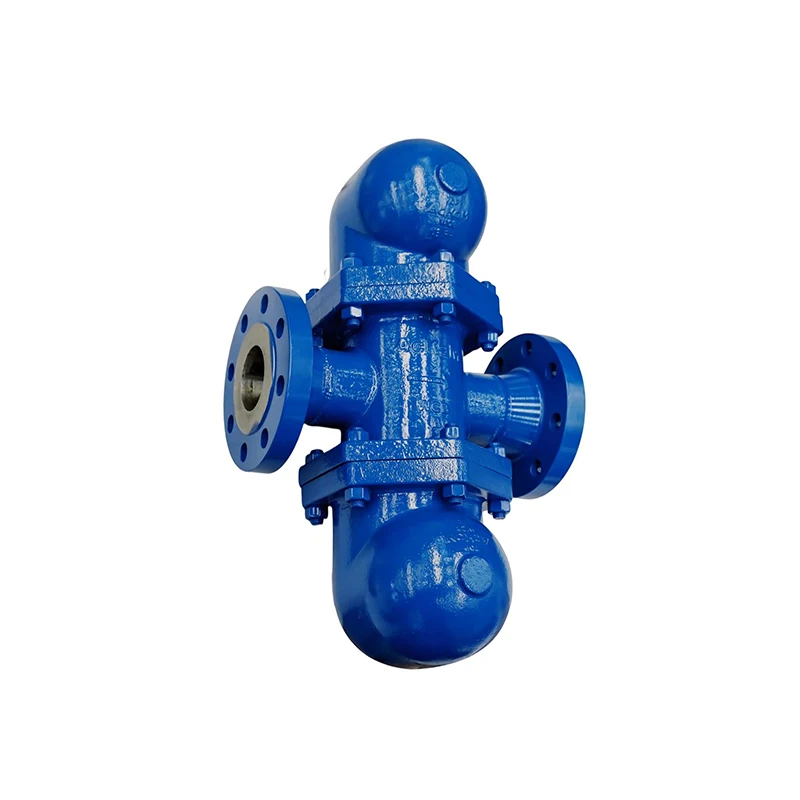
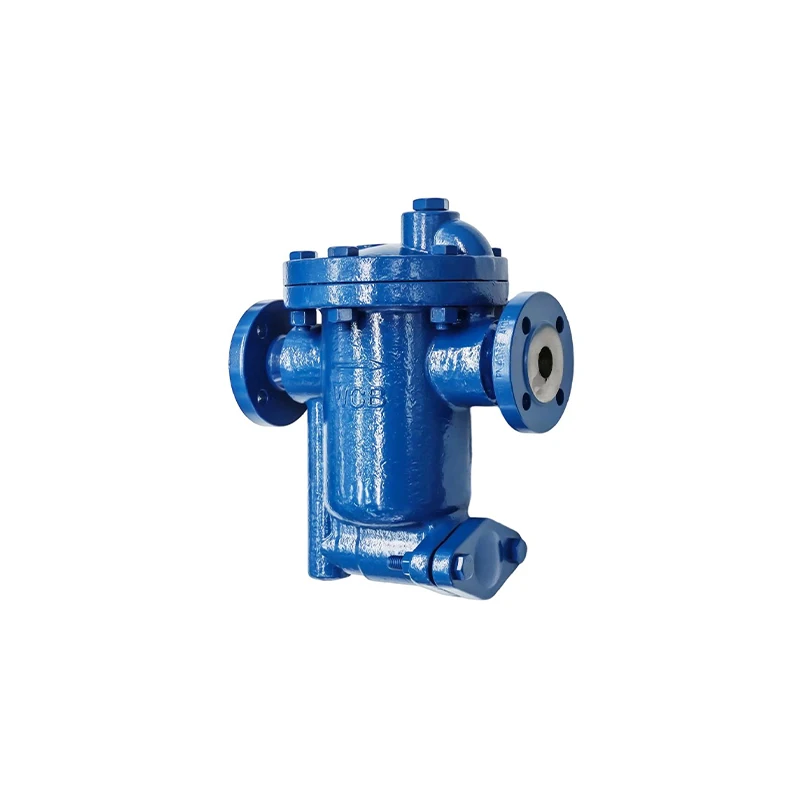
A boiler steam trap represents an essential component in industrial steam systems, designed to automatically discharge condensate while preventing valuable steam from escaping the system. This mechanical device operates as an intelligent valve that distinguishes between steam and water, ensuring optimal system performance and energy efficiency. The boiler steam trap functions through various mechanisms including thermostatic, mechanical, and thermodynamic principles, each tailored to specific operating conditions and requirements. Modern boiler steam trap designs incorporate advanced materials and precision engineering to withstand extreme temperatures and pressures commonly found in industrial environments. The primary function involves removing accumulated condensate from steam lines, equipment, and distribution systems before it can cause damage or reduce efficiency. Additionally, these devices eliminate air and other non-condensable gases that naturally occur during system operation. The technological features of contemporary boiler steam trap units include corrosion-resistant construction materials, adjustable discharge rates, and integrated monitoring capabilities that allow real-time performance assessment. Applications span across numerous industries including power generation, chemical processing, food production, textile manufacturing, and heating systems in commercial buildings. The strategic placement of boiler steam trap units throughout a steam system ensures continuous condensate removal, preventing water hammer effects that could damage piping and equipment. Furthermore, proper installation and maintenance of these devices contribute significantly to overall system longevity, operational safety, and cost-effectiveness. The selection process for an appropriate boiler steam trap depends on factors such as operating pressure, temperature range, condensate load, and specific application requirements, making professional consultation valuable for optimal results.
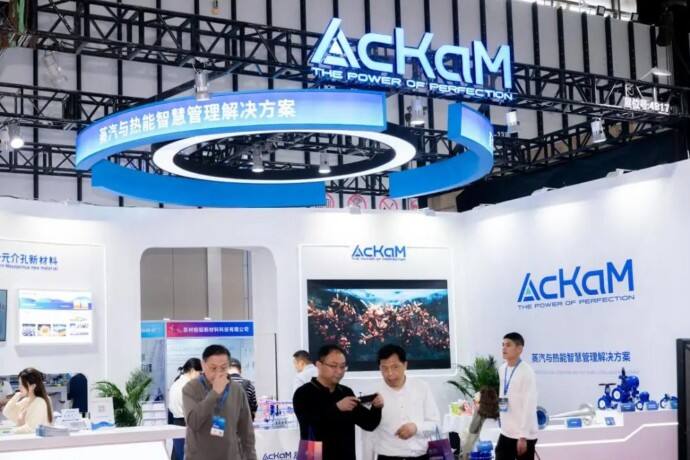
New Product Releases

The boiler steam trap delivers exceptional energy savings by preventing steam loss and ensuring that valuable heat energy remains within the system where it belongs. This efficient operation translates directly into reduced fuel consumption and lower operating costs for facility managers and industrial operators. The device eliminates the need for manual condensate drainage, providing automatic operation that maintains consistent system performance without requiring constant supervision or intervention from maintenance personnel. Temperature control becomes significantly more stable when using a properly functioning boiler steam trap, as it prevents cold condensate from mixing with hot steam and creating temperature fluctuations that could affect production processes or comfort levels. The protection against water hammer represents another critical advantage, as accumulated condensate can create dangerous pressure surges when steam pushes through liquid-filled pipes, potentially causing catastrophic damage to expensive equipment and posing serious safety risks to personnel. Corrosion prevention stands as a major benefit since standing condensate contains dissolved oxygen and carbon dioxide that attack metal surfaces from within, leading to premature equipment failure and costly repairs or replacements. The boiler steam trap extends equipment lifespan by maintaining dry steam conditions throughout the distribution system, preventing moisture-related damage to valves, heat exchangers, and other critical components. Improved heat transfer efficiency occurs when condensate removal is prompt and thorough, allowing heat exchange surfaces to operate at maximum effectiveness without the insulating effect of accumulated water. Maintenance costs decrease substantially because automated condensate removal reduces the frequency of system cleaning, component replacement, and emergency repairs that typically result from poor condensate management. Production quality benefits significantly from consistent steam conditions, particularly in manufacturing processes where precise temperature and humidity control directly impact product specifications and quality standards. Environmental compliance becomes easier to achieve as efficient steam systems produce fewer emissions per unit of useful energy output, supporting corporate sustainability goals and regulatory requirements. The reliability factor cannot be overstated, as modern boiler steam trap technology provides dependable operation across varying load conditions, seasonal changes, and different operational modes without requiring frequent adjustments or recalibration.

Latest News

Soaring to New Heights: AcKaM Industrial Surges in Billion-Dollar Market with 200% H1 Sales Growth

04

Nov

Soaring to New Heights: AcKaM Industrial Surges in Billion-Dollar Market with 200% H1 Sales Growth

View More
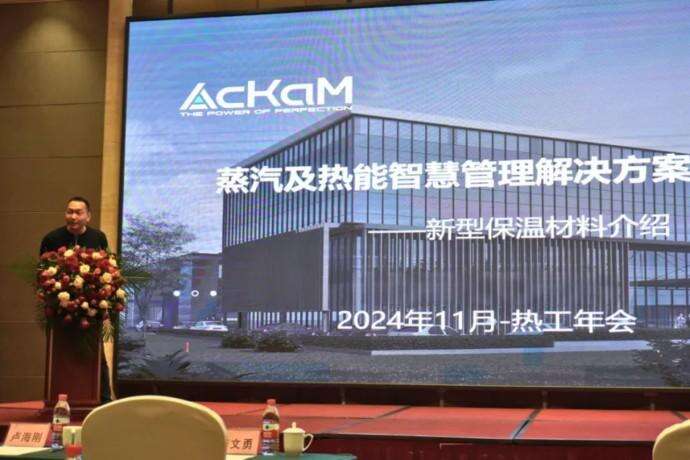
Innovation in Thermal Insulation Technology! AcKaM Delivers Keynote Speech at 2024 National Thermal Engineering Conference

05

Nov

Innovation in Thermal Insulation Technology! AcKaM Delivers Keynote Speech at 2024 National Thermal Engineering Conference

View More
AcKaM: Riding the Trillion-Yuan Wave to Pioneer Innovation

04

Nov

AcKaM: Riding the Trillion-Yuan Wave to Pioneer Innovation

View More

Get a Free Quote

Our representative will contact you soon.
Email
Name
Company Name
Message
0/1000

boiler steam trap

Advanced Thermodynamic Efficiency

Advanced Thermodynamic Efficiency

The thermodynamic efficiency of a modern boiler steam trap represents a breakthrough in energy conservation technology that delivers measurable cost savings while enhancing overall system performance. This sophisticated mechanism operates on the fundamental principle of phase change detection, automatically responding to the presence of steam versus condensate through temperature and pressure differentials. The engineering excellence behind this efficiency stems from precision-manufactured components that create an optimal balance between condensate discharge and steam retention, ensuring that no valuable steam escapes while maintaining continuous condensate removal. The thermodynamic design incorporates materials with specific thermal expansion properties that react predictably to temperature changes, creating a self-regulating system that adapts to varying load conditions without external control systems. This intelligent operation eliminates the energy waste associated with manual valves or poorly calibrated automatic systems that either allow steam to escape or fail to remove condensate effectively. The efficiency gains compound over time as the boiler steam trap maintains optimal operating conditions throughout the steam distribution network, preventing the cascading inefficiencies that occur when condensate accumulates and creates thermal barriers. Real-world applications demonstrate energy savings ranging from fifteen to thirty percent compared to systems without proper steam trap installation, with payback periods typically occurring within twelve to eighteen months depending on energy costs and system size. The thermodynamic efficiency also extends to reduced boiler cycling, as consistent condensate removal maintains steady system pressure and temperature, reducing the frequency of boiler startup and shutdown cycles that consume additional fuel. Furthermore, the enhanced efficiency contributes to improved process control in manufacturing applications where precise steam conditions are critical for product quality and consistency. The long-term benefits include reduced carbon footprint, lower utility bills, and compliance with increasingly stringent energy efficiency regulations across various industries and geographical regions.
Corrosion Protection Technology

Corrosion Protection Technology

The corrosion protection capabilities of advanced boiler steam trap systems provide comprehensive defense against the destructive effects of moisture and chemical attack that plague traditional steam distribution networks. This protection begins with the immediate and continuous removal of condensate that naturally forms as steam releases its latent heat energy, preventing the accumulation of corrosive water that contains dissolved oxygen, carbon dioxide, and other aggressive compounds. The engineering behind this protection involves multiple layers of defense, starting with materials selection that includes corrosion-resistant alloys and protective coatings designed to withstand both internal and external environmental challenges. The boiler steam trap actively prevents the formation of carbonic acid, which occurs when carbon dioxide dissolves in condensate, creating a highly corrosive environment that attacks steel and iron components from within the system. Additionally, the device eliminates oxygen pitting by ensuring that condensate does not remain in contact with metal surfaces long enough for electrochemical reactions to initiate and propagate. The protection extends beyond the immediate vicinity of the steam trap itself, as proper condensate removal throughout the system prevents the transport of corrosive substances to downstream equipment including heat exchangers, control valves, and instrumentation. The technology incorporates design features that minimize turbulence and cavitation, both of which can accelerate corrosion through mechanical erosion and the creation of localized pressure differentials that enhance chemical attack. This comprehensive protection translates into dramatically extended equipment lifespan, with properly protected systems lasting decades longer than those suffering from corrosion-related deterioration. The economic benefits include reduced replacement costs, fewer emergency repairs, and decreased downtime associated with corrosion failures. The protection also maintains system integrity under varying operational conditions, ensuring that thermal cycling, pressure fluctuations, and seasonal changes do not compromise the anti-corrosion benefits. Environmental advantages result from reduced material consumption and waste generation associated with premature equipment replacement, supporting sustainable industrial practices and corporate responsibility initiatives.
Intelligent Automation Features

Intelligent Automation Features

The intelligent automation capabilities integrated into modern boiler steam trap technology represent a significant advancement in industrial process control, delivering unprecedented levels of operational efficiency and system reliability through sophisticated sensing and response mechanisms. These automation features begin with advanced thermostatic elements that continuously monitor temperature differentials and automatically adjust discharge rates to match real-time condensate production, eliminating the inefficiencies associated with fixed-opening devices or manual operation. The intelligent design incorporates multiple sensing technologies including temperature, pressure, and flow detection systems that work in concert to provide comprehensive system awareness and responsive control. This automation extends to predictive maintenance capabilities through integrated monitoring systems that track performance parameters and alert operators to potential issues before they develop into costly failures or system disruptions. The boiler steam trap automation includes self-diagnostic functions that continuously verify proper operation and can identify problems such as valve seat wear, calibration drift, or blockages that might compromise performance. Advanced models feature communication protocols that integrate seamlessly with building management systems and industrial control networks, providing remote monitoring and control capabilities that enhance operational oversight and enable centralized system optimization. The automation intelligence includes adaptive learning algorithms that optimize performance based on historical operating patterns, seasonal variations, and load characteristics specific to each installation. This smart functionality reduces maintenance requirements by automatically compensating for minor variations in system conditions and component aging, extending service intervals and reducing total cost of ownership. The automation also provides enhanced safety features through fail-safe operation modes that protect equipment and personnel in the event of system anomalies or emergency conditions. Data logging capabilities enable comprehensive performance analysis and energy auditing, supporting continuous improvement initiatives and regulatory compliance reporting. The integration capabilities extend to energy management systems, allowing the boiler steam trap to contribute to overall facility optimization strategies and sustainability goals through improved resource utilization and waste reduction.

Get a Free Quote

Our representative will contact you soon.
Email
Name
Company Name
Message
0/1000