Bimetallic Thermostatic Steam Trap - Energy Efficient Condensate Management Solutions

All Categories

Get a Free Quote

Our representative will contact you soon.
Email
Name
Company Name
Message
0/1000

bimetallic thermostatic steam trap

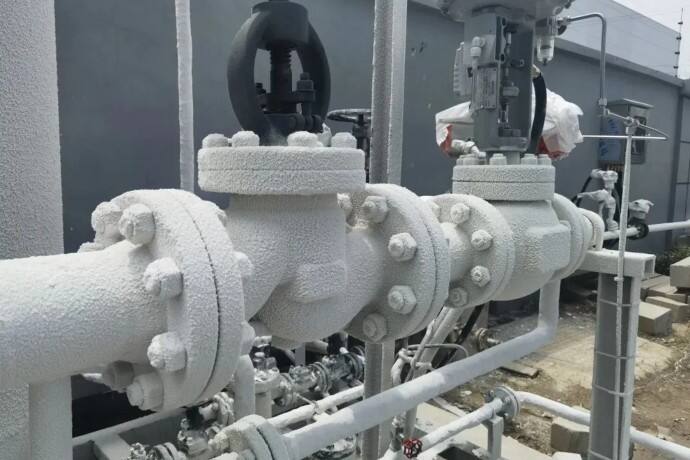
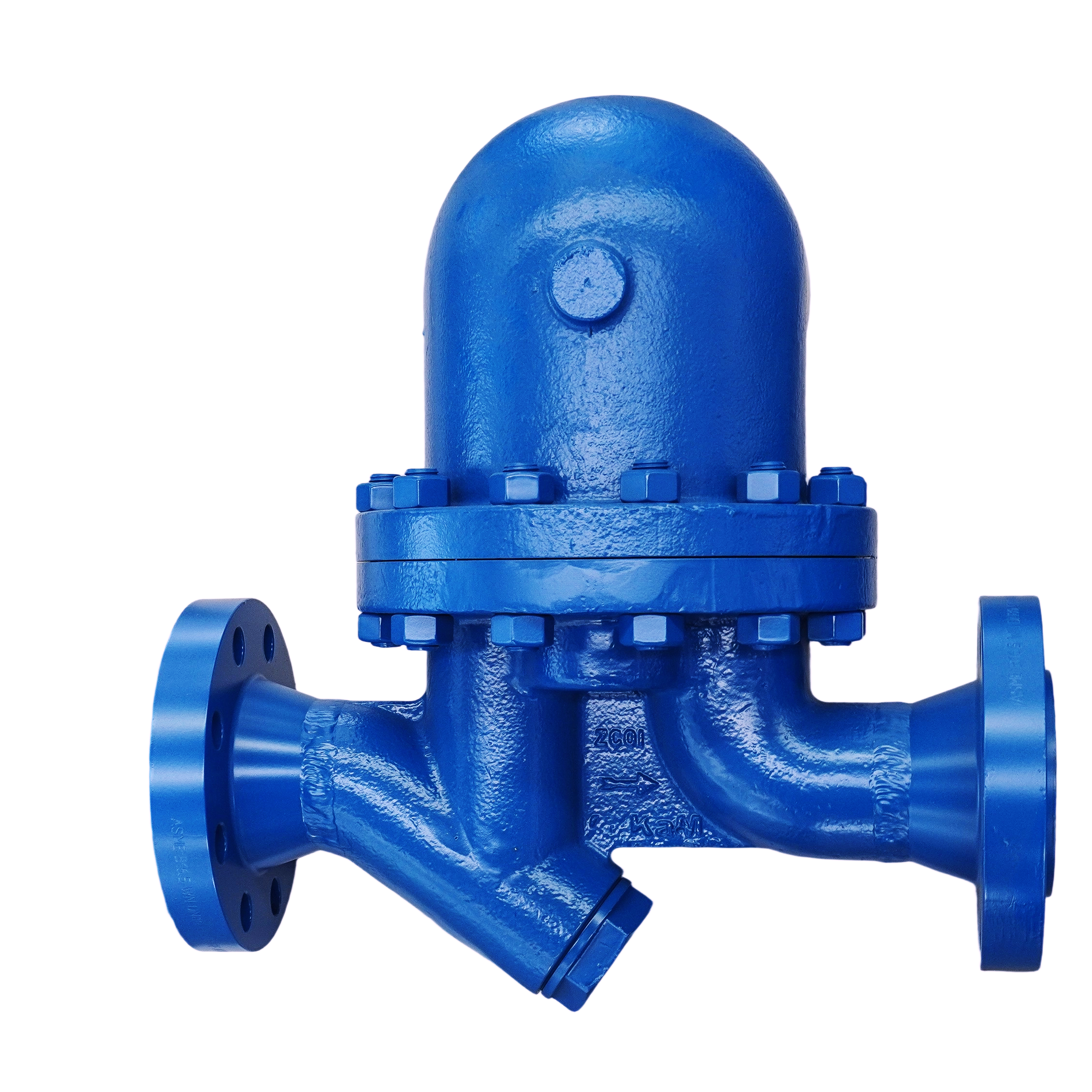
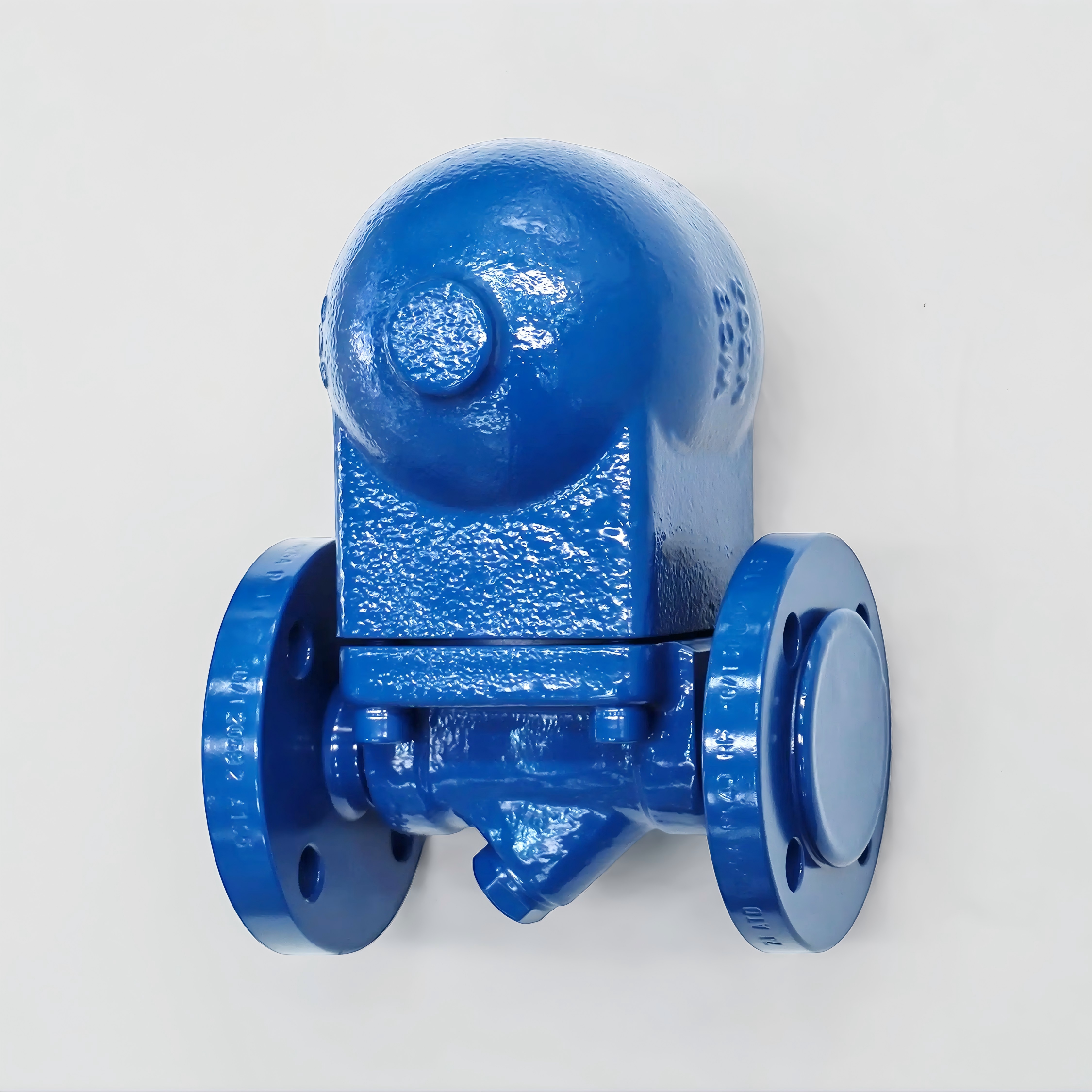
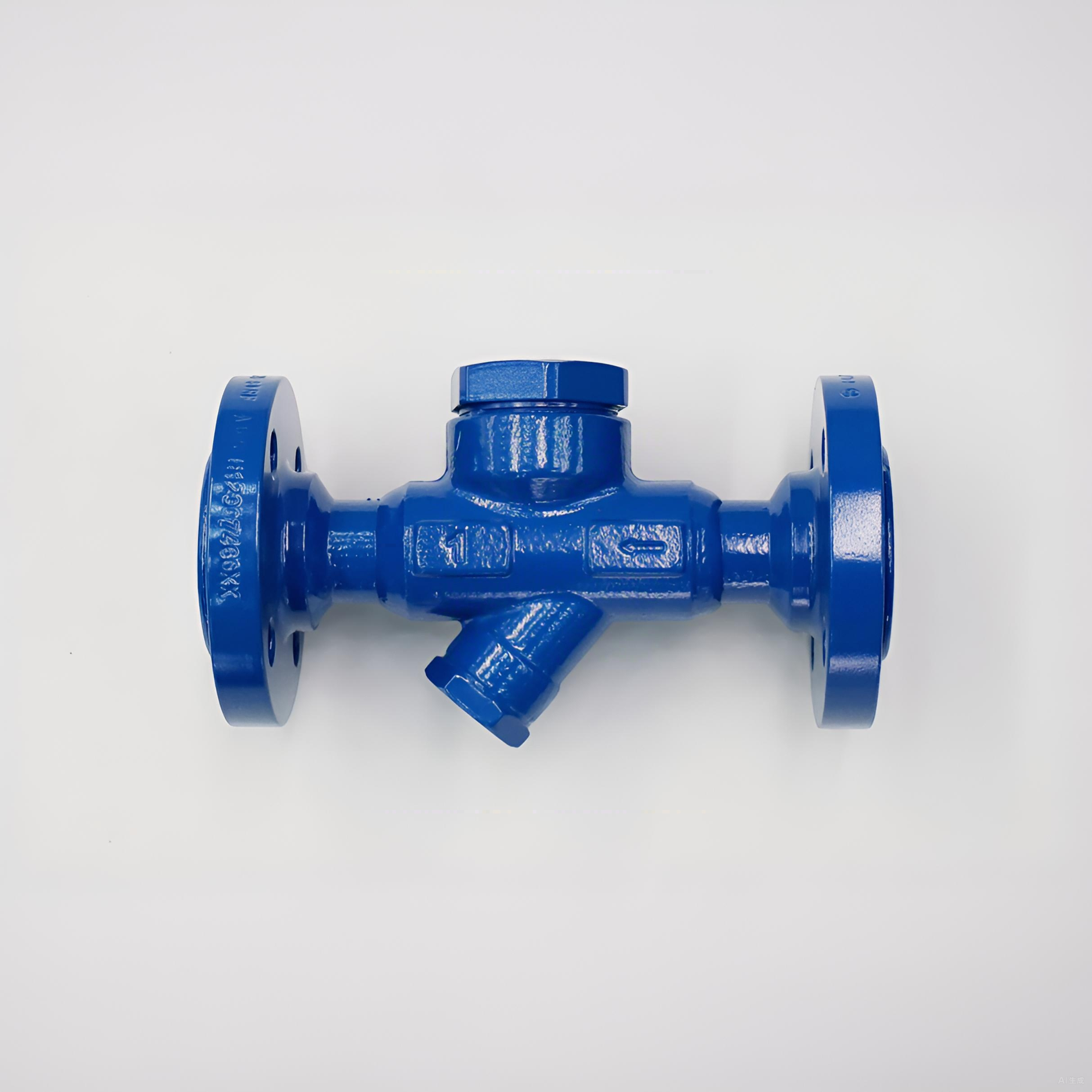
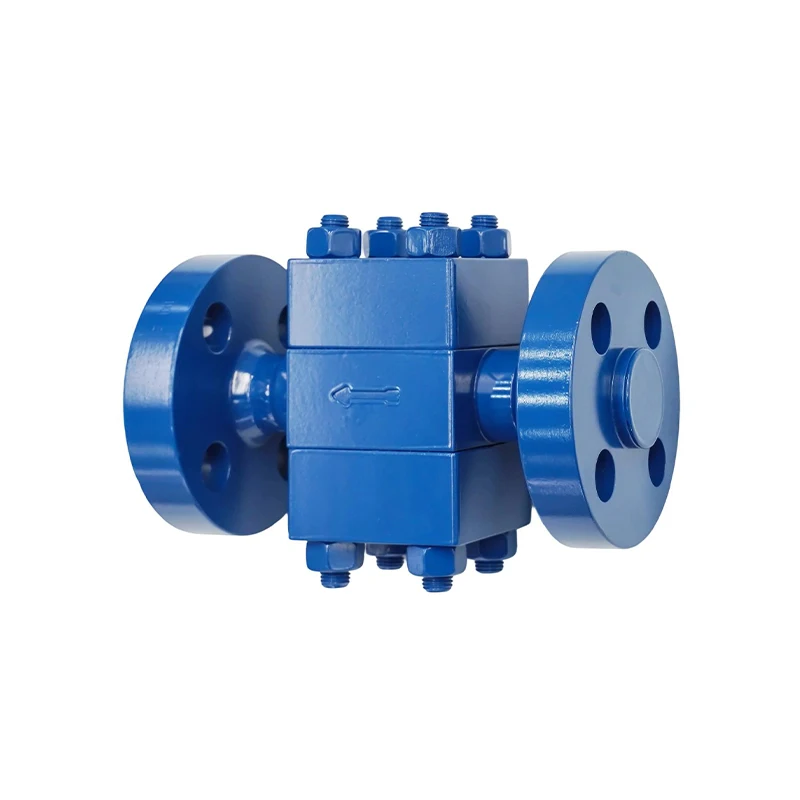
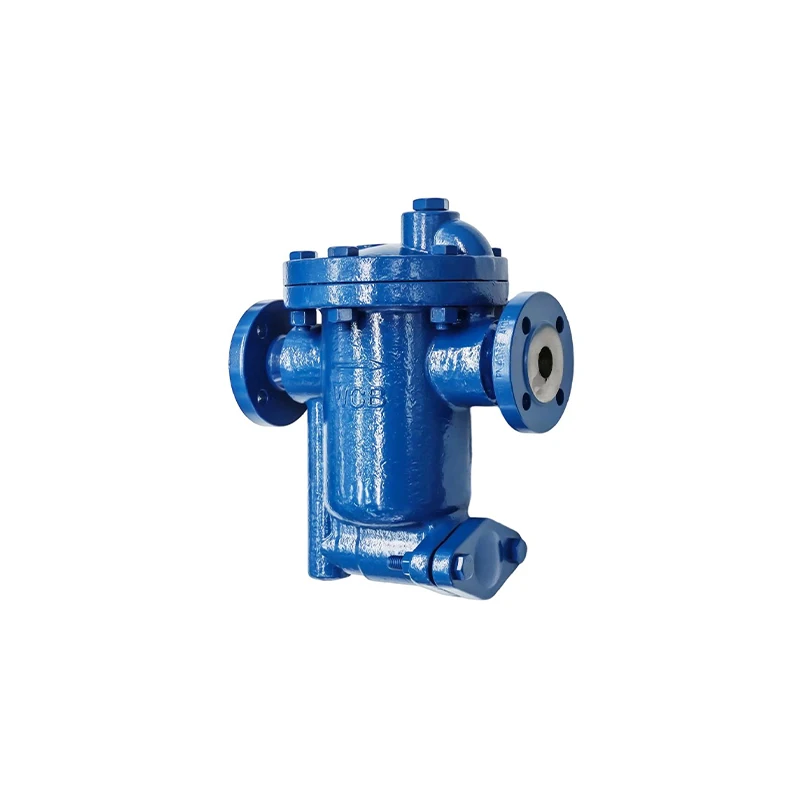
A bimetallic thermostatic steam trap represents an essential component in steam system operations, designed to automatically discharge condensate while preventing valuable steam loss. This innovative device utilizes the thermal expansion properties of two different metals bonded together, creating a reliable and efficient mechanism for condensate management. The bimetallic thermostatic steam trap operates on the principle that different metals expand at varying rates when exposed to temperature changes, allowing for precise control of the valve opening and closing mechanism. The main functions of this equipment include condensate removal, air venting, and steam conservation within industrial heating systems. When condensate forms and cools below steam temperature, the bimetallic element contracts, opening the valve to allow liquid discharge. Conversely, when steam or high-temperature condensate approaches, the element expands, closing the valve to prevent steam escape. Technological features encompass a robust bimetallic disc or strip construction, corrosion-resistant materials, and self-adjusting operation capabilities. The device requires no external power source, making it highly reliable for continuous operation. Applications span across diverse industries including manufacturing plants, chemical processing facilities, food production operations, pharmaceutical companies, and commercial heating systems. These steam traps excel in radiator heating, process equipment drainage, steam distribution networks, and heat exchanger applications. The bimetallic thermostatic steam trap provides excellent temperature sensitivity, ensuring optimal performance across varying operating conditions. Installation flexibility allows for horizontal or vertical mounting configurations, accommodating different piping arrangements. Maintenance requirements remain minimal due to the simple mechanical design, reducing operational costs and downtime. The device effectively handles both saturated and superheated steam applications, making it versatile for various industrial processes requiring precise condensate management and energy conservation.
Popular Products

The bimetallic thermostatic steam trap delivers significant operational benefits that directly impact your facility's efficiency and cost management. Energy savings represent the primary advantage, as this device prevents steam loss while ensuring complete condensate removal. Unlike other trap designs that may allow steam to escape during operation, the bimetallic thermostatic steam trap responds precisely to temperature changes, maintaining tight sealing when steam is present. This precision translates to reduced fuel consumption and lower energy bills for your operation. Reliability stands as another crucial benefit, with the simple mechanical design eliminating complex moving parts that frequently require maintenance or replacement. The bimetallic element responds consistently to temperature variations without degradation over time, ensuring long-term performance stability. Your maintenance team will appreciate the reduced service requirements, as these traps typically operate for years without intervention. Installation versatility provides practical advantages for various piping configurations and space constraints. The compact design fits into tight spaces while accommodating both horizontal and vertical mounting positions. This flexibility simplifies retrofitting existing systems and designing new installations. Cost-effectiveness emerges through multiple factors including lower initial purchase price compared to electronic alternatives, minimal maintenance expenses, and extended service life. The absence of electrical components eliminates power consumption and reduces installation complexity. Quick response time ensures efficient condensate discharge, preventing water hammer and system damage while maintaining optimal heat transfer efficiency. The bimetallic thermostatic steam trap operates silently, contributing to improved workplace environments. Temperature tolerance allows effective operation across wide temperature ranges, making it suitable for diverse applications from low-pressure heating systems to high-pressure industrial processes. Self-adjusting operation adapts automatically to changing system conditions without manual intervention, reducing operator workload and ensuring consistent performance. Corrosion resistance built into the materials selection ensures longevity even in challenging chemical environments. The proven technology has decades of successful field application, providing confidence in performance and reliability for your critical steam system operations.

Latest News

Soaring to New Heights: AcKaM Industrial Surges in Billion-Dollar Market with 200% H1 Sales Growth

04

Nov

Soaring to New Heights: AcKaM Industrial Surges in Billion-Dollar Market with 200% H1 Sales Growth

View More
Innovation in Thermal Insulation Technology! AcKaM Delivers Keynote Speech at 2024 National Thermal Engineering Conference

05

Nov

Innovation in Thermal Insulation Technology! AcKaM Delivers Keynote Speech at 2024 National Thermal Engineering Conference

View More
AcKaM: Riding the Trillion-Yuan Wave to Pioneer Innovation

04

Nov

AcKaM: Riding the Trillion-Yuan Wave to Pioneer Innovation

View More

Get a Free Quote

Our representative will contact you soon.
Email
Name
Company Name
Message
0/1000

bimetallic thermostatic steam trap

Advanced Bimetallic Technology for Precise Temperature Control

Advanced Bimetallic Technology for Precise Temperature Control

The core innovation of the bimetallic thermostatic steam trap lies in its sophisticated bimetallic element technology, which provides unmatched precision in temperature-based operation. This advanced system utilizes two carefully selected metals with distinctly different thermal expansion coefficients, bonded together to create a highly responsive temperature-sensing mechanism. When exposed to temperature changes, the differential expansion rates cause the bimetallic element to bend or flex in a predictable and controlled manner, directly operating the valve mechanism. This technology ensures that the bimetallic thermostatic steam trap responds instantly to the presence of condensate versus steam, maintaining optimal system efficiency. The precision of this temperature control mechanism eliminates the guesswork associated with manual valve operation and provides superior performance compared to simple float-based systems. Engineering specifications typically allow for temperature differentials as small as 10-15 degrees Fahrenheit, enabling fine-tuned control that maximizes energy conservation. The bimetallic element construction incorporates corrosion-resistant alloys that maintain their thermal response characteristics throughout extended service periods, ensuring consistent performance over years of operation. This reliability translates directly to reduced maintenance costs and improved system uptime for your facility. Manufacturing quality control processes ensure that each bimetallic element meets strict tolerance requirements, providing uniform performance across all units. The temperature response curve remains stable throughout the device's service life, eliminating the performance degradation common with other sensing technologies. Installation engineers appreciate the consistent behavior of these elements, as they can confidently specify performance parameters without concern for field variations. The advanced metallurgy involved in creating these bimetallic elements represents decades of materials science development, resulting in elements that resist fatigue, corrosion, and thermal cycling effects that could compromise performance in demanding industrial applications.
Zero Power Consumption with Automatic Self-Operation

Zero Power Consumption with Automatic Self-Operation

The bimetallic thermostatic steam trap operates entirely through mechanical thermal response, requiring absolutely no external power source for its operation. This autonomous functionality represents a significant advantage in industrial environments where electrical power availability may be limited, expensive, or creates safety concerns. The self-operating mechanism eliminates the need for complex control systems, wiring, or electronic components that could fail or require specialized maintenance. Your facility benefits from reduced installation costs as no electrical connections are required, simplifying both initial setup and ongoing maintenance procedures. The mechanical operation principle ensures reliable function even during power outages, maintaining critical condensate drainage when other electrically-operated systems might fail. This independence from electrical power makes the bimetallic thermostatic steam trap ideal for remote locations, hazardous environments, or applications where electrical systems present safety risks. The automatic operation responds immediately to temperature changes without any lag time associated with electronic sensing and control systems. Maintenance personnel can service these units without requiring electrical training or specialized diagnostic equipment, reducing labor costs and simplifying troubleshooting procedures. The absence of electrical components eliminates concerns about electromagnetic interference, voltage fluctuations, or electrical compatibility issues that might affect other equipment in your facility. Environmental considerations favor this mechanical approach, as there are no electronic components to dispose of at end-of-life, supporting sustainability initiatives. The robust mechanical design withstands harsh industrial conditions including vibration, temperature extremes, and corrosive atmospheres that might damage electronic alternatives. Reliability statistics show significantly longer mean time between failures compared to electrically-operated alternatives, contributing to improved system availability and reduced emergency maintenance costs. The simplicity of the mechanical operation makes field troubleshooting straightforward, allowing maintenance personnel to quickly identify and resolve issues without complex diagnostic procedures or specialized test equipment.
Versatile Installation Options for Maximum Application Flexibility

Versatile Installation Options for Maximum Application Flexibility

The bimetallic thermostatic steam trap provides exceptional installation versatility, accommodating virtually any piping configuration or space constraint in your facility. This adaptability stems from the compact design and robust construction that allows horizontal, vertical, or angled mounting positions without compromising performance or reliability. Engineers appreciate this flexibility when designing new systems or retrofitting existing installations where space limitations or piping arrangements present challenges. The universal mounting capability eliminates the need for special orientations or complex piping modifications that other trap designs might require. Port configurations include threaded, flanged, and socket-weld connections in various sizes, ensuring compatibility with existing piping systems and international standards. The bimetallic thermostatic steam trap performs equally well in applications ranging from small commercial heating systems to large industrial process equipment, demonstrating remarkable scalability. Temperature and pressure ratings cover a broad spectrum of operating conditions, making single trap design suitable for multiple applications throughout your facility. This standardization simplifies inventory management, reduces spare parts requirements, and streamlines maintenance procedures across different systems. Installation orientation flexibility proves particularly valuable in retrofit applications where existing piping configurations cannot be easily modified. The trap's performance remains consistent regardless of mounting position, eliminating concerns about operational efficiency or reliability based on installation constraints. Maintenance access considerations benefit from the compact profile and standard connection methods, allowing service personnel to work efficiently in confined spaces. The robust construction withstands installation stresses including pipe movement, thermal cycling, and mechanical vibration without performance degradation. Quality materials and manufacturing processes ensure that connection integrity remains secure throughout the device's service life, preventing leaks or failures that could compromise system operation. Field experience demonstrates successful installations in applications ranging from basement heating systems to high-elevation industrial processes, confirming the universal applicability of this technology. The proven design accommodates various pipe materials including steel, copper, and stainless steel without compatibility concerns or special installation requirements.

Get a Free Quote

Our representative will contact you soon.
Email
Name
Company Name
Message
0/1000